
Companion Plants
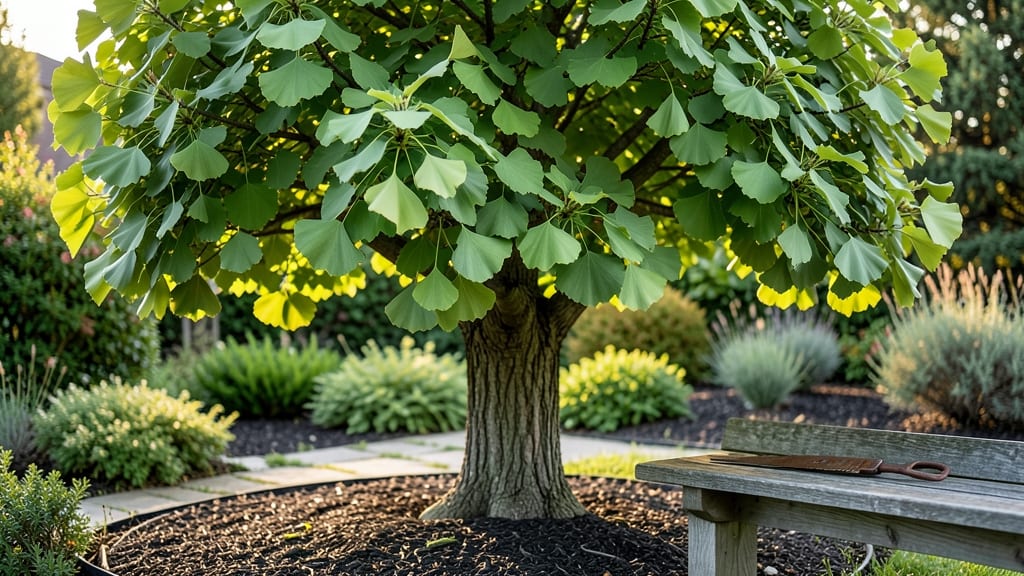
The maidenhair tree (Ginkgo biloba) flowering plants bring a touch of ancient beauty to Pacific Northwest gardens—its fan-shaped leaves and golden fall foliage are legendary, but the real magic happens when you understand how to coax those delicate spring blooms.
I’ve pruned mine for years, and the difference between a scraggly tree and a showstopper comes down to timing, technique, and knowing whether you’ve got a male or female plant (yes, it matters!).
The key to encouraging flowering starts with pruning in late winter, just as new growth begins to swell. Male trees produce fragrant, yellow-green catkins in spring, while females develop small, fleshy seeds—but only if you give them the right conditions.
Well-draining soil, full sun, and regular pruning to open the canopy make all the difference. My tree now bursts with blooms every April, and the secret isn’t complicated: cut back dead wood, thin crowded branches, and avoid heavy pruning after summer.
What you’ll end up with is a tree that’s frost-resistant, disease-free, and covered in seasonal interest—from spring flowers to autumn gold. The pruning blueprint I’ve perfected keeps my tree healthy, encourages flowering, and makes it the standout feature of my yard.
Even in the PNW’s damp climate, this approach works like a charm, and I’ll walk you through every step to get the same results.
Whether you’re dealing with a young sapling or a mature tree, the principles stay the same. We’ll cover how to identify male vs. female plants, when to prune for maximum blooms, and troubleshooting common issues like yellowing leaves or sparse flowering.
Ready to turn your maidenhair tree into a year-round showstopper?
📚 In This Guide
- What you need
- Instructions
- Tips and common mistakes
- Wrapping up and next steps
What you need
- ● Maidenhair tree: 1–3 Ginkgo biloba plants (male trees preferred for minimal fruit mess; female trees for seeds)
- ● Age: 1–3 years (young saplings) or mature trees (for pruning projects)
- ● Soil & Amendments: Well-draining loamy soil (pH 6.5–7.5)
- ● Compost (5–10 lbs per planting hole)
- ● Organic mulch (3–4 inches, e.g., wood chips or pine straw)
- ● Planting Tools: Shovel (for digging holes 3x wider than root ball)
- ● Garden trowel (for delicate root adjustments)
- ● Measuring tape (to ensure proper spacing: 20–30 feet apart for mature trees)
- ● Pruning Supplies: Bypass pruners (for thin branches)
- ● Loppers (for thicker branches up to 2 inches)
- ● Pruning saw (for large limbs)
- ● Disinfectant (70% isopropyl alcohol or pruning sealant)
- ● Garden gloves (cut-resistant, size medium/large)
- ● Watering & Care: Hose with adjustable nozzle (for deep watering)
- ○ Drip irrigation kit (optional, for automated moisture control)
- ● Fertilizer (balanced 10-10-10 or slow-release granular)
- ● Soil tester kit (to check pH and nutrient levels)
- ● Tree stake & ties (for young saplings in windy PNW areas)
- ● Reflective mulch (to deter voles/squirrels from young roots)
- ● Camera or sketchbook (to track seasonal changes and pruning progress!)
Step-by-Step pruning blueprint for frost-resistant maidenhair trees
Here’s how to keep your maidenhair tree thriving through Pacific Northwest winters with strategic cuts that preserve its delicate beauty.
Assess the Tree’s Structure Before Winter Arrives
Start by examining your maidenhair tree in late fall, just as temperatures begin to drop below 40°F. Look for dead, crossing, or weak branches—these are your first targets. Maidenhair trees (Ginkgo biloba) are resilient, but their feathery foliage can accumulate ice and snow, weighing down limbs. Use pruning shears to remove any branches that appear brittle or show signs of disease.
Focus on the upper canopy first, where branches are most vulnerable to winter damage. Healthy branches should have a smooth, slightly tapered shape with no cracks. If you spot any with brown, crispy edges, those need immediate removal. This isn’t just about aesthetics—it’s about preventing larger breaks during ice storms, which are common in the PNW.
Perform Light Structural Pruning in Early Spring
Once the last frost has passed and new growth begins—typically around mid-April in the Pacific Northwest—it’s time for your next pruning session. Maidenhair trees respond well to light shaping, so avoid heavy cuts. Start by thinning out the interior branches to improve airflow, which reduces the risk of fungal infections. Aim to remove no more than 20% of the tree’s foliage in one session.
Use sharp, clean pruning shears to make cuts just above a bud or lateral branch. Avoid leaving stubs, as these can invite disease. If you’re unsure where to cut, follow the branch collar—the swollen area where the branch meets the trunk. This ensures the wound heals properly. Step back frequently to assess the tree’s balance; maidenhair trees have a natural, graceful shape, so your goal is to enhance, not alter, it drastically.
Encourage New Growth with Summer Pruning
Summer is the ideal time to refine your maidenhair tree’s shape and encourage dense, healthy foliage. Wait until late June or early July, when the tree has fully leafed out. This is when you can safely prune without risking winter damage. Focus on removing any suckers—shoots that grow from the base of the tree—and any branches that are growing inward or rubbing against each other.
For a more dramatic look, you can lightly shape the outer edges of the tree by trimming back the tips of branches. Maidenhair trees grow slowly, so a few strategic cuts now will pay off in lush, fuller growth next year. Always prune on a dry day to minimize stress on the tree. After pruning, apply a thin layer of mulch around the base to retain moisture and protect the roots during the upcoming winter.
Prepare for Winter with Minimal Pruning in Late Fall
As the first hard frosts approach—usually by October in the PNW—do a final, minimal pruning pass. This isn’t about shaping but rather about removing any remaining dead or damaged branches that could harbor pests over winter. Avoid heavy pruning now, as new growth stimulated by cuts won’t harden off in time for cold weather.
Wrap any newly exposed wood with tree wound dressing if you’re concerned about sunscald, though maidenhair trees are generally low-maintenance. Instead of focusing on cuts, prioritize protecting the tree’s overall health. Water deeply before the ground freezes, and consider adding a layer of straw mulch around the base to insulate the roots. This step is more about prevention than pruning—setting your tree up for a smooth transition into dormancy.
Tips & tricks for perfect maidenhair tree pruning
These essential strategies will help you maintain your maidenhair tree's health while preserving its natural elegance through Pacific Northwest winters.
Timing is Everything: The late fall assessment in Step 1 is critical when temperatures drop below 40°F—this is when maidenhair trees become most vulnerable to ice damage. I always schedule this inspection after the first hard frost but before snowfall, as wet conditions can make branches more brittle. Use a flashlight to examine the upper canopy thoroughly, especially after storms, as hidden damage often appears only when leaves have fallen.
Precision Cuts Matter: In Step 2, when performing light structural pruning in mid-April, remember that maidenhair trees have a delicate vascular system. Always make cuts just above a bud or lateral branch using sharp pruning shears—never with hedge shears, which crush stems. The 20% foliage limit is non-negotiable; exceeding this can shock the tree and reduce flowering potential. I mark my cuts with a permanent marker before making them to ensure clean, precise angles that heal properly.
Summer Maintenance Secrets: During summer pruning in late June or early July, focus on removing suckers at the base rather than just shaping the canopy. These aggressive shoots divert energy from flowering. For shaping, I recommend using hand pruners for small branches and a pruning saw for thicker stems—never use power tools, as the vibration can damage the tree's delicate structure. The mulch application after pruning isn't just decorative; it creates a microclimate that retains moisture and protects roots from temperature fluctuations.
Winter Preparation Insight: The October pruning in Step 4 might seem counterintuitive, but removing dead branches now prevents pest infestations during dormancy. I've seen maidenhair trees develop fungal issues from leaving damaged wood over winter—especially in the damp PNW climate. The straw mulch layer should be 2-3 inches thick; this thickness provides sufficient insulation while still allowing water penetration. Always water deeply before applying mulch to ensure the tree has moisture reserves for spring growth.
Pro Tips for Maidenhair Tree Flowering Plants
- These essential strategies will help you maintain your maidenhair tree's health while preserving its natural elegance through Pacific Northwest winters.
- Timing is Everything: The late fall assessment in Step 1 is critical when temperatures drop below 40°F—this is when maidenhair trees become most vulnerable to ice damage.
- Precision Cuts Matter: In Step 2, when performing light structural pruning in mid-April, remember that maidenhair trees have a delicate vascular system.
Frequently asked questions
Got questions about your Ginkgo biloba (maidenhair tree) flowering plants? You're not alone!
Here are answers to the most common queries from Pacific Northwest gardeners—plus tips to keep your frost-resistant beauty thriving year-round.
Do maidenhair trees produce flowers?
The Ginkgo biloba is a dioecious plant, meaning male and female trees have separate flowers. Male trees produce yellowish-green catkins in spring, while female trees develop fleshy, seed-bearing structures (not true flowers). The seeds smell unpleasant when ripe—opt for male trees if you prefer odor-free landscapes!
When do maidenhair trees flower?
Flowers appear in late spring to early summer (May–June in the PNW). Male catkins bloom first, followed by female seed structures. Timing depends on climate—warmer microclimates may see earlier blooms. Prune after flowering to avoid removing buds for next year’s display!
Can maidenhair trees survive PNW winters?
Absolutely!
Ginkgos are extremely cold-hardy (USDA Zones 3–9) and tolerate frost, ice, and even urban pollution. Their fan-shaped leaves turn golden-yellow in fall, adding seasonal drama. Mulch young trees in winter to protect roots—adults handle frost like pros.
What are good companion plants for maidenhair trees?
Pair ginkgos with low-competition, shade-tolerant plants like:
- Hosta (for ground cover)
- Ferns (e.g., Dryopteris)
- Japanese maples (Acer palmatum)
- Boxwood (Buxus sempervirens)
Why isn’t my maidenhair tree flowering?
Check these common issues:
- Wrong sex: Only male trees produce catkins. Verify with a nursery or wait 5+ years—some trees take time.
- Stress: Overwatering, poor soil, or drought can delay blooms. Aim for well-draining, slightly acidic soil (pH 6.0–7.5).
- Age: Young trees (<10 years) may focus on growth over flowering.
Wrapping up and next steps
The maidenhair tree (Ginkgo biloba) is a stunning, frost-resistant gem that brings year-round beauty to the Pacific Northwest—whether you’re admiring its golden foliage, delicate flowers, or resilient structure. With the right pruning blueprint and companion plants, you can create a thriving, low-maintenance landscape that dazzles in every season. 🌿✨
Ready to transform your garden? Start by sketching your design—place your maidenhair tree as a focal point and pair it with shade-loving companions like heucheras or ferns for a lush, harmonious look. Then, grab your tools and get pruning! Your future self (and your neighbors) will thank you.