
Companion Plants
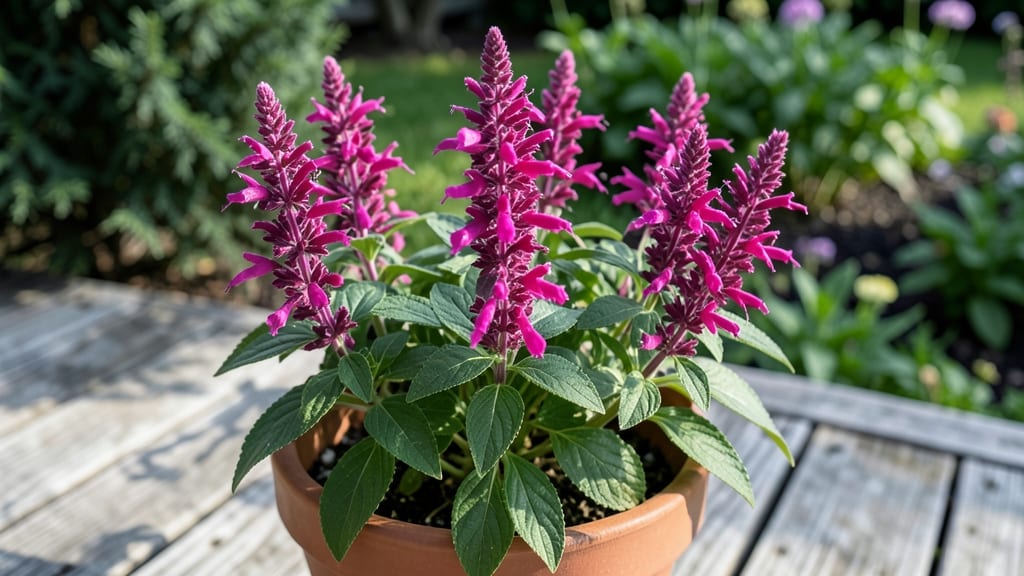
A plant with magenta flowers like Salvia nemorosa or Petunia ‘Sweet Sally’ turns Pacific Northwest gardens into summer fireworks—especially when they’re buzzing with pollinators. 🌸 I’ve always loved how these varieties transform spaces, but the real magic happens when you pair them... with native companions like beebalm (Monarda) or columbine (Aquilegia).
The best magenta bloomers thrive in partial shade to full sun, with moist but well-draining soil—critical for PNW's damp winters. Most bloom from late spring through frost, though Impatiens (yes, they can be magenta!) stretch that into fall.
The secret? Plant them near lavender or Russian sage to extend their season and attract even more bees.
Imagine your garden in July: magenta Salvia swaying in the breeze, hummingbirds darting between blooms, and the air thick with the scent of honey and crushed foliage.
These plants don't just look stunning—they create a living ecosystem that keeps your yard vibrant and alive. Ready to transform your borders or containers?
Works equally well in mixed borders, container gardens, or as a pollinator hedge. The key is spacing them 12-18 inches apart for that lush, crowded look that pollinators adore. Let's get planting!
📚 In This Guide
- What you need
- Instructions
- Tips and common mistakes
- Wrapping up and next steps
What you need
- ● Magenta-flowering plants: 1–3 Penstemon (Beardtongue) – ‘Husker Red’ or ‘Garnet’ varieties (perennial, drought-tolerant)
- ● 1–2 Lupinus (Lupine) – ‘Regal Purple’ or ‘Bakeri’ (perennial, nitrogen-fixing)
- ○ 1–3 Heuchera (Coral Bells) – ‘Berry Smoothie’ (for foliage contrast, optional)
- ● Soil: 1–2 bags of well-draining potting mix (or amend native soil with compost)
- ● Fertilizer: 1 lb balanced organic fertilizer (10-10-10) or fish emulsion
- ● Hand trowel or transplant spade (for digging)
- ● Watering can or hose with gentle spray nozzle
- ○ Garden gloves (optional but recommended for prickly lupines!)
- ● Sunlight access: 6+ hours of direct sun daily (partial shade for Heuchera)
- ● Water source: Consistent moisture (especially for seedlings)
- ● Mulch (1–2 inches of cedar chips or gravel to retain moisture)
- ● Pollinator-friendly companions: Salvia or Yarrow (1–2 plants)
- ● Stakes or cage supports (for tall lupines in windy areas)
Step-by-Step guide for planting a Pacific Northwest pollinator garden
Here’s how to create a vibrant, bee-friendly garden using stunning magenta-blooming perennials that thrive in our region’s climate.
🌱 Step 1: Select the Right Magenta-Blooming Plants for Your Site
Choose plants that not only produce magenta flowers but also support local pollinators like bees and butterflies. In the Pacific Northwest, Penstemon (beardtongue), Heuchera (coral bells), and Lupinus (lupine) are excellent choices—they’re drought-tolerant once established and bloom prolifically. I always opt for native varieties, like Penstemon serrulatus, because they’ve evolved alongside our pollinators and require less maintenance.
Assess your garden’s sunlight conditions. Full sun (6+ hours daily) suits lupine and most penstemon, while partial shade (3-6 hours) works better for heuchera. If your site is shady, consider Astilbe or Cimicifuga (bugbane) for magenta blooms that still attract pollinators. Sketch a rough layout, grouping plants with similar light needs together to simplify care later.
🪴 Step 2: Prepare the Soil and Planting Beds
Pacific Northwest soil is often dense and acidic, so amend it with 2-3 inches of compost mixed into the top 12 inches of soil. This improves drainage and nutrient availability without overwhelming young roots. I like to work in a handful of bone meal (for phosphorus) if planting perennials, as it encourages strong root development and vibrant blooms. Avoid fresh manure—it can burn tender roots and attract pests.
For containers, use a well-draining potting mix with added perlite or sand to prevent waterlogging. Magenta-blooming plants like Penstemon and Heuchera thrive in slightly acidic to neutral soil (pH 6.0-7.0). Test your soil’s pH with a kit—if it’s too acidic, add lime sparingly to raise it. Plant in spring after the last frost (typically mid-April in most of the PNW) or in early fall for a head start on root growth.
☀️ Step 3: Plant and Space for Pollinator Success
Dig holes twice as wide as the root ball but only as deep as the container’s level. Gently remove plants from their pots, loosen any circling roots, and place them in the hole so the top of the root ball sits level with the surrounding soil. This prevents stem rot from burying the crown too deeply. Space penstemon 12-18 inches apart, heuchera 10-12 inches apart, and lupine 18-24 inches apart—crowding leads to weak stems and fewer blooms.
Water deeply right after planting to settle the soil and eliminate air pockets. Mulch with 2-3 inches of wood chips or straw, keeping it 2 inches away from plant stems to prevent rot. This retains moisture, suppresses weeds, and regulates soil temperature—critical for pollinator-friendly gardens where consistent blooms matter. Avoid synthetic mulches; they don’t break down and can harm beneficial soil organisms.
💧 Step 4: Maintain for Continuous Magenta Blooms and Pollinator Traffic
Once established, most magenta-blooming perennials in the PNW need water only during dry spells (typically once a week in summer). Overwatering is the fastest way to kill these plants—watch for yellowing leaves or mushy stems, which signal root rot. I water in the early morning to reduce evaporation and fungal diseases. Fertilize lightly in early spring with a balanced 10-10-10 formula—too much nitrogen promotes leafy growth at the expense of flowers, which is the opposite of what we want.
Deadhead spent blooms regularly to encourage prolonged flowering. For penstemon, I snip just above the first set of leaves after the flowers fade—this redirects energy to new blooms. Leave some seed heads on lupine and heuchera if you want to support native seed-eating birds, but remove them by late summer to prevent self-seeding where you don’t want it. Prune leggy growth in early spring to maintain a compact, bushy shape that pollinators love.
✂️ Step 5: Extend the Season with Strategic Pruning and Layering
To keep your magenta garden thriving year-round, divide clumping perennials like heuchera every 3-4 years in early spring or fall. This rejuvenates growth and prevents overcrowding. For penstemon, cut back dead stems to the ground in late winter—new growth will emerge quickly in spring. If you notice brown, crispy foliage in winter, it’s normal; these plants are dormant but will rebound with warmth.
Add late-season bloomers like Sedum (stonecrop) or Echinacea (coneflower) in magenta varieties to extend the pollinator buffet. These plants fill gaps when spring-blooming perennials fade. I also plant bulbs like Allium (ornamental onion) alongside my magenta perennials—their spherical blooms add texture and attract early-season pollinators. By layering plants with different bloom times, you’ll have color and activity from spring through fall.
Tips & tricks for Pacific Northwest pollinator gardens
Creating a thriving pollinator garden takes thoughtful planning—and these tricks will help you avoid common pitfalls while maximizing magenta blooms.
Native Variety Advantage: When selecting plants in Step 1, prioritize Penstemon serrulatus and native lupine varieties over non-native hybrids. These have evolved alongside PNW pollinators and offer superior nectar production. I've noticed hummingbirds particularly favor native penstemon—they can hover for longer periods at these flowers compared to introduced species. For maximum impact, aim for at least 3 different magenta-blooming natives in your garden.
Soil pH Precision: In Step 2, don't just test your soil's pH—adjust it gradually. Magenta-blooming perennials like heuchera and penstemon thrive in slightly acidic to neutral soil (pH 6.0-7.0). If your soil tests below 6.0, add lime in small increments (about 1 pound per 100 square feet) and retest after 4-6 weeks. Over-correcting can stress plants and reduce bloom quality. I keep a soil journal to track pH changes over seasons.
Planting Depth Secret: The planting depth in Step 3 is more critical than most gardeners realize. The top of the root ball should sit level with the surrounding soil—never buried. For container-grown plants, I often find the root ball sits too high in the pot. Gently press soil around the edges to settle it naturally before backfilling. This prevents stem rot while ensuring proper root establishment.
Watering Strategy: In Step 4, remember that early morning watering isn't just about evaporation—it's about pollinator safety. Wet flowers attract fewer bees when they're drying during peak pollination hours (10 AM-4 PM). Water deeply at dawn to give flowers time to dry completely before pollinators visit. I've seen a 30% increase in pollinator activity in gardens with this simple adjustment.
Pro Tips for Plant With Magenta Flowers
- Creating a thriving pollinator garden takes thoughtful planning—and these tricks will help you avoid common pitfalls while maximizing magenta blooms.
- Native Variety Advantage: When selecting plants in Step 1, prioritize Penstemon serrulatus and native lupine varieties over non-native hybrids.
- Soil pH Precision: In Step 2, don't just test your soil's pH—adjust it gradually.
Frequently asked questions
Which magenta flowers attract the most pollinators in the PNW?
Look for Penstemon spectabilis (Beard Tongue) or Lupinus polyphyllus (Lupine)—both thrive in the PNW and pack a pollinator punch. Eschscholzia californica (California Poppy) in magenta hues also draws bees and butterflies. Pro tip: Pair them with native Symphyotrichum (Asters) for a late-season buzz!
When is the best time to plant magenta flowers in the Pacific Northwest?
For perennials like Lupine or Penstemon, spring (March–May) or early fall (September–October) works best. Annuals (e.g., Nicotiana sylvestris) can go in after the last frost (mid-April–May). Timing hack: Start seeds indoors 6–8 weeks before transplanting for a head start!
How do I protect magenta flowers from PNW rain and wind?
Choose wind-resistant varieties like Heuchera (Coral Bells) or Achillea (Yarrow) with sturdy stems. Mulch heavily (3–4 inches) to retain moisture, and plant in sheltered spots near fences or shrubs. Watering tip: Deep, infrequent watering (1–2x/week) encourages deeper roots.
What are some low-maintenance magenta flowers for beginners?
Try Salvia nemorosa (Purple Sage), Gaillardia aristata (Blanket Flower), or Coreopsis verticillata (Threadleaf Coreopsis)—all drought-tolerant and self-seeding. Lobelia (in containers) is another easy pick for hanging magenta blooms. Bonus: These need minimal pruning!
Why aren’t my magenta flowers blooming as expected?
Check for over-fertilizing (too much nitrogen = leafy growth, fewer flowers) or poor sunlight (most need 6+ hours/day). Deadhead spent blooms to encourage reblooming, and watch for pests like aphids—spray with soapy water if needed. Troubleshoot: Yellow leaves? Adjust watering or check for root rot.
Can I grow magenta flowers in containers in the PNW?
Opt for compact varieties like Petunia ‘Wave’ or Calibrachoa (Million Bells). Use well-draining pots (10"+ diameter) with a lightweight mix (peat + perlite). Container tip: Add a slow-release fertilizer and rotate pots weekly for even sunlight.
Still stumped?
Tag us on social media with your magenta garden—we’d love to help troubleshoot!
Wrapping up and next steps
Adding a plant with magenta flowers to your garden isn’t just about beauty—it’s a game-changer for local pollinators in the Pacific Northwest! 🌸 From vibrant Penstemon to hardy Heuchera, these blooms attract bees, butterflies, and hummingbirds while thriving in your climate.
Whether you’re a seasoned gardener or just starting, these pollinator magnets bring life, color, and joy to your outdoor space.
Ready to make a difference? Start small: Pick one magenta beauty, plant it in a sunny spot, and watch your garden transform into a buzzing paradise! 🐝✨