
Planting
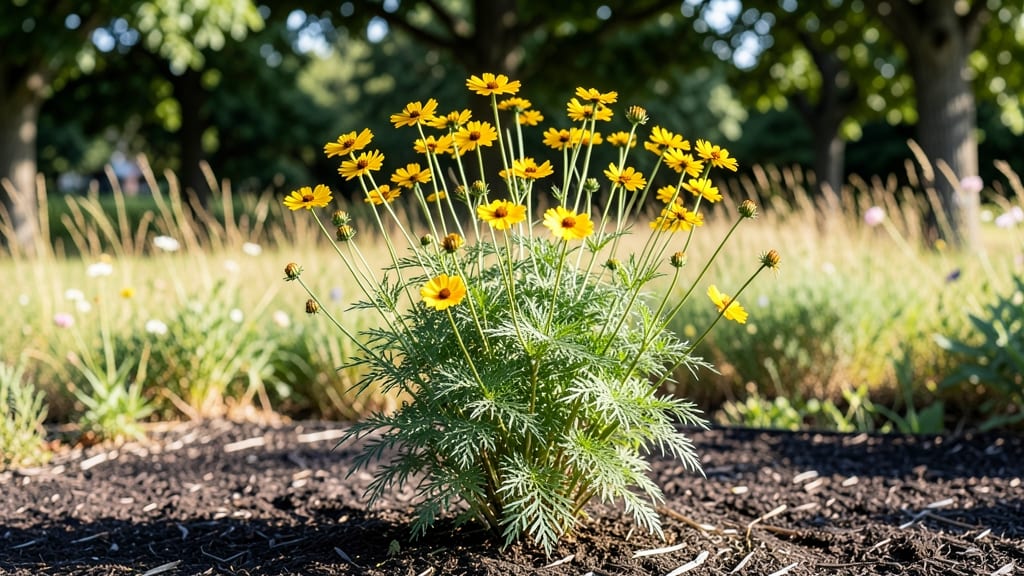
The plant with the cheerful yellow flowers name Coreopsis—Golden Raindrop—lights up sunlit gardens from early summer through fall. 🌻 I fell in love with this pollinator magnet after it turned my dry, sunny corner into a buzzing haven for bees and butterflies. it.
The secret lies in its drought tolerance and easygoing nature, making it perfect for low-maintenance spaces.
This hardy perennial thrives in full sun and well-draining soil, handling heat and poor conditions better than many yellow-flowered plants. Plant it in zones 3-9, and you’ll get 3-4 inches tall clusters of daisy-like blooms that keep coming back year after year.
Unlike fussy annuals, Coreopsis asks for almost nothing in return.
Imagine a garden where every yellow bloom feels like sunshine in a vase—this is what Golden Raindrop delivers. The flowers stay vibrant longer than marigolds or sunflowers, and they pair beautifully with purple salvias or deep green foliage for striking contrast.
Once established, it spreads gently, filling gaps without becoming invasive.
For best results, deadhead spent blooms to encourage more flowers, and divide clumps every 3-4 years to keep them vigorous. Whether you're planting borders, containers, or wildflower meadows, this sunny stunner brings effortless color and joy to any garden corner.
📚 In This Guide
- What you need
- Instructions
- Tips and common mistakes
- Wrapping up and next steps
What you need
- ● Coreopsis seeds or seedlings: 1–2 seed packets (or 3–5 seedlings) for a small garden bed (10 sq. ft.).
- ● Choose Coreopsis verticillata ‘Moonbeam’ or ‘Zagreb’ for compact, cheerful blooms.
- ● Well-draining potting mix: 1–2 bags (2–3 cubic feet each) of garden soil + perlite/sand mix (ratio: 3:1).
- ○ Optional: Add compost for extra nutrients (1 part compost to 4 parts soil).
- ● Containers or garden bed: For pots: 5–6-inch diameter containers (1 per seedling).
- ● For in-ground planting: A sunny spot with at least 6 hours of direct sunlight.
- ● Hand trowel (for transplanting seeds/seedlings).
- ● Gloves (to protect hands from soil and thorns, if using thorny varieties).
- ● Watering can or hose with a gentle spray nozzle (Coreopsis hates soggy roots!).
- ○ Mulch (optional but recommended): 1–2 bags of pine straw or shredded bark (to retain moisture and deter weeds).
- ● Sunlight: Full sun (6+ hours/day). Partial shade (<4 hours) will limit blooms.
- ● Water: Keep soil consistently moist but not waterlogged (especially for seeds).
- ● Climate: Hardy in USDA Zones 3–9. Start seeds indoors 6–8 weeks before last frost.
- ● Patience: Seeds germinate in 7–14 days; full blooms take 8–12 weeks.
Step-by-step guide for planting Golden Raindrop Coreopsis
This sun-loving perennial thrives with minimal fuss once you nail these key steps.
🌱 Step 1: Choose the Perfect Sunny Spot
Golden Raindrop Coreopsis demands 6+ hours of direct sunlight daily. Scan your garden for areas where other sun-lovers like black-eyed Susans or coneflowers already thrive—these make ideal neighbors. Avoid spots where afternoon shade creeps in after 3 PM, as the flowers will flop and produce fewer blooms.
Here's the thing—this plant tolerates heat better than most yellow perennials. If your zone gets above 90°F in summer, pick the western edge of your garden where afternoon breezes cool the roots. The soil should drain like a sandy loam; if it stays soggy after rain, amend with 1-2 inches of coarse sand or perlite.
🪴 Step 2: Prepare the Soil for Thriving Roots
Coreopsis roots spread aggressively but shallowly, so focus on loosening the top 12 inches of soil. Work in 2-3 inches of compost (like well-aged cow manure or leaf mold) to improve fertility without compacting the mix. I always test the soil pH first—this plant prefers 6.0-7.0, so add lime if your soil runs acidic.
Dig holes 18-24 inches apart for four plants (your target count). The hole should be just deep enough to accommodate the root ball without burying the crown—this is critical. If the crown sits too deep, stems rot before they bloom. Tap the sides of the hole gently to settle the soil after planting.
☀️ Step 3: Plant and Water for Immediate Establishment
Remove each plant from its container and tease the roots outward if they're circling. Place it in the hole so the top of the root ball sits ½ inch below soil level. Backfill with native soil mixed with a handful of compost, then water deeply until moisture reaches 6 inches down. You'll see the soil surface darken as it absorbs water—this is your signal to stop.
Real talk: Don't skip the deep watering. Coreopsis wilts dramatically when thirsty, and recovery takes days. Mulch with 2-3 inches of shredded bark or straw to lock in moisture and suppress weeds. Keep the mulch 2 inches away from the crown to prevent rot.
✂️ Step 4: Maintain for Continuous Blooms
Deadhead spent blooms by snipping stems ¼ inch above the next set of leaves (this encourages bushier growth). I do this every 10-14 days during peak bloom, which runs from mid-summer to frost in most zones. The plant self-seeds moderately, so remove volunteer seedlings in spring unless you want a naturalized look.
Fertilize lightly in early spring with a 10-10-10 balanced formula at half-strength. Too much nitrogen produces lush foliage but fewer flowers. Watch for powdery mildew in humid climates—spray with neem oil at the first sign of white dust on leaves. This plant rarely gets pests, but aphids might visit; blast them off with water if you see sticky residue on new growth.
Tips & tricks for perfect Golden Raindrop Coreopsis planting
Took me a while to figure these out, so here are the details that separate good from great when planting this sun-loving beauty.
Sunlight Strategy: The 6+ hours of direct sunlight is non-negotiable, but here's what nobody tells you—morning sun with afternoon shade works better than full afternoon sun in hot zones. I've seen Coreopsis in 90°F+ heat wilt dramatically when planted in full afternoon sun, while those with morning sun and afternoon breeze stay perky. If you must plant in full sun, add a 50% shade cloth during peak afternoon heat until roots establish.
Soil Amendment Secrets: When loosening that top 12 inches of soil, don't just scratch the surface—use a broadfork to break up compacted layers without turning the soil. I add my 2-3 inches of compost right to the planting hole rather than mixing it through the entire bed, creating a nutrient-rich zone where roots can immediately access food. For sandy soils, mix in 10% coconut coir to help retain moisture without compacting.
Watering Wisdom: That deep watering until moisture reaches 6 inches down is crucial, but timing matters too. Water in the morning so leaves dry quickly, preventing fungal issues. I use a soil probe to check moisture—if it's dry at 6 inches, water again. For the first two weeks, I water every other day to encourage root spread, then taper to once a week once established. The mulch ring should stay consistently damp, not soggy.
Deadheading Technique: When you're snipping those stems ¼ inch above the next set of leaves, here's my game-changer: Use clean, sharp pruners and make the cut at a 45-degree angle. This prevents water from pooling on the stem, reducing disease risk. I deadhead on a cloudy morning when temperatures are cooler—this minimizes stress on the plant. And always remove the entire spent bloom cluster, not just the dead flowers, to encourage bushier growth from lower stems.
Pro Tips for Plant Yellow Flowers Name
- Took me a while to figure these out, so here are the details that separate good from great when planting this sun-loving beauty.
- Sunlight Strategy: The 6+ hours of direct sunlight is non-negotiable, but here's what nobody tells you—morning sun with afternoon shade works better than full afternoon sun in hot zones.
- Soil Amendment Secrets: When loosening that top 12 inches of soil, don't just scratch the surface—use a broadfork to break up compacted layers without turning the soil.
Frequently asked questions
What’s the best time to plant Coreopsis for maximum blooms?
Plant Coreopsis in early spring (right after the last frost) or early fall for the best results. This gives roots time to establish before summer heat. If planting in containers, you can also tuck them in mid-spring—just keep them well-watered until they’re settled!
How often should I water Coreopsis, and do they need special care?
Coreopsis is drought-tolerant once established, so water deeply but infrequently—about once a week (or less in hot climates). Young plants or those in containers may need more frequent watering (every 3–4 days). Mulch around the base to retain moisture and keep roots cool.
Should I deadhead Coreopsis, and how does it affect blooming?
Yes!
Deadheading (snipping spent blooms) encourages non-stop flowering by redirecting energy to new buds. Use clean pruners to trim just above a set of healthy leaves. For a neat look, you can also cut back the entire plant by 1/3 in early spring—it’ll bounce back with fresh growth!
Are yellow Coreopsis flowers attractive to pollinators like bees and butterflies?
Absolutely!
Coreopsis is a pollinator magnet—its bright yellow blooms and nectar-rich petals draw bees, butterflies, and even hummingbirds. Plant them near herbs or veggies to create a bee-friendly garden that boosts your harvest naturally.
What if my Coreopsis leaves turn yellow or look wilted?
Yellow leaves often signal overwatering or fungal issues (like powdery mildew). Check the soil—it should be dry 1–2 inches down before watering again. For fungal problems, space plants for airflow and apply neem oil if needed. Wilted leaves in heat? Provide afternoon shade until they recover.
Can I grow Coreopsis in containers, and what’s the best pot size?
Yes! Coreopsis thrives in 5–7 gallon containers with drainage holes. Use a well-draining potting mix (add perlite or sand for extra aeration). Dwarf varieties (like ‘Moonbeam’) work best in pots—just place them in full sun and water consistently until roots fill the container.
Wrapping up and next steps
From the vibrant Coreopsis to the delicate Ranunculus, yellow flowers bring sunshine to any garden—even the trickiest spots! 🌻 Whether you’re drawn to low-maintenance perennials or bold annuals, these golden blooms offer beauty, resilience, and a burst of joy.
Now that you’re armed with the best plant yellow flowers names and care tips, it’s time to roll up your sleeves and plant!
🌱 Your Next Step:
- Pick your star: Choose a yellow flower that matches your garden’s sunlight and soil.
- Grab supplies: Soil, pots, and gloves—then follow the planting guide you’ve got!
- Watch it thrive: With a little love, you’ll have a dazzling display in no time.