
Flowers
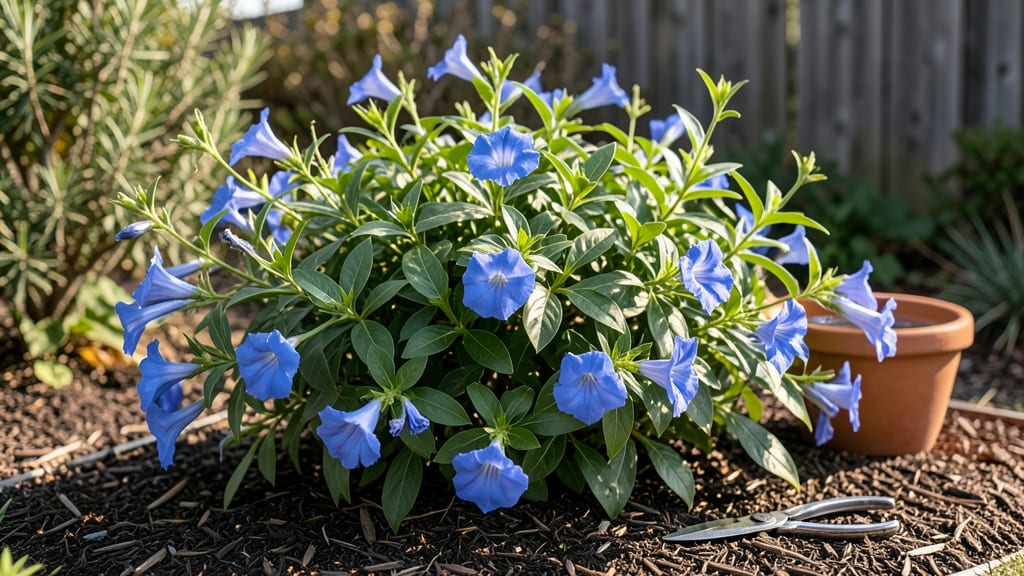
Nothing steals the spotlight like a pop star flower—think cannas with their bold, tropical leaves or dahlias bursting with jewel-toned blooms. 🌟 These aren’t just pretty faces; they’re the divas of the garden, turning ordinary spaces into backdrops for nature’s most dramatic performances.
The key is treating them like the headliners they are: place them where they’ll command attention, whether that’s a sunlit border or the centerpiece of a patio container.
Start with their natural stage requirements—most pop stars need full sun to really shine, but some, like hibiscus, tolerate partial shade. Pair them with supporting plants that won’t upstage them: airy grasses, deep-green foliage, or delicate annuals that let the star take center stage.
The contrast makes them pop even harder. Think of it like a well-composed photograph—balance is everything, but the focus? Always on the showstopper.
What you’ll end up with is a garden that feels alive with movement and color, buzzing with pollinators drawn to the nectar-rich blooms.
Imagine a dramatic border garden where cannas sway in the breeze, their fiery blooms catching the light, or a tropical-inspired corner where dahlias spill over a raised bed in waves of purple and pink. The best part?
These plants thrive on the attention, so give them the spotlight—they’ll deliver the performance of a lifetime.
Works for any garden style, from cottage charm to modern minimalism. The secret is confidence: place them where they’ll be seen, and let their natural drama do the rest. Here’s how to make them the undeniable stars of your outdoor stage.
📚 In This Guide
- What you need
- Instructions
- Tips and common mistakes
- Wrapping up and next steps
What you need
- ● Ready to bring some pop star flower flair to your garden? Here’s everything you’ll need to grow these vibrant pollinator magnets with ease! 🌸✨
- ● Pro tip: 💡 If starting from seeds, soak them in warm water for 24 hours to speed up germination!
How to grow a stunning pop star flower display
Here's the method I use to create bold, buzzing flower beds that stop neighbors in their tracks.
🌱 Step 1: Choose Your Star Varieties
Pick four high-impact annuals that bloom nonstop from spring to frost—think celosia, zinnias, marigolds, and snapdragons. These work together like a pop hit: each brings a different color and shape while attracting pollinators. I always buy four plants per variety to ensure full coverage when they fill in.
Look for compact, bushy varieties (like 'Benary's Giant' zinnias) rather than tall, leggy types. These stay put in containers or borders and won't flop over. Check the bloom time labels—mix early, mid, and late-season types so your display never goes bare.
☀️ Step 2: Plant in Full Sun with Great Drainage
Pop star flowers need at least 6 hours of direct sun daily—they'll sulk in shade. I plant mine in raised beds or containers with the 2 gallons of potting mix mixed with 1 part perlite for extra drainage. Wet soil equals rot, and nobody wants a sad, wilted centerpiece.
Space plants 12-18 inches apart—close enough to create that "wall of color" effect but far enough to let air circulate. Dig holes twice as wide as the root ball and just as deep. Gently tease out any circling roots before setting the plant in. Water deeply right after planting to settle the soil.
💧 Step 3: Water and Feed for Nonstop Blooms
Water deeply every 2-3 days until the top 2 inches of soil feel dry. Pop star flowers hate soggy feet but also can't handle drought—they'll drop buds faster than a canceled tour. I use a soaker hose to water at the base, avoiding the leaves to prevent fungal issues.
Feed with ½ cup of balanced 10-10-10 fertilizer every 4 weeks starting when buds form. I mix it into the soil surface after watering so it doesn't burn tender roots. Deadhead spent blooms weekly—this trick forces plants to pump out new flowers instead of going to seed. Wear gloves; thorny zinnias will pinch!
✂️ Step 4: Prune and Shape for Maximum Drama
Every 2-3 weeks, give your plants a light trim to encourage bushier growth. Snip the tallest stems back by ⅓ to keep them from toppling. I use clean, sharp bypass pruners—dull blades crush stems and invite disease. Always cut just above a leaf node where new growth can sprout.
Shape your display like a pyramid: taller varieties (like snapdragons) in the back, medium-height zinnias in the middle, and low-growing celosia or marigolds at the front. This creates layers of color and makes your garden pop from any angle. Add a few ornamental grasses at the edges for texture contrast.
🪴 Step 5: Extend the Season with Smart Care
When temperatures dip below 50°F at night, move containers to a sheltered spot or bring them indoors for a few hours. Pop star flowers won't survive frost, but with a little protection, they'll keep blooming until the first hard freeze. I cover mine with frost cloth on chilly nights for extra insurance.
Save seeds from your best blooms by letting a few flowers go to seed at the end of the season. Dry them on paper towels, then store in envelopes. Next year, you'll have free plants—and that's the real star power. Take cuttings from healthy stems too; they root easily in water and let you share the love.
Tips & tricks for perfect pop star flower displays
Here's what I've learned after years of creating show-stopping flower displays that buzz with life.
Selection Matters: When choosing your four varieties, prioritize color contrast—pair deep red zinnias with bright yellow marigolds for maximum visual impact. I always buy plants from reputable nurseries that specify bloom times, ensuring my display stays vibrant from spring through frost. Look for healthy, compact plants with no signs of pests; a few extra dollars now saves headaches later.
Sunlight Strategy: The 6 hours of direct sun requirement is non-negotiable, but here's the trick: if your garden has partial shade, place your display where it gets morning sun and afternoon shade. East-facing beds work perfectly. For containers, rotate them weekly so all sides get equal light exposure—this prevents lopsided growth and ensures even blooming.
Pruning Payoff: That weekly deadheading might seem tedious, but it's the secret to nonstop blooms. I set a reminder on my phone because I've seen displays wither when this step gets skipped. For the 2-3 week pruning, focus on removing stems that have finished blooming—this redirects energy to new growth. Always use clean pruners and make cuts at 45-degree angles to prevent water from pooling on the stem.
Season Extension: When nighttime temperatures drop below 50°F, move containers to a sheltered spot like a patio or garage during the day and bring them back out at night. For in-ground plantings, create a mini greenhouse effect by placing clear plastic bottles (cut in half) over individual plants. This simple trick can extend your blooming season by 2-3 weeks—long enough to enjoy them through early fall.
Pro Tips for Pop Star Flower
- Here's what I've learned after years of creating show-stopping flower displays that buzz with life.
- Selection Matters: When choosing your four varieties, prioritize color contrast—pair deep red zinnias with bright yellow marigolds for maximum visual impact.
- Sunlight Strategy: The 6 hours of direct sun requirement is non-negotiable, but here's the trick: if your garden has partial shade, place your display where it gets morning sun and afternoon shade.
Frequently asked questions
Got questions about the pop star flower? You’re not alone! Whether you're wondering how to keep it thriving or how it compares to other blooms, we’ve got answers. Here are some of the most common questions—and their solutions—to help you make the most of this showstopping plant.
What’s the best way to plant a pop star flower for maximum impact?
The key is placement and prep. Pop star flowers (like Celastrus scandens or Cleome hassleriana) love full sun (6+ hours daily) and well-draining soil. Dig a hole twice as wide as the root ball, mix in compost, and water deeply after planting. For instant drama, pair it with tall grasses or other vertical plants to highlight its arching stems. Pro tip: If planting in containers, choose a pot with drainage holes and use a lightweight potting mix!
How long does it take for a pop star flower to bloom?
Patience pays off! Most pop star flowers (especially Cleome varieties) take 60–90 days to bloom from seed, while container-grown plants may flower in 4–6 weeks. Factors like sunlight, soil quality, and temperature (ideal: 70–80°F) speed up the process. For faster results, opt for transplants from nurseries in spring. Deadhead spent blooms to encourage continuous flowering!
Are pop star flowers really great for pollinators?
These flowers are pollinator magnets, especially for bees, butterflies, and hummingbirds. Their open, tubular blooms provide easy access to nectar, while their long stems offer perching spots. For extra buzz, plant them alongside coneflowers or black-eyed Susans to create a pollinator paradise. Avoid pesticides—they’re toxic to the very creatures you’re trying to attract!
Can I grow pop star flowers in containers or small spaces?
Yes! Many varieties (like Cleome) thrive in 5-gallon containers or hanging baskets, as long as the pot is at least 12–18 inches deep. Use a well-draining mix with perlite or sand, and fertilize lightly every 4–6 weeks. For small spaces, choose dwarf varieties or prune regularly to control height. They’re perfect for balconies, patios, or even as a striking centerpiece!
What should I do if my pop star flower isn’t blooming?
No flowers? Don’t stress—it’s often fixable! Check these common culprits:
- Not enough sun: Move to a sunnier spot (they need 6+ hours of direct light).
- Over-fertilizing: Too much nitrogen = leafy growth, no blooms. Switch to a low-nitrogen, high-phosphorus fertilizer.
- Underwatering: Let the top inch of soil dry out between waterings.
- Old age: Some varieties (like Celastrus) bloom best on new wood. Prune back in early spring to encourage fresh growth.
Wrapping up and next steps
The pop star flower isn’t just a showstopper—it’s a pollinator magnet that brings joy, color, and life to your garden with minimal effort! 🌸 With its bold hues and easy-care nature, it’s the perfect choice for both beginners and seasoned gardeners looking to make a statement.
Whether you’re drawn to its drama or its eco-friendly benefits, this flower proves that beauty and function go hand in hand.
Ready to level up your garden game? Grab your supplies, follow the steps, and watch your outdoor space transform into a buzzing, vibrant haven. Start planting today—your future pollinators (and neighbors!) will thank you. 🌿✨