
Flowers
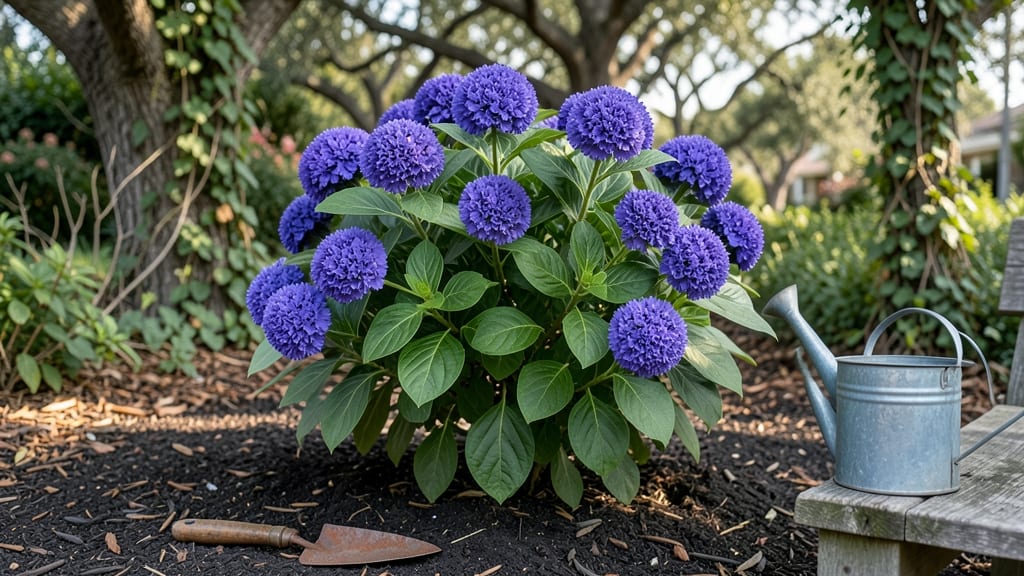
The Princess Flower Tibouchina urvilleana turns Pacific Northwest gardens into jewel-toned dreamlands with its velvety purple blooms. 🌿 I’ve spent years perfecting its care here, and the secret isn’t just water or soil—it’s three pruning tricks that keep it flowering year after year, even in our damp climate.
This isn’t your average shrub; it’s a statement piece that thrives where others struggle.
What makes this plant special? It loves partial shade, tolerates our rainy winters, and blooms from spring through fall if you prune it right. The key is cutting back one-third of the oldest stems every spring, shaping it after flowering, and thinning crowded branches to improve airflow.
Most gardeners overlook the second pruning—this is where the magic happens for continuous blooms.
By summer, you’ll have a bush covered in glossy purple flowers that attract hummingbirds and last for weeks. The foliage stays lush even in shade, making it perfect for borders, containers, or as a focal point under trees.
The only trade-off? It’s not cold-hardy below Zone 8, so in cooler regions, treat it as an annual or overwinter it indoors.
Once you master these tricks, your Princess Flower will outshine every other shrub in the neighborhood. Let’s get those shears ready—your garden’s about to get a whole lot more dramatic.
📚 In This Guide
- What you need
- Instructions
- Tips and common mistakes
- Wrapping up and next steps
What you need
- ● Princess Flower Plant: 1 mature Tibouchina urvilleana (potted or bare-root) from a reputable nursery. Pro tip: Choose a healthy specimen with lush foliage and no signs of pests! 🌿
- ● Well-Draining Soil Mix: 50% high-quality garden soil (or peat-based potting mix for containers)
- ● 30% perlite or coarse sand (to improve drainage)
- ● 20% compost or aged manure (for nutrients)
- ● Container (if not planting in-ground): 1 15–20 gallon pot with drainage holes (terracotta or fabric pots work best).
- ● Fertilizer: 1 balanced, slow-release granular fertilizer (e.g., 10-10-10) or organic options like fish emulsion (follow package rates).
- ● Mulch: 2–3 inches of wood chips or pine bark (to retain moisture and regulate temperature).
- ● Pruning Tools: 1 pair bypass pruners (for clean cuts)
- ● 1 small handsaw or loppers (for thicker stems, if needed)
- ● Gloves: 1 pair gardening gloves (to protect hands from thorns and soil).
- ● Watering Can or Hose: With a gentle spray nozzle (Princess Flowers dislike soggy roots!).
- ○ Support Stake: 1 bamboo or metal stake (optional, for young plants in windy PNW areas).
- ● Soil pH Test Kit: To ensure soil pH is 5.5–6.5 (slightly acidic).
- ○ Fungicide (Preventative): Copper-based fungicide (optional, for humid PNW climates).
- ● Shade Cloth: 1 roll 30–50% shade cloth (for young plants in hot summer spots).
How to grow and prune Princess flower (Tibouchina urvilleana) in the Pacific Northwest
Here's the method I've perfected for thriving purple blooms in our damp, mild climate.
🌱 Step 1: Select the Perfect Planting Site
Princess flower thrives in partial shade to full sun—the key is protecting it from harsh afternoon sun that can scorch those velvety leaves. In the Pacific Northwest's coastal regions, a spot with morning sun and afternoon dappled light works best. Inland areas can handle more sun, but avoid south-facing walls that bake plants.
Check your site's moisture retention by digging a 6-inch hole—if water pools after 24 hours, you've got too much moisture. Princess flower prefers well-draining soil with 60-70% moisture retention. Amend heavy clay soil with 3 inches of compost and 1 inch of perlite to improve aeration. The roots will thank you with vigorous growth.
☀️ Step 2: Plant and Establish for First-Year Growth
Plant your Princess flower in early spring after the last frost when soil temperatures reach 55°F. Dig a hole twice as wide as the root ball but only as deep—planting too deep suffocates the roots. Gently remove the plant from its container and loosen any circling roots with your fingers.
Backfill with native soil mixed with 2 cups of slow-release fertilizer (10-10-10 ratio) to encourage strong root establishment. Water deeply until moisture reaches 12 inches down—you'll know it's enough when water runs out the bottom of the hole. Mulch with 3 inches of wood chips to retain moisture and regulate soil temperature.
✂️ Step 3: Master the Three Pruning Tricks for Pacific Northwest Climates
Here's where the magic happens: prune immediately after flowering to encourage next year's blooms. Use clean, sharp pruners to make cuts at a 45-degree angle just above a leaf node. This prevents water from pooling on the cut and reduces disease risk. Remove no more than 1/3 of the plant in any single pruning session—Princess flower responds poorly to aggressive cuts.
For your first pruning, focus on deadheading spent blooms and thinning crowded stems. Look for branches growing inward—they'll compete for light and create weak wood. Cut these back to their origin point. The plant will redirect energy to stronger, outward-growing branches that create that lush, bushy shape we love.
💧 Step 4: Maintain Through Seasonal Changes
Water deeply once weekly during the first growing season to establish roots. After establishment, water every 10-14 days unless we have our characteristic dry spells. Check moisture by sticking your finger 2 inches into the soil—if it feels dry, that's your watering cue. Princess flower is drought-tolerant once established but produces fewer blooms when stressed.
In late fall, apply a 2-inch layer of mulch around the base (keeping it 3 inches away from the trunk). This protects roots from our mild but damp winters. Fertilize lightly in early spring with ½ cup of balanced fertilizer—too much nitrogen produces lush foliage at the expense of those stunning purple blooms.
⏰ Step 5: Winter Preparation for Pacific Northwest Conditions
While Princess flower handles our winters better than many tropical plants, it still needs protection from freezing temperatures below 20°F. Wrap the base of mature plants with burlap or frost cloth if you're in higher elevation areas. For young plants in their first winter, consider moving them to a protected garage or unheated shed where temperatures stay above 30°F.
Prune lightly in late winter to remove any dead or damaged wood from the previous season. This is also when you'll notice if any branches died back—simply cut them out cleanly. The plant will respond with fresh growth in early spring, and you'll have those vibrant blooms ready for summer's display.
Tips & tricks for thriving Princess flower in the Pacific Northwest
These pro tips will help you coax vibrant blooms from your Princess flower—even in our famously damp climate.
Soil Test First: Before amending your soil, conduct a simple moisture test by digging that 6-inch hole mentioned in Step 1. If water pools after 24 hours, your site has too much moisture. Princess flower thrives with 60-70% moisture retention—amend with 3 inches of compost AND 1 inch of perlite to prevent root rot. I've seen plants struggle in heavy clay because water just sits there, suffocating roots.
Pruning Precision: When you're ready to prune in Step 3, make those 45-degree cuts just above a leaf node—this isn't just about looks, it's about plant health. The angled cut prevents water from pooling, which drastically reduces fungal infections. And remember: never remove more than 1/3 of the plant at once. I learned this the hard way after over-pruning and watching my plant take months to recover.
Winter Protection Strategy: For those chilly nights when temperatures drop below 20°F, don't just wrap the base—extend protection to the entire plant canopy. I use frost cloth that wraps loosely around the plant like a blanket, secured with twine. The key is airflow—don't seal it completely, just provide that extra insulation. For young plants, moving them to a garage above 30°F can make all the difference between survival and loss.
Fertilizer Timing: That ½ cup of balanced fertilizer in early spring is crucial, but timing matters more than you'd think. Apply it when you see new growth emerging—usually late February to early March in our region. Too early and you'll encourage tender growth that gets damaged by late frosts. Too late and you'll miss the window for robust summer blooms. I've found that splitting the dose into two applications (first in spring, second after flowering) gives even better results.
Pro Tips for Princess Flower Tibouchina Urvilleana
- These pro tips will help you coax vibrant blooms from your Princess flower—even in our famously damp climate.
- Soil Test First: Before amending your soil, conduct a simple moisture test by digging that 6-inch hole mentioned in Step 1.
- Pruning Precision: When you're ready to prune in Step 3, make those 45-degree cuts just above a leaf node—this isn't just about looks, it's about plant health.
Frequently asked questions
Got questions about growing Princess Flower (Tibouchina urvilleana)? You’re not alone!
Here are the most common ones—plus quick, practical answers to help your vibrant blooms thrive in the Pacific Northwest.
Is Tibouchina urvilleana hardy in cold climates like the Pacific Northwest?
Tibouchina urvilleana is a tender perennial and won’t survive freezing temps below 20°F (-6°C). In the PNW, grow it as an annual or in containers that you can move indoors (or under a porch roof) during winter. If you’re in Zone 9+, it may overwinter with heavy mulch and wind protection.
How often should I water my Princess Flower?
Keep the soil consistently moist but not soggy—especially during the first year. Water deeply 2-3 times per week in summer (or daily in extreme heat), then taper to once a week in cooler months. Mulch around the base to retain moisture and prevent root stress.
When and how should I prune Tibouchina urvilleana?
Prune in early spring (March-April) to shape the plant and encourage bushier growth. Cut back 1/3 of the oldest stems to the base and trim leggy branches to promote new blooms. Avoid heavy pruning in fall—it reduces winter hardiness. Use sterilized shears to prevent disease.
What pests or diseases should I watch for with Tibouchina?
Common issues include:
- Spider mites (yellowing leaves, webbing)—treat with neem oil or a strong spray.
- Powdery mildew (white coating)—improve airflow and reduce overhead watering.
- Aphids (sticky residue)—blast off with water or use insecticidal soap.
Can I grow Tibouchina urvilleana in containers?
Use a 15-20 gallon pot with drainage holes and a mix of potting soil + perlite for aeration. Choose a container with bright, indirect light (east or west-facing) and move it indoors before frost. Fertilize lightly every 4-6 weeks in growing season for bigger blooms.
Wrapping up and next steps
The Princess Flower Tibouchina urvilleana is a stunning, low-maintenance gem that brings vibrant color and tropical flair to the Pacific Northwest—and you’ve got everything you need to make it thrive! With the right pruning tricks, sunlight, and soil prep, this beauty will reward you with bursts of purple, pink, and magenta blooms for years to come. 🌸
Ready to transform your garden? Grab your pruners, pick a sunny spot, and get growing—your future blooms will thank you! For extra inspiration, browse local PNW plant communities or tag us in your progress with #PNWPrincessFlowers.