
Flowers
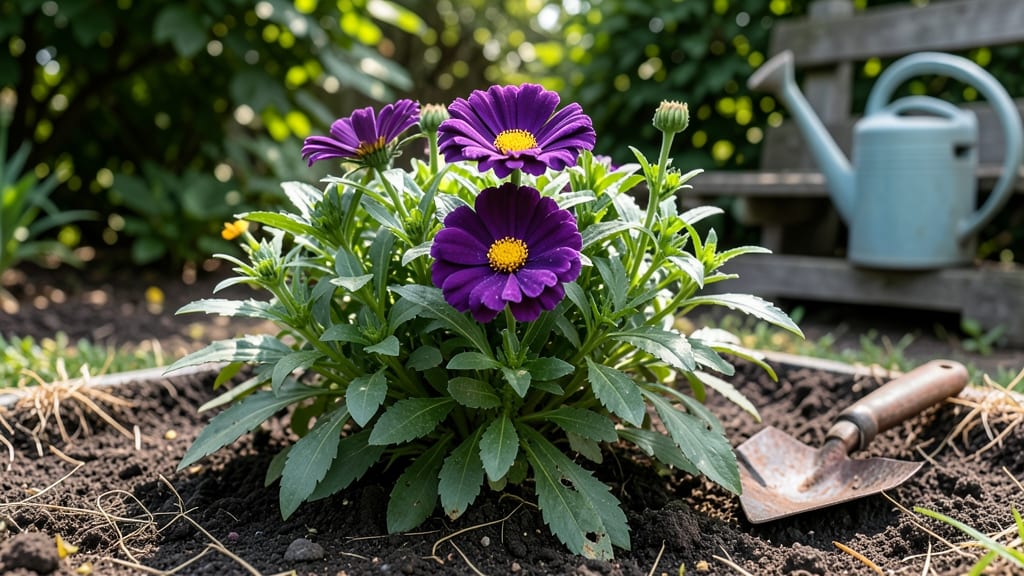
Purple calendula flowers aren't just pretty—they're edible, medicinal, and shockingly easy to grow from seed. 🌸 I've cultivated these vibrant blooms for years, and they've become my go-to for healing salves, vibrant salads, and pollinator-friendly borders.
The key to success starts with the right soil mix and sunlight balance, which I'll break down so you can grow them just as effortlessly.
These cheerful annuals thrive in well-draining soil with a pH between 6.0 and 7.0, and they love full sun to partial shade. Plant seeds about ¼ inch deep, spacing them 12-18 inches apart, and keep the soil consistently moist but never soggy.
Purple calendula handles cool weather better than many flowers, making it perfect for early spring or fall plantings in most climates—though it won't survive harsh winters.
By midseason, you'll be harvesting bright blossoms that stay fresh for days in vases or salads. The petals pack anti-inflammatory properties and add a peppery flavor to dishes, while the plants themselves resist most pests and diseases. Even my black thumb can't kill these hardy beauties once they get established.
Whether you're growing for culinary uses, natural remedies, or just vibrant color, purple calendula delivers year after year. The best part? You'll have fresh blooms ready to harvest within just 6-8 weeks from seed. Let's get those seeds in the ground!
📚 In This Guide
- What you need
- Instructions
- Tips and common mistakes
- Wrapping up and next steps
What you need
- ● Seeds: 1 pack of Calendula officinalis seeds (purple or mixed colors). Look for organic, non-GMO seeds for best results.
- ● Growing Medium: Well-draining potting soil (10-20 lbs, depending on container size).
- ● Garden soil (if planting outdoors, enrich with compost).
- ○ Perlite or vermiculite (1-2 cups, optional for improving drainage).
- ● Containers or Garden Space: Containers: 6-inch pots (minimum) or larger (12+ inches for multiple plants). Ensure pots have drainage holes.
- ● Garden beds: Full sun exposure (6+ hours daily) and loose, fertile soil.
- ● Fertilizer: Balanced organic fertilizer (e.g., 5-5-5 or 10-10-10, 1 tbsp per plant).
- ○ Compost or worm castings (1 cup per plant, optional for nutrient boost).
- ● Watering Supplies: Watering can or hose with a gentle spray nozzle.
- ○ Drip irrigation system (optional, for consistent moisture).
- ● Tools: Garden trowel or small shovel.
- ● Pruning shears (for harvesting or deadheading).
- ○ Glove (optional, to protect hands from soil).
- ● Seedling trays (if starting indoors, 72-cell trays work well).
- ● Grow lights (if germinating indoors before last frost).
- ● Mulch (straw or shredded leaves to retain moisture).
- ● Pest control: Neem oil (for aphids or powdery mildew) or companion plants like marigolds.
- ● Harvesting containers: Mesh bags or paper envelopes (to dry flowers for tea or salves).
Step-by-step guide to growing purple calendula flowers
Here's how to cultivate these vibrant, edible blooms with minimal fuss.
🌱 Step 1: Choose the Perfect Planting Location
Calendula thrives in full sun to partial shade—aim for at least 6 hours of direct sunlight daily. I always pick a spot with well-draining soil because calendula hates soggy roots. If your soil feels heavy or compacted, mix in 2 inches of compost before planting to improve drainage and nutrient availability.
For containers, use pots with drainage holes and fill them with a mix of potting soil and perlite (half and half). Purple calendula grows best in well-draining, slightly sandy soil with a pH between 6.0 and 7.5. If your soil is too acidic, add a handful of lime to adjust the pH before planting.
🌱 Step 2: Start Seeds or Transplant Seedlings
You can sow seeds directly in the garden 4-6 weeks before the last frost date or start them indoors 2-3 weeks earlier for a head start. Plant seeds ¼ inch deep and space them 12-18 inches apart—they’ll spread as they grow. If using seedlings, transplant them after the soil warms to at least 50°F to avoid shock.
Water gently after planting to settle the soil around the seeds or roots. Keep the soil consistently moist but not waterlogged until germination, which typically takes 7-14 days. Once seedlings emerge, thin them to the strongest 6-8 inches apart to give each plant room to flourish.
☀️ Step 3: Provide Consistent Care for Healthy Growth
Calendula is drought-tolerant once established, but young plants need 1 inch of water per week to prevent wilting. Water at the base of the plant in the morning to reduce fungal risks. Avoid wetting the leaves, as this can lead to powdery mildew—a common issue with calendula.
Feed your plants with a balanced liquid fertilizer (10-10-10) every 4-6 weeks during the growing season. You’ll notice lush, vibrant foliage and abundant blooms when the plants are well-fed. Deadhead spent flowers regularly to encourage more blooms and prevent self-seeding if you don’t want volunteers popping up everywhere.
✂️ Step 4: Harvest and Enjoy the Blooms
Harvest calendula flowers when the petals are fully open but before they turn brown. Cut stems early in the morning when moisture levels are highest—this ensures the longest vase life. Use clean, sharp scissors to snip just above a leaf node to encourage bushier growth.
Dried calendula petals make beautiful potpourri, while fresh or dried flowers can be used in teas, salves, or culinary dishes. For medicinal uses, harvest the petals and dry them in a dark, well-ventilated space. Store them in an airtight container away from direct sunlight to preserve their healing properties.
Tips & tricks for perfect purple calendula flowers
Real talk: Growing these stunning purple blooms isn't rocket science, but a few small tweaks make all the difference between pretty plants and showstopping gardens.
Sunlight Strategy: While calendula loves that 6 hours of sunlight, I've found they actually reward you more when they get a bit more—up to 8 hours if possible. The deeper purple hues develop best with maximum sun exposure, especially in cooler climates. If you're in a hot region, provide afternoon shade to prevent stress during peak heat.
Soil Science: That 2 inches of compost recommendation is non-negotiable for me. I've learned the hard way that calendula roots rot quickly in heavy clay soil. For containers, I mix in an extra handful of perlite to ensure that perfect drainage. And here's what nobody tells you—test your soil pH before planting. I've seen calendula struggle in soil that tested at 5.5 when it needed to be closer to 7.0.
Timing is Everything: The 7-14 day germination window can feel like forever, but patience pays off. I've found that covering newly planted seeds with a thin layer of vermiculite keeps moisture consistent and speeds up germination by about 3 days. Once those seedlings appear, resist the urge to water from above—direct water on leaves invites powdery mildew, and calendula is particularly susceptible.
Harvesting Hack: When you're ready to harvest those gorgeous purple blooms, do it on a dry morning after the dew has evaporated. I've discovered that flowers harvested this way last twice as long in arrangements. For medicinal uses, harvest petals when they're fully open but still vibrant—this is when their healing properties are at their peak.
Pro Tips for Purple Calendula Flower
- Real talk: Growing these stunning purple blooms isn't rocket science, but a few small tweaks make all the difference between pretty plants and showstopping gardens.
- Sunlight Strategy: While calendula loves that 6 hours of sunlight, I've found they actually reward you more when they get a bit more—up to 8 hours if possible.
- Soil Science: That 2 inches of compost recommendation is non-negotiable for me.
Frequently asked questions
Got questions about growing or using purple calendula flowers? You’re not alone! Here are answers to some of the most common queries—from planting tips to harvest hacks.
When is the best time to plant calendula seeds?
Calendula thrives in warm soil—aim to plant seeds 2–3 weeks after your last frost date (when soil temps hit 55–60°F). For cooler climates, start indoors 6–8 weeks before transplanting. They’re frost-sensitive but can handle light chills (25°F) if mature.
How often should I water calendula flowers?
Keep soil consistently moist but not soggy, especially during germination and flowering. Water at the base (not leaves) to prevent fungal issues. Once established, calendula is drought-tolerant—water 1–2 times per week unless your area is extremely hot or dry.
Can I harvest calendula petals while the flowers are still blooming?
Yes! Harvest fully open blooms in the morning for peak potency. Gently twist or snip petals (leave the center intact to encourage more flowers). Never harvest wilted or closed buds—they’ll be bitter and less effective for remedies or culinary uses.
What can I do with calendula if it bolts or stops flowering?
Don’t toss it! Cut back leggy stems to encourage bushier growth, or let it self-seed for next year. You can also harvest leaves and stems for tea (mildly bitter) or compost. Overripe plants may attract pests, so pull and replace if they’re past their prime.
Are purple calendula petals safe to eat raw?
Their mild peppery flavor works beautifully in salads, garnishes, or infused oils. Start with small amounts if you’re sensitive to marigold-family plants. Avoid if you’re allergic to Asteraceae (e.g., ragweed)—patch-test first.
Still curious? Drop your questions below—we’re happy to help your calendula garden thrive!
Wrapping up and next steps
The purple calendula flower isn’t just a stunning addition to your garden—it’s a versatile powerhouse with edible, medicinal, and ornamental magic! Whether you’re drawn to its vibrant blooms, healing properties, or culinary potential, growing calendula is a rewarding journey for gardeners of all levels. 🌸
Now that you’re equipped with the know-how, why not plant a few seeds this season? Start small—maybe a sunny windowsill or a cozy garden bed—and watch your purple calendula thrive.
Share your harvest with friends, brew a soothing tea, or simply enjoy the beauty it brings to your space. Happy growing! 🌱✨