
Flowers
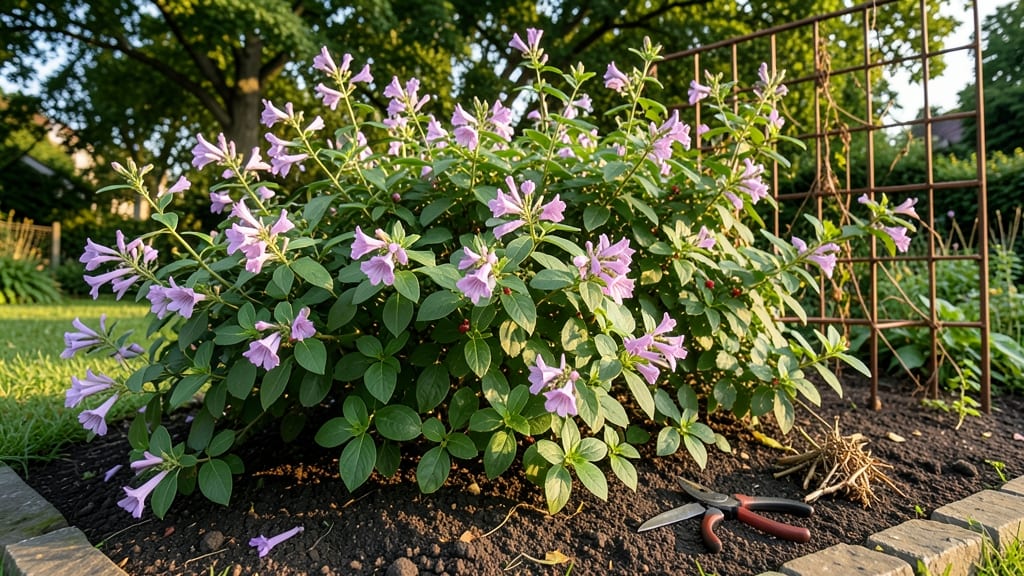
The intoxicating purple honeysuckle flower transforms any Pacific Northwest garden into a fragrant, hummingbird magnet—this frost-hardy climber thrives where many plants struggle. My first vine took hold in a shady corner where nothing else would grow, and now it's the star of my yard.
The secret to success lies in its adaptability. Plant it where it gets morning sun and afternoon shade, in well-draining soil that's not too rich. Water it consistently the first year to help roots establish, then let nature take over—it's surprisingly drought-tolerant once settled.
Purple honeysuckle blooms from late spring to summer, with flowers that attract pollinators while repelling deer.
By mid-summer, you'll have a vibrant display of trumpet-shaped blooms that perfume the air and provide nectar for hummingbirds. The glossy green leaves add year-round interest, and with proper pruning, it stays compact and manageable. This plant gives back more than it asks for—beauty, wildlife support, and minimal maintenance.
Just be mindful of its vigorous growth—it can spread quickly in ideal conditions. In the PNW's mild climate, it rarely needs winter protection, making it one of the most reliable choices for climbers.
Whether you train it on a trellis or let it scramble over a fence, this plant delivers effortless charm with stunning results.
📚 In This Guide
- What you need
- Instructions
- Tips and common mistakes
- Wrapping up and next steps
What you need
- ● Purple honeysuckle plants: 1-3 Lonicera periclymenum or Lonicera x heckrottii (frost-hardy varieties for PNW zones 4-8)
- ● Option: Seeds (slower to establish; may take 2+ years to bloom)
- ● Soil & amendments: Well-draining loamy soil (amend with compost if clay-heavy)
- ● 1-2 gallons organic compost or aged manure per planting hole
- ● 1 tbsp balanced fertilizer (10-10-10) or rose/flower-specific fertilizer
- ● Planting tools: 1 garden trowel or spading fork
- ● 1 pruning shears (for trimming roots or established vines)
- ● 1 measuring tape (to mark 3–6 ft spacing for mature vines)
- ● Support structures: 1 trellis, arbor, or fence (4–10 ft tall; honeysuckle climbs aggressively!)
- ○ Optional: twine or soft ties to guide young vines
- ● 5-gallon watering can or hose with gentle nozzle
- ● Mulch: 2–3 inches wood chips or straw (retains moisture, suppresses weeds)
- ● Seasonal care: 1 pruning saw (for heavy trimming in late winter)
- ● 1 pair of gardening gloves (honeysuckle thorns are sharp!)
- ● Frost protection: Burlap or frost cloth (for young plants in zones 4–5)
- ● 1 thermometer (to monitor overnight temps below 20°F)
- ● Rain prep: 1 drainage pipe or swale (if planting on slopes to prevent erosion)
How to establish purple honeysuckle in the Pacific Northwest
This hardy climber thrives in the region's cool, damp climate—here's how to set it up for years of fragrant blooms.
🌱 Step 1: Select and Prepare the Planting Site
Purple honeysuckle (Lonicera periclymenum) performs best in partial shade to full sun with 6+ hours of morning light—critical for preventing leaf scorch in hot afternoons. In the Pacific Northwest, choose a location near a trellis, fence, or arbor where it can climb to 15-20 feet without competition. The soil should drain well but retain moisture; honeysuckle roots appreciate 6 inches of organic matter worked into native soil.
Test your site's drainage by digging a 12-inch deep hole and filling it with water. If it drains in less than 30 minutes, the spot is ideal. If water pools after an hour, amend the soil with 2 inches of coarse sand mixed into the top 12 inches of soil. Avoid low-lying areas where winter waterlogging can damage roots.
🪴 Step 2: Plant at the Right Time and Depth
Plant bare-root honeysuckle in early spring (March-April) or early fall (September-October) when soil temperatures hover around 50-60°F. Soak the roots in lukewarm water for 2-3 hours before planting to revive dormant tissue. Dig a hole twice as wide as the root ball but only as deep—the top of the root ball should sit 1 inch above ground level to prevent rot.
Position the plant so the strongest stems face the trellis or support structure. Spread roots gently into the hole, ensuring they fan out naturally. Backfill with native soil, tamping lightly every 2 inches to eliminate air pockets. Water deeply until the soil 12 inches down is thoroughly moist. Mulch with 3 inches of shredded bark to conserve moisture and regulate soil temperature.
☀️ Step 3: Provide Support and Prune for Structure
Install a 5-6 foot tall trellis or use an existing fence within 3-4 weeks of planting to encourage upward growth. Honeysuckle vines twine naturally but benefit from light twine or soft ties to guide them initially. Avoid metal supports, which can heat up and burn tender new growth in summer.
Prune in late winter (February) to shape the plant and remove dead, crossing, or weak stems. Cut back one-third of the oldest wood each year to stimulate new growth. Never prune after mid-August, as new shoots won’t harden off before frost. You’ll see fragrant purple blooms by late spring, followed by red berries that attract birds—both signs of a healthy plant.
💧 Step 4: Water and Fertilize for Pacific Northwest Conditions
Water deeply once a week during the first growing season to establish roots, aiming for 1-2 gallons per plant. After establishment, honeysuckle tolerates drought once established but blooms more prolifically with consistent moisture. Check soil 2 inches down—water when it feels dry but not powdery. Overwatering in winter can rot roots, so reduce frequency to every 3-4 weeks in rainy seasons.
Apply a balanced 10-10-10 fertilizer in early spring (March) at ½ the recommended rate to avoid burning roots. Skip fertilizer in fall and winter—honeysuckle relies on stored nutrients. If leaves yellow in spring, a chelated iron supplement may address micronutrient deficiencies common in Pacific Northwest soils.
✂️ Step 5: Maintain and Protect Through Winter
Remove spent blooms after flowering to encourage a second flush of flowers in late summer. This light pruning also prevents seed formation, which diverts energy from vine growth. Watch for aphids or spider mites on new growth—spray with neem oil if infestations appear, focusing on the undersides of leaves.
In late fall, apply 4 inches of mulch around the base to insulate roots from freeze-thaw cycles. Pacific Northwest winters can drop to 20°F, but honeysuckle handles it well if roots stay dry. Avoid heavy pruning in winter—wait until early spring to assess damage. Healthy vines will push out new growth by May, signaling successful overwintering.
Tips & tricks for perfect purple honeysuckle establishment
Here’s how to maximize your honeysuckle’s success in the Pacific Northwest’s unique climate—details that make all the difference.
Soil Preparation Secret: The drainage test in Step 1 is non-negotiable. In the Pacific Northwest’s rainy season, poor drainage is the #1 reason honeysuckle fails. If your site doesn’t pass the 30-minute test, mix in 2 inches of coarse sand into the top 12 inches of soil—but don’t overdo it. Too much sand creates a desert-like environment that roots can’t anchor in. Think of it as creating a sponge-like texture that holds moisture without suffocating roots.
Timing is Everything: Planting in early spring (March-April) or early fall (September-October) gives roots time to establish before extreme temperatures. But here’s what nobody tells you—if you’re in a cooler microclimate (like the Olympic Peninsula), push planting to late April to avoid spring frosts that can damage tender new growth. The 50-60°F soil temperature guideline is your golden window; use a soil thermometer if you’re unsure.
Support System Strategy: Installing that 5-6 foot trellis within 3-4 weeks of planting isn’t just about aesthetics—it’s about training the vine’s growth habit. Honeysuckle vines naturally twine clockwise, so position the strongest stems on the left side of the trellis when planting. This creates a natural spiral pattern that’s both functional and beautiful. Avoid metal supports—they can reach 120°F in summer sun, burning delicate new shoots.
Pruning Precision: When you cut back one-third of the oldest wood in late winter, target stems that are thicker than a pencil. These are the energy vampires of your plant—they produce fewer flowers and weaker growth. The mid-August cutoff for pruning is critical because new shoots need 6 weeks to harden off before frost. If you prune after this date, those tender tips will turn to mush in winter.
Pro Tips for Purple Honeysuckle Flower
- Here’s how to maximize your honeysuckle’s success in the Pacific Northwest’s unique climate—details that make all the difference.
- Soil Preparation Secret: The drainage test in Step 1 is non-negotiable.
- Timing is Everything: Planting in early spring (March-April) or early fall (September-October) gives roots time to establish before extreme temperatures.
Frequently asked questions
Got questions about growing purple honeysuckle?
You’re not alone! Here are the most common queries from gardeners in the Pacific Northwest and beyond—plus quick, actionable answers to help you cultivate this stunning frost-hardy beauty with confidence.
When is the best time to plant purple honeysuckle in the PNW?
Plant your Lonicera periclymenum in early spring (March–April) or early fall (September–October). This gives roots time to establish before summer heat or winter frost. Avoid planting in late summer—young plants may struggle with drought or early cold snaps.
How cold can purple honeysuckle tolerate?
This hardy climber thrives in USDA Zones 4–8, surviving temperatures as low as -30°F (-34°C). In the PNW, it handles coastal fog, mountain chill, and even light snow—just ensure it’s planted in well-draining soil to prevent root rot.
What’s the fastest way to encourage blooms?
For bigger, more frequent flowers, prune after blooming (late summer) to remove old wood and shape the vine. Feed with a balanced fertilizer (10-10-10) in early spring, and ensure it gets 6+ hours of sunlight. Overwatering can reduce blooms, so let soil dry slightly between waterings.
Is purple honeysuckle invasive?
While not as aggressive as native honeysuckles (like Lonicera japonica), it can spread via suckers in ideal conditions. To control it, prune vigorously in early spring and monitor for unwanted shoots. Choose non-invasive cultivars like ‘Graham Thomas’ if your garden is small.
What can I plant alongside purple honeysuckle?
Pair it with companion plants that love partial shade and moisture:
- Ferns (e.g., Matteuccia struthiopteris) for texture
- Hostas (e.g., Hosta ‘Francee’) for contrast
- Bleeding heart (Dicentra spectabilis)
- Hydrangeas (e.g., Hydrangea macrophylla) for color
Why aren’t my leaves staying green?
Yellowing or wilting leaves often signal overwatering or fungal issues (like powdery mildew). Improve airflow by pruning dense growth and water at the base (not overhead). If spots appear, treat with neem oil or copper fungicide.
Wrapping up and next steps
The purple honeysuckle flower isn’t just a stunning addition to your Pacific Northwest garden—it’s a resilient, low-maintenance powerhouse that thrives in frost and attracts pollinators. Whether you’re drawn to its vibrant blooms, fragrant charm, or ecological benefits, this hardy climber delivers year after year with minimal effort. 🌿
Ready to bring this beauty to life? Start by gathering your supplies, choosing the perfect spot, and planting with confidence—your garden (and local wildlife!) will thank you. Happy growing! 🌸