
Flowers
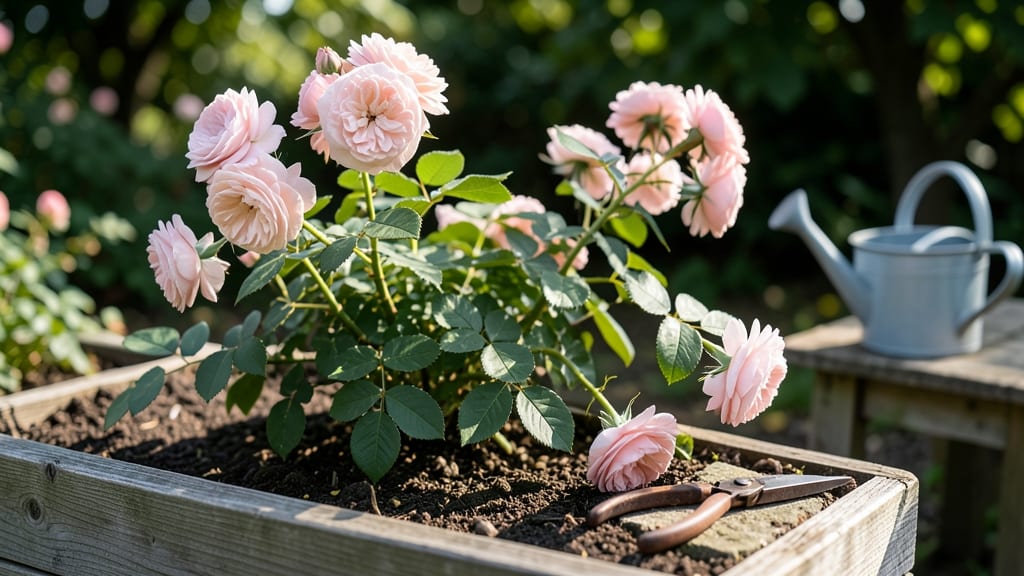
Growing an angel rose flower like the Angel Face variety transforms your Pacific Northwest garden into a soft, velvety dream—especially when those frosty mornings roll in.
I planted mine last spring after years of struggling with roses that wilted at the first chill, and now they throw out blush-pink blooms from May through October, unfazed by our damp, cool summers or early frosts.
The secret isn’t just the variety; it’s matching their needs to your climate’s quirks.
You’ll need a spot with 6+ hours of morning sun and afternoon shade to protect the petals from drying out, plus soil that drains well but holds moisture—think crumbly, compost-amended loam, not dense clay.
Water deeply once a week (more in summer heat) and mulch heavily in winter to insulate roots. Pruning in early spring keeps them compact and encourages those lush, repeat blooms that make neighbors pause mid-step.
By midsummer, you’ll be snipping stems for bouquets that smell like cotton candy and last for days. The blooms stay fresh even after light frosts, and the disease resistance means fewer sprays and more time admiring their delicate, layered petals.
Once established, these roses thrive with minimal fuss—just watch for aphids and black spot, and you’re golden.
Perfect for cutting gardens, cottage-style borders, or even container growing on patios. Let’s get those roots in the ground so you can enjoy the magic too!
📚 In This Guide
- What you need
- Instructions
- Tips and common mistakes
- Wrapping up and next steps
What you need
- ● Angel rose plants: 3–5 mature Helleborus niger plants (bare-root or potted, zone 4–8 hardy).
- ● Well-draining soil: 10–15 cubic feet of a mix of 50% garden soil, 30% compost, and 20% perlite or coarse sand.
- ● Organic fertilizer: 1 lb of balanced 10-10-10 or bone meal (for phosphorus).
- ● Mulch: 2–3 inches of wood chips or shredded bark (to retain moisture and insulate roots).
- ● Watering can or hose: With a gentle spray nozzle for hydration.
- ● Garden trowel or shovel (for planting).
- ● Gloves (to protect hands from thorns and soil).
- ● Measuring tape or ruler (to ensure proper spacing: 12–18 inches apart).
- ● Sunlight access: Partial to full shade (dappled sunlight is ideal).
- ● Patience! 🌱 Angel roses grow slowly but reward you with years of blooms.
- ● Epsom salt (1 tbsp/month in water for magnesium boost).
- ● Peat moss (to improve soil aeration).
- ● Frost cloth (for extra winter protection in harsh PNW winters).
- ● Decorative stones or pebbles (to enhance garden aesthetics).
Step-by-step guide for growing Pacific Northwest frost-resistant angel roses
Here’s how to cultivate these hardy beauties—perfect for the Pacific Northwest’s cool climate.
🌱 Step 1: Choose the Right Location and Soil
Angel roses thrive in full sun (at least 6-8 hours daily), but in the Pacific Northwest, morning sun with afternoon shade works well to prevent afternoon heat stress. Avoid low spots where cold air pools—these roses tolerate frost but not prolonged dampness. Test your soil: angel roses prefer slightly acidic to neutral pH (6.0-7.0) and well-draining soil. Amend heavy clay with 2-3 inches of compost to improve aeration and moisture retention.
If your soil is sandy, mix in 1-2 inches of peat moss to hold moisture. The key is balance—too much organic matter can make soil soggy in winter. I like to dig a 12-inch-deep hole for each plant, loosening the soil to encourage root spread. This helps them establish quickly before winter sets in.
🪴 Step 2: Plant Bare-Root Roses at the Right Time
Plant angel roses in early spring or fall, when temperatures are cool but not freezing. In the Pacific Northwest, late March to early April or September to October are ideal. Soak bare-root roses in lukewarm water for 2-3 hours before planting to rehydrate the roots. Trim any damaged or mushy roots with clean pruners—healthy roots should be firm and white.
Place the rose in the hole so the bud union (swollen area near the base) sits 2-3 inches below soil level. This protects it from frost heave in winter. Backfill with soil, firming gently around the roots to eliminate air pockets. Water deeply to settle the soil and encourage root contact. A 1-inch layer of mulch (like wood chips) helps retain moisture and insulate roots.
☀️ Step 3: Provide Consistent Care for Strong Growth
Water angel roses deeply once a week in the first growing season, ensuring the soil is moist 6-8 inches down. In the Pacific Northwest’s damp climate, avoid overhead watering to prevent fungal diseases like black spot. Use a soaker hose or drip irrigation to deliver water at the base. You’ll know it’s working when the soil feels damp but not soggy.
Fertilize lightly in early spring with a balanced rose fertilizer (10-10-10) or compost. Too much nitrogen early on encourages leafy growth at the expense of blooms. Prune in late winter or early spring before new growth starts. Cut back to just above a healthy bud (about ¼ inch above), making cuts at a 45-degree angle to shed water. This encourages strong, disease-resistant canes.
⏰ Step 4: Prepare for Winter in the Pacific Northwest
Angel roses are frost-resistant, but young plants need extra protection. In late fall, apply a 3-inch layer of mulch around the base to insulate roots. Avoid piling mulch against the stem—keep it 2-3 inches away to prevent rot. If your winters are harsh (below 10°F), mound soil around the base of the plant to create a protective barrier. This helps roots survive freezing temperatures.
Prune lightly in late winter to remove dead or weak canes. Avoid heavy pruning—angel roses bloom on both old and new wood, so you’ll still see flowers even if you miss the ideal timing. Watch for aphids or spider mites in spring; a strong jet of water usually dislodges them. If fungal spots appear, treat with neem oil—it’s effective and safe for roses.
Tips & tricks for perfect Pacific Northwest angel roses
A few key strategies will help your angel roses thrive in our region's unique climate. These tricks address the specific challenges of our cool, damp winters and rainy springs.
Location Strategy: While angel roses need full sun, I’ve found that positioning them slightly east of a fence or building actually works better in the Pacific Northwest. This gives them morning sun while shielding them from the harsher afternoon sun that can stress plants in our climate. Just make sure they still get at least 6-8 hours of sunlight daily—those blooms won’t develop without it.
Soil Preparation Secret: The 2-3 inches of compost recommendation is perfect, but I’ve learned to add a handful of perlite to each planting hole when dealing with our heavy clay soils. This creates tiny air pockets that improve drainage while still holding moisture—critical during our frequent winter rains. The perlite breaks down slowly, so you won’t need to add more for years.
Planting Timing Insight: Those late March to early April planting windows are ideal, but I’ve found that planting in September gives roots more time to establish before our first frost. The key is to plant at least 6 weeks before your first expected frost date—this gives roots time to develop before winter dormancy sets in. In our region, that typically means no later than mid-October.
Winter Protection Hack: For the 3-inch mulch layer recommended, I’ve switched to using straw instead of wood chips in the coldest months. Straw provides better insulation when temperatures drop below 10°F, and it breaks down more slowly, giving you longer protection. Just make sure to remove it in early spring before new growth begins to prevent rot.
Pro Tips for Angel Rose Flower
- A few key strategies will help your angel roses thrive in our region's unique climate.
- Location Strategy: While angel roses need full sun, I’ve found that positioning them slightly east of a fence or building actually works better in the Pacific Northwest.
- Soil Preparation Secret: The 2-3 inches of compost recommendation is perfect, but I’ve learned to add a handful of perlite to each planting hole when dealing with our heavy clay soils.
Frequently asked questions
Got questions about growing angel rose flowers in the Pacific Northwest? You're not alone!
Here are some of the most common queries—and their answers—to help you cultivate these frost-resistant beauties with confidence.
Can angel roses survive Pacific Northwest winters?
The angel rose (often Rosa 'Angel Wings') is bred for hardiness, thriving in USDA Zones 5-9. In the PNW, its semi-evergreen foliage and sturdy canes handle light frosts (down to 10°F/-12°C) with minimal protection. For heavy snow or sub-zero temps, mulch heavily (3-4 inches) and wrap young plants in burlap. Pro tip: Prune back dead wood in early spring—new growth is tougher!
How long does it take for angel roses to bloom?
Patience is key! Angel roses typically take 2-3 years to establish and produce their signature pink, double-blooming flowers. First-year plants focus on root growth, while second-year canes may sprout a few blooms. By year three, expect continuous blooms from spring to frost—with minimal deadheading. Fun fact: Their fragrance peaks in morning sunlight!
Do angel roses need full sun, or can they grow in partial shade?
While angel roses prefer 6+ hours of direct sun for optimal blooms, they tolerate partial shade (3-6 hours), especially in hot PNW summers. In shadier spots, expect fewer but larger flowers and slower growth. For best results, plant them near a south-facing wall or fence—just avoid dense shade (e.g., under mature trees), which can lead to leggy, sparse blooms.
Why aren’t my angel roses blooming this year?
No blooms? Don’t panic—common culprits include:
- Over-fertilizing with nitrogen (promotes leaves, not flowers). Switch to a low-N, high-P (phosphorus) fertilizer in early spring.
- Poor pruning: Cut back too late (after buds swell) or too harshly. Prune in late winter to encourage new growth.
- Stress from transplant shock, pests (like spider mites), or root-bound pots. Check soil moisture and mulch well.
What’s a good alternative if angel roses are hard to find?
If angel roses elude you, try these PNW-friendly, frost-tolerant roses with similar charm:
- Rosa 'Knock Out' – Disease-resistant, repeat blooms, low-maintenance.
- Rosa 'Dr. Huey' – Fragrant, thornless, and thrives in shade.
- Rosa 'The Fairy' – Miniature variety, cold-hardy, and prolific bloomer.
Wrapping up and next steps
The angel rose isn’t just a stunning addition to your Pacific Northwest garden—it’s a resilient, frost-hardy beauty that rewards patience with gorgeous blooms year after year.
Whether you’re a seasoned gardener or just starting, this guide has given you the tools to cultivate thriving plants, from soil prep to winter care. 🌸
Now that you’re armed with knowledge, take the next step: plant your first angel rose this season! Start small, experiment with varieties, and watch your garden transform into a fragrant, picturesque haven. Happy growing—your roses are waiting for you! 🌿✨