Flowers
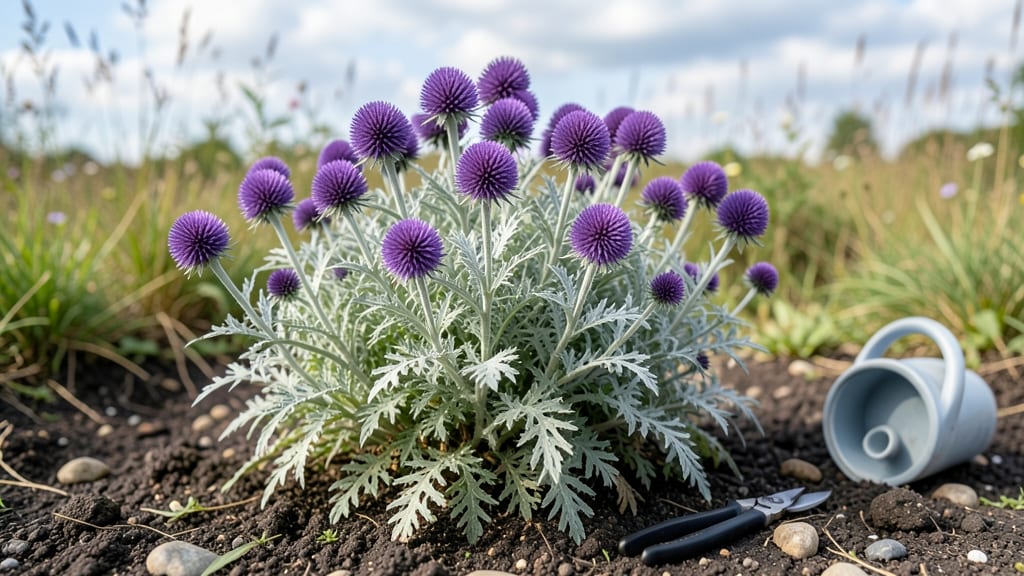
Growing purple pincushion flowers (Scabiosa atropurpurea) in your Pacific Northwest garden means adding bold, velvety blooms that last from summer through fall—and often into winter with a little protection. 🌿 I fell in love with these plants after seeing how they thrived in my Zone 7 garden without fuss, their deep purple pom-pom flowers standing out against silver foliage like tiny bursts of magic.
These hardy perennials do best in well-draining soil with full sun to partial shade, making them perfect for the PNW's mix of wet winters and dry summers.
They're drought-tolerant once established, so they won't demand constant watering, and their airy growth habit fits beautifully in borders, cottage gardens, or even containers. The secret to their long bloom time? A little deadheading and proper spacing from the start.
You'll end up with a nearly maintenance-free plant that attracts pollinators all season long—bees adore the nectar-rich flowers, and butterflies can't resist the silver foliage. The flowers dry beautifully for arrangements too, so you get color year-round whether they're fresh in the garden or preserved indoors.
Once they're settled in, they'll spread gently, filling gaps naturally.
Whether you're planting them in a sunny border, along a path, or in a mixed perennial bed, purple pincushions bring textural contrast that elevates any garden. Let's get them growing—your PNW garden will thank you for the easy, long-lasting color.
📚 In This Guide
- What you need
- Instructions
- Tips and common mistakes
- Wrapping up and next steps
What you need
- ● Purple pincushion flower seeds or nursery-grown plants: Seeds: 1–2 packets (50–100 seeds per packet) for a small garden bed.
- ● Plants: 3–5 mature plants (4–6 inches tall) for quick color.
- ● Well-draining potting mix or garden soil: 1 cubic yard for in-ground planting (amend with compost if soil is heavy).
- ● 1–2 gallons of premium potting mix for container gardening.
- ○ Organic compost or slow-release fertilizer: 5–10 lbs for enriching soil (optional but recommended for nutrient-poor NW soil).
- ● Mulch (cedar chips or straw): 2–3 inches to retain moisture and suppress weeds.
- ● Garden tools: Trowel or hand shovel (for transplanting).
- ● Pruners (sterilized) for trimming dead blooms.
- ○ Gloves (optional, to protect hands from prickly stems).
- ● Containers (if growing in pots): 5–7 gallon pots with drainage holes (1 pot per plant).
- ● Watering can or hose with gentle spray nozzle.
- ● Sunlight access: Full sun to partial shade (6+ hours of sunlight daily for best blooms).
- ● USDA Zone 7–9 hardiness (PNW-friendly!): Purple pincushions thrive in mild climates.
- ● Epsom salt (1 tbsp/month) for magnesium boosts.
- ● Drip irrigation system for consistent moisture.
- ● Stakes or cages (if stems need support in windy PNW areas).
- ● Slow-release granular fertilizer (like 10-10-10) for a nutrient kick.
Step-by-Step instructions for planting and cultivating purple pincushion flowers
Here's how to establish these hardy perennials for vibrant, low-maintenance blooms all season.
🌱 Step 1: Choose the Perfect Pacific Northwest Site
Purple pincushions thrive in well-drained soil with partial shade to full sun—ideal for Pacific Northwest gardens where afternoon shade protects blooms from intense summer light. I always scout locations with morning sun exposure first, as this prevents the fuzzy flower heads from scorching. Look for spots with 6+ hours of indirect light near trees or structures that provide afternoon relief.
Test your soil by squeezing a handful—if it forms a tight ball, amend with 2-3 inches of compost to improve drainage. These plants despise soggy roots, so raised beds or slopes work beautifully in rainy climates. I mark potential spots with flags during the growing season to observe light patterns before planting.
🪴 Step 2: Prepare Soil and Plant Bare-Root Crowns
Dig holes twice as wide as the root ball but only as deep as the crown—planting too deep suffocates the base. I mix 1 part native soil with 1 part compost and a handful of perlite to prevent compaction. The root system should spread freely without bending.
Space plants 18-24 inches apart—closer spacing creates dense foliage but may reduce air circulation, increasing mildew risk. Water the hole thoroughly before placing the crown, then backfill with native soil mix. Press gently around the base to eliminate air pockets, but don't compact.
☀️ Step 3: Establish Watering Routine for First Season
Water deeply 2-3 times per week for the first 6-8 weeks until roots establish—you'll know it's working when new growth appears within 3-4 weeks. I use a soaker hose to deliver moisture directly to the root zone without wetting foliage, which prevents fungal issues.
After establishment, reduce to once weekly during dry spells, checking soil 2 inches deep—if it feels dry, water again. Mulch with 2 inches of wood chips to retain moisture and regulate temperature. These plants are drought-tolerant once established, but young roots need consistent hydration.
✂️ Step 4: Prune for Year-Round Blooms and Health
Deadhead spent blooms in early fall to encourage a second flush of flowers, but leave some seed heads for winter interest. I trim back one-third of the oldest stems each spring to stimulate fresh growth. This prevents the plant from becoming leggy while maintaining its signature rounded shape.
In late winter, cut back all stems to 6 inches—this rejuvenates the plant and prepares it for the next growing season. The new growth emerges vibrant and full, ensuring those signature purple pom-pom blooms appear reliably. Avoid heavy pruning after mid-summer, as it removes next year's flower buds.
Tips & tricks for perfect purple pincushion flower cultivation
Here's what nobody tells you about getting these showy perennials to thrive in Pacific Northwest climates.
Site Selection Strategy: The 6+ hours of indirect light mentioned in Step 1 is non-negotiable for those signature purple blooms. I've found that east-facing locations with morning sun and afternoon shade from evergreens create ideal microclimates. For urban gardens, consider container planting on patios where you can rotate pots to follow the sun's arc throughout the day. This mimics natural light conditions and prevents the fuzzy flower heads from bleaching in intense afternoon sun.
Soil Preparation Secret: When amending with 2-3 inches of compost as instructed, I always add a handful of coarse sand to the mix for containers or heavy clay soils. This improves drainage without altering the soil's natural structure. The perlite recommendation in Step 2 is perfect for preventing compaction, but I've noticed that adding a thin layer of gravel at the bottom of planting holes further enhances drainage in particularly wet areas. This two-part approach mimics the well-drained conditions these plants prefer in their native habitats.
Watering Wisdom: The 2-3 times weekly watering schedule in Step 3 works beautifully, but I've developed a visual cue system to prevent overwatering. After watering, I press my finger 2 inches deep into the soil—if it feels damp but not soggy, I know the roots are getting just the right amount. For containers, I use the "lift and check" method: if the pot feels light, it's time to water. This simple technique helps prevent the root rot that can plague these plants in our rainy climate.
Pruning Precision: When trimming back one-third of the oldest stems in spring as instructed, I always target the stems that are most woody and less productive. These are typically the ones that appeared in the previous growing season. For the late winter pruning to 6 inches, I make clean cuts just above a set of healthy buds. This encourages strong new growth while maintaining that perfect rounded shape. I've found that using sharp, sterilized pruners prevents disease transmission between plants.
Pro Tips for Purple Pincushion Flower
- Here's what nobody tells you about getting these showy perennials to thrive in Pacific Northwest climates.
- Site Selection Strategy: The 6+ hours of indirect light mentioned in Step 1 is non-negotiable for those signature purple blooms.
- Soil Preparation Secret: When amending with 2-3 inches of compost as instructed, I always add a handful of coarse sand to the mix for containers or heavy clay soils.
Frequently asked questions
Got questions about growing and caring for the stunning purple pincushion flower (Leucosceptrum purpurascens)? Here are some of the most common ones—plus quick answers to help you cultivate this PNW-friendly beauty with confidence!
Is the purple pincushion flower easy to grow for beginners?
The good news is yes! This hardy perennial thrives in the Pacific Northwest’s mild climate and is drought-tolerant once established. Just plant it in well-draining soil with partial shade, and it’ll reward you with year-round blooms. Pro tip: It’s deer-resistant, so you won’t have to worry about hungry critters snacking on your garden!
How long does it take for purple pincushion flowers to bloom after planting?
Patience pays off! If you plant it in spring, expect first blooms in about 6–8 weeks under ideal conditions. Established plants (those already in the ground for a season) may bloom even faster—sometimes as early as 4–6 weeks after new growth appears. Bonus: Once mature, it flowers continuously from spring through fall!
Can purple pincushion flowers handle frost or heavy rain?
This resilient plant is fully winter-hardy in USDA zones 7–9 (perfect for the PNW) and can tolerate light frosts without damage. While it prefers well-draining soil, it also handles occasional heavy rain—just avoid soggy, waterlogged conditions to prevent root rot. Fun fact: Its fuzzy, rounded blooms even shed water like a tiny umbrella!
What are some great companion plants for purple pincushion flowers?
Pair it with PNW-friendly plants like heuchera (coral bells), salvia, ferns, or sword ferns for a lush, layered look. Avoid heavy feeders like petunias, as they compete for nutrients. Design tip: Plant it near shade-loving bulbs like Allium for a pop of color in early spring!
Why aren’t my purple pincushion flowers blooming this year?
No blooms? Don’t panic! Common culprits include too much shade (they need 4–6 hours of sun), over-fertilizing (they prefer lean soil), or not enough water during establishment. Troubleshoot: Trim back leggy stems in early spring to encourage new growth, and ensure it’s in well-draining soil. If pests like aphids are present, hose them off gently—this plant is tough but not pest-proof!
Can I grow purple pincushion flowers in containers?
Yes! While they’re typically grown in the ground, they adapt well to large containers (at least 12–14 inches deep) with drainage holes. Use a lightweight potting mix and repot every 2–3 years to refresh nutrients. Container tip: Place them near a patio or deck where you can enjoy their fragrant blooms up close!
Wrapping up and next steps
The purple pincushion flower is a stunning, low-maintenance perennial that brings vibrant color and texture to your Pacific Northwest garden year-round. With its drought tolerance, pollinator-friendly blooms, and easy care, it’s the perfect choice for both beginners and seasoned gardeners alike. 🌸
Ready to transform your outdoor space? Start by gathering your supplies, choosing the right spot, and following the simple steps outlined above. Before you know it, your garden will be bursting with these cheerful, velvety blooms—just in time for your next gardening adventure!