Flowers
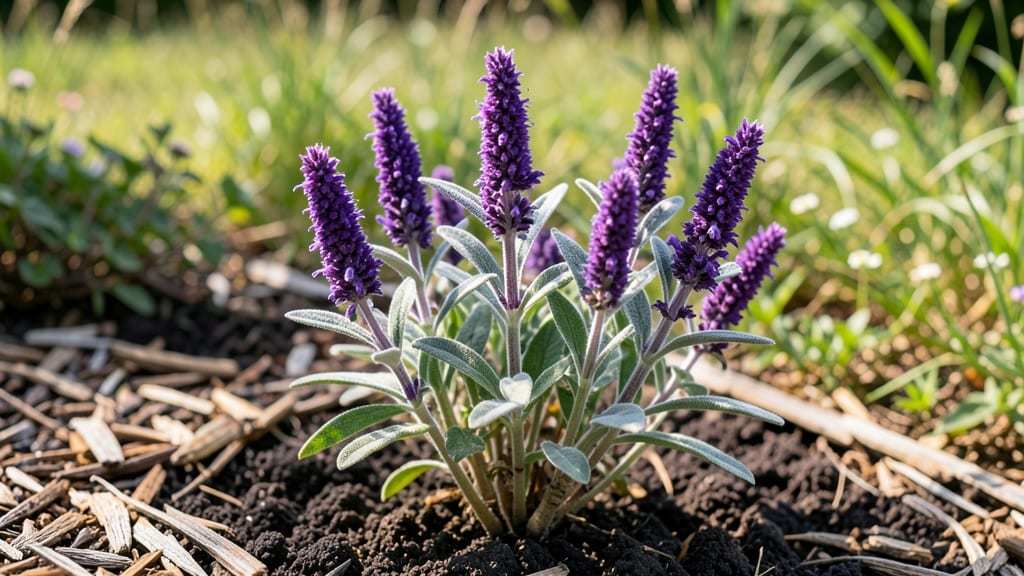
Those purple puffy flowers—like globeflowers, hydrangeas, and alliums—are the secret weapon of cottage gardens, turning borders into dreamy, hummingbird-magnet displays. 🌿 I’ve always loved how they transform a space with their velvety blooms, but it wasn’t until I planted a drift of lavender-blue alliums near my hydrangeas that I saw the real magic: the way they blend into twilight, making the garden glow like a lantern.
The best part? They’re foolproof for borders, containers, or even mixed with perennials. Pair globeflowers with catmint for a foolproof purple-and-silver combo, or tuck alliums into tulip beds for early-season drama.
These flowers thrive in partial shade too, so they’re perfect for spots where other blooms struggle. Plus, their spherical shapes add texture that flat petals never will.
By midsummer, your garden will hum with activity as hummingbirds dart between the blooms, and the scent—sweet, almost spicy—will linger in the air long after sunset. The real payoff?
A border that looks effortless but takes zero effort to maintain. Let’s make your garden the talk of the neighborhood with these midnight-bloom stars.
Works in any style—modern, cottage, or even a wildflower meadow. The key is layering heights and colors for that "wow" factor. Ready to dive in?
📚 In This Guide
- What you need
- Instructions
- Tips and common mistakes
- Wrapping up and next steps
What you need
- ● Purple puffy flowers (e.g., Lobelia erinus, Salvia ‘May Night,’ or Agastache): 6–12 plants (depending on desired fullness; spacing varies by variety).
- ● Pro tip: 💡 Check local nurseries for hummingbird-friendly varieties—they’ll attract pollinators like bees too!
- ● Well-draining potting mix: 2–3 bags (1–2 cubic feet each) for containers or garden beds.
- ● Organic fertilizer (balanced 10-10-10 or slow-release): 1–2 lbs for soil amendment.
- ○ Mulch (optional but recommended): 1 bag of shredded bark or coconut coir to retain moisture.
- ● Gloves (gardening or nitrile): 1 pair (to protect hands from soil and thorns).
- ● Trowel or hand shovel: 1 (for transplanting or digging holes).
- ● Watering can or hose with gentle spray nozzle: 1 (avoid overwatering—these beauties hate soggy roots!).
- ● Pruning shears: 1 pair (for trimming dead blooms to encourage more purple puffs!).
- ● Sunlight access: 6+ hours of direct sun (most varieties thrive in full sun).
- ● Container or garden bed: For containers: 1–3 pots (10–12 inches deep) with drainage holes.
- ● For garden beds: Loose, fertile soil (amend with compost if needed).
- ● Hummingbird feeder: 1 (place near flowers for extra pollinator drama!).
- ● Epsom salt (magnesium sulfate): 1 tbsp per gallon of water (monthly feed for extra-purple blooms).
- ● Decorative stones or pebbles: 1 bag (for a polished container garden look).
- ● Stakes or trellis: 2–4 (if growing tall varieties like Agastache).
Step-by-Step guide to creating a hummingbird-friendly purple flower display
Here's how to craft a vibrant, nectar-rich garden that hummingbirds can't resist.
🌱 Step 1: Select the Right Purple-Blooming Varieties
Focus on tubular-shaped flowers—hummingbirds have long beaks and tongues perfect for accessing deep blooms. My top picks include purple bee balm (Monarda didyma), purple coneflower (Echinacea purpurea), and purple salvia (Salvia nemorosa). These varieties also attract butterflies and bees, creating a lively ecosystem.
Plant 4-6 plants per variety to ensure continuous blooms. Purple flowers like purple sage (Salvia officinalis 'Purpurascens') and purple lupine (Lupinus) thrive in well-drained soil and full sun. Check the USDA hardiness zones for your region—most of these plants handle zones 4-9 with ease.
☀️ Step 2: Position for Maximum Sun and Hummingbird Visibility
Hummingbirds need 6+ hours of direct sunlight daily to fuel their high metabolism. Place your purple blooms in a south- or west-facing spot where they’ll get the most light. I like to position them near shrubs or trees—this gives hummingbirds a place to rest and watch for predators.
Add a small water feature, like a shallow dish with pebbles, nearby. Hummingbirds drink frequently, and the sound of moving water signals a safe feeding area. Avoid placing flowers near strong winds—hummingbirds prefer calm, sheltered spots where they can hover effortlessly.
💧 Step 3: Water and Fertilize for Continuous Blooms
Keep the soil evenly moist but not soggy—purple flowers like purple coneflower and bee balm wilt if underwatered. Water deeply 2-3 times per week until the top 2 inches of soil feel dry. Mulch with 2-3 inches of organic mulch (like shredded bark) to retain moisture and suppress weeds.
Feed with a balanced, water-soluble fertilizer (like 10-10-10) every 4-6 weeks during the growing season. Too much nitrogen makes plants leafy but flower-sparse—hummingbirds need nectar-rich blooms, not foliage. Deadhead spent flowers regularly to encourage longer bloom cycles and keep the display vibrant.
✂️ Step 4: Prune and Maintain for Year-Round Appeal
After the first flush of blooms, trim back 1/3 of the plant’s height to encourage new growth and more flowers. For purple salvia, cut back in early spring to promote bushier, fuller plants. Avoid heavy pruning in late summer—this cuts off the fall blooms hummingbirds rely on before migration.
Watch for aphids or spider mites, which love tender new growth. Spray with neem oil if you spot pests—hummingbirds avoid plants treated with harsh chemicals. In fall, cut back perennials (like purple coneflower) to 4-6 inches tall and cover with 2-3 inches of mulch to protect roots over winter.
🪴 Step 5: Add Perches and Extra Nectar Sources
Hummingbirds love perches—install a few thin branches or bamboo stakes near your flowers. They use these to rest and scout for food. Avoid placing perches too close to feeders or flowers—hummingbirds prefer open spaces where they can spot predators easily.
Supplement with homemade nectar (1 part sugar to 4 parts water, boiled and cooled) in red feeders. Refill every 3-4 days and clean feeders weekly to prevent mold. Purple flowers alone provide nectar, but feeders give hummingbirds an extra energy boost, especially during migration or cold snaps.
Tips & tricks for perfect purple puffy flowers
Creating a hummingbird haven with these vibrant blooms is easier than you think—just focus on these game-changing details.
Plant Placement Precision: When positioning your 4-6 plants per variety in Step 1, space them about 18-24 inches apart to allow airflow and prevent overcrowding. I learned this the hard way after watching my purple bee balm develop powdery mildew from poor circulation. The extra space also lets hummingbirds navigate more easily between blooms, increasing their feeding efficiency.
Soil Science Secret: Before planting, mix 1 part compost into the top 6 inches of native soil—this improves drainage and nutrient availability, which is crucial for those nectar-rich blooms hummingbirds adore. Purple coneflowers especially benefit from this soil amendment, as they thrive in well-drained conditions but still need consistent moisture.
Watering Wisdom: The 2-3 inches of organic mulch mentioned in Step 3 isn't just for moisture retention—it also regulates soil temperature. In hot climates, mulch keeps roots cool, while in cooler regions, it insulates against frost. Water in the early morning to allow foliage to dry before evening, preventing fungal issues that could deter hummingbirds from visiting.
Seasonal Pruning Strategy: For Step 4's fall maintenance, I recommend cutting back perennials like purple coneflower to 4-6 inches tall but leaving the seed heads for winter interest. These dried blooms provide food for birds and visual appeal, while still protecting the roots. In spring, remove old growth completely to make room for fresh, vibrant new shoots.
Pro Tips for Purple Puffy Flowers
- Creating a hummingbird haven with these vibrant blooms is easier than you think—just focus on these game-changing details.
- Plant Placement Precision: When positioning your 4-6 plants per variety in Step 1, space them about 18-24 inches apart to allow airflow and prevent overcrowding.
- Soil Science Secret: Before planting, mix 1 part compost into the top 6 inches of native soil—this improves drainage and nutrient availability, which is crucial for those nectar-rich blooms hummingbirds adore.
Frequently asked questions
Got questions about those enchanting purple puffy flowers?
You’re not alone! Here are some of the most common queries—plus quick, practical answers to help you bring their midnight-bloom magic to life.
What are the most popular types of purple puffy flowers?
If you’re dreaming of Lavatera (hollyhock’s cousin), Salvia, or Agastache (hyssop), you’re in luck! These varieties boast velvety petals and irresistible hummingbird appeal. Lobelia and Phlox also deliver that signature puffy charm—just check their mature height and sunlight needs before planting.
When is the best time to plant purple puffy flowers?
Timing matters! For annuals (like Salvia), sow seeds after the last frost in spring. Perennials (e.g., Agastache) thrive when planted in early spring or fall, giving roots time to establish before harsh weather. Pro tip: If your zone has hot summers, opt for fall planting to avoid transplant shock.
Why aren’t hummingbirds visiting my purple puffy flowers?
Hummingbirds love nectar-rich blooms, but a few factors might be keeping them away. First, ensure your flowers are fully open—some varieties (like Lobelia) need deadheading to encourage new blooms. Also, avoid pesticides, and plant near a water source. Bonus: Red or pink flowers (even if not purple) can attract them too!
Can I grow purple puffy flowers in containers?
Compact varieties like Dwarf Salvia or Creeping Phlox thrive in pots with well-draining soil. Use a 12-inch-deep container for perennials and place it in full sun. Just remember: Containers dry out faster, so water regularly and fertilize lightly during the growing season.
What’s the best way to dry or preserve purple puffy flowers?
Preserve their magic by air-drying them upside-down in a cool, dark place (like a paper bag with a rubber band). For long-lasting color, avoid direct sunlight. Salvia and Agastache hold their shape beautifully! For arrangements, trim stems and place them in a vase with fresh water—change it every 2–3 days to keep them vibrant.
Are there any low-maintenance alternatives to purple puffy flowers?
If you want easy-care blooms with a similar vibe, try Black-Eyed Susan (golden-yellow puffs) or Russian Sage (lavender-blue spikes). Both attract pollinators and thrive with minimal fuss. For color, Coneflower (purple or pink) is a hummingbird favorite too!
Wrapping up and next steps
Purple puffy flowers aren’t just a feast for the eyes—they’re a hummingbird magnet, a burst of whimsy in your garden, and a testament to nature’s creativity! 🌸 Whether you’re drawn to their velvety petals or their ability to attract pollinators, these blooms prove that beauty and function go hand in hand.
Now that you’re armed with the how-tos and FAQs, it’s time to let your green thumb shine.
Ready to plant, nurture, and admire? Start small—grab a few seeds or cuttings, and watch your space transform into a midnight-bloom paradise. Happy gardening! 🌿✨