
Flowers
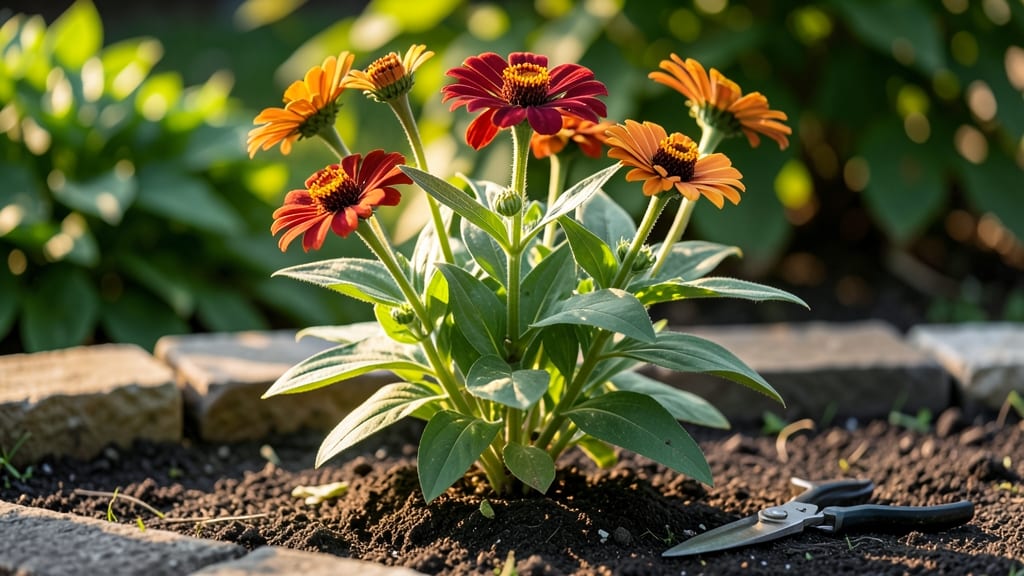
The quick growing summer flowers you’ll love are zinnias, cosmos, and marigolds—transforming bare soil into a riot of color in just 3 weeks by July.
I’ve grown these same varieties for years, and the secret isn’t fancy tricks but knowing their love language: full sun, consistent water, and a little patience. The first time I saw cosmos pop up in 10 days, I nearly dropped my trowel. That’s the kind of speed we’re talking about.
You only need three things to get started: seeds (or transplants), well-draining soil, and a sunny spot that gets at least 6 hours of light daily. No need for expensive tools—just a small hand fork, watering can, and maybe a few stakes for taller varieties like zinnias.
These flowers thrive even in heat waves, making them perfect for summer gardens where other plants wilt. And here’s the best part: they keep blooming all season if you deadhead spent flowers regularly.
Imagine walking outside in mid-July to find your garden bursting with vibrant reds, pinks, and yellows that attract butterflies and hummingbirds. The flowers are tough enough to handle occasional drought once established, and their bright colors make them stand out against any summer backdrop.
You’ll be pinching back leggy stems and marveling at how quickly they rebound—proof that speed and beauty go hand in hand.
Whether you’re filling in gaps in an existing garden or creating a brand-new sunny border, these flowers adapt easily. For cooler summer regions, start seeds indoors 4-6 weeks before the last frost—warmer climates can plant directly after soil warms up.
The key is consistency: water at the base (not overhead) and watch those blooms appear faster than you’d expect.
📚 In This Guide
- What you need
- Instructions
- Tips and common mistakes
- Wrapping up and next steps
What you need
- ● Seeds or seedlings: Choose fast-growing varieties like Zinnias, Marigolds, Sunflowers, or Cosmos (1–2 packets or 6–12 seedlings).
- ● Well-draining potting soil: 1–2 bags (10–20 lbs each) or enough to fill your containers.
- ● Containers or garden beds: Containers: 5–10-inch pots (1–2 per plant) with drainage holes.
- ● Garden beds: Full sun (6+ hours/day) and loose, fertile soil.
- ● Watering can or hose: With a gentle spray nozzle for seedlings.
- ● Garden gloves (1 pair) to protect your hands.
- ● Trowel or small shovel for planting seedlings.
- ● Mulch or compost (1–2 bags) to retain moisture and nutrients.
- ● Fertilizer (balanced 10-10-10 or slow-release granules) for a nutrient boost.
- ○ Plant markers (optional) to label your blooms.
How to grow fast-blooming summer flowers in containers
Sun-loving annuals deliver instant color—here’s how to get vibrant blooms in just three weeks.
🌱 Step 1: Choose the Right Quick-Growing Varieties
Pick heat-tolerant annuals like zinnias, cosmos, or marigolds—they sprout fast and reward you with bold blooms. I always grab seeds labeled "fast-growing" or "early blooming" to guarantee quick results. Avoid delicate perennials; stick to sun-loving workhorses that thrive in hot summer soil.
Check the seed packet for days-to-maturity estimates. Look for varieties that promise 30-45 days to bloom—that’s your target for a 3-week showstopper. Plant a mix of heights for visual interest, but keep containers balanced so taller varieties don’t shade shorter ones.
🪴 Step 2: Prepare Containers and Soil for Fast Growth
Use 6-8 inch deep containers with drainage holes—shallow roots can’t handle soggy soil. I fill each pot with 2 gallons of lightweight potting mix (never garden soil—it’s too dense). Add a handful of slow-release fertilizer to fuel rapid growth without burning tender roots.
Tap the pot gently to settle the mix, then water until moisture runs freely from the drainage holes. This ensures even moisture distribution so seeds stay consistently damp until germination. Avoid compacting the soil—press lightly with your fingers, but don’t pack it down like dirt in a garden bed.
☀️ Step 3: Plant Seeds at the Right Depth and Spacing
Scatter seeds ¼ inch deep—deeper planting delays germination, and you want blooms in 3 weeks, not 6. I use the back of a spoon to create small furrows, then sprinkle seeds evenly. Space them 1-2 inches apart in the pot; they’ll fill out quickly, so don’t overcrowd.
Cover lightly with additional potting mix, then mist the surface with water until evenly damp. A spray bottle works best—it won’t disturb seeds like a heavy watering can. Place containers in a warm, sunny spot (at least 6 hours of direct light daily) to speed up germination.
💧 Step 4: Maintain Consistent Moisture and Light
Keep the soil evenly moist but not soggy—check daily by sticking your finger ½ inch deep. If it feels dry, water gently until moisture reaches the bottom. Overwatering now can cause damping-off, a fungal disease that kills seedlings overnight.
Move containers to a south-facing window or under grow lights if natural light is weak. You’ll see first true leaves in 5-7 days—that’s your cue to thin seedlings if they’re crowded. Snip weaker stems at the base with scissors, leaving the strongest plant per spot.
✂️ Step 5: Encourage Blooms and Deadhead Regularly
Once flowers appear (usually 2-3 weeks after planting), pinch off spent blooms immediately. This redirects energy to new flowers instead of seed production. I deadhead every 2-3 days—it keeps plants bushy and blooming nonstop.
Fertilize lightly with half-strength liquid fertilizer every 2 weeks to sustain rapid growth. Watch for pests like aphids; spray with water if you spot them. With consistent care, your containers will burst with color in just 3 weeks—perfect for instant summer curb appeal.
Tips & tricks for perfect sun-loving summer blooms
Here’s how to guarantee those vibrant blooms in record time—without the guesswork.
Seed Selection Wisdom: When choosing seeds, prioritize those labeled "fast-growing" or "early blooming" to meet your 3-week timeline. I’ve found that zinnias and cosmos often bloom in just 21-28 days, while marigolds can take slightly longer—around 30 days. Look for seed packets that specify "container-friendly" varieties, as these are bred to thrive in limited space without stretching too tall for pots.
Container Placement Strategy: The 6 hours of direct sunlight mentioned in Step 3 is non-negotiable for fast growth. If your space only gets partial sun, supplement with a grow light for 4-6 hours daily. I place my containers on a rolling cart so I can rotate them weekly—this ensures even sun exposure all around, preventing lopsided growth. South-facing windowsills or balconies are ideal, but east-facing works too if you extend light exposure.
Germination Accelerator: To speed up those first 5-7 days until true leaves appear, try this trick: After planting seeds at ¼-inch depth, place containers in a sealed plastic bag overnight. The humidity mimics a greenhouse effect and often triggers germination 1-2 days faster. Just remove the bag in the morning so seeds get their required sunlight. This works especially well for slower starters like cosmos.
Light Fertilizer Hack: The slow-release fertilizer in Step 2 is your secret weapon, but here’s a pro move: Mix in a pinch of crushed eggshells (about 1 tablespoon per 2 gallons of soil) for natural calcium. This prevents blossom-end rot in tomatoes and strengthens cell walls in flowers, making them more resilient during the rapid growth phase. It’s a free, organic boost that works alongside your existing fertilizer.
Pro Tips for Quick Growing Summer Flowers
- Here’s how to guarantee those vibrant blooms in record time—without the guesswork.
- Seed Selection Wisdom: When choosing seeds, prioritize those labeled "fast-growing" or "early blooming" to meet your 3-week timeline.
- Container Placement Strategy: The 6 hours of direct sunlight mentioned in Step 3 is non-negotiable for fast growth.
Frequently asked questions
Got questions about fast-growing summer flowers? You’re not alone!
Here are answers to the most common queries to help you grow a vibrant garden in no time.
How do I speed up the blooming process for quick-growing flowers?
To encourage faster blooms, ensure your flowers get 6+ hours of direct sunlight daily and water them deeply 2–3 times per week. Use a balanced, water-soluble fertilizer every 2–3 weeks, and deadhead spent blooms to redirect energy to new flowers. Heat-loving varieties like zinnias or cosmos thrive with consistent warmth—just avoid overwatering!
Can I plant these flowers in late summer for fall color?
Many quick-growing summer flowers, like marigolds, sunflowers, or snapdragons, can be sown 8–10 weeks before your first frost for stunning fall displays. Opt for heat-tolerant varieties and keep soil moist until roots establish. Just avoid planting too close to winter—some may not survive frost.
What’s the easiest low-maintenance quick-growing flower?
If you want zero fuss, try cosmos or alyssum—they self-seed, resist pests, and bloom nonstop with minimal care. Zinnias are another great pick: just snip back leggy stems to encourage bushier growth. All three thrive in poor soil and need little water once established!
How do I prevent pests from ruining my fast-growing flowers?
Pests like aphids or spider mites love tender new growth. Prevent issues by spacing plants properly for airflow and using neem oil or insecticidal soap at the first sign of trouble. Marigolds naturally repel pests—plant them nearby! For severe infestations, handpick bugs early in the morning when they’re sluggish.
Will these flowers grow well in containers or just garden beds?
Many quick-growing summer flowers thrive in containers! Choose compact varieties like pansies, petunias, or dwarf sunflowers for pots. Use well-draining soil with added compost, and ensure containers are at least 6–12 inches deep. Place them in full sun and water regularly—containers dry out faster than garden beds!
Wrapping up and next steps
Transforming your space with vibrant summer blooms doesn’t have to wait—these quick-growing flowers prove it! 🌸 Whether you’re a seasoned gardener or just starting, sun-loving varieties like zinnias, marigolds, and cosmos deliver instant gratification with minimal effort.
With the right soil, sunlight, and care, you’ll enjoy a burst of color in just three weeks.
Ready to dive in? Grab your gardening tools, pick your favorites, and start planting today—your future summer garden is waiting! For extra inspiration, check out our flower care guide to keep those blooms thriving all season long.