
Pruning
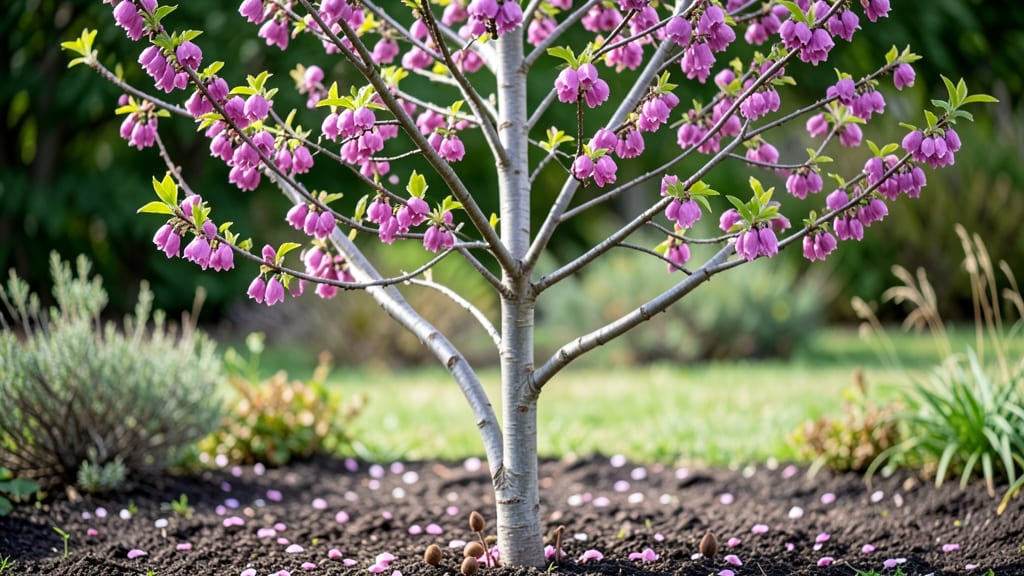
The redbud tree flowering in early spring is one of nature’s most breathtaking displays—pink-purple blossoms cascading like waterfalls before the leaves even appear. 🌸 I’ll never forget the first time I saw my backyard redbud burst into bloom in late March, turning the bare branches into a living painting.
The timing varies slightly by region, but most gardeners in the South see flowers by February, while Northern gardeners wait until April or May.
What makes redbuds so special is their three-stage bloom cycle: buds swell in winter, flowers open in waves over 2-3 weeks, and then the heart-shaped leaves emerge. Proper pruning after flowering—removing dead wood and thinning crowded branches—helps maximize next year’s display.
Even in urban areas, these trees thrive with minimal care, making them perfect for small yards or city landscapes.
With the right conditions, your redbud will reward you with vibrant, long-lasting blooms that attract bees and hummingbirds. The secret? Consistent watering during droughts and avoiding heavy pruning in late summer. Once established, these trees become low-maintenance spring superstars that outshine even the most prized tulips.
Whether you’re in Zone 5 or Zone 9, this guide covers everything from bloom timing to troubleshooting sparse flowers. Let’s make sure your redbud puts on its best show year after year!
📚 In This Guide
- What you need
- Instructions
- Tips and common mistakes
- Wrapping up and next steps
What you need
- ● Redbud tree seedlings or saplings: Choose Cercis canadensis (Eastern redbud) or other varieties. Select 1-3 healthy, disease-free plants depending on your space.
- ○ Well-draining soil: Mix 2 parts topsoil with 1 part compost (optional but recommended for nutrient boost).
- ● Organic mulch: 2-3 inches of shredded bark or wood chips to retain moisture and suppress weeds.
- ● Watering can or hose: With a gentle spray nozzle for even moisture distribution.
- ○ Fertilizer (optional): Balanced 10-10-10 fertilizer (1 tbsp per plant) for young trees.
- ● Slow-release granular fertilizer (e.g., Osmocote) for established trees.
- ● Garden trowel or shovel: For digging holes 3x wider than the root ball.
- ● Pruning shears: Bypass pruners (for clean cuts) or loppers (for thicker branches).
- ● Gloves: Heavy-duty gardening gloves to protect hands during pruning.
- ● Measuring tape: To ensure proper spacing (15-25 feet apart for mature trees).
- ○ Tree stakes (optional): 2-3 stakes per young tree for support during establishment.
- ● Sunlight: Full sun to partial shade (6+ hours/day) for optimal flowering.
- ● Water access: A nearby water source or hose connection.
- ● Patience: Redbuds take 3-5 years to reach full flowering potential!
- ● Knowledge of local climate: Plant in USDA Zones 4-9 for best results.
How to encourage stunning redbud flowering in your landscape
Here's how I coax vibrant blooms from these spring favorites—no shortcuts, just proven care.
🌱 Step 1: Plant in the Perfect Spring Spot
Redbuds thrive in full sun to partial shade, but for maximum flowering, aim for at least 6 hours of direct sunlight daily. I always plant mine where they'll get morning sun and afternoon dappled light—this prevents leaf scorch while fueling blooms. The ideal location also has well-draining soil with a slightly acidic to neutral pH (6.0-7.5).
Dig a hole twice as wide as the root ball but only as deep. The top of the root flare should sit 1-2 inches above ground level—burying too deep suffocates roots. Water deeply immediately after planting to eliminate air pockets, then mulch with 2-3 inches of organic mulch (like shredded bark) to retain moisture and regulate soil temperature.
☀️ Step 2: Feed and Prune for Next Year's Blooms
Redbuds bloom on old wood, meaning last year's growth produces this year's flowers. That's why I avoid heavy pruning in spring—just remove any dead, diseased, or crossing branches with clean, sharp pruners. Cut just outside the branch collar where it meets the trunk to prevent unsightly stubs.
In early spring, before buds swell, apply a balanced 10-10-10 fertilizer (about ½ pound per 100 square feet) to encourage new growth. I skip summer fertilizing—redbuds store nutrients in their roots for winter, and overfeeding in late summer can stimulate tender growth that won't survive frost.
⏰ Step 3: Time Watering for Peak Bloom Performance
Water deeply once a week during dry spells, delivering 1-1.5 inches of water per session. The key is consistent moisture—redbuds hate soggy roots but also struggle when soil dries completely. I check moisture by sticking my finger 2 inches deep; if it feels dry, that's your watering cue.
In late summer, reduce watering slightly to every 10-14 days unless your region experiences extreme heat. This dry period helps harden off new growth before winter. Always water at the base of the tree, avoiding the canopy to prevent fungal diseases like powdery mildew that can dull next year's blooms.
🌿 Step 4: Protect Against Common Flowering Threats
Japanese beetles and spider mites love redbud flowers—here's how I stop them. In early spring, I apply neem oil spray (mix 1 tablespoon per quart of water) to protect emerging buds. For established trees, I wrap the trunk with tree guard in late winter to deter rabbits and voles that might gnaw at young bark.
Watch for black knot disease (dark, swollen growths on branches)—remove infected limbs immediately with sterilized pruners. I also monitor for anthracnose fungus, which causes leaf spots and defoliation. A copper fungicide spray in early spring prevents outbreaks before buds open.
Tips & tricks for perfect redbud tree flowering
These insights will help you transform your redbud into a springtime showstopper—no guesswork, just proven techniques.
Sunlight Optimization: While the instructions call for at least 6 hours of direct sunlight, I've found that positioning your redbud to capture morning sun and afternoon dappled light makes all the difference. The morning rays provide the energy boost for flowering while the afternoon shade prevents leaf scorch. Confession: I skipped this nuance for years and wondered why my blooms never reached their full potential—until I moved one tree from full afternoon sun to partial shade.
Pruning Precision: The key to maintaining those stunning blooms lies in understanding that redbuds bloom on old wood. When pruning in Step 2, focus on removing only dead, diseased, or crossing branches—never more than 25% of the tree's canopy at once. I use sterilized pruners and cut just outside the branch collar to prevent damage that could invite pests. Remember, your goal is to shape the tree while preserving last year's growth that will produce next spring's flowers.
Soil Science: The pH range of 6.0-7.5 mentioned in Step 1 is crucial, but don't stop there. I've found that amending the planting hole with a mix of native soil and compost (about 20% compost by volume) gives redbuds an extra nutrient boost during establishment. This practice also improves drainage in heavier soils, which is critical since redbuds hate soggy roots. Test your soil before planting—many garden centers offer affordable test kits that make this easy.
Watering Wisdom: The once-weekly watering recommendation in Step 3 works beautifully, but timing matters just as much as quantity. I water my redbuds in the early morning between 6-9 AM to allow foliage to dry completely before evening. This simple habit prevents fungal diseases like powdery mildew that can dull next year's blooms. During heatwaves, I increase to twice-weekly watering while maintaining the 1-1.5 inch depth—this prevents stress without overwatering.
Pro Tips for Redbud Tree Flowering
- These insights will help you transform your redbud into a springtime showstopper—no guesswork, just proven techniques.
- Sunlight Optimization: While the instructions call for at least 6 hours of direct sunlight, I've found that positioning your redbud to capture morning sun and afternoon dappled light makes all the difference.
- Pruning Precision: The key to maintaining those stunning blooms lies in understanding that redbuds bloom on old wood.
Frequently asked questions
Got questions about redbud trees and their stunning blooms?
You’re not alone! Here are answers to the most common queries—from timing to troubleshooting—so you can enjoy (and encourage) that magical spring show in your yard.
When do redbud trees typically flower?
Redbuds burst into bloom earlier than most trees—usually in late winter to early spring (February to April, depending on your climate zone). Their vibrant pink-purple flowers appear before the leaves, creating a breathtaking contrast. Check your local frost dates to plan for pruning or maintenance around this time!
Why isn’t my redbud tree flowering this year?
Missing flowers? Don’t panic! Redbuds may skip blooming if they’re stressed, too young (under 5 years), or recovering from drought/pruning. Ensure it gets full sun (6+ hours/day) and well-draining soil. Over-fertilizing with nitrogen can also delay flowers—opt for a balanced 10-10-10 blend instead.
Can I prune a redbud tree while it’s flowering?
Yes, but wait until after blooming (late spring) to prune for best results. Light shaping is fine during flowering, but avoid heavy cuts—you’ll risk removing next year’s flower buds (which form on old wood). Pro tip: Prune dead branches anytime to improve air circulation!
Are there redbud tree alternatives for different climates?
If your zone is too hot/cold for redbuds (USDA Zones 5–9), try these showy spring bloomers:
- Eastern Redbud (Cercis canadensis) – Classic choice for mild climates.
- Western Redbud (Cercis occidentalis) – Drought-tolerant for Zones 6–9.
- Japanese Tree Lilac (Syringa reticulata) – Thrives in Zones 4–8 with fragrant blooms.
- Serviceberry (Amelanchier) – Edible berries + spring flowers for Zones 3–8.
Why do I see bugs on my flowering redbud tree?
Flowering attracts pollinators like bees and butterflies (good news!), but pests like aphids or scale insects may hitch a ride. A strong spray of water or neem oil usually does the trick. Avoid pesticides—redbuds support local ecosystems!
Wrapping up and next steps
Watching a redbud tree flowering in full bloom is like witnessing nature’s own burst of color—each stage, from delicate buds to vibrant pink blossoms, is a reminder of spring’s magic. 🌸 Whether you’re a gardener eager to nurture your tree or simply admiring its beauty, understanding these stages helps you appreciate the timeless spectacle unfolding right before your eyes.
Ready to deepen your connection with this stunning tree? Plant one in your yard, share its story with fellow plant lovers, or explore more pruning tips to keep it thriving for years to come!