
Flowers
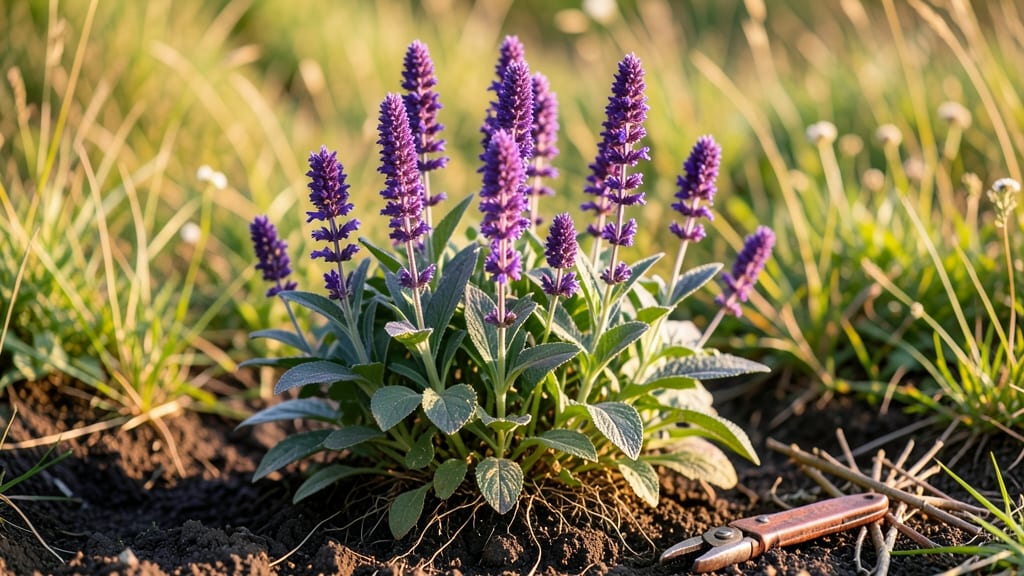
Plants with purple leaves and purple flowers create a showstopping visual punch that pollinators can’t resist. 🌿 I fell in love with this color combo after seeing a Purple Smoke Bush (Cotinus coggygria 'Royal Purple') in full bloom—its deep foliage and lavender plumes made my garden feel like a secret garden.
The contrast isn’t just pretty; it’s magnetic, drawing bees, butterflies, and hummingbirds like nothing else.
This isn’t about complicated color theory—it’s about pairing plants that naturally complement each other. Think Heuchera with its velvety leaves and Coleus spilling over container edges, both topped with purple blooms like Salvia ‘May Night’.
The key is layering textures: smooth leaves against fuzzy flowers, or glossy foliage with delicate petals. Even a small bed or two containers can create drama.
You’ll end up with a garden that feels like a living watercolor painting—deep purples, soft lavenders, and hints of silver from plants like Lavender or Russian Sage. The best part?
These plants thrive together, sharing similar light and soil needs, so maintenance stays simple. Start with just one or two standout plants, then build around them.
Works for borders, pollinator patches, or even a single statement pot on your patio. The possibilities are endless, and the impact is immediate. Let’s make your garden the talk of the neighborhood with this bold, bee-friendly palette.
📚 In This Guide
- What you need
- Instructions
- Tips and common mistakes
- Wrapping up and next steps
What you need
- ● Purple-leaved plants with purple flowers: 1–3 Heuchera (Coral Bells) – Choose varieties like 'Plum Pudding' or 'Purple Petticoats' (6–12" pots or bare-root plants).
- ● 1–2 Lamium maculatum (Spotted Dead Nettle) – 'Purple Dragon' or 'Beacon Silver' (4–6" pots).
- ● 1–2 Coleus (e.g., 'Black Dragon' or 'Royal Purple') – 4" pots (annual, great for summer color).
- ● 1 Salvia (e.g., Salvia nemorosa 'May Night' or Salvia officinalis 'Purpurascens') – 1-gallon container.
- ● 1–2 Lobelia (e.g., Lobelia erinus 'Crystal Palace Purple') – 4" pots (trailing variety for borders).
- ● Soil: 1–2 bags of well-draining potting mix (e.g., Miracle-Gro Potting Mix or Pro-Mix BX).
- ● 1 bag of compost (for enriching garden beds).
- ○ Optional: Perlite or vermiculite (1 small bag) for improving drainage.
- ● Fertilizer: 1 bottle of balanced liquid fertilizer (e.g., 10-10-10 or 20-20-20, like Miracle-Gro All Purpose).
- ● 1 packet of slow-release granules (e.g., Osmocote Smart-Release Plant Food).
- ● Watering tools: 1 watering can (with a rose attachment for gentle watering).
- ● 1 hose with adjustable nozzle (for larger garden beds).
- ● Planting supplies: 1 pack of gardening gloves (to protect your hands).
- ● 1 hand trowel (for transplanting small plants).
- ● 1 garden fork (for amending soil in larger areas).
- ● Mulch: 1 bag of organic mulch (e.g., shredded bark or pine straw) to retain moisture and suppress weeds.
- ● Pollinator-friendly companions: 1–2 bee balm (Monarda) plants (e.g., 'Jacob Cline' for purple blooms).
- ● 1 lavender plant (e.g., Lavandula angustifolia 'Munstead') for fragrance and pollinators.
- ● Decorative elements: 1–2 garden stakes or obelisks (to support trailing plants like lobelia).
- ● 1 garden marker set (to label your plants and track varieties).
- ● Pest control: 1 bottle of neem oil (natural insect repellent).
- ● 1 pack of row covers (for young plants if pests are a concern).
- ● Know your USDA Hardiness Zone (most purple-leaved plants thrive in Zones 4–9).
- ● Check last frost date in your area (spring planting should wait until after frost).
- ● Ensure your garden gets at least 4–6 hours of sunlight daily (some purple-leaved plants tolerate partial shade).
- ● Prepare your soil 2–4 weeks before planting (amend with compost for best results).
How to design a pollinator-friendly garden with purple-leaved and flowering plants
Here's how to create a striking, bee-friendly garden where deep purple foliage and blooms stand out dramatically.
🌱 Step 1: Select Complementary Purple-Leaved Plants
Start with purple-leaved plants that thrive in your climate zone. My top choices include purple smoke bush (Cotinus coggygria), purple-leaved heuchera, and purple ninebark (Physocarpus opulifolius). These plants provide year-round interest with their rich foliage, even when not in bloom.
For maximum contrast, pair them with purple-flowering perennials like catmint (Nepeta), purple coneflower (Echinacea purpurea), and salvia (Salvia nemorosa). These combinations create visual impact while supporting pollinators. I always check each plant's mature size to ensure they complement each other in the garden layout.
☀️ Step 2: Plan for Sunlight and Seasonal Interest
Most purple-leaved plants thrive in full sun to partial shade, with 6+ hours of sunlight ideal for vibrant foliage. Place taller varieties like purple smoke bush at the back of borders, while lower-growing plants like purple heuchera can fill gaps in front.
For seasonal contrast, include early bloomers like purple crocus for spring, purple iris for late spring, and purple asters for fall. This ensures your garden remains visually striking from early spring through frost. I always sketch a rough layout first to avoid overcrowding.
💧 Step 3: Prepare Soil and Plant for Pollinator Success
Amend your soil with well-draining, nutrient-rich compost before planting. Purple-leaved plants often prefer slightly acidic to neutral soil (pH 6.0-7.0). I mix in 2-3 inches of compost into the top 12 inches of soil for best results.
When planting, space perennials 18-24 inches apart to allow airflow and prevent disease. Water deeply after planting to settle roots, then maintain 1 inch of water per week during dry spells. Mulch with 2-3 inches of organic mulch to retain moisture and suppress weeds.
🌿 Step 4: Encourage Pollinators with Strategic Planting
Cluster purple-flowering plants in groups of 3-5 to attract more bees and butterflies. Pollinators are drawn to bright, contrasting colors, so the deep purple blooms will stand out against lighter foliage.
Add native pollinator-friendly plants like bee balm (Monarda) or purple bee orchid (Ophrys) to create a thriving ecosystem. Avoid pesticides entirely—even organic ones can harm beneficial insects. I’ve found that a 10-foot diameter pollinator patch creates enough nectar to sustain bees all season.
✂️ Step 5: Maintain for Long-Term Beauty and Pollinator Support
Deadhead spent blooms regularly to encourage continuous flowering and prevent self-seeding where unwanted. Prune leggy growth in early spring to maintain compact shapes. For purple-leaved plants, cut back one-third of the oldest stems annually to promote new growth.
Monitor for pests like aphids or spider mites, which can stress plants. A strong jet of water usually removes them, but severe infestations may require neem oil spray. With proper care, your purple garden will thrive for years while supporting local pollinators.
Tips & tricks for stunning purple gardens
Creating a dramatic purple garden takes thoughtful planning—and these practical tips will help you avoid common pitfalls while maximizing visual impact.
Color Contrast is Everything: The secret to making purple foliage and blooms pop lies in their placement. In Step 1, when selecting your purple-leaved plants, pair them with silver or chartreuse foliage (like lamb's ear or dusty miller) to create even more striking contrast. This color theory trick makes your purples appear richer and more vibrant. I've found that placing silver foliage plants at the base of purple-leaved shrubs creates a stunning vertical effect that draws the eye upward.
Sunlight Strategy for Vibrant Foliage: While Step 2 mentions full sun to partial shade, here's the nuance: morning sun with afternoon shade is ideal for preventing leaf scorch on purple-leaved plants. Position your purple smoke bush and ninebark where they get bright morning light but are shaded after 12pm. This balance maintains that deep purple hue while preventing the foliage from turning dull or brown. I learned this after watching my first purple ninebark develop sunburned patches in hot afternoon sun.
Soil Science for Purple Power: When amending your soil in Step 3, focus on the top 6 inches rather than just the top 12 inches. Purple-leaved plants have shallow roots that need consistent moisture and nutrients. Mix in 1 part compost to 3 parts native soil—this ratio prevents compaction while providing the slightly acidic conditions (pH 6.0-7.0) these plants prefer. I've seen dramatic differences in foliage intensity when plants get this precise soil treatment versus generic garden soil.
Pollinator Placement Hack: For maximum bee activity in Step 4, create a purple-to-white gradient in your planting. Place your deepest purple flowers (like salvia) at the center of your pollinator patch, surrounded by lighter purples (like catmint) and finally white blooms (like white yarrow) at the edges. Bees are naturally drawn to this color progression, which mimics their foraging patterns in the wild. This arrangement also creates a beautiful visual flow when viewed from different angles in your garden.
Pro Tips for Purple Leaves With Purple Flowers
- Creating a dramatic purple garden takes thoughtful planning—and these practical tips will help you avoid common pitfalls while maximizing visual impact.
- Color Contrast is Everything: The secret to making purple foliage and blooms pop lies in their placement.
- Sunlight Strategy for Vibrant Foliage: While Step 2 mentions full sun to partial shade, here's the nuance: morning sun with afternoon shade is ideal for preventing leaf scorch on purple-leaved plants.
Frequently asked questions
Got questions about growing plants with purple leaves and purple flowers? You’re not alone! Here are some of the most common queries—and their answers—to help you create a showstopping pollinator garden.
Why do some plants have purple leaves?
Purple leaves are often a result of anthocyanins, natural pigments that protect plants from UV rays and stress. These pigments become more vibrant in cooler temperatures or when plants are exposed to bright light. Some varieties, like Coleus or Heuchera, are bred specifically for their striking purple foliage!
When is the best time to plant purple-leaved flowers?
Timing depends on your climate! For perennials (like Salvia or Lavender), plant in early spring after the last frost. Annuals (such as Petunias or Cleome) can go in late spring once soil warms. Always check seed packets for specific guidelines—some thrive in fall too!
What are the easiest purple-leaved plants to grow for beginners?
Start with these low-maintenance stars:
- Coleus – Thrives in partial shade, loves humidity, and comes in endless purple hues.
- Heuchera (Coral Bells) – Drought-tolerant once established; perfect for borders.
- Petunias – Fast-growing annuals with vibrant purple blooms and glossy foliage.
- Lantana – Drought-resistant and attracts butterflies with its purple flowers.
All three are pollinator magnets—win-win!
My purple-leaved plant’s leaves are turning brown—what’s wrong?
Brown or crispy leaves usually signal underwatering, overwatering, or pests. Check soil moisture (top inch should be dry), ensure proper drainage, and inspect for aphids or spider mites. Neem oil or insecticidal soap can help if pests are the culprit. Pro tip: Purple-leaved plants often need well-draining soil—amend clay soil with compost!
Are there purple-leaved plants that also have purple flowers?
Try these two-tone showstoppers:
- Salvia ‘May Night’ – Deep purple foliage + electric purple spikes.
- Cleome ‘Violet Queen’ – Airy purple blooms with burgundy stems.
- Lavender ‘Hidcote’ – Silvery-purple leaves with classic purple blooms.
- Heuchera ‘Palace Purple’ – Velvety purple leaves + delicate white/pink flowers.
Pair them with white or yellow flowers for maximum contrast!
Wrapping up and next steps
Transforming your garden into a vibrant purple paradise is easier than you think—and the rewards are breathtaking! 🌸 From the bold purple foliage of Coleus to the delicate blooms of Salvia, these plants don’t just attract pollinators; they create a striking visual symphony that elevates any outdoor space.
Whether you're a seasoned gardener or just starting, planting for impact has never been this rewarding.
Ready to take the next step? Start small—pick one or two purple beauties to test your soil and sunlight conditions, then expand your collection as you gain confidence. Your garden’s pollinator party awaits! 🐝✨