
Transplanting
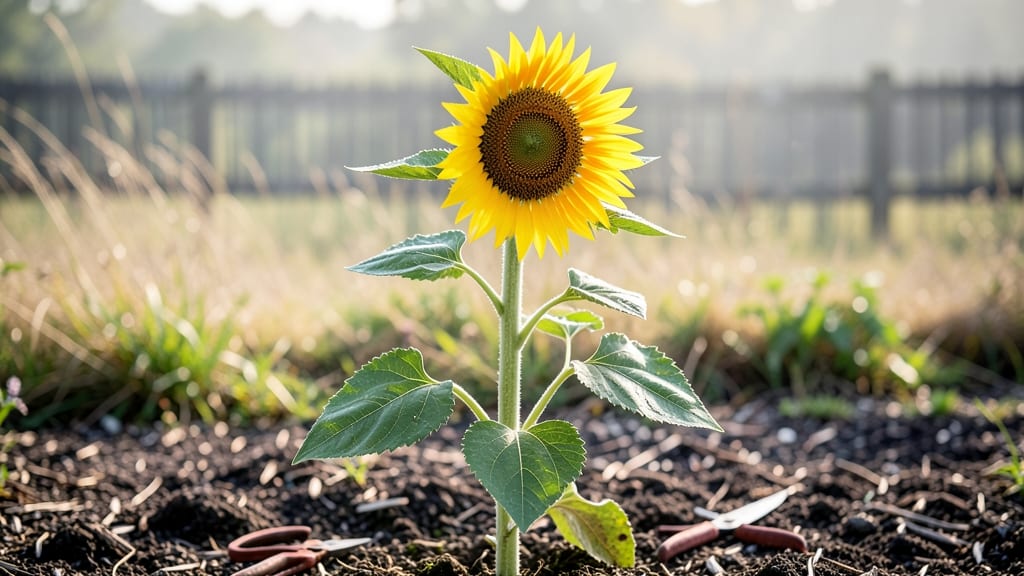
Roadside wild sunflowers transform neglected edges into sunlit canvases of golden joy. 🌻 I first spotted them along a country road—tall, unruly stalks swaying in the breeze, their faces turned toward the sky like eager children. These aren’t your tidy garden sunflowers; they’re wild, free, and impossible to ignore.
Their magic lies in effortless beauty: no pruning, no staking, just bold vertical accents that catch every sunset. They thrive in poor soil, spread like wildfire (in the best way), and turn even the dullest corner into a pollinator paradise. Perfect for gardeners who want drama without the fuss.
You’ll end up with a garden that hums with bees, butterflies, and the rustle of seed heads dancing in the wind. The golden blooms fade to brown, but their seed heads become winter sculptures—textured art that outshines any manicured plant.
Best of all? They’re free or nearly free from roadside seed sources.
Works in meadows, along fences, or even in containers for a wild, natural look. Let’s bring that roadside charm home—no green thumb required.
📚 In This Guide
- What you need
- Instructions
- Tips and common mistakes
- Wrapping up and next steps
What you need
- ● Wild sunflower seeds: 50–100 seeds (collect from roadside patches or buy organic, non-GMO seeds for best results).
- ● Well-draining soil: Mix of native soil + compost (3:1 ratio) or use pre-mixed garden soil with added perlite (1 part perlite per 5 parts soil).
- ● Watering can or hose: With a gentle spray nozzle for seedlings.
- ○ Garden gloves: Optional but recommended for handling prickly stems.
- ● Stakes or small wooden dowels: 6–12 inches long (for taller varieties, 2–3 stakes per plant).
- ● Twine or soft plant ties: To secure stakes without damaging stems.
- ● Hand trowel: For digging small holes (2–3 inches deep).
- ● Pruning shears: To trim dead blooms and encourage bushier growth.
- ● Mulch (straw or shredded leaves): 1–2 inches thick to retain moisture.
- ● pH test kit: Ideal soil pH for sunflowers: 6.0–7.5 (adjust with lime or sulfur if needed).
- ● A sunny spot with 6+ hours of direct sunlight daily (roadside sunflowers thrive in full sun!).
- ● Space for plants to spread: 1–2 feet apart for dwarf varieties, 2–3 feet for giants.
- ● Patience! Germination takes 7–14 days in warm soil (70°F+).
How to plant roadside wild sunflowers for dramatic garden height
Here's how to bring that wild, natural beauty to your garden—no special tools or skills needed!
🌱 Step 1: Scout and Collect Seeds from Wild Sunflowers
Find healthy roadside sunflowers with fully mature seed heads—look for brown, dry centers where the seeds are plump and easy to shake free. I always collect seeds on a dry, sunny afternoon when the heads are fully open. Wear gloves if you're sensitive to the stiff stems.
Gently rub the seed head over a brown paper bag to catch the seeds. Avoid collecting from areas sprayed with herbicides, as those seeds won't germinate. Store the seeds in a cool, dry place until planting—wild sunflower seeds stay viable for years if kept dry.
🪴 Step 2: Prepare the Planting Site for Natural Growth
Wild sunflowers thrive in poor soil, but they still need good drainage. Choose a sunny spot with at least 6 hours of direct sunlight daily—these plants won't tolerate shade. Loosen the top 6 inches of soil with a garden fork or tiller, but don't overwork it; wild sunflowers prefer slightly rough ground.
Scatter seeds ½ inch deep and 12 inches apart—they're tough and don't need perfect spacing. Lightly cover with soil and pat down. Water gently but don't soak the area; wild sunflowers hate soggy roots. You'll see sprouts in 7-14 days, though some may take longer depending on your climate.
☀️ Step 3: Let Them Grow Wild (Minimal Care Required)
Once established, wild sunflowers need almost no care. Water deeply once a week during dry spells, but they're drought-tolerant once rooted. You'll notice the stems grow 6-10 feet tall—taller than most garden sunflowers—so give them space or they'll tower over everything.
Skip the fertilizer; wild sunflowers prefer lean soil. If you see weak stems or yellowing leaves, add a 1-inch layer of compost around the base in early spring. Deadhead spent blooms if you want more flowers, but let some seeds form for next year's display.
✂️ Step 4: Enjoy the Dramatic Vertical Impact
Wild sunflowers reach their full height by mid-summer, creating natural vertical accents that no other plant can match. Their 3-4 inch blooms attract pollinators and add bold color to any garden. Leave some stems standing through winter for seed heads that add texture to bare landscapes.
If you want to save seeds for next year, let a few flowers go to seed. Harvest when the back of the flower head turns completely brown and the seeds rattle inside. Store them in a paper bag until planting season—simple, satisfying, and completely low-maintenance!
Tips & tricks for perfect roadside wild sunflower planting
Here's what nobody tells you about growing these towering beauties—tricks that'll make your garden look like it's been there for years.
Seed Collection Tip: The best time to harvest seeds is on a dry, sunny afternoon when the sunflower heads are fully open and the back of the flower head has turned completely brown. This ensures maximum seed viability. I've learned the hard way that collecting seeds too early (when they're still green) or too late (when they've already fallen to the ground) means wasted effort. Store them in a cool, dry place—paper bags work perfectly—and they'll stay good for years!
Site Preparation Secret: Wild sunflowers might thrive in poor soil, but they still need that 6 hours of direct sunlight daily. I always scout potential spots in the morning sun—they get the most consistent light. When loosening the top 6 inches of soil, think "rough it": these plants prefer slightly uneven ground. Over-tilling can actually harm them by compacting the soil too much.
Planting Strategy: Scatter those seeds ½ inch deep and 12 inches apart—don't stress about perfect spacing. The magic happens when you water gently but thoroughly after planting. Too much water can drown the seeds, while too little means they won't germinate. Aim for damp (not soggy) soil, and you'll see those first sprouts in 7-14 days. Pro tip: If you're planting in a windy area, press the soil down lightly around each seed to keep them in place.
Growth Hack: Once your sunflowers reach 3-4 feet tall (about mid-summer), they'll start growing fast—sometimes 2-3 inches per day! Give them room to stretch their legs (literally). If you're planting near other flowers, space them at least 3 feet apart to avoid shading. And here's a little-known trick: If you notice weak stems, add that 1-inch layer of compost around the base in early spring. It's like giving them a vitamin boost without overfeeding them.
Pro Tips for Roadside Wild Sunflower
- Here's what nobody tells you about growing these towering beauties—tricks that'll make your garden look like it's been there for years.
- Seed Collection Tip: The best time to harvest seeds is on a dry, sunny afternoon when the sunflower heads are fully open and the back of the flower head has turned completely brown.
- Site Preparation Secret: Wild sunflowers might thrive in poor soil, but they still need that 6 hours of direct sunlight daily.
Frequently asked questions
Got questions about growing roadside wild sunflowers? You’re not alone! Here are some common ones—plus quick, practical answers to help you succeed with these easygoing beauties.
Can I transplant wild sunflowers from the roadside into my garden?
Yes! Wild sunflowers are hardy and adaptable, but choose healthy plants with no signs of pests or disease. Transplant them early in the season (spring or early fall) for the best survival rate. Give them space—they’ll grow 3–6 feet tall!
When is the best time to plant or transplant them?
For optimal growth, transplant wild sunflowers in early spring (after the last frost) or late summer (6–8 weeks before the first frost). They thrive in warm soil and full sun, so avoid planting when temps are still chilly.
What’s the easiest way to ensure they thrive in my garden?
Wild sunflowers are low-maintenance, but they love well-draining soil and full sun (6+ hours daily). Water them deeply but infrequently—once established, they’re drought-tolerant. Mulch lightly to retain moisture and suppress weeds.
Will they spread uncontrollably like weeds?
Not usually! While wild sunflowers self-seed, they’re not aggressive spreaders like some invasive plants. Deadhead spent blooms if you want to limit new plants, or let them go wild for a natural, pollinator-friendly meadow vibe.
What should I do if my sunflowers get pests or diseases?
Wild sunflowers are tough, but watch for aphids, spider mites, or powdery mildew. Spray off pests with water or use neem oil. For mildew, improve airflow and avoid overhead watering. Most issues are preventable with healthy soil and proper spacing!
Wrapping up and next steps
Roadside wild sunflowers bring vibrant color, effortless beauty, and resilience to any garden—proving that stunning landscapes don’t require constant upkeep. Whether you’re a seasoned gardener or a newbie, these sun-soaked blooms are your ticket to low-maintenance, high-impact vertical gardening. 🌻
Ready to transform your space? Start small—grab a few seeds or seedlings, follow the tips above, and watch your garden thrive with bold, sunlit elegance. Dive into our full guide to get growing today!