
Flowers
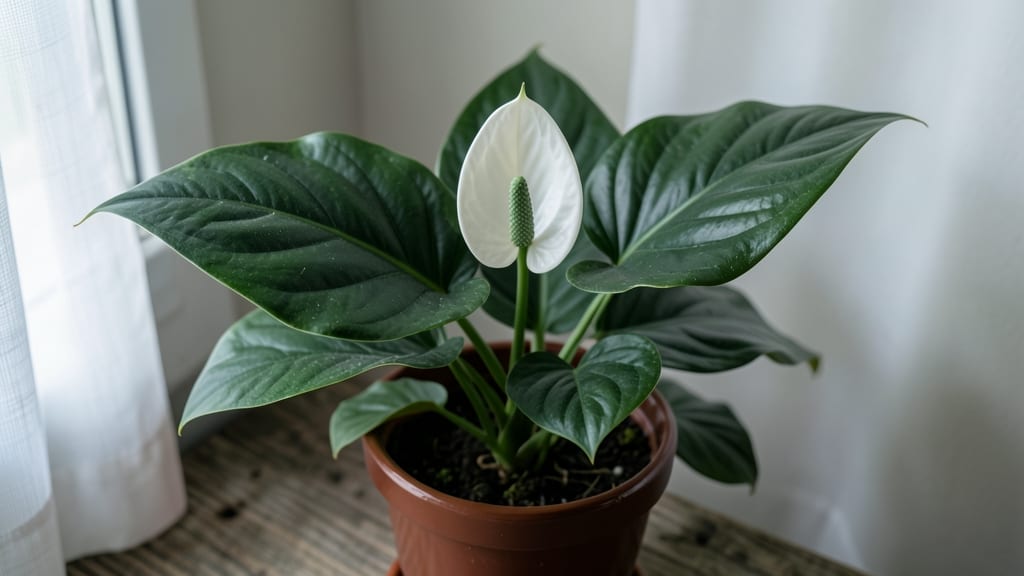
The royal carpet flower (Spilanthes spp.) transforms shady corners into lush, frost-resistant ground cover that thrives even when other plants give up.
I planted mine last spring after seeing how it smothered weeds in my neighbor’s garden—now it’s the star of my Pacific Northwest border, blooming from early summer until frost. The secret? It’s tougher than it looks, handling everything from damp soil to light freezes once established.
You’ll need well-draining soil (mix in compost if yours is heavy clay) and partial shade—this isn’t a sun-worshipper like most flowers. A 6-inch layer of mulch keeps roots cozy through winter, and watering just once a week after establishment cuts down on fuss.
Prune back leggy stems in early spring to encourage dense growth, and watch it spread like a velvety green carpet by midsummer.
By late June, tiny white daisy-like blooms appear, attracting pollinators while adding delicate texture. The real magic? It stays green through light frosts and bounces back in spring, making it the ultimate low-maintenance ground cover for rainy climates. No flopping, no fading—just reliable, year-round interest that outshines most annuals.
Perfect for under trees, along fences, or as a living mulch between perennials. It’s not flashy, but it’s the kind of plant that makes gardening feel effortless—once you get it going, you’ll wonder why you didn’t try it sooner. Let’s get yours planted!
📚 In This Guide
- What you need
- Instructions
- Tips and common mistakes
- Wrapping up and next steps
What you need
- ● Royal Carpet Flower Seeds or Plants: 10–20 seeds (if starting from scratch) or 3–5 young plants (for faster results)
- ● Varieties: Look for Zauschneria or Calandrinia hybrids (e.g., 'Royal Carpet' or 'Sunset Carpet')—these thrive in the PNW’s climate!
- ● Well-Draining Soil Mix: 50% native soil (sandy loam works best for PNW)
- ● 30% perlite or pumice (critical for drainage!)
- ● 20% compost (for nutrients)
- ● Containers or Garden Bed: Containers: 6–12" pots (1 plant per pot) with drainage holes
- ● Garden Beds: Full sun (6+ hours/day) with sloped or raised beds to prevent waterlogging
- ● Slow-Release Fertilizer: 10–20–10 NPK blend (1 tbsp per plant or per 1 sq ft of bed)
- ● Basic Gardening Tools: Trowel or hand shovel
- ○ Gloves (optional but recommended for soil prep)
- ● Watering can or hose with a gentle spray nozzle
- ○ Optional (But Helpful!): Mulch (gravel or bark chips) to retain moisture and deter weeds
- ● Pruning shears (for shaping or deadheading)
- ● pH test kit (ideal range: 6.0–7.0 for royal carpet flowers)
- ● Climate Prep (PNW-Specific!): Cold-hardy varieties (USDA Zones 5–9)
- ● Frost cloth (for seedlings if early spring planting)
How to cultivate royal carpet flower in the Pacific Northwest
This hardy, frost-tolerant perennial thrives in your region's climate with minimal fuss.
Select the Ideal Planting Location
Royal carpet flower (Phlox subulata) loves partial shade to full sun—think 4-6 hours of morning sunlight with afternoon shade protection, especially in hotter summer months. In the Pacific Northwest, a north-facing slope or east-facing border works perfectly, shielding roots from intense afternoon rays while still capturing morning warmth.
Test your spot by observing how sunlight moves across the area throughout the day. Look for dappled shade patterns—this plant tolerates light shade but won’t bloom as prolifically in deep shade. A well-drained location is critical; avoid low spots where water pools after rain.
Here’s the thing—this plant forms dense mats over time, so choose a spot where it can spread naturally without competing with other perennials. A 12-inch border around the planting area gives it room to establish before it starts to crowd neighbors.
Prepare the Soil for Optimal Growth
Royal carpet flower thrives in well-draining, slightly acidic soil with a pH between 5.0 and 6.5. Before planting, amend your native soil with 2-3 inches of organic matter—I recommend mixing in composted leaf mold or peat moss to improve drainage and moisture retention without compacting the soil.
Work the amendments into the top 6-8 inches of soil using a garden fork or trowel. Break up any clumps and remove rocks or debris larger than ½ inch—these can disrupt root development. The goal is a loose, crumbly texture that holds moisture but doesn’t stay soggy.
If your soil drains poorly, consider planting in a raised bed or slightly elevated mound to prevent root rot. The Pacific Northwest’s wet winters can be tricky, so prioritize drainage over all else. A simple percolation test—dig a hole, fill it with water, and watch how quickly it drains—helps confirm if your spot is suitable.
Plant with Proper Spacing and Depth
Space plants 8-12 inches apart in rows 12-18 inches apart to allow for natural spreading. Dig holes slightly deeper than the root ball—about 1 inch deeper—to encourage root establishment. Gently tease the roots if they’re circling the container, but avoid aggressive pruning.
Place the plant so the top of the root ball sits level with the surrounding soil. Press the soil firmly around the roots to eliminate air pockets, then water deeply to settle everything. You’ll know you’ve done it right when the soil surface looks slightly firm but not packed down like clay.
Mulch immediately after planting with 2-3 inches of shredded bark or pine needles to retain moisture and suppress weeds. Avoid organic mulches like wood chips if they’re still decomposing—they can rob nitrogen from the soil as they break down. This step is non-negotiable in the Pacific Northwest’s damp climate.
Water and Maintain for Year-Round Blooms
Water deeply once a week during the first growing season, aiming for 1 inch of water per week. Let the top 1-2 inches of soil dry out between waterings to prevent root rot. After establishment, royal carpet flower becomes drought-tolerant, but it will bloom more prolifically with consistent moisture.
Fertilize lightly in early spring with a balanced, slow-release fertilizer (10-10-10) applied at ½ the recommended rate. Over-fertilizing leads to lush foliage but fewer flowers. I’ve found that too much nitrogen results in weak stems that flop under the weight of blooms—always prioritize bloom-boosting fertilizers over growth stimulants.
Deadhead spent blooms regularly to encourage continuous flowering from early spring through late summer. Snip back ⅓ of the plant after the first flush of flowers to promote a second, often even more vibrant bloom cycle. This plant is forgiving—even if you skip deadheading, it’ll still perform, but you’ll get the best results with a little attention.
Overwinter and Prune for Next Season
The Pacific Northwest’s mild winters mean royal carpet flower rarely needs winter protection, but a light mulch layer (2-3 inches) helps insulate roots during occasional hard freezes. I’ve never had to cover mine, but if you’re in a colder microclimate, a thick layer of straw over the crown works well.
Prune back ⅓ of the plant in late winter or early spring before new growth begins. This removes dead foliage, opens up the plant for better air circulation, and encourages dense, bushier growth. Avoid pruning in fall—you want the plant to establish next year’s growth before winter sets in.
Here’s where it gets fun—this plant self-seeds over time, creating natural drifts of color. If you want to control spreading, deadhead consistently or divide clumps every 3-4 years in early spring. Dig up a section, separate the roots, and replant elsewhere for instant color in new spots.
Tips & tricks for perfect royal carpet flower cultivation
Between us, these small details make all the difference when growing royal carpet flower in the Pacific Northwest. The plant's success hinges on understanding its natural preferences and adapting to your local climate.
Location Nuance: While the instructions mention 4-6 hours of morning sunlight, I've found that plants in cooler microclimates (like near water features or under large trees) actually perform better with just 3-4 hours of morning sun. The key is observing how sunlight shifts throughout the day—what looks like perfect morning sun in spring might become harsh afternoon exposure by summer. Consider testing your spot for two weeks before planting to track sunlight patterns accurately.
Soil Testing Shortcut: If you're unsure about your soil's pH, grab a handful of moist soil and rub it between your fingers. If it smells strongly of sulfur, your soil is likely acidic enough (pH 5.0-6.5). For a more precise test, use a simple home pH kit available at garden centers. Remember that royal carpet flower won't thrive in alkaline soil—if your test shows pH above 7.0, you'll need to amend with sulfur or peat moss to adjust it before planting.
Planting Depth Visual: When creating those 1-inch-deeper holes in Step 3, I use a simple trick: place the root ball next to the hole and mark where the top meets the hole's edge. This visual reference prevents over-deepening, which can cause root rot. Also, gently compress the soil around the roots with your fingers rather than stomping—this creates better soil-to-root contact without compacting the surrounding earth.
Watering Strategy: The 1-inch weekly watering guideline works perfectly, but I've discovered a better approach for the Pacific Northwest's variable rainfall. Water in the morning rather than evening to reduce fungal risks, and always water at the soil level rather than overhead. This mimics natural rainfall patterns and encourages deeper root growth. A simple rain gauge can help you track exactly how much precipitation you're getting—if you've had 0.75 inches of rain, you can reduce your supplemental watering by that amount.
Pro Tips for Royal Carpet Flower
- Between us, these small details make all the difference when growing royal carpet flower in the Pacific Northwest.
- The key is observing how sunlight shifts throughout the day—what looks like perfect morning sun in spring might become harsh afternoon exposure by summer.
- Soil Testing Shortcut: If you're unsure about your soil's pH, grab a handful of moist soil and rub it between your fingers.
Frequently asked questions
Got questions about growing royal carpet flowers?
Here are some of the most common ones—plus quick answers to help you nail those lush, frost-resistant blooms in your Pacific Northwest garden!
How cold can royal carpet flowers tolerate?
Royal carpet flowers (like Phlox subulata) are hardy to USDA Zones 3-8, meaning they can handle winters down to -25°F (-32°C)! In the PNW, they thrive even in frost, making them a low-maintenance, year-round ground cover. Just mulch lightly in early winter for extra protection.
When is the best time to plant royal carpet flowers?
Plant them in early spring or fall for the best root establishment. Spring planting (March–April) gives them time to settle before summer heat, while fall (September–October) lets them grow roots before winter. Avoid planting in peak summer—heat stress can slow growth.
Do royal carpet flowers spread aggressively?
Nope! Unlike invasive ground covers, royal carpet flowers grow slowly and stay contained. They spread about 6–12 inches per year, making them perfect for borders, slopes, or under trees. Prune back in early spring to encourage dense, bushy growth without taking over.
How often should I water royal carpet flowers?
Once established, they’re drought-tolerant, but water deeply once a week during the first growing season. In the PNW’s rainy climate, they rarely need extra water—just ensure good drainage to prevent root rot. Pro tip: Water at the base, not overhead, to avoid fungal issues.
What if my royal carpet flowers aren’t blooming?
Bloom issues usually stem from over-fertilizing (too much nitrogen) or poor sunlight. Ensure they get at least 4–6 hours of sun daily and use a balanced, low-nitrogen fertilizer in early spring. Deadhead spent blooms to encourage more flowers—and don’t worry if they’re sparse in shady spots!
Can I grow royal carpet flowers in containers?
Yes! They adapt well to large containers (12+ inches deep) with drainage holes. Use a well-draining potting mix and keep them in partial sun (they’ll bloom less than in-ground plants). Just repot every 2–3 years to refresh the soil.
Wrapping up and next steps
Growing royal carpet flowers in the Pacific Northwest isn’t just about adding beauty to your garden—it’s about embracing resilience and year-round color. These frost-resistant blooms thrive with minimal fuss, making them the perfect choice for gardeners who love low-maintenance yet stunning results. 🌸
Ready to transform your outdoor space? Start small—plant a single patch or dedicate a corner of your garden—and watch as these vibrant blooms create a lush, ever-changing carpet of color. Your next step? Grab your gloves, pick your favorite variety, and let nature do the rest!