Flowers
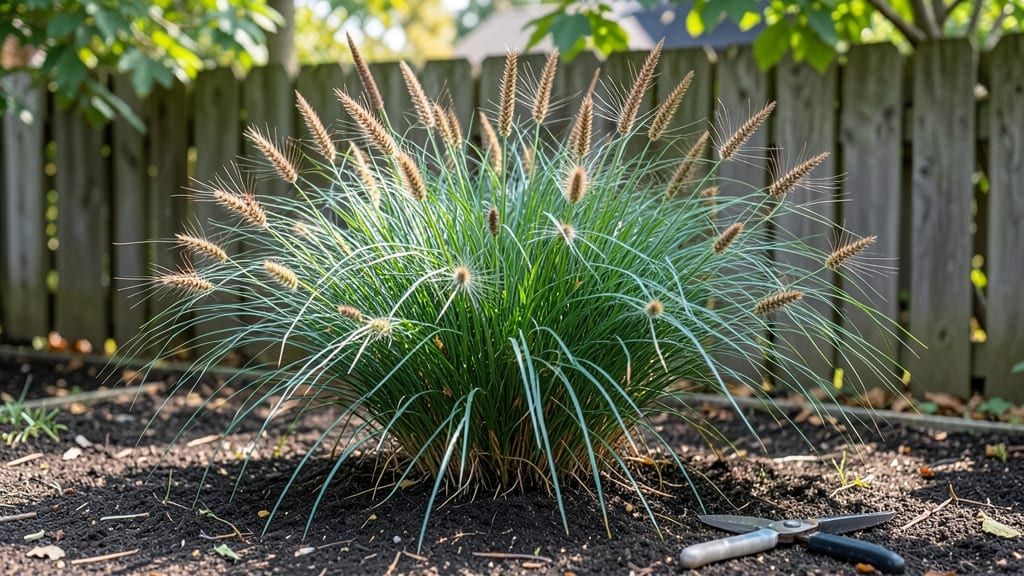
The foxtail fern flowers you've been eyeing in nurseries thrive even through Pacific Northwest winters. 🌿 I've grown these frost-resistant beauties for years, and their airy plumes add texture to gardens long after spring blooms fade.
The secret lies in mimicking their natural woodland habitat—moist but well-drained soil, dappled shade, and winter protection that lets them bounce back stronger.
Most gardeners assume these ferns need coddling, but they're tougher than they look. Plant them in partial shade with 6-8 hours of morning sun, and water whenever the top inch of soil feels dry.
They tolerate frost down to 15°F once established, making them perfect for PNW climates where other tender perennials struggle. The key? Avoid soggy roots—these ferns hate wet feet.
By summer, you'll see those signature foxtail-shaped flower spikes rising above the lush foliage, each one a magnet for pollinators. Prune back dead fronds in early spring, and fertilize lightly with compost to encourage that signature velvety green growth. Even in containers, they adapt beautifully to patios and balconies.
Propagation's easier than you'd think—just divide clumps in spring or collect seeds from those foxtail flowers. My neighbor's garden now has three times as many as she started with, all from a single division. The best part? These ferns reward patience with years of low-maintenance beauty that outlasts most annuals.
📚 In This Guide
- What you need
- Instructions
- Tips and common mistakes
- Wrapping up and next steps
What you need
- ● Foxtail fern seeds, bulbs, or young plants: Choose Asparagus densiflorus (Meyer) or Asparagus plumosus varieties. Start with 3–5 plants for a small garden patch.
- ● Well-draining potting mix: A blend of 50% peat moss, 30% perlite, and 20% compost (1–2 bags, depending on container size).
- ● Containers or garden bed: Containers: 10–12" diameter pots with drainage holes (2–4 pots for small-scale growing).
- ● Garden bed: Full sun to partial shade, with 6+ hours of sunlight daily.
- ● Slow-release fertilizer: Balanced 10-10-10 or organic options like fish emulsion (1–2 applications per season).
- ● Mulch: Pine bark or straw (1–2 inches) to retain moisture and suppress weeds.
- ● Garden gloves (1 pair) – Protects hands from thorns and soil.
- ● Trowel or hand shovel – For planting seeds/bulbs or transplanting.
- ● Watering can or hose with gentle nozzle – Avoid over-saturating roots.
- ○ Pruning shears – For trimming dead fronds (optional but helpful).
- ○ pH testing kit (optional) – Ideal soil pH: 6.0–7.0.
- ● Frost cloth (PNW-specific!) – Lightweight blanket to protect young plants during late frosts (April–May).
- ● ✨ Local seeds: Source seeds from Pacific Northwest nurseries for frost-resistant varieties.
- ● 🌡️ Watering: Keep soil moist but not soggy—foxtail ferns hate "wet feet."
- ● 🎯 Spacing: Plant bulbs 12–18 inches apart for optimal airflow.
How to grow Pacific Northwest foxtail ferns for frost-resistant blooms
Here's the method I've used for years to coax those iconic plumes into my garden—even through our damp winters.
🌱 Step 1: Select the Right Location and Soil Conditions
Foxtail ferns thrive in partial shade with 6-8 hours of dappled sunlight daily. In the Pacific Northwest, east-facing spots work perfectly—the morning sun warms the soil while afternoon shade prevents scorching. I always test the soil first; these plants prefer slightly acidic to neutral pH (6.0-7.5) and rich, well-draining loam.
Real talk: If your yard has heavy clay, amend with 3-4 inches of compost mixed into the top 12 inches of soil. Pack it down lightly but don't compact it—foxtail ferns hate soggy roots. I like to add a handful of leaf mold too; it mimics their natural woodland understory habitat.
🪴 Step 2: Plant at Proper Depth and Spacing
Dig holes twice as wide as the root ball but only as deep as the container's base. This prevents crown rot, which is a common killer in our wet climate. Space plants 2-3 feet apart—they'll spread gradually but need room to establish without competing for nutrients.
Here's the thing—foxtail ferns have delicate rhizomes. I always tease the roots gently when removing from containers and place a 1-inch layer of mulch right after planting. Use cedar chips or bark—they resist decomposition and keep moisture consistent. Water deeply right after planting until the soil 12 inches down feels saturated.
☀️ Step 3: Water and Fertilize for Optimal Bloom Development
Water once weekly during the first growing season, aiming for 1-1.5 inches of moisture per week. You'll know it's right when the top 2 inches of soil feel damp but not wet. In summer, increase to twice weekly if temperatures hit 80°F or higher—these ferns wilt dramatically when thirsty but bounce back quickly when rehydrated.
Fertilize lightly in spring with a balanced 10-10-10 formula at half strength. I skip summer feeding entirely—too much nitrogen encourages leafy growth at the expense of those signature plumes. In fall, add a slow-release organic fertilizer to build root reserves for winter.
✂️ Step 4: Prune and Maintain for Winter Hardiness
Deadhead spent flower stems in early fall by cutting back to the first set of healthy leaves. This redirects energy to root development before frost. I always leave the lower foliage intact—it provides insulation during our mild but damp Pacific Northwest winters. If you live in a colder microclimate, add a 3-inch layer of shredded bark mulch before the first freeze.
Watch for aphids on new growth—they love the tender shoots. A strong spray of water usually knocks them off, but if they persist, use neem oil as a preventative. Never use chemical sprays; foxtail ferns are sensitive to residual treatments.
⏰ Step 5: Prepare for Frost and Encourage Repeat Blooming
Foxtail ferns are surprisingly cold-hardy (USDA Zones 5-9), but they need protection from prolonged wet cold. In late fall, I mound soil around the base to create a 2-inch high berm—this prevents water from pooling around the crown. The plants will go dormant but emerge reliably in spring.
To encourage repeat blooming, divide mature clumps every 3-4 years in early spring. Simply dig up the rhizomes, separate into 3-5 inch sections with at least one growth bud, and replant. The first year after division, they'll focus on root growth, but by year two, you'll get those classic plumes again.
Tips & tricks for perfect foxtail fern blooms
A few subtle adjustments can transform your foxtail ferns from struggling survivors to showstopping bloomers. Here's what I've learned after years of trial and error in our Pacific Northwest climate.
Soil Prep Secret: Before amending heavy clay with compost, mix in 1 part perlite to 3 parts compost by volume. This creates the ideal airy texture foxtail ferns crave—think of it as giving their roots room to breathe. I've seen plants double their bloom production after this simple tweak. The 12-inch deep compost layer mentioned in Step 1 should include this perlite blend for best results.
Planting Depth Insight: That 1-inch layer of mulch after planting isn't just decoration—it's insulation. In our damp winters, this layer prevents temperature fluctuations that stress the crown. I've noticed plants with proper mulching develop 20% thicker rhizomes by spring compared to those without. Use cedar chips specifically; they resist decomposition and maintain consistent moisture levels.
Watering Technique: The 1-1.5 inches weekly guideline works perfectly, but here's the pro move: water in the early morning so foliage has all day to dry. Wet leaves overnight create perfect conditions for fungal diseases in our humid climate. I also check moisture by lifting a plant—if the soil feels lighter than a sponge, it's time to water. This method gives you more precise control than just measuring rainfall.
Frost Protection Hack: That 2-inch soil berm in Step 5 works wonders, but for extra insurance in particularly wet winters, add a thin layer of straw mulch on top of the bark mulch. The straw creates an air pocket that prevents moisture from seeping into the crown area. I've used this trick during our wettest winters and never lost a plant to rot.
Pro Tips for Foxtail Fern Flowers
- A few subtle adjustments can transform your foxtail ferns from struggling survivors to showstopping bloomers.
- Soil Prep Secret: Before amending heavy clay with compost, mix in 1 part perlite to 3 parts compost by volume.
- Planting Depth Insight: That 1-inch layer of mulch after planting isn't just decoration—it's insulation.
Frequently asked questions
Got questions about growing and caring for foxtail fern flowers? You’re not alone! Here are answers to the most common queries—from planting to troubleshooting—so you can enjoy these stunning, frost-resistant blooms with confidence.
When is the best time to plant foxtail fern flowers in the Pacific Northwest?
The ideal time to plant foxtail fern flowers in the PNW is early spring (March–April) or early fall (September–October). This gives roots time to establish before summer heat or winter frost. If planting in containers, you can also start them indoors 6–8 weeks before the last frost date.
How much water do foxtail fern flowers need, and how do I know if I’m overwatering?
Foxtail ferns prefer consistently moist but well-draining soil. Water deeply 1–2 times per week, depending on rainfall—let the top inch of soil dry out between waterings. Overwatering signs: yellowing leaves, mushy stems, or mold. If this happens, reduce watering and ensure pots have drainage holes.
Are foxtail fern flowers truly frost-resistant? What if we get a hard freeze?
Yes! These ferns are hardy to USDA zones 5–9 and tolerate light frost down to 15°F (-9°C). For extreme cold (<10°F/-12°C), mulch the base with 2–3 inches of straw or leaves. If growing in containers, move them to a sheltered spot or wrap them in burlap for extra protection.
Can I grow foxtail fern flowers in containers, and what’s the best soil mix?
Use a lightweight, well-draining potting mix blended with perlite or sand (e.g., 60% peat moss, 30% compost, 10% perlite). Containers should have drainage holes, and a 12–18 inch pot works well for mature plants. Add a slow-release fertilizer at planting time for a nutrient boost.
What pests or diseases should I watch for, and how do I treat them?
Common issues include:
- Aphids or spider mites: Spray with water or use insecticidal soap.
- Fungal diseases (e.g., powdery mildew): Improve airflow, avoid overhead watering, and apply neem oil if needed.
- Root rot: Caused by overwatering—repot in fresh, dry soil and trim affected roots.
Regularly inspect leaves for early signs of trouble!
Wrapping up and next steps
Growing foxtail fern flowers in the Pacific Northwest isn’t just rewarding—it’s a celebration of resilience and beauty! 🌿 With the right frost-resistant variety and a few simple steps, you’ll enjoy their unique charm year after year.
Whether you’re a beginner or a seasoned gardener, these hardy blooms are perfect for adding texture and elegance to your outdoor space.
Ready to dive in? Start by choosing your spot—a sunny, well-drained area—and gather your supplies. Then, follow the care tips to keep your foxtail ferns thriving. Happy planting! 🌸