
Flowers
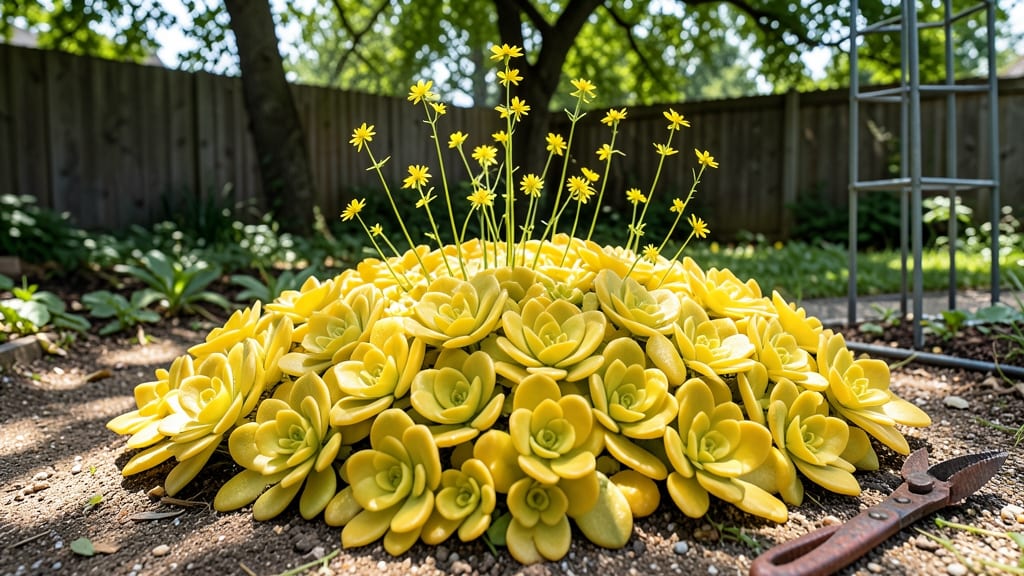
Yellow sedum flowers light up gardens with their cheerful glow—especially in the Pacific Northwest’s cool, damp climate. 🌸 I’ve grown these frost-resistant perennials for years, and they thrive where many sun-loving plants struggle.
The key is matching the right variety to your space and giving them just enough attention to keep them blooming.
These hardy plants love full sun but handle partial shade too, making them perfect for rocky slopes or containers. They ask for little: well-draining soil, occasional watering once established, and a quick trim after flowering.
Varieties like Sedum 'Angelina' and Sedum spectabile 'Brilliant' bring bright yellow hues that contrast beautifully with deep greens or purples.
By late summer, you’ll be rewarded with clusters of golden blooms that attract bees and butterflies—plus, they stay vibrant even after frost. The best part? They bounce back year after year with almost no effort. Ready to add this low-maintenance sunshine to your garden?
Pair them with lavender for height or salvia for texture, and watch your sunny spots transform into a pollinator paradise. Whether in borders or pots, these sedums prove beauty doesn’t require babying.
📚 In This Guide
- What you need
- Instructions
- Tips and common mistakes
- Wrapping up and next steps
What you need
- ● Sedum plants with yellow flowers (e.g., Sedum ‘Angelina’, Sedum ‘Matrona’, or Sedum ‘Autumn Joy’): 3–5 plants per 10 sq. ft. (check local nurseries for PNW-hardy varieties).
- ● Well-draining soil mix: 50% native soil, 30% compost, and 20% perlite or coarse sand (sedum hates soggy roots!).
- ● Organic mulch: 2–3 inches of shredded bark, straw, or pine needles (helps retain moisture and insulate roots in winter).
- ● Slow-release fertilizer: 10-10-10 or 5-10-10 (apply 1 tbsp per sq. ft. in early spring).
- ● Garden trowel or spade (for planting and soil prep).
- ○ Gloves (optional but recommended for prickly stems!).
- ● Watering can or hose with a gentle spray nozzle (sedum prefers deep but infrequent watering).
- ● Pruners or sharp scissors (for deadheading spent blooms and shaping plants).
- ● Sunlight spot: Full sun (6+ hours/day)—sedum thrives in the PNW’s bright, often cloudy summers!
- ○ Drainage test kit or DIY test (optional): Mix 1 cup soil + 1 cup water; if water pools after 2 hours, amend soil with sand.
- ● Rocks or pebbles (for a xeric garden look—sedum loves a dry, rocky aesthetic!).
- ● Companion plants: Echinacea, lavender, or ornamental grasses to create a pollinator-friendly display.
- ● Frost cloth (lightweight, for first-year seedlings in harsh PNW winters).
How to grow and maintain sedum with stunning yellow blooms
Here's the straightforward method I've used for years to keep these hardy perennials thriving in Pacific Northwest climates.
🌱 Step 1: Select the Right Variety and Planting Site
Choose sedum varieties known for their vibrant yellow flowers like 'Angelina' or 'Autumn Joy' for reliable performance. These plants thrive in full sun—at least 6 hours daily—so pick a south or west-facing spot where they'll receive maximum light exposure. In the Pacific Northwest's cooler climate, morning sun with afternoon shade works well during summer's intense heat.
Test your soil first—sedum prefers well-draining conditions. If your garden holds moisture, amend with 2-3 inches of gritty sand or gravel mixed into the top 12 inches of soil. The key is preventing soggy roots, which quickly lead to rot in these drought-tolerant plants. I always dig a hole twice as wide as the root ball to encourage outward growth rather than upward.
☀️ Step 2: Plant at the Correct Time and Depth
Plant your sedum in early spring or early fall when temperatures hover between 50-65°F. The cooler soil prevents transplant shock while giving roots time to establish before summer's heat. Place each plant so the top of the root ball sits 1 inch below soil level—this ensures stability and prevents the plant from drying out too quickly.
Space sedum plants 18-24 inches apart to allow for their mature spread. You'll see new growth appear within 3-4 weeks if conditions are right. Water deeply immediately after planting, then let the soil dry completely before watering again. This teaches the plant to develop deep roots rather than relying on frequent surface moisture.
💧 Step 3: Water and Fertilize for Optimal Growth
Once established, sedum thrives on neglect. Water only when the top 2 inches of soil feel completely dry—typically every 2-3 weeks during summer and less in winter. Overwatering is the fastest way to kill these drought-resistant plants. I check by sticking my finger into the soil; if it comes out clean, it's time to water.
Fertilize lightly in early spring with a balanced 10-10-10 formula applied at half-strength. Sedum doesn't need rich soil to flower beautifully. The yellow blooms develop best when the plant isn't overfed—too much nitrogen produces lush foliage at the expense of flowers. I skip fertilizer entirely in the second year unless the plant looks particularly weak.
✂️ Step 4: Prune and Prepare for Winter
After the first hard frost, when the foliage turns brown, cut back the stems to 2-3 inches above ground level. This prevents disease and makes space for fresh spring growth. I always use clean, sharp shears to avoid tearing the stems. The plant's basal rosette will remain protected by the surrounding soil, ready to burst forth in spring.
In the Pacific Northwest's mild winters, sedum rarely needs protection. However, if you experience prolonged sub-freezing temperatures below 10°F, mound a 2-inch layer of mulch around the base. This extra insulation prevents heaving and keeps the crown from freezing. Remove the mulch in early spring to allow the soil to warm up.
🌿 Step 5: Encourage Continuous Blooms Through the Season
To prolong the yellow flowering season, deadhead spent blooms by cutting back the flower heads to just above the first set of healthy leaves. This redirects the plant's energy toward producing new flowers rather than setting seed. I do this every 2-3 weeks during the blooming season, which typically runs from mid-summer to early fall.
Watch for signs of stress—yellowing leaves often indicate either overwatering or insufficient sunlight. If you notice leggy growth reaching toward the light, it's time to move the plant to a sunnier location. Sedum's yellow flowers will reward you with their brightest display when given these simple adjustments. The more you observe, the more you'll understand this plant's natural rhythms.
Tips & tricks for perfect sedum yellow flowers
These practical insights will help you coax the most vibrant yellow blooms from your sedum—especially in our Pacific Northwest climate where conditions can be tricky.
Sunlight Strategy: While sedum loves full sun, I've found that in our cooler climate, morning sun with afternoon shade during summer's heat waves actually produces more robust flowering. The key is giving plants enough light for photosynthesis without scorching the foliage. If you notice leaves turning yellow or crispy, it's a sign they're getting too much midday sun—try moving them slightly eastward.
Soil Science: The 2-3 inches of gritty sand or gravel amendment in Step 1 isn't just about drainage—it's about creating an air pocket around roots. I've seen sedum plants in heavy clay soil struggle even when watered correctly. For container growing, use a cactus/succulent mix with perlite for that perfect drainage. The goal is to mimic their natural rocky habitats where water runs right through.
Timing is Everything: Those 3-4 weeks for initial growth in Step 2 can feel like forever, but patience pays off. I've learned to check for new growth by gently tugging on the stems—if they resist slightly, roots are establishing. In our cooler springs, you might need to extend this period by a week or two. The cooler 50-65°F soil temperature range is crucial—any warmer and you risk shocking the roots.
Winter Prep Secret: When we get those rare sub-10°F nights, I don't just mound mulch—I also cover the plants with frost cloth for the first few nights. This gives the crown time to harden off. The 2-inch mulch layer works wonders for insulation, but the extra protection during extreme cold snaps prevents the basal rosette from freezing back too severely. Remove the cloth during the day so plants can photosynthesize.
Pro Tips for Sedum Yellow Flowers
- These practical insights will help you coax the most vibrant yellow blooms from your sedum—especially in our Pacific Northwest climate where conditions can be tricky.
- Sunlight Strategy: While sedum loves full sun, I've found that in our cooler climate, morning sun with afternoon shade during summer's heat waves actually produces more robust flowering.
- Soil Science: The 2-3 inches of gritty sand or gravel amendment in Step 1 isn't just about drainage—it's about creating an air pocket around roots.
Frequently asked questions
Got questions about growing sedum with yellow flowers in the Pacific Northwest? You’re in the right place! Here are answers to the most common queries—from planting tips to troubleshooting common issues.
When is the best time to plant sedum with yellow flowers in the PNW?
Plant sedum in early spring (March–April) or early fall (September–October) to give roots time to establish before winter. Avoid late-summer planting—heat stress can stunt growth. If buying potted sedum, transplant anytime the soil isn’t frozen!
How cold-hardy are yellow-flowering sedums in the PNW?
Most sedum varieties (like Sedum ‘Autumn Joy’ or ‘Matrona’) thrive in USDA Zones 3–9, handling winters down to -20°F (-29°C). In the PNW’s damp climate, ensure well-draining soil to prevent rot—mulch lightly in winter for extra protection.
Can sedum yellow flowers grow in partial shade?
While sedums love full sun (6+ hours/day), some varieties (like Sedum ‘Dragon’s Blood’) tolerate morning sun + afternoon shade. In deep shade, growth may become leggy, and flowers may fade. Test a spot for 4+ hours of light first!
Why aren’t my sedum flowers blooming?
Common culprits:
- Too much nitrogen (fertilizer) = leafy growth, few flowers. Use a low-nitrogen, high-phosphorus fertilizer in early spring.
- Overcrowding or poor drainage stress plants. Divide clumps every 3–4 years and amend soil with sand/gravel.
- Late pruning: Cut back dead flowers in early fall (not spring) to encourage next year’s blooms.
What’s a great PNW-friendly alternative if sedum doesn’t thrive?
Try these drought-tolerant, yellow-flowering perennials for the PNW:
- Coreopsis ‘Moonbeam’ – Bright yellow, thrives in poor soil.
- Erigeron ‘Seaside Daisy’ – Coastal-friendly, blooms summer–fall.
- Lavender ‘Grosso’ – Fragrant, pollinator magnet.
Wrapping up and next steps
Adding sedum yellow flowers to your Pacific Northwest garden is a brilliant way to embrace low-maintenance beauty and resilience! These frost-hardy perennials thrive in sunlight, offering vibrant color and year-round interest with minimal effort.
Whether you're a seasoned gardener or just starting, their adaptability makes them a perfect choice for any sunny spot.
Ready to transform your outdoor space? Start small—plant a few sedum varieties in containers or along borders—and watch your garden bloom with effortless charm. Happy gardening! 🌸