
Shrubs
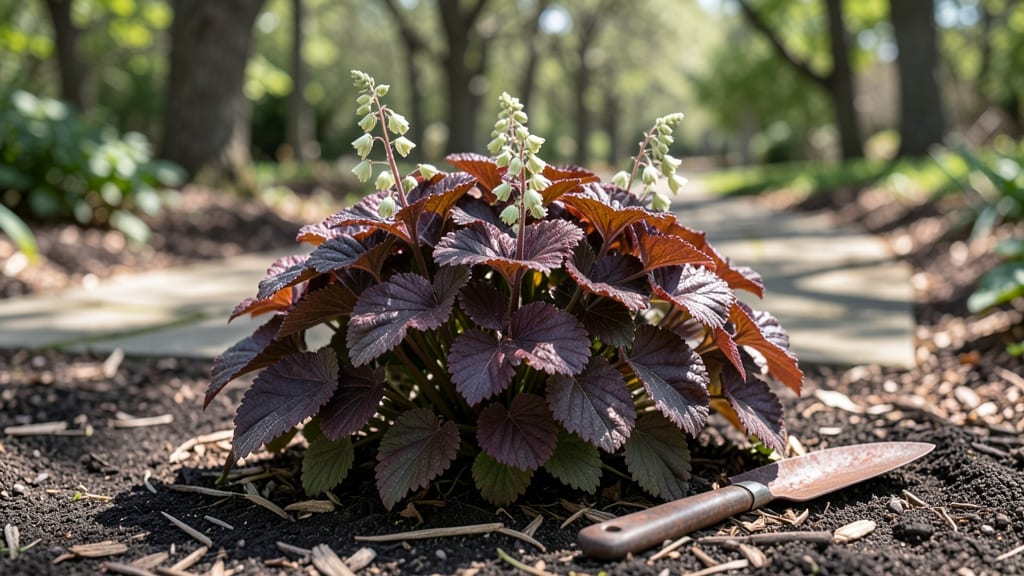
Small flowering perennial shrubs transform your Pacific Northwest garden into a buzzing, blooming paradise without the fuss. 🌸 I’ve tested these pollinator magnets in my own yard—where damp winters and mild summers can challenge delicate plants—and they thrive year after year, drawing bees, butterflies, and hummingbirds while adding color from spring to frost.
These shrubs are the workhorses of low-maintenance design: hydrangeas with their bold, cluster blooms, abelia with its fragrant, summer-long flowers, and butterfly bush (buddleia) that becomes a magnet for pollinators.
They handle shade, sun, or partial light, and their compact sizes (3–6 feet tall) fit borders, containers, or mixed beds beautifully. The key? Pairing them with complementary plants—like salvia or catmint—to extend their seasonal appeal.
Imagine your garden in July: hydrangeas in soft pinks, abelia’s tiny white flowers releasing their honey scent, and butterfly bush bursting with purple plumes. These shrubs don’t just survive—they dominate with minimal care, offering four seasons of interest when planted right.
Plus, their deep roots mean fewer watering headaches once established.
Whether you’re designing a cottage-style border, a modern container arrangement, or a pollinator-friendly meadow, these shrubs deliver. Let’s dive into the top PNW-approved picks and how to make them the stars of your garden.
📚 In This Guide
- What you need
- Instructions
- Tips and common mistakes
- Wrapping up and next steps
What you need
- ● Small flowering perennial shrubs: 3–5 plants per variety (e.g., Symphoricarpos albus "Snowberry," Heuchera spp., or Spiraea japonica "Goldflame"). Quantities depend on garden size and desired coverage.
- ● Choose native or Pacific Northwest-adapted species for best results (e.g., Oemleria cerasiformis "Osoberry" or Holodiscus discolor "Ocean Spray").
- ● High-quality potting soil or native compost: 1–2 cubic yards (for in-ground planting) or 5–10-gallon bags (for containers). Opt for well-draining, organic-rich soil (amend with perlite or sand if your soil is clay-heavy).
- ● Mulch: 2–3 inches of organic mulch (cedar chips, pine bark, or shredded leaves) to retain moisture and suppress weeds.
- ● Slow-release fertilizer: 10–20 lbs of balanced, organic fertilizer (e.g., 10-10-10 or a compost-based blend) to kickstart growth.
- ● Hand trowel or transplant spade: For digging small holes (6–12 inches wide/deep).
- ● Garden gloves: A pair to protect your hands from thorns (e.g., Rosa spp.) or prickly stems.
- ● Watering can or hose with a gentle spray nozzle: For post-planting hydration (aim for 1–2 gallons per plant initially).
- ○ Pruners (bypass or anvil): Sharp, sterilized pruners for trimming dead blooms or shaping shrubs (optional but helpful).
- ● Sunlight assessment: Confirm your planting area gets partial to full sun (most PNW perennials thrive in 4–6 hours of sunlight daily).
- ● Water source: Ensure easy access to water for the first 2–4 weeks post-planting.
- ● Pollinator-friendly location: Plant near paths or seating areas so you can enjoy the buzzing activity!
- ○ Optional but handy: A plant tag organizer to track varieties and care notes.
- ● Epsom salt or iron supplement (for Heuchera or Bergenia if leaves appear pale).
- ● Bird netting (if planting near hummingbird magnets like Penstemon or Salvia).
Step-by-step guide to planting Pacific Northwest pollinator shrubs
Here’s how to establish four hardy, blooming shrubs that thrive in PNW climates.
🌱 Step 1: Choose the Right Shrubs for Your Site
Select four Pacific Northwest-approved pollinator shrubs suited to your microclimate. For sun-drenched spots, go for Ceanothus (blue wild lilac) or Symphoricarpos (snowberry). Shadier areas? Spiraea or Weigela deliver reliable blooms. I always check USDA Zone 7-9 hardiness ratings—these shrubs handle our wet winters and dry summers without fuss.
Dig a hole twice as wide as each root ball but only as deep as the container’s base. Loosen compacted soil at the bottom with your hands or a trowel—this prevents root circling. Real talk: If your soil feels like concrete, amend it with 2 inches of compost mixed into the bottom of the hole. This gives roots a nutrient boost right where they’ll settle.
🪴 Step 2: Plant with Proper Spacing and Support
Space shrubs 3-6 feet apart, depending on their mature size. Ceanothus needs 5-6 feet of breathing room, while Spiraea thrives at 3 feet. I like to sketch a rough layout first—this prevents overcrowding later. Place each shrub so the top of the root ball sits 1 inch above ground level. This prevents soil from smothering the stem as it settles.
Backfill with native soil, tapping the sides of the hole gently to eliminate air pockets. Water deeply until moisture reaches 6 inches down. You’ll know it’s right when water pools slightly at the surface but drains within 15 minutes. Mulch with 2-3 inches of wood chips, keeping it 6 inches away from stems to avoid rot. This mimics the forest floor’s natural moisture retention.
☀️ Step 3: Water and Fertilize for First-Year Establishment
Water newly planted shrubs twice weekly for the first month, then taper to once weekly once leaves appear. Check soil moisture by sticking your finger 2 inches deep—if it feels dry, water again. Overwatering here kills more shrubs than drought. I use a soaker hose to deliver moisture directly to roots without wetting foliage, which reduces fungal risks.
Skip fertilizer the first year unless your soil tests show deficiencies. Too much nitrogen now encourages leafy growth at the expense of root development. Instead, top-dress with 1 inch of compost in early spring. This feeds soil microbes that, in turn, strengthen root systems. By year two, you’ll see robust blooms because the plants are already established.
✂️ Step 4: Prune for Shape and Pollinator Appeal
Prune Ceanothus and Weigela immediately after flowering to encourage next year’s blooms. Cut back one-third of the oldest stems to the ground—this rejuvenates growth. For Spiraea and Symphoricarpos, prune in late winter or early spring before buds swell. Remove dead or crossing branches first, then shape lightly. You’ll see new growth emerge within 2-3 weeks—that’s your signal everything’s working.
Leave some “wild” stems unpruned to provide nesting sites for native bees. I always leave a few branches with seed heads through winter—they feed birds and add texture to the garden. After the first hard frost, clean up any diseased foliage, but leave the rest. Decomposition returns nutrients to the soil naturally.
Tips & tricks for planting Pacific Northwest pollinator shrubs
Between us, these four shrubs will transform your garden into a buzzing haven—but only if you nail the details. Here's what nobody tells you about getting it right the first time.
Soil Prep Secret: Before digging that hole twice as wide as the root ball, test your soil's drainage by filling a small container with water and placing it in the hole for 15 minutes. If water remains after that time, amend with 2-3 inches of coarse sand mixed into the bottom 6 inches of the hole. Our PNW clay soils can suffocate roots if not properly aerated—this simple test prevents future waterlogging issues.
Root Ball Placement: That 1-inch elevation above ground level is critical—it prevents soil from settling over time and smothering the stem. I've seen gardeners bury the root ball too deeply, which leads to stem rot. Use a level or even a small board to create a consistent planting depth across all four shrubs. This ensures uniform growth and prevents future pruning headaches.
Watering Wisdom: The 6-inch moisture depth and 15-minute drainage test aren't just arbitrary numbers—they create the perfect balance for young roots. After planting, I like to create a shallow basin around each shrub to direct water straight to roots. This prevents surface evaporation and ensures every drop reaches where it's needed most during those critical first two weeks.
Pruning Precision: When cutting back one-third of the oldest stems for Ceanothus or Weigela, make your cuts just above a set of healthy buds. I use sharp pruners and make clean cuts at a 45-degree angle to prevent water from pooling on the stem. This technique reduces disease risk and promotes faster regrowth. For Spiraea and Symphoricarpos, wait until you see those first buds swell before pruning—this ensures you're not cutting off potential blooms.
Pro Tips for Small Flowering Perennial Shrubs
- Between us, these four shrubs will transform your garden into a buzzing haven—but only if you nail the details.
- Soil Prep Secret: Before digging that hole twice as wide as the root ball, test your soil's drainage by filling a small container with water and placing it in the hole for 15 minutes.
- Root Ball Placement: That 1-inch elevation above ground level is critical—it prevents soil from settling over time and smothering the stem.
Frequently asked questions
Got questions about small flowering perennial shrubs?
You’re not alone! Here are some of the most common queries—plus straightforward answers to help you grow with confidence.
What’s the easiest small flowering perennial shrub for beginners?
Start with Heuchera (coral bells) or Spiraea japonica (Japanese spirea). Both are hardy, low-maintenance, and thrive in partial shade to full sun. Heuchera adds vibrant foliage, while spirea bursts with clusters of pink or white blooms. Pro tip: Plant in well-draining soil and water consistently until established.
How long does it take for these shrubs to bloom after planting?
Most small flowering perennials bloom within 1–2 years of planting, though some (like Weigela or Abelia) may take slightly longer. Early bloomers like Diervilla lonicera (bush honeysuckle) often surprise you with flowers the first year! Patience pays off—just ensure they’re planted in the right light conditions for your zone.
Which shrubs attract the most pollinators in the Pacific Northwest?
Top picks for bees, butterflies, and hummingbirds include:
- Ceanothus (California lilac) – Blue blooms = bee magnet
- Symphoricarpos (snowberry) – Pink flowers + berries for late-season pollinators
- Penstemon (beardtongue) – Tubular flowers hummingbirds adore
- Salvia (sage) – Drought-tolerant and packed with nectar
Do these shrubs survive PNW winters without extra protection?
Most small flowering perennials are hardy to USDA Zones 5–9, meaning they’ll handle PNW winters (Zone 7–9) with ease. Exceptions? Abelia or Weigela may need a light mulch layer in harsh winters. Avoid pruning in late fall—wait until early spring to encourage new growth. Pro tip: Group shrubs together for shared warmth!
What can I plant instead if my shrub isn’t thriving?
If your shrub struggles with disease, pests, or poor growth, try these resilient alternatives:
Problem
Swap For
Too much shade
Hydrangea macrophylla (bigleaf hydrangea) or Pieris japonica (Japanese andromeda)
Drought stress
Cotoneaster or Caryopteris (bluebeard)
Pests (aphids, spider mites)
Nepeta (catmint) or Lavandula (lavender)
Wrapping up and next steps
Small flowering perennial shrubs are the unsung heroes of the Pacific Northwest garden—packing beauty, resilience, and a serious pollinator punch! 🐝 From sun-loving Spirea to shade-tolerant Heuchera, these low-maintenance plants turn any space into a thriving ecosystem while keeping your workload light.
Whether you're a seasoned gardener or just starting, these shrubs prove that big impact doesn’t require big effort.
Ready to transform your outdoor space? Pick one (or three!) of these pollinator magnets and watch your garden buzz with life—literally. Start small, experiment, and let your green thumb shine! 🌿