
Flowers
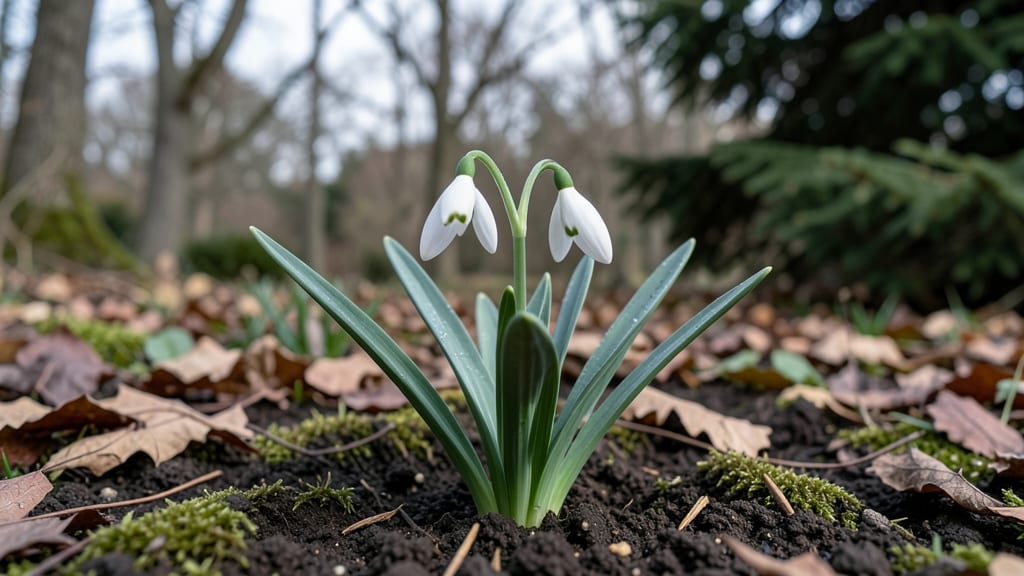
Growing small white bulb flowers like snowdrops or grape hyacinths turns your garden into a quiet winter masterpiece—no fuss, just pure elegance. 🌱 These delicate blooms naturalize effortlessly, popping up year after year with minimal care, and their soft white petals create a dreamy contrast against dark soil or evergreens.
What makes them special is how they thrive in spots where other plants struggle, from shady corners to rocky slopes.
The secret to their success lies in the soil: well-draining, slightly sandy mixes work best, and they’re happy in partial shade where most bulbs refuse to bloom.
Plant them in fall (October-November in most zones) about 3-4 inches deep, spacing clusters 2-3 inches apart—they’ll multiply over time, giving you more blooms with zero effort. Water lightly after planting, then let nature take over.
By late winter or early spring, you’ll see those first slender stems piercing the ground, followed by clusters of tiny white bells or star-shaped flowers that smell faintly sweet. The best part? They fade gracefully, leaving behind strappy foliage that adds texture until summer.
Pair them with hellebores or ferns for a woodland garden effect, or let them naturalize under trees where they’ll outlast trendy annuals.
Whether you’re filling a shady border or adding winter interest to a sunny spot, these bulbs deliver foolproof beauty with almost no maintenance. The key is patience—give them a few years, and they’ll reward you with dense, self-sustaining displays that bloom before most of the garden even wakes up.
Ready to grow a garden that feels like a secret? Let’s get planting.
📚 In This Guide
- What you need
- Instructions
- Tips and common mistakes
- Wrapping up and next steps
What you need
- ● Bulbs: Small white bulb flowers (e.g., Galanthus nivalis (snowdrops), Leucojum aestivum (summer snowflake), or Chionodoxa luciliae (glory of the snow)). Purchase 10–20 bulbs for a full, natural look.
- ● Potting soil: Well-draining, organic-rich mix (e.g., 50% peat moss or coconut coir + 50% perlite or sand). 1–2 bags (1 cubic foot each) for outdoor planting.
- ○ Containers (optional for indoor/container gardening): 6–8-inch pots with drainage holes (1–2 pots per bulb). Choose breathable materials like terracotta or fabric.
- ● Compost or fertilizer: Balanced, slow-release granular fertilizer (e.g., 10-10-10 NPK ratio). Use 1 tbsp per 10 sq ft of garden bed or per pot.
- ● Mulch: Organic mulch (e.g., shredded bark or straw) to retain moisture and regulate soil temperature. 2–3 inches spread evenly.
- ● Garden trowel or bulb planter (for digging holes 2–3 times the bulb’s height).
- ● Watering can or hose with a gentle spray nozzle (avoid oversaturating bulbs).
- ○ Gloves (optional but recommended for handling soil and bulbs).
- ● Sunlight gauge: Know your space’s sunlight exposure (most small white bulbs thrive in partial shade to full sun).
- ● Patience! These bulbs may take 2–4 weeks to sprout and 6–8 weeks to bloom.
- ● Slow-release bulb fertilizer (e.g., Osmocote Bulb Food) for extra nourishment.
- ● Plant labels to track varieties (especially useful if growing multiple types!).
- ● Garden stakes or pebbles to mark planting spots and prevent soil erosion.
- ● Indoor grow lights (if growing indoors in low-light areas).
- ● Companion plants like heuchera or ferns to create a lush, layered look.
Step-by-step guide for planting and caring for small white bulb flowers
Here’s how I grow delicate white blooms that thrive with almost no fuss.
🌱 Step 1: Choose the Right Bulbs and Planting Time
Select small white bulb flowers like snowdrops (Galanthus), winter aconites (Eranthis), or snowflakes (Leucojum). These hardy varieties handle cold and bloom early, often before spring greens emerge. Plant bulbs in fall, about 6-8 weeks before the ground freezes—this gives roots time to establish before winter.
I dig holes twice as deep as the bulb’s height (usually 4-6 inches deep) and space them 3-4 inches apart. If planting in containers, use pots with drainage holes and fill with well-draining soil. The key is to mimic their natural woodland habitat—moist but not soggy soil and partial shade.
💧 Step 2: Water and Mulch for Winter Protection
After planting, water deeply to settle the soil around the bulbs. This ensures they don’t dry out during their dormant period. Once the ground freezes, add a 2-3 inch layer of mulch (like shredded leaves or straw) to insulate the soil and protect the bulbs from extreme cold. I always mulch after the first frost—this prevents heaving when freeze-thaw cycles occur.
Don’t overwater once the ground freezes. The bulbs need moisture, but soggy soil can rot them. Check occasionally in dry winters—just enough to keep the soil from drying out completely. You’ll see shoots emerge in early spring, often as soon as snow melts.
☀️ Step 3: Provide Light and Watch for Blooms
Small white bulb flowers thrive in partial shade to full sun, but too much direct sun can scorch their delicate petals. I plant mine where they get morning sun and afternoon shade, especially in hotter climates. If you notice leaves wilting or turning yellow, they’re getting too much sun—move them to a shadier spot.
Once blooms appear (usually February to April, depending on your zone), resist the urge to deadhead unless the foliage looks unsightly. The leaves need 6-8 weeks to photosynthesize and store energy for next year’s flowers. If you cut back too soon, you’ll weaken the bulb and reduce next year’s blooms.
✂️ Step 4: Maintain and Encourage Regrowth
After blooming, let the foliage die back naturally. I stop watering once the leaves turn yellow and brown—this signals the bulb is going dormant. If you’re in a warm climate, you can lightly water through summer to keep the soil slightly moist, but avoid overwatering. These bulbs are tough and can handle drought once established.
In late summer, fertilize lightly with a balanced 10-10-10 fertilizer to boost next year’s blooms. I sprinkle a handful around the base and water it in. Avoid high-nitrogen fertilizers—they encourage leaf growth at the expense of flowers. By fall, the cycle begins again, and you’re ready to plant more bulbs or expand your garden.
Tips & tricks for perfect small white bulb flowers
These simple strategies will help you grow vibrant white blooms that return year after year with almost no effort.
Timing is Everything: The 6-8 week window before ground freeze is critical for root establishment. I always check my local frost date and mark this time on my calendar—planting too early can encourage premature growth, while waiting too long means weak roots before winter. For container gardeners, use a thermometer to monitor soil temps; bulbs need to experience cold to bloom properly.
Soil Science: The woodland habitat secret isn't just about shade—it's about moisture retention. Amend your planting area with 25% compost to improve drainage while holding moisture. I mix in a handful of perlite for every 5 gallons of soil to prevent waterlogging, which is especially important in clay-heavy soils where these delicate bulbs can rot.
Mulching Mastery: That 2-3 inch mulch layer does more than insulate—it creates a microclimate. I use straw rather than leaves because it breaks down more slowly and won't mat down when wet. In particularly cold climates, consider adding a second layer of mulch after the first snowfall for extra protection against temperature swings.
Light Balance: The morning sun/afternoon shade rule isn't arbitrary—it prevents leaf scorch while still providing enough light for photosynthesis. I test my garden spots by placing a white plate where I plan to plant; if it gets hot enough to warm your hand in afternoon sun, that's too much direct exposure. For containers, rotate them weekly to ensure even light exposure all around.
Pro Tips for Small White Bulb Flowers
- These simple strategies will help you grow vibrant white blooms that return year after year with almost no effort.
- Timing is Everything: The 6-8 week window before ground freeze is critical for root establishment.
- Soil Science: The woodland habitat secret isn't just about shade—it's about moisture retention.
Frequently asked questions
Got questions about growing and caring for small white bulb flowers? You’re not alone! Here are some of the most common queries—plus quick, practical answers to keep your garden blooming effortlessly.
What are the best small white bulb flowers for beginners?
Start with Paperwhites (Narcissus papyraceus) or Snowdrops (Galanthus)—they’re hardy, low-maintenance, and thrive in containers or garden beds. Daffodils (Narcissus) are another great pick for their resilience and cheerful blooms. All three require minimal sunlight and water once established!
How long do small white bulb flowers take to bloom after planting?
Timing varies by type! Paperwhites bloom in just 4–6 weeks when forced indoors, while Snowdrops may take 2–3 months in cooler climates. Daffodils typically bloom 4–6 weeks after soil temps hit 40°F (4°C). Check your bulb variety’s specific needs for the most accurate timeline.
Do small white bulb flowers need full sun, or can they grow in shade?
Most prefer partial shade to full sun (4–6 hours daily), but Snowdrops tolerate deeper shade, making them ideal for woodland gardens. Paperwhites can handle indoor windowsills with bright, indirect light. Overly hot, direct sun may scorch leaves—mulch to protect bulbs in extreme heat.
Why aren’t my small white bulb flowers blooming this year?
Common culprits include overwatering (bulbs rot), poor drainage (root suffocation), or lack of dormancy (no winter rest). Ensure bulbs get 6+ weeks of cool, dry storage post-bloom. Also, check for pests like squirrels or slugs—they love digging up bulbs!
Can I force small white bulb flowers indoors for holiday gifts?
Paperwhites are the easiest—plant bulbs in shallow containers with pebbles and water (no soil needed). Place in a cool, dark spot for 2–3 weeks, then move to bright light. Snowdrops also work but require patience (they bloom later). Pro tip: Add a few drops of lemon juice to the water to slow bacterial growth!
What can I plant alongside small white bulb flowers for year-round color?
Pair them with heucheras (ornamental foliage), ferns (for shade), or early spring crocuses for sequential blooms. For containers, mix in ajuga or sweet alyssum—both thrive in similar conditions and add texture. Avoid heavy feeders like petunias, which compete for nutrients.
Wrapping up and next steps
Small white bulb flowers are the perfect way to add effortless elegance and year-round charm to your garden with minimal fuss! 🌸 Whether you're drawn to their delicate blooms or their hardy nature, these beauties prove that stunning results don’t require constant pruning or high-maintenance care.
With the right soil, sunlight, and a little patience, you’ll enjoy their fresh, crisp appeal for seasons to come.
Ready to transform your space? Start by picking your favorite variety—like snowdrops, daffodils, or alliums—and plant them this season. Your garden’s next masterpiece is just a bulb away! 🌱