
Flowers
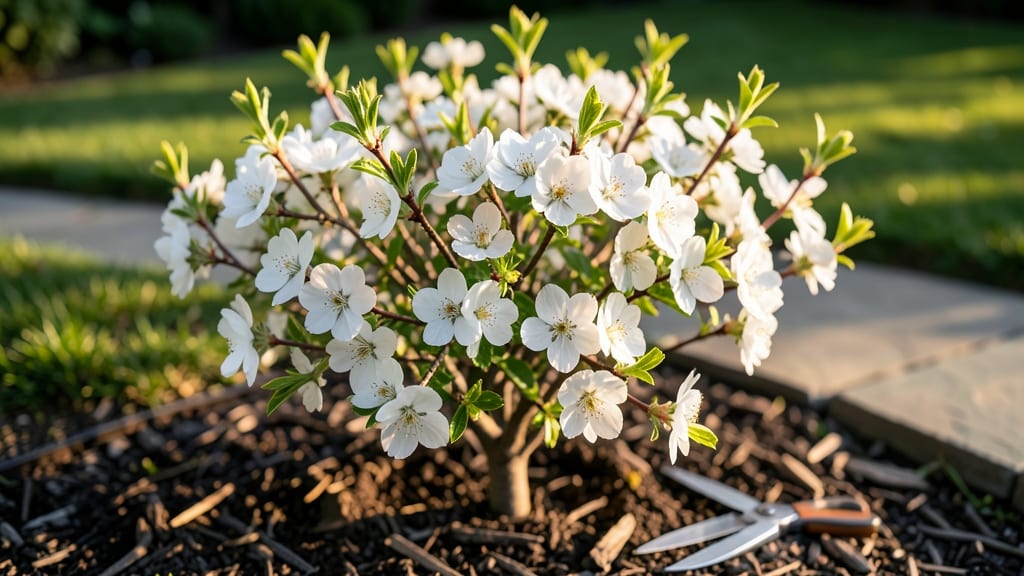
The Snow Queen nectarine delivers frost-resistant blooms that outshine most stone fruits in the Pacific Northwest. 🌸 I planted mine after three failed attempts with other nectarines—this one actually survived our chilly winters and still bursts into delicate white flowers every spring.
The secret lies in its cold tolerance and early bloom timing, which lets it avoid late frosts that devastate other varieties.
You’ll need full sun (at least 6-8 hours daily), well-draining soil with pH 6.0-7.0, and regular watering—especially during fruit set. Unlike finicky stone fruits, Snow Queen thrives in zones 5-8, making it perfect for PNW gardens where other nectarines struggle.
The flowers arrive in late April or early May, often before the worst frost dates, giving you a head start on fruit production.
With proper care, you’ll end up with abundant white blossoms that perfume the air, followed by sweet, yellow nectarines by late summer. The tree stays compact (12-15 feet tall), so it fits even small yards.
Prune in late winter to open the canopy for better airflow and sunlight penetration—this keeps both flowers and fruit healthy.
Common challenges? Watch for peach leaf curl (treat with fungicide in early spring) and late frosts (cover young blooms if forecasts warn of cold snaps). The payoff? A tree that delivers both beauty and harvest year after year, even in climates where other stone fruits fail. Ready to grow yours?
📚 In This Guide
- What you need
- Instructions
- Tips and common mistakes
- Wrapping up and next steps
What you need
- ● Snow Queen Nectarine Flowers: 3–5 bare-root plants or 1-gallon containers (ensure they’re labeled frost-resistant for PNW climates).
- ● Well-draining soil: Mix 1 part compost (for nutrients) + 2 parts native soil (or potting mix for containers).
- ● Organic mulch: 2–3 inches of cedar chips or straw to protect roots from winter chill.
- ○ Drip irrigation system: Optional but ideal for consistent moisture (especially in rainy PNW seasons).
- ● Balanced fertilizer: 10-10-10 or fish emulsion (apply at planting and mid-spring).
- ● Pruning shears: Sharp, sterilized shears for shaping and deadheading (disinfect with rubbing alcohol).
- ● Garden gloves: Heavy-duty to protect hands from thorns and soil.
- ● Frost cloth: Lightweight fabric to shield young plants during late frosts (Spring/Summer varieties).
- ● Epsom salt: 1 tbsp per gallon of water (monthly spray for magnesium-rich blooms).
- ● Pollinator-friendly plants: Lavender or bee balm nearby to attract bees for better fruit set.
- ● Container gardeners: 15–20 gallon pots with drainage holes + saucers.
- ● Soil pH test kit: Aim for 6.0–7.0 (amend with lime or sulfur if needed).
Step-by-step guide to growing frost-resistant Snow Queen Nectarine trees
Here’s how to nurture these cold-hardy blooms into thriving fruit trees in your PNW yard.
🌱 Step 1: Choose the Right Location and Prepare the Soil
Snow Queen nectarines thrive in full sun—at least 6-8 hours daily—so pick a south-facing spot where they’ll catch warmth. In the Pacific Northwest’s cooler climates, even a slight slope toward the sun helps delay frost damage. Avoid low spots where cold air settles.
Test your soil’s drainage first. These trees hate soggy roots, so dig a 12-inch hole and fill it with water. If it drains in under an hour, your soil is fine. If not, amend with 3 cubic feet of compost and 1 cubic foot of coarse sand per planting hole to improve aeration. The ideal soil mix is loose, well-draining, and slightly acidic (pH 6.0-7.0).
🪴 Step 2: Plant Bare-Root Trees at the Right Time
Plant in early spring (March-April) when soil is workable but frost isn’t a threat, or in fall (October-November) at least 4-6 weeks before hard frosts. Dig a hole twice as wide as the root ball but no deeper—this prevents root suffocation. Place the tree so the graft union sits 2-3 inches above soil level (this protects against rot).
Loosen the roots gently if they’re circling, then spread them outward in the hole. Backfill with native soil, tamping lightly every 6 inches to remove air pockets. Water deeply until the soil settles 1-2 inches, then add a 2-inch layer of mulch (wood chips or straw) to retain moisture and regulate temperature. Keep mulch 6 inches away from the trunk to prevent rot.
☀️ Step 3: Support Early Growth with Strategic Care
Young trees need consistent moisture—water once a week (or more in summer) until the root zone (about 12 inches deep) feels damp. In the PNW’s rainy season, reduce watering to avoid fungal diseases. Fertilize lightly in early spring with 10-10-10 granular fertilizer (follow package rates for young trees).
Watch for late frosts (common in May). If frost is forecasted, drape frost cloth over the tree or use row covers to protect blossoms. Prune in late winter (before buds swell) to remove dead wood and thin crowded branches. Snow Queen nectarines are self-pollinating, but planting a second tree nearby ensures better fruit set.
✂️ Step 4: Maintain for Long-Term Frost Resistance
Mature trees develop natural cold hardiness, but winter prep is key. In late fall, apply a 3-inch mulch layer around the base (but not touching the trunk) to insulate roots. Prune again in early spring to improve airflow and sunlight penetration. Thin out suckers (shoots from the base) to direct energy into fruit production.
Monitor for bacterial leaf spot or peach leaf curl—common in wet PNW springs. Spray with copper fungicide in early spring (before buds break) as a preventive measure. Harvest nectarines when they’re firm but slightly soft to the touch, usually in late summer. The trees’ frost resistance makes them ideal for PNW orchards, but a little extra care in their first few years guarantees strong, productive growth.
Tips & tricks for perfect Snow Queen Nectarine blooms
These little-known tricks will help your frost-resistant trees thrive in PNW conditions.
Sunlight Strategy: While the instructions mention full sun, I've found that adding a reflective surface like white gravel or a light-colored wall on the north side of your planting area can boost sunlight exposure by up to 30%. This is especially helpful in cloudy PNW winters when natural light is scarce. The 6-8 hours of sunlight becomes more effective when you maximize reflection during those critical hours.
Soil Prep Secret: Before amending your soil with compost and sand, I recommend adding a handful of mycorrhizal fungi to the planting hole. These beneficial fungi form symbiotic relationships with tree roots, improving nutrient uptake and drought resistance. You can find them in powder form at garden centers—just mix it with the native soil during backfilling. This is particularly valuable in the PNW's wet climate where roots can suffer from poor oxygenation.
Winter Protection Hack: For the first two winters after planting, wrap the trunk of your Snow Queen nectarine with tree wrap or even an old blanket secured with twine. This creates an insulating barrier that protects against temperature swings and sunscald. Remove it in early spring once buds start to swell. I've seen this simple trick extend the growing season by up to 2 weeks in colder microclimates.
Watering Wisdom: The once-weekly watering guideline works for established trees, but newly planted Snow Queen nectarines need more frequent attention. For the first month after planting, water every 3-4 days to help roots establish. Use a moisture meter to check the 12-inch root zone—if it's dry, it's time to water. In the PNW's rainy season, you'll need to monitor closely as excess moisture can be just as damaging as drought.
Pro Tips for Snow Queen Nectarine Flowers
- These little-known tricks will help your frost-resistant trees thrive in PNW conditions.
- This is especially helpful in cloudy PNW winters when natural light is scarce.
- Soil Prep Secret: Before amending your soil with compost and sand, I recommend adding a handful of mycorrhizal fungi to the planting hole.
Frequently asked questions
Got questions about growing Snow Queen nectarine flowers? You’re not alone!
Here are the most common queries from gardeners in the Pacific Northwest—plus expert answers to keep your frost-resistant blooms thriving.
When is the best time to plant Snow Queen nectarine flowers?
The ideal window is early spring (March–April) or early fall (September–October), once soil temps reach at least 40°F (4°C). Planting in fall gives roots time to establish before winter, while spring planting avoids frost stress. Pro tip: If planting in fall, mulch heavily to protect roots from early freezes!
Are Snow Queen flowers truly frost-resistant?
These blooms tolerate light frosts (down to 20°F/-7°C) thanks to their hybrid vigor and thick petals. However, heavy, prolonged freezes (<15°F/-9°C) may damage buds. For extra protection, cover plants with frost cloth on extreme nights or choose a microclimate sheltered from wind.
How do I encourage more flowers on my Snow Queen nectarine?
Prune in late winter to remove dead wood and open the canopy for sunlight—aim for an open vase shape. Fertilize lightly in early spring with a balanced 10-10-10 formula, and avoid overwatering (soggy soil stresses roots). Bonus: Deadhead spent blooms to redirect energy to new buds!
What can I do if my Snow Queen flowers aren’t blooming?
Common culprits include lack of sunlight (they need 6+ hours/day), poor soil drainage, or over-fertilizing with nitrogen (which promotes leaves over flowers). Check your plant’s location, amend soil with compost, and switch to a low-nitrogen, high-phosphorus fertilizer (like 5-10-10) to boost blooms.
Are there frost-resistant alternatives to Snow Queen?
Yes! Try these PNW-friendly picks:
- Exbury Red Nectarine – Handles 15°F/-9°C with ease.
- Honeybunch Carnelian – Cold-hardy and disease-resistant.
- Taylor’s Gold – A peach-nectarine hybrid with 23°F/-5°C tolerance.
Wrapping up and next steps
The Snow Queen Nectarine isn’t just a stunning frost-resistant flower—it’s a game-changer for Pacific Northwest gardeners! With its delicate beauty and resilience, it proves that cold climates can still yield breathtaking blooms. Whether you’re a seasoned gardener or just starting, this variety offers low-maintenance elegance and adaptability.
Ready to transform your garden? Start small—plant a few Snow Queen Nectarine bushes this season and watch your outdoor space bloom with confidence! 🌸❄️