
Trees
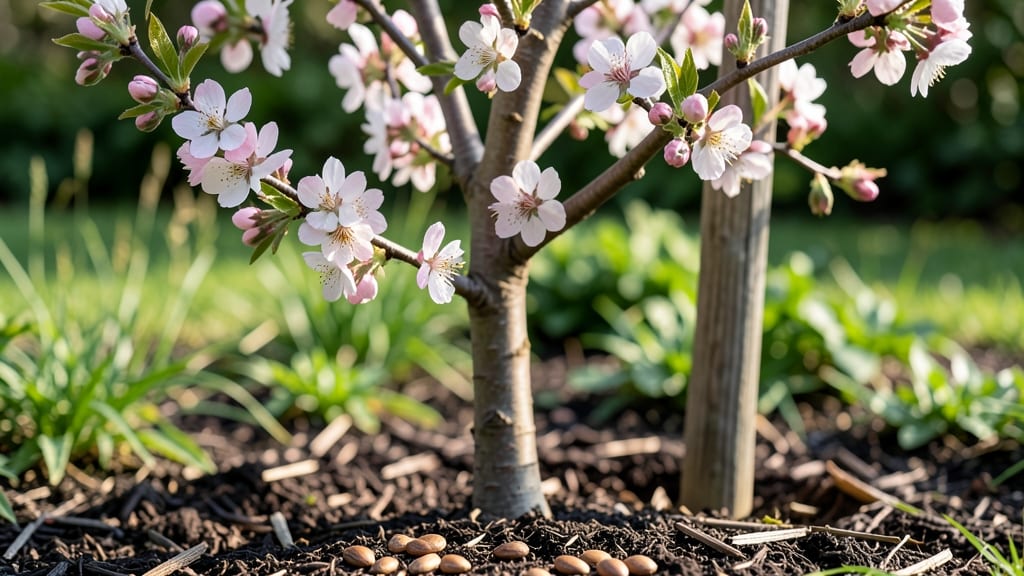
Spring’s floral parade holds the key to your future harvest—each blossom tells a story if you know how to listen. 🌸 Identifying fruit trees by their flowers isn’t just about admiring pretty blooms; it’s the first step toward growing apples that taste like childhood, cherries so sweet they stain your fingers, or citrus that smells like sunshine.
I’ve spent years watching blossoms unfurl in my own yard, and once you recognize these patterns, you’ll spot them instantly: the delicate pink lace of peach trees, the bold white trumpets of crabapples, or the fragrant clusters of figs that appear when you least expect them.
The secret lies in three details: color, shape, and timing. A magnolia’s creamy-white, cup-shaped blooms appear before leaves in early spring, while apple blossoms burst in clusters of pink and white right as robins return. Cherry trees?
Their dark pink, almond-shaped flowers arrive later, often just as the first bees wake up for the season. Grab a notebook this spring and jot down what you see—you’ll start recognizing these floral signatures faster than you think, and suddenly, your backyard becomes a living catalog of future fruit.
This isn’t just about naming pretty flowers—it’s about planning your orchard like a pro. Knowing which trees bloom together helps you attract pollinators, predict harvest windows, and even troubleshoot problems before they start. That cluster of white, five-petaled blossoms?
Likely a pear tree, and it’ll need a partner like a quince to set fruit. The payoff? A garden that doesn’t just grow fruit, but grows the right fruit—juicy, abundant, and perfectly timed for your table.
Whether you’re standing in a nursery aisle or wandering your neighbor’s yard in bloom season, these floral clues will turn you into a fruit-tree detective. And once you master the language of blossoms, you’ll never buy a tree without first asking: What’s it promising to grow?
📚 In This Guide
- What you need
- Instructions
- Tips and common mistakes
- Wrapping up and next steps
What you need
- ● Field Guide or Smartphone App: A printed tree flower identification guide (e.g., National Audubon Society Field Guide to North American Trees) or
- ● A reliable app like PictureThis, PlantNet, or iNaturalist (free with offline access).
- ○ Hand Lens or Magnifying Glass: 10x magnification (optional but helpful for examining petal shapes and stamen details).
- ● Notebook & Pen: For jotting down color, scent, bloom time, and tree location.
- ● Camera (Smartphone Sufficient): With a macro mode or close-up lens for detailed flower shots.
- ○ Gloves (Optional): Lightweight gardening gloves if handling thorny branches or sticky sap.
- ● Basic Botanical Terms: Familiarize yourself with terms like petals, sepals, pistils, and arrangement (e.g., raceme vs. umbel). 💡 Quick tip: Watch a 5-minute YouTube video on flower anatomy!
- ● Local Climate Knowledge: Know your USDA Hardiness Zone (e.g., Zone 5–9) to narrow down likely trees.
- ● Safety First: Avoid climbing trees or disturbing wildlife. ⚠️ Pro tip: Use a ladder or binoculars for high branches!
- ● Pruning Shears: For collecting small samples (e.g., a single flower or leaf) if needed.
- ● Moisture Absorbent Cloth: To clean hands after handling sticky or sap-covered flowers.
- ● Local Arborist or Horticulturist Contact: For tricky identifications or rare species.
How to tell fruit trees apart by their spring blooms
Here's how I distinguish 20 common fruit trees just by their flowers—no leaves required.
🌿 Step 1: Observe Flower Shape and Cluster Patterns
Start by looking at how flowers grow on the branches. Apple and pear trees have flat-topped clusters of 5-petaled white or pink blooms that look like tiny pom-poms. Cherry trees, especially tart cherries, grow flowers in drooping racemes—think of a graceful, upside-down cluster. Peach and nectarine flowers stand alone or in small groups of 3-5, with deep pink to white petals that cup downward.
Here's the thing—plum and apricot flowers grow in small, dense clusters with petals that often have a yellowish tint at the base. If you see single, cup-shaped flowers with 5 petals and a red or maroon center, that's likely a fig tree. Each tree's flower architecture is its fingerprint.
🌱 Step 2: Examine Petal Color and Size
White flowers are the most common, but pink is your clue for peaches, plums, and some cherries. Apricots often have light pink to salmon blooms, while almond trees feature delicate, pale pink flowers that appear before the leaves. If you see deep pink to red flowers, think of roses—but also hawthorn (which has tiny, clustered red blooms) or blackberries (with white to pink flowers in large clusters).
Size matters too. Apple blossoms are about 1 inch wide, while pear flowers are slightly smaller. Quince flowers are larger and more cupped, with 5 petals that often have yellow stamens peeking out. Don't overlook yellow flowers—they're a dead giveaway for citrus (like Meyer lemon) or pawpaw (which has maroon-tipped petals).
☀️ Step 3: Check for Leaf Buds and Tree Structure
While the flowers are your primary clue, leaf buds help narrow it down. Apple and pear trees have smooth, oval buds that appear along with the flowers. Cherry trees, however, have pointed, elongated buds that look like tiny cones. Peach and nectarine buds are rounder and fuzzier, often covered in a silvery down.
Look at the tree's overall shape too. Round, spreading canopies suggest apple or pear. Narrow, upright growth points to cherry or plum. If the tree has thorns, it's likely a hawthorn or blackberry. And if you see small, round fruits already forming on the branches while the flowers are still blooming, that's a fig tree—they often fruit while still in bloom.
⏰ Step 4: Time Your Observations for Peak Bloom
Timing is everything. Apple and pear trees bloom early spring, often before leaves appear. Peach and nectarine flowers come a bit later, usually when leaves are just unfurling. Cherry trees bloom mid to late spring, and plums follow closely behind. If you see flowers in late spring or early summer, it's likely figs, citrus, or pawpaws—these bloom later in the season.
Real talk: some trees, like quince, bloom before leaves, while others, like citrus, may bloom multiple times a year. If you're unsure, note the smell—many fruit trees have sweet, honey-like fragrances, but hawthorn has a stronger, almost almond-like scent. Keep a small notebook handy to jot down details like color, shape, and timing.
Tips & tricks for identifying fruit trees by spring blooms
These practical tips will help you sharpen your eye for distinguishing fruit trees—no botanist degree required.
The Cluster Clue: Pay special attention to how flowers grow on the branches. Apple and pear trees have those distinctive flat-topped clusters that look like tiny pom-poms. Cherry trees, on the other hand, have drooping racemes that hang like upside-down tassels. This is your first big hint—think of it as the tree's signature handshake.
Color and Size Shortcuts: Remember that white flowers are the most common, but pink petals often point to peaches, plums, or cherries. Apricots tend to have that light pink to salmon hue, while almond trees show off delicate pale pink blooms before their leaves even appear. Size matters too—apple blossoms are about 1 inch wide, while quince flowers are noticeably larger and more cupped.
Leaf Buds and Tree Shape: Don't overlook the leaf buds that appear alongside flowers. Apple and pear trees have smooth, oval buds, while cherry trees have those pointed, elongated buds that look like tiny cones. The tree's overall shape is another big clue—round canopies suggest apple or pear, while narrow, upright growth points to cherry or plum. And if you spot thorns, you're probably looking at hawthorn or blackberry.
Timing is Your Secret Weapon: The early spring bloomers are almost always apple or pear trees. If you see flowers when leaves are just starting to unfurl, that's likely peach or nectarine. Cherry trees tend to bloom mid to late spring, while figs, citrus, and pawpaws often show their flowers later in the season. Pro tip: Keep a small notebook handy to jot down when you see flowers—timing can be just as important as appearance.
Pro Tips for Identifying Fruit Trees By Flowers
- These practical tips will help you sharpen your eye for distinguishing fruit trees—no botanist degree required.
- The Cluster Clue: Pay special attention to how flowers grow on the branches.
- Color and Size Shortcuts: Remember that white flowers are the most common, but pink petals often point to peaches, plums, or cherries.
Frequently asked questions
Got questions about identifying fruit trees by their flowers? You’re not alone—here are some of the most common queries to help you navigate the blooms with confidence!
When is the best time to identify fruit trees by their flowers?
The ideal time is early spring, just as buds begin to swell but before leaves fully emerge. This is when flower shapes, colors, and clusters are most visible and distinct. If you miss spring, late winter (when frost is unlikely) or early summer (for late-blooming trees like peaches) can also work.
Can I identify a fruit tree if it’s not blooming yet?
If flowers aren’t visible, check for bud shapes or leaf patterns—some trees have unique buds (e.g., almonds have fuzzy buds, while cherries have smooth, pointed ones). Alternatively, look for fruit remnants from the previous season or the tree’s bark texture (e.g., rough bark on plums vs. smooth on apples).
What should I do if two flower types look similar?
Start by comparing flower cluster shapes (e.g., apples have flat clusters, while pears have hanging racemes). Next, check petal count (apples usually have 5, while cherries have 5 but with a distinct cup-shaped base). If unsure, snap a photo and compare it to a flower guide or consult a local nursery expert.
Are there any fruit trees that bloom but don’t produce fruit?
Yes! Some trees bloom beautifully but may be sterile (e.g., flowering crabapples) or require cross-pollination (like certain apple varieties). Others might be too young or stressed. If a tree blooms but never fruits, check for pests, poor soil, or lack of compatible pollinators in your area.
How do I tell the difference between a wild fruit tree and a cultivated one?
Wild fruit trees often have smaller, less uniform flowers and may lack the pruned structure of cultivated varieties. Look for seedling growth (wild trees sprout naturally) or thorns (common in wild plums or cherries). Cultivated trees are usually grafted, so inspect the graft union near the base for a bulge or scar.
Wrapping up and next steps
Mastering the art of identifying fruit trees by flowers is like unlocking a secret language of nature—one that connects you closer to the bounty of your garden or local woods! 🌸 With just a few key traits—petal shape, color, and scent—you can confidently name blossoms and predict the delicious harvests ahead.
Whether you're a curious gardener or an outdoor explorer, this guide gives you the tools to turn fleeting blooms into lasting knowledge.
Now that you’re armed with these insights, why not put your skills to the test? Grab a notebook, snap a few photos of local blooms, and challenge yourself to match them to the varieties you’ve learned.
Happy identifying—and may your future orchard be as vibrant as the flowers that bring it to life! 🌳🍎