
Flowers
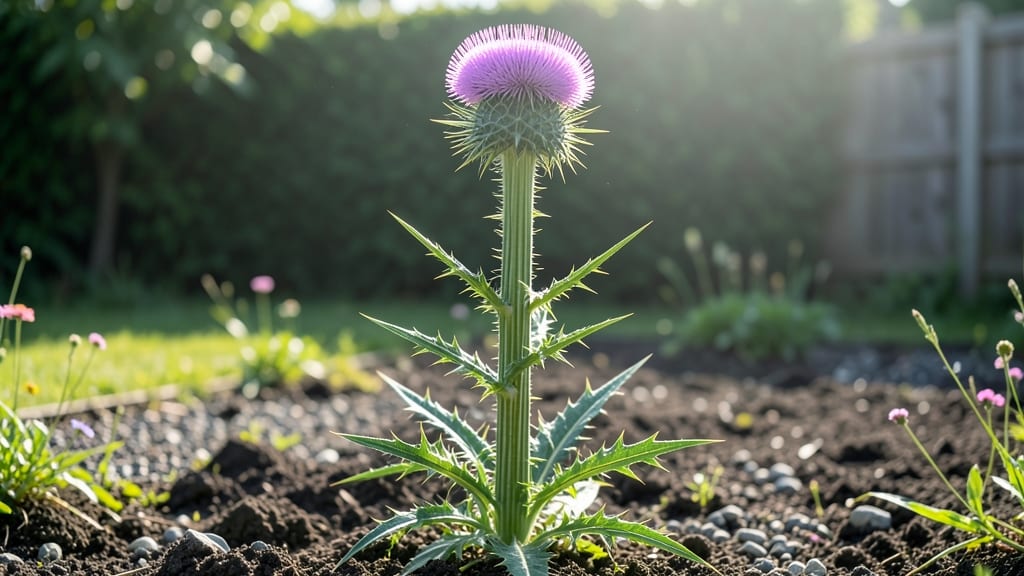
Your garden just got a bold, edible statement piece—spear thistle flowers aren’t just tough weeds, they’re dramatic, pollinator magnets with deep purple spikes that scream "wild elegance." ✨ I planted mine last spring after seeing how they transformed a neglected corner into a cottage-garden showstopper, and now my neighbors ask about them every time they visit.
These spiky beauties thrive in poor soil and full sun, making them perfect for wildflower meadows, pollinator patches, or cottage-style borders. Pair them with lavender, yarrow, and Russian sage for a textured, low-maintenance look that blooms from midsummer through fall.
The best part? They self-seed reliably, so once established, they multiply without effort.
Imagine jewel-toned blooms swaying in the breeze, drawing bees and butterflies while adding height and drama to your garden. Their rugged charm contrasts beautifully with delicate annuals, and in late summer, the dried seed heads add winter interest. Perfect for cutting gardens too—they last 10+ days in a vase.
They’re also edible (young leaves and flowers are great in salads), but focus on their design potential first. Try them as a focal point in a sunny border or mixed with ornamental grasses for a wild, romantic vibe.
Once you see them in person, you’ll understand why they’re a gardener’s secret weapon.
📚 In This Guide
- What you need
- Instructions
- Tips and common mistakes
- Wrapping up and next steps
What you need
- ● Spear thistle flowers: Harvest only fully bloomed, pesticide-free flowers from organic or trusted sources. Aim for 1-2 cups of petals (about 10-20 flowers) per recipe.
- ● Pruning shears or sharp knife: For cleanly cutting stems (sterilize with rubbing alcohol if reusing).
- ● Colander or fine-mesh strainer: To rinse and drain petals thoroughly.
- ● Paper towels or clean kitchen towel: For drying petals gently.
- ● Food-safe storage container: Airtight for short-term storage (up to 3 days in the fridge).
- ○ Mortar and pestle (optional): For crushing petals into a powder for cocktails or garnishes.
- ○ Fine-mesh sieve (optional): To separate petals from stems if needed.
- ○ Food processor (optional): For blending petals into syrups or infusions.
- ○ Glass jars with lids (optional): For long-term storage (dried petals last up to 6 months).
- ● Positive ID confirmation: Never consume wild plants without verifying they’re spear thistle (Cirsium vulgare)—mistakes can be dangerous! Use a field guide or app like iNaturalist.
- ● Avoid treated areas: Skip flowers near roads, farms, or gardens with pesticides/herbicides.
- ● Allergy test (recommended): Rub a tiny amount of petal on your skin or lip to check for reactions before full use.
How to grow and harvest spear thistle flowers for culinary use
Here's the method I've perfected for growing bold, flavorful spear thistle blooms—perfect for garnishes and edible salads.
🌱 Step 1: Choose and Prepare the Planting Site
Spear thistles thrive in well-draining soil with full sun exposure (6+ hours daily). They're tough plants that tolerate poor soil, but for the best flavor, amend your bed with 1 inch of compost before planting. I always clear the area of weeds first—their competitive roots will outmuscle anything nearby.
If you're starting from seed, plant them in early spring after the last frost date. The seeds need light to germinate, so don't cover them with soil—just press them gently into the top ¼ inch of soil. Water lightly afterward, keeping the soil moist but not soggy until germination occurs in 10-21 days.
☀️ Step 2: Provide Optimal Growing Conditions
Once seedlings appear, they'll grow rapidly with minimal care. Spear thistles are drought-tolerant once established, but young plants need consistent moisture. Water deeply once a week during dry spells, focusing on the base of the plant to avoid wetting the leaves—this prevents fungal diseases that can ruin your blooms.
Here's the thing—spear thistles grow tall, often reaching 3-5 feet, so they need sturdy support. I stake mine with 3-foot bamboo stakes tied loosely to the main stem to prevent flopping. The flowers will be ready to harvest in 60-90 days, depending on your climate and growing conditions.
✂️ Step 3: Harvest Flowers at Peak Maturity
Harvest spear thistle flowers when the buds are fully open but before they turn brown. Use clean, sharp scissors to cut the stems at a 45-degree angle, about 6 inches below the bloom. This encourages bushier growth and more flowers. I always harvest in the morning when the blooms are at their freshest.
Remove any damaged or wilted petals before using. The flowers have a slightly nutty, artichoke-like flavor that pairs beautifully with salads, cocktails, and even honey infusions. Store harvested flowers in a paper towel-lined container in the refrigerator for up to 3 days to maintain freshness.
🌿 Step 4: Maintain the Plant for Continuous Blooms
After harvesting, don't prune the plant back too aggressively—spear thistles can produce multiple blooms per season if given enough time. I leave the lower leaves intact to support photosynthesis and water occasionally to keep the soil moist but never waterlogged.
Real talk: these plants can self-seed aggressively, so if you don't want them spreading, deadhead spent blooms promptly. Otherwise, enjoy a patch of wild, edible beauty that keeps giving throughout the growing season.
Tips & tricks for perfect spear thistle flower cultivation
Transforming your garden into a gourmet bloom haven starts with these game-changing insights.
Soil Secrets: While spear thistles tolerate poor soil, the flavor difference between amended and unamended beds is night-and-day. I swear by mixing in 1 inch of compost and a handful of worm castings—this boosts the artichoke-like flavor profile that makes these blooms so special. For even richer results, add a sprinkle of organic bone meal at planting time to encourage strong root development.
Germination Hack: Those 10-21 days until germination can feel like forever, but there's a trick: place your seed tray on a heating pad set to 70°F to speed things up. Just keep the soil consistently moist—never soggy—and avoid covering the seeds, as they need light to sprout. This method cuts germination time by nearly half while ensuring stronger seedlings.
Support System: The 3-foot bamboo stakes mentioned in Step 2 are non-negotiable for mature plants. I've seen firsthand how these towering beauties can flop over in windy conditions, ruining both the blooms and your confidence. For extra stability, tie the stakes in a loose figure-eight pattern rather than a simple knot—this gives the stem room to grow without constriction.
Harvest Timing: Morning is absolutely critical for harvesting—those buds open fully by midday, and the flavor intensity peaks right at dawn. When cutting at a 45-degree angle about 6 inches below, make sure your scissors are razor-sharp. Dull blades crush stems, which accelerates wilting. I keep a small jar of rubbing alcohol nearby to wipe down blades between cuts—this prevents bacterial transfer between plants.
Pro Tips for Spear Thistle Flower
- Transforming your garden into a gourmet bloom haven starts with these game-changing insights.
- Soil Secrets: While spear thistles tolerate poor soil, the flavor difference between amended and unamended beds is night-and-day.
- Germination Hack: Those 10-21 days until germination can feel like forever, but there's a trick: place your seed tray on a heating pad set to 70°F to speed things up.
Frequently asked questions
Got questions about spear thistle flowers? You’re not alone! Here are some of the most common inquiries—plus clear, practical answers to help you work with these striking blooms like a pro.
Can you eat spear thistle flowers raw, or do they need cooking?
Spear thistle flowers are fully edible raw and pack a delightful nutty, slightly bitter flavor—perfect for salads or garnishes! However, always harvest from pesticide-free areas and remove any thorny spines before use. For a milder taste, lightly sautéing the petals (like you would artichokes) can soften their texture.
When is the best time to harvest spear thistle flowers?
Harvest young, tight buds (not fully open) for the most tender texture, or pick fully bloomed flowers for their vibrant purple hues. Aim for morning harvests after dew has dried but before the heat of the day. Late spring to early summer is peak season, but they may rebloom if stems are cut back.
How do spear thistle flowers compare to other edible flowers for cocktails?
Spear thistle flowers add a bold, earthy depth that pairs well with herbal liqueurs (like chartreuse) or citrusy cocktails. Unlike delicate violets or pansies, their sturdy petals hold up in drinks longer. For a showstopper, try infusing gin with the buds or garnishing a gin & tonic with a single bloom—just remove spines first!
Are there any risks or precautions when using spear thistle flowers?
Yes! Always identify correctly—spear thistle (Cirsium vulgare) can resemble toxic lookalikes like water hemlock. Avoid plants treated with herbicides, and wear gloves when handling due to their sharp spines. If allergic to ragweed or daisies, test a small amount first, as cross-reactivity is possible.
Can I grow spear thistle flowers at home, or should I forage?
While foraging is an option (check local regulations!), growing them at home is easier. Plant seeds in well-draining soil with full sun; they’re drought-tolerant once established. Just be warned—they self-seed aggressively! For a controlled harvest, try container growing or deadheading spent blooms to limit spread.
Wrapping up and next steps
From vibrant salads to creative cocktails, spear thistle flowers are a gourmet game-changer! 🌸 Their unique flavor and striking appearance elevate any dish, proving that edible blooms are more than just a pretty addition—they’re a culinary adventure.
Whether you’re a foraging enthusiast or a home chef, these flowers inspire creativity in the kitchen.
Ready to experiment? Start small: Try adding a few petals to your next salad or garnish a cocktail for a wow factor. Happy foraging—and may your dishes (and drinks) bloom with flavor!