
Lawn
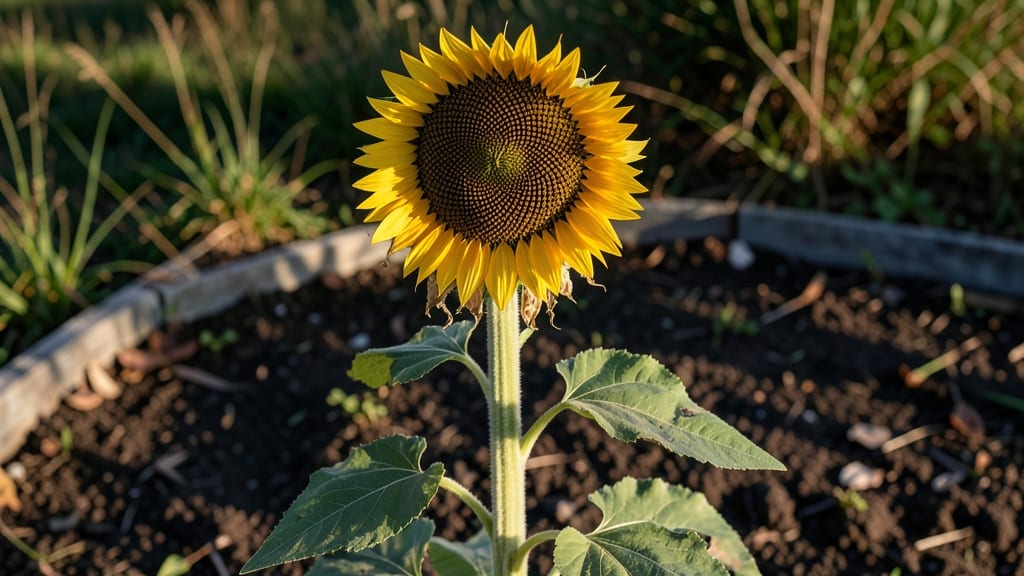
Transforming sunflower seed heads from spent blooms to a year-round wildlife magnet only takes patience and a few simple steps. 🌻 I’ve turned my late-season stalks into a buffet for birds, a seed-saving treasure, and even rustic decor—all while cutting my garden chores.
The key is timing: leave them on the stem until they turn brown and papery, then decide whether to harvest for seeds, dry for crafts, or leave them standing for winter interest.
You’ll need basic tools: sharp pruning shears, paper bags for drying seeds, and a sunny spot to work. If saving seeds, let the heads fully mature—120 days after planting—then cut them and hang upside down in a dry place.
For wildlife, simply snip the stems and tuck them into corners of your yard where birds can forage. The best part? These seed heads require zero ongoing care once established.
What you end up with is a garden that stays lively long after summer fades. Goldfinches and chickadees will visit in winter, your seed stash will be ready for next year’s planting, and you’ll have natural decorations that cost nothing.
The process takes about two weeks from harvest to dried seed, and the payoff extends well past the growing season.
Works in any yard size, from city balconies to rural fields. Whether you’re saving seeds, attracting wildlife, or just keeping your garden looking intentional, these seed heads deliver effortless beauty all year. Let’s get started with the simplest steps you’ll ever take for your garden’s late-season charm.
📚 In This Guide
- What you need
- Instructions
- Tips and common mistakes
- Wrapping up and next steps
What you need
- ● Sunflower seed heads: 10–20 mature, dried heads (harvested from Helianthus annuus varieties like ‘Mammoth’ or ‘Autumn Beauty’). Ensure they’re fully brown and dry.
- ● Pruning shears or sharp scissors: 1 pair (for clean cuts).
- ● Wire or twine: 5–10 feet (for hanging or securing bundles).
- ○ Sturdy branches or a wooden frame: 1–2 (optional, for a freestanding display).
- ● Waterproof twine or fishing line: 1 spool (for outdoor durability).
- ● Gloves: 1 pair (to protect hands from seed head prickles).
- ● Spray bottle with water: 1 (to lightly mist seed heads if they’re too dry).
- ○ Birdseed (optional): 1 small bag (for extra appeal to birds and squirrels).
- ○ Paint or sealant (optional): Non-toxic, weather-resistant (to extend seed head life).
- ● A sunny spot (6+ hours of direct sunlight daily).
- ● Outdoor space (balcony, fence, or garden area).
- ● Patience—seed heads take 2–4 weeks to fully dry post-harvest!
How to create a year-round wildlife haven with sunflower seed heads
Here's how to turn sunflower seed heads into a thriving ecosystem that supports birds and pollinators all year.
🌱 Step 1: Harvest Mature Sunflower Seed Heads
Wait until the sunflower's petals have fully dropped and the back turns brown—this signals seeds are fully mature. Cut the stem 4-6 inches below the head with clean shears to avoid damaging the base. I like to harvest on a dry morning when dew has evaporated; this prevents mold from forming on the cut stems.
Leave the seed heads intact on the stems. Removing them too early means seeds won't be fully developed, and you won't get the wildlife benefits. If you're harvesting multiple stems, lay them in a single layer on a tray to dry. A shady, well-ventilated spot works best—direct sun can cause the heads to dry too quickly and crack open prematurely.
🪴 Step 2: Prepare for Drying and Storage
Once the seed heads feel dry to the touch (about 1-2 weeks of drying time), gently shake them to release any loose seeds. Store the dried heads in a cool, dry place—an unheated garage or shed works well. I place them in breathable burlap sacks or old mesh produce bags to allow airflow while keeping out pests.
If you notice any signs of mold or pests during storage, remove those heads immediately. A few heads may develop issues, but most will stay viable for wildlife. The key is to keep them in a place where temperature stays consistent—fluctuations encourage condensation and mold growth.
☀️ Step 3: Arrange Seed Heads for Wildlife
Place the dried seed heads in your garden or outdoor space where birds and pollinators can easily access them. I like to cluster them in small groups of 4-6 heads near shrubs or trees—this gives wildlife a sense of security while foraging. Hang some from tree branches or tuck them into dense foliage for added camouflage.
For a more structured look, arrange them in a low border or along a fence line. The goal is to create a natural, inviting space where animals feel comfortable stopping by. Avoid placing them in open areas where predators might spot them easily—wildlife prefers some cover.
💧 Step 4: Maintain and Refresh the Habitat
Check your seed heads every 2-3 weeks during the growing season to see if seeds have been eaten or scattered. If heads become bare, simply replace them with fresh ones from your stored supply. I keep a small stash of extra heads on hand so I can swap them out without disrupting the habitat.
In late fall or early winter, bring any remaining seed heads indoors and store them in a dry place until spring. This ensures you always have fresh options for wildlife, even during colder months. The more you refresh the supply, the more consistently your garden will attract birds and pollinators.
Tips & tricks for creating a year-round wildlife haven
Here's what I've learned from years of turning sunflower seed heads into a wildlife magnet—simple tricks that make all the difference.
Harvesting Timing: The 4-6 inches stem cut matters more than you'd think. If you cut too close, you risk damaging the base and weakening the plant. I've found that harvesting on a dry morning prevents mold from forming on the cut stems—this is especially important if you're storing them for later use. The petals should be completely gone and the back browned, not just yellowing.
Drying Strategy: That 1-2 week drying time is crucial, but don't rush it. I've ruined batches by drying them too quickly in direct sun, which causes cracking. Instead, use a shady spot with good airflow—like under a carport or in a garage with open windows. You'll know they're ready when they feel dry to the touch and make a rustling sound when shaken.
Storage Wisdom: The breathable burlap sacks or mesh bags aren't just for looks—they're essential for preventing mold. I've had stored heads last through multiple winters in my unheated garage, but only because I kept them in these airy containers. Check them monthly for any signs of pests or mold, and remove any affected heads immediately to protect the rest.
Placement Secrets: Those 4-6 head clusters near shrubs or trees create perfect hiding spots for wildlife. I've noticed that birds are much more comfortable foraging when they have nearby cover. For extra appeal, add a few seed heads to your bird feeders—they'll stay fresh longer and provide bonus nutrition for visiting birds.
Pro Tips for Sunflower Seed Head
- Here's what I've learned from years of turning sunflower seed heads into a wildlife magnet—simple tricks that make all the difference.
- Harvesting Timing: The 4-6 inches stem cut matters more than you'd think.
- Drying Strategy: That 1-2 week drying time is crucial, but don't rush it.
Frequently asked questions
Got questions about creating a sunflower seed head haven for wildlife? You’re not alone! Here are answers to the most common queries—so you can enjoy these easy, low-maintenance blooms with confidence.
Can sunflower seed heads attract pests instead of wildlife?
While sunflower seed heads are a magnet for birds and small mammals, they rarely draw pests like rodents or insects in large numbers. The key is keeping the area well-drained and avoiding overripe seed heads that may attract critters. If you’re concerned, simply remove any moldy or overly dried heads in late winter before new growth emerges.
How long do sunflower seed heads last after the flowers fade?
Sunflower seed heads stay intact for 3–6 months after blooming, depending on the variety and climate. In dry conditions, they may last longer, while damp weather can speed up decomposition. For year-round appeal, plant multiple sunflower varieties with staggered bloom times (e.g., early, mid, and late-season types).
What’s the best way to clean up sunflower seed heads for regrowth?
Leave seed heads on the plant until they turn brown and dry—this ensures wildlife has a food source. Once fully dried (usually late fall), cut the stalks to the ground and compost the debris. Avoid burning or discarding them; birds and squirrels often forage from fallen heads. For next year, leave 1–2 stalks standing for seeds to reseed naturally.
Will sunflower seed heads support birds year-round, or just in winter?
Sunflower seed heads are a winter staple, but their value extends beyond cold months! In late summer/early fall, bees and butterflies feed on residual nectar, while finches and sparrows snack on immature seeds. Even in spring, dried heads provide nesting material for birds. For maximum impact, plant sunflowers alongside native grasses or shrubs to offer layered habitat.
Are there sunflower varieties better for wildlife than others?
Yes! Black oil sunflowers (e.g., ‘Mammoth’ or ‘Autumn Beauty’) are top picks—their large, nutrient-rich seeds are a favorite for goldfinches and chipmunks. Dwarf varieties (like ‘Teddy Bear’) work well in small gardens, while perennial sunflowers (e.g., Helianthus species) return yearly with minimal care. Avoid hybrid varieties bred for small seeds; they’re less appealing to wildlife.
What if my sunflowers don’t produce seed heads?
Missing seed heads usually mean one of three things:
- No pollination (isolated plants or no bees),
- Over-fertilizing with nitrogen (promotes leaves over flowers), or
- Pest damage (e.g., sunflower moth larvae). To fix it, plant sunflowers in clusters, reduce high-nitrogen fertilizer, and hand-pollinate flowers by gently brushing stamens if bees are scarce.
Wrapping up and next steps
Transforming your yard into a sunflower seed head haven is simpler—and more rewarding—than you might think! 🌻 With just a few sunflowers and minimal effort, you’ll create a bustling wildlife buffet that thrives year-round.
Whether you’re a gardening newbie or a seasoned pro, this low-maintenance solution brings joy to both you and local critters.
Ready to take the next step? Plant a few sunflower varieties this season and watch your garden become a thriving ecosystem. Start small—even a single seed head makes a difference! 🌱