
Flowers
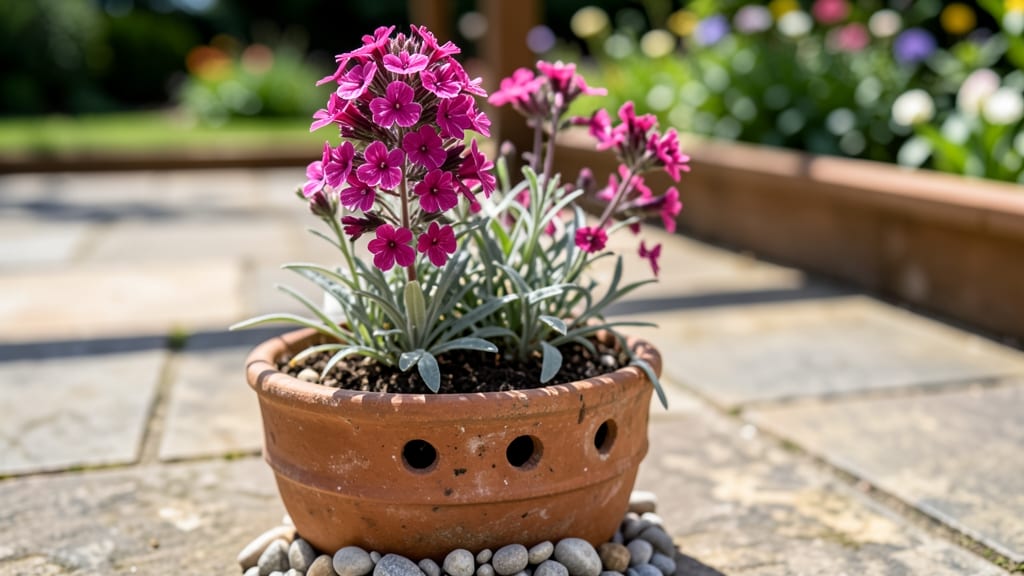
Stocks flowers in pots turn any balcony or patio into a fragrant, ever-changing garden. 🌿 I’ve filled terra-cotta pots with these delicate blooms for years, and the secret isn’t just the flowers—it’s the way they transform vertical space into a living masterpiece.
The key is layering heights and textures, so no matter where you place them, they draw the eye upward like a natural staircase.
You’ll need just a few basics: well-draining potting mix, containers with drainage holes, and a mix of tall and trailing companions like lavender or sweet alyssum. Stocks thrive in bright light but hate soggy roots, so I always pair them with a saucer to catch excess water.
The best part? With the right care, they’ll bloom from early spring through summer, and sometimes even into fall with a little coaxing.
Imagine pots overflowing with blush-pink and lavender blooms that perfume the air as you pass. The foliage stays lush and silvery-green, creating a striking contrast against the vibrant flowers. You’ll get weeks of continuous blooms if you deadhead regularly and feed them every few weeks—no fancy tricks, just consistent care.
The result? A garden that feels alive and intentional, no matter the season.
This setup works for small balconies, rooftop decks, or even sunny windowsills. The only rule? Play with heights—tall stocks in the back, trailing plants in front—and watch your space come alive. Let’s get those pots prepped!
📚 In This Guide
- What you need
- Instructions
- Tips and common mistakes
- Wrapping up and next steps
What you need
- ● Flowering Stocks (Matthiola incana) – 6-10 plants (choose varieties like Giant, Rainbow, or Fragrant for best results).
- ● Pots or Containers – 3-5 hanging baskets (8-12" diameter) or vertical planters with drainage holes.
- ● Potting Soil – 1 bag (1-2 cubic feet) of high-quality, well-draining potting mix (add perlite or sand for extra aeration).
- ● Fertilizer – Balanced liquid fertilizer (10-10-10) or slow-release granules for nutrient-rich growth.
- ● Drainage Material – Small pebbles or broken pottery shards (1-2 inches layer per pot).
- ● Gloves & Pruners – For safe handling and trimming.
- ● Watering Can or Spray Bottle – For gentle hydration (avoid soggy soil!)
- ○ Support Stakes or Trellis – Optional but helpful for tall varieties (bamboo stakes or decorative metal grids).
- ○ Mulch (Optional) – Decorative stones or bark to retain moisture and enhance aesthetics.
Step-by-Step instructions for creating a year-round vertical stock flower garden
Here's how to turn your balcony into a fragrant, ever-blooming vertical display.
🪴 Step 1: Choose and Prepare Your Vertical Planters
Start with 4 hanging pots (4-6 inches deep) or a wall-mounted vertical planter with individual pockets. Stocks thrive in well-draining containers, so add a 1-inch layer of pebbles or broken pottery at the bottom of each pocket or pot. This prevents root rot by keeping water from pooling against the roots.
I always use terracotta pots for stocks—they wick moisture away naturally, which is crucial since these plants hate soggy feet. If using a wall planter, make sure each pocket has drainage holes. Fill the remaining space with 2 gallons of well-draining potting mix (never garden soil—it compacts and suffocates roots).
🌱 Step 2: Plant Stock Seeds at the Right Time and Depth
Stocks grow best from seeds sown 6-8 weeks before your last frost date for spring blooms, or late summer for fall/winter flowers. Plant 3-4 seeds per pot at a depth of ¼ inch, pressing them gently into the soil. The seeds need light to germinate, so don’t bury them too deep.
Cover the pots with a clear plastic dome or plastic wrap to retain moisture and warmth. Place them in a spot with indirect light (like a bright windowsill) and keep the soil consistently moist but not waterlogged. Germination takes 7-14 days—you’ll know it’s happening when tiny green shoots push through the soil.
☀️ Step 3: Provide Proper Light and Care for Strong Growth
Once seedlings emerge, remove the plastic cover immediately to prevent damping-off disease. Stocks need full sun (6+ hours daily) to thrive, so move them to the sunniest spot you have. If growing indoors near a window, rotate the pots quarter-turn daily so they don’t lean toward the light.
Water when the top inch of soil feels dry—stocks are drought-tolerant once established but need consistent moisture while young. Fertilize lightly with a balanced liquid fertilizer (10-10-10) every 2-3 weeks during the growing season. You’ll see strong, bushy growth with deep green leaves in about 4-6 weeks.
✂️ Step 4: Prune and Encourage Continuous Blooms
When flowers start to fade, deadhead them immediately by pinching off spent blooms just above a set of leaves. This redirects the plant’s energy into producing more flowers instead of seeds. Stocks bloom continuously if kept well-pruned—you’ll get nonstop color from late spring until frost.
In late summer, give your stocks a light trim to encourage bushier growth. Cut back leggy stems by ⅓ to promote compact, fuller plants. This is also the time to divide crowded pots if needed—stocks self-seed readily, and you might find baby plants popping up around the parent.
💧 Step 5: Winter Care for Year-Round Blooms
Stocks are surprisingly cold-hardy and can bloom through light frosts if protected. Move pots to a sheltered spot (like against a south-facing wall) and reduce watering—the plants go semi-dormant in winter. Mulch the soil surface with 1 inch of straw to insulate roots and retain moisture.
If temperatures drop below 20°F, cover the pots with burlap or frost cloth at night. In early spring, resume regular watering and fertilizing. With proper care, your vertical stock garden will rebloom beautifully year after year, filling your space with their sweet, intoxicating fragrance.
Tips & tricks for perfect vertical stock flower gardens
Here's what I've learned after growing stocks vertically for years—these tricks make all the difference between a struggling garden and a fragrant, year-round display.
Drainage is Everything: In Step 1, don't skimp on that 1-inch layer of pebbles or broken pottery. I've seen too many people skip this and end up with root rot—stocks absolutely hate soggy feet. If you're using a wall-mounted planter, double-check those drainage holes in each pocket. You can even add a small mesh screen over the holes to keep soil from washing out while still allowing water to drain freely.
Light Rotation Matters: When you move your pots to full sun in Step 3, remember to rotate them quarter-turn daily if growing near a window. I learned this the hard way—my stocks grew lopsided toward the light, which made them look sad and weak. This simple rotation keeps them growing evenly and prevents that "leggy" look that ruins the vertical aesthetic.
Deadheading Discipline: Step 4's deadheading is where the magic happens for continuous blooms. I used to be lazy about it, and my flowers would fade quickly. Now I make it a habit to pinch off spent blooms every morning—it takes just 2 minutes but keeps the plants producing new flowers all season. The key is to pinch just above a set of leaves, not at the base, to encourage new growth from that spot.
Winter Protection Strategy: For that 20°F threshold in Step 5, I've found that a simple fleece blanket draped over the pots works just as well as burlap or frost cloth. The fleece is lighter and easier to handle, plus it traps more heat. Just make sure to secure it well—nothing ruins a winter morning like watching your hard work blow away in a gust of wind!
Pro Tips for Stocks Flowers In Pots
- Here's what I've learned after growing stocks vertically for years—these tricks make all the difference between a struggling garden and a fragrant, year-round display.
- Drainage is Everything: In Step 1, don't skimp on that 1-inch layer of pebbles or broken pottery.
- Light Rotation Matters: When you move your pots to full sun in Step 3, remember to rotate them quarter-turn daily if growing near a window.
Frequently asked questions
Got questions about growing stocks flowers in pots? You’re not alone!
Here are some of the most common queries—plus quick, practical answers to help your vertical garden thrive year-round.
What’s the best soil mix for stocks in pots?
Use a well-draining potting mix with added perlite or sand (30% each) to prevent root rot. Stocks love slightly alkaline soil (pH 6.5–7.5). Avoid garden soil—it compacts and holds too much moisture. Pro tip: Mix in a slow-release fertilizer for extra nutrients!
How often should I water potted stocks?
Water when the top inch of soil feels dry (usually every 2–3 days in summer, less in winter). Pots dry out faster than ground soil, so check daily in heatwaves. Overwatering is the #1 killer—ensure pots have drainage holes!
Can I grow stocks in pots year-round?
Yes! Stocks are hardy (USDA zones 3–9), but move pots indoors (near a sunny window) or use a greenhouse in winter. Reduce watering in dormancy (fall/winter) but keep soil slightly moist. Bonus: Deadhead spent blooms to encourage spring reblooms!
What if my potted stocks aren’t blooming?
Check these fixes:
- Light: Stocks need 6+ hours of sun daily—move pots to a sunnier spot.
- Fertilizer: Feed with a balanced bloom booster every 4–6 weeks.
- Pruning: Trim leggy stems to encourage bushier growth.
If nothing works, they may need a rest period (like roses).
Are there low-maintenance alternatives to stocks for pots?
Try these easy vertical picks:
Flower
Why It Works
Sweet Alyssum
Drought-tolerant, fragrant, and thrives in partial shade.
Petunias
Long bloom season; great for hanging pots.
Lantana
Heat-loving and pest-resistant—perfect for sunny spots.
All three are beginner-friendly and add color with less fuss!
Wrapping up and next steps
Transforming your space with stocks flowers in pots is a rewarding way to bring color and life to any corner—indoors or out! Whether you’re a seasoned gardener or just starting, these versatile blooms thrive in containers, making them perfect for vertical gardens, balconies, or even windowsills. 🌿
Ready to dive in? Start small with a single pot, experiment with arrangements, and let your creativity bloom! Next, pick your favorite stock variety, grab your supplies, and begin crafting your own vertical garden oasis today!