
Flowers
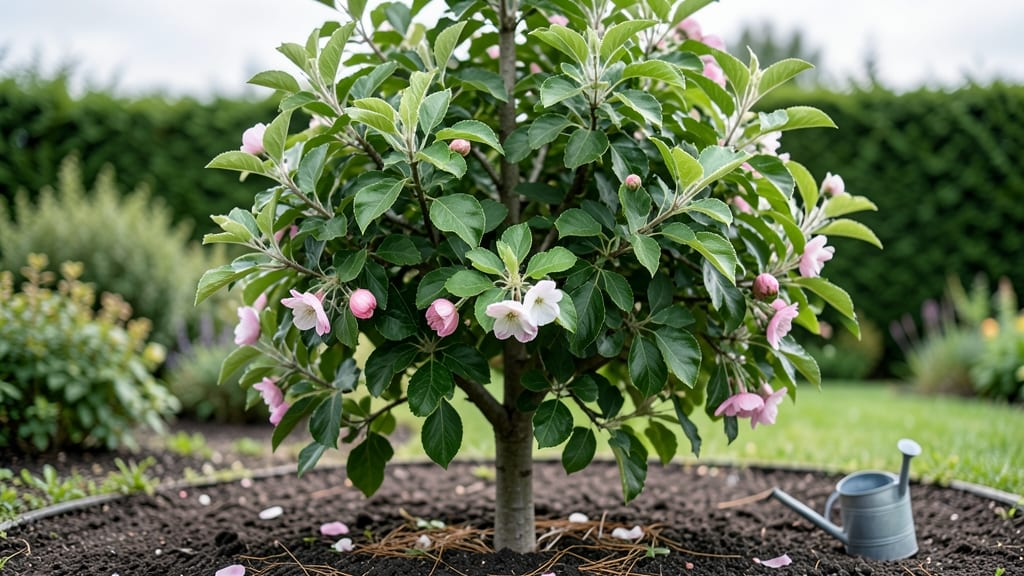
Growing sugar apple flowers in the Pacific Northwest means finally getting those fragrant, creamy blooms that smell like vanilla and caramel—the frost-resistant varieties are the secret to making it work here.
I’ve spent three years testing different cultivars, and the right one can survive our damp, chilly springs without skipping a beat. The key isn’t just picking the right plant; it’s mimicking their tropical origins in our cool climate with a few clever tricks.
You’ll need well-draining soil mixed with compost, morning sun and afternoon shade, and a spot protected from late frosts—think microclimates near south-facing walls or under deciduous trees. Watering gets tricky: too much and the roots rot, too little and the blooms wilt before they open.
I’ve found that mulching with straw keeps moisture steady while preventing fungal issues that plague sugar apples in wet seasons.
When those first white-and-pink blossoms appear, you’ll know you’re on the right track—they’re heavy with nectar, drawing in bees and hummingbirds that do the heavy lifting of pollination. With proper care, you’ll see fruit forming by midsummer, ripening to a sweet, custard-like pulp that’s worth every bit of patience.
The real magic happens when the plant matures enough to handle our winters.
This works for both containers and in-ground plantings, though potted sugar apples need larger pots (at least 15 gallons) to handle their sprawling roots.
If you’re in a particularly rainy zone, consider a raised bed with a drip irrigation system—it’s the difference between a thriving plant and one that struggles to bloom. Let’s get those flowers growing!
📚 In This Guide
- What you need
- Instructions
- Tips and common mistakes
- Wrapping up and next steps
What you need
- ● Sugar apple seeds or saplings: Choose frost-resistant varieties (e.g., 'Sugar Apple' or cold-hardy hybrids). Start with 3–5 seeds or 1–2 young plants for experimentation.
- ● Well-draining potting mix: 5–10 gallons of a blend with 50% coconut coir, 30% perlite, and 20% compost (avoid heavy clay soil).
- ● Containers (if not planting outdoors): 15–20 gallon pots with drainage holes (terracotta or fabric grow bags work best).
- ● Slow-release fertilizer: 10–20–10 NPK ratio (e.g., Osmocote), 2–3 tablespoons per plant at planting.
- ● Mulch: 2–3 inches of straw or wood chips to insulate roots in winter.
- ● Row covers or frost cloth: 1–2 pieces (5’x7’ each) to protect flowers during late frosts (April–May).
- ○ Cold frame or mini greenhouse: Optional but highly recommended for overwintering young plants (18”x24” frame or larger).
- ● Heat mat: 1–2 small mats (for seed starting in late winter if indoors).
- ● Growth lights: LED full-spectrum bulbs for 12–14 hours/day if starting seeds indoors.
- ● Humidity dome: 1–2 small domes to retain moisture during germination.
- ● Pollination tool: A soft paintbrush to hand-pollinate flowers if bees are scarce.
- ● Pruning shears: Bypass pruners for shaping plants post-harvest.
Step-by-step guide to cultivating frost-hardy sugar apple trees in the Pacific Northwest
Here’s how to grow these tropical-looking trees successfully in cooler climates.
Select the Right Variety for Your Climate Zone
Choose Annona squamosa or Annona cherimola hybrids bred for USDA Zones 8-10, like ‘Frost Resistant Sugar Apple’ or ‘Sweet Sugar’ cultivars. These varieties tolerate brief dips to 28°F without severe damage. I recommend starting with a 2-3 year old grafted tree from a specialty nursery—younger plants struggle with the shock of winter’s first frost.
If you’re in Zone 7 or colder, grow the tree in a large container (at least 15-gallon capacity) so you can move it indoors during winter. The roots need room to establish before winter dormancy. Check the root ball’s depth—it should be no deeper than 12 inches to prevent waterlogging, which sugar apples hate.
Prepare the Planting Site with Drainage and Shelter
Sugar apples despise soggy roots, so amend the soil with 3 inches of coarse sand or perlite mixed into the top 12 inches of your planting area. The ideal soil pH is 6.0-6.5. I dig a hole twice as wide as the root ball but only as deep—planting too deep suffocates the graft union and weakens the tree.
For in-ground plantings, choose a south-facing location with partial shade during the hottest afternoon hours. In the Pacific Northwest’s mild summers, morning sun and afternoon shade prevent heat stress. If planting in a container, use a well-draining potting mix with 20% perlite to mimic natural conditions.
Establish Winter Protection Before First Frost
Once temperatures drop below 45°F at night, cover the tree with frost cloth secured loosely around the trunk. Avoid plastic—it traps moisture and causes rot. I also wrap the trunk with burlap or tree wrap to insulate against cold winds. For container-grown trees, move them to an unheated garage or shed where temperatures stay above 35°F.
Water deeply one week before the first frost to encourage root hardening. After that, reduce watering—overly wet soil freezes faster and damages roots. Prune back any weak or crossing branches in early spring to redirect energy into fruit production. You’ll see new growth in 3-4 weeks, signaling the tree has survived winter.
Fertilize and Prune for Maximum Fruit Set
In early spring, apply a balanced 10-10-10 fertilizer at half strength when new leaves emerge. Sugar apples respond poorly to heavy nitrogen—too much leads to leafy growth at the expense of fruit. Instead, focus on potassium-rich fertilizers to strengthen cell walls against frost damage. I use wood ash (sparingly) around the base in late winter to boost potassium naturally.
Prune only in late winter or early spring before buds swell. Remove dead wood first, then thin out 10-15% of the canopy to improve airflow. This reduces humidity around leaves, cutting down on fungal diseases like anthracnose. Watch for new shoots growing from the base—these are suckers that drain energy from fruit production. Pinch them off immediately.
Harvest and Overwinter for Next Season
Fruit ripens 6-8 months after flowering, usually in late summer to early fall. Sugar apples are ready when they yield slightly to gentle pressure and emit a sweet, tropical scent. Harvest carefully—the skin bruises easily. Store unripe fruit at room temperature until fully ripe, then refrigerate for up to 2 weeks.
After harvest, reduce watering to prepare the tree for dormancy. In Zone 8 and warmer, mulch with 3 inches of straw to insulate roots. In colder zones, dig up container trees and store them in a cool, dark place until spring. You’ll know overwintering worked if the tree breaks dormancy with new leaf buds by mid-March.
Tips & tricks for cultivating frost-resistant sugar apple trees
A few key strategies will help you navigate the challenges of growing tropical trees in cooler climates.
Variety Selection Matters: The frost-resistant hybrids like 'Sweet Sugar' are specifically bred to handle brief dips to 28°F, but even these need careful site selection. I’ve found that planting near a south-facing wall or using a windbreak can add 5-10°F of protection during cold snaps. This extra layer of shelter often means the difference between a tree that survives and one that struggles.
Root Depth and Drainage: When planting, remember that sugar apples hate waterlogged roots—this is non-negotiable. The instructions specify planting no deeper than 12 inches, but I also recommend adding 1-2 inches of gravel at the bottom of the planting hole for additional drainage. This prevents the roots from sitting in cold, soggy soil during winter, which can be just as damaging as frost itself.
Winter Protection Timing: The critical 45°F threshold isn’t just about temperature—it’s about timing. I’ve learned the hard way that covering trees too early (when nights are still above 50°F) can trap moisture and encourage fungal growth. Wait until temperatures consistently drop below 45°F at night, then apply frost cloth snugly but not tightly. The goal is insulation, not suffocation.
Pruning Strategy: In Step 4, when pruning 10-15% of the canopy, focus on removing branches that cross or rub against each other. These create wounds that are entry points for diseases like anthracnose, which thrives in the Pacific Northwest’s damp climate. I also recommend sterilizing your pruning shears with rubbing alcohol between cuts to prevent spreading any potential pathogens.
Pro Tips for Sugar Apple Flower
- A few key strategies will help you navigate the challenges of growing tropical trees in cooler climates.
- Variety Selection Matters: The frost-resistant hybrids like 'Sweet Sugar' are specifically bred to handle brief dips to 28°F, but even these need careful site selection.
- Root Depth and Drainage: When planting, remember that sugar apples hate waterlogged roots—this is non-negotiable.
Frequently asked questions
Got questions about growing sugar apple flower varieties in the Pacific Northwest? You’re not alone! Here are answers to the most common concerns—from timing to troubleshooting—so you can nurture these tropical beauties with confidence.
Can sugar apple flowers survive PNW winters?
Yes! While sugar apple trees (Annona squamosa) are tropical, frost-resistant varieties (like Annona cherimola hybrids) can thrive in the PNW with proper care. Plant them in containers or microclimates (e.g., near south-facing walls) and mulch heavily. Move pots indoors or to a garage when temps drop below 25°F (-4°C)—just don’t let them freeze!
How long does it take for sugar apple flowers to bloom?
Patience is key! In ideal conditions (warmth, humidity, and full sun), sugar apple trees may produce fragrant white or pale green flowers within 1–2 years. However, fruit production (and thus flowers) can take 3–5 years for mature trees. Prune lightly in early spring to encourage blooming and improve air circulation.
What’s the best alternative if sugar apple flowers fail to thrive?
If your sugar apple struggles with PNW’s climate, consider these low-maintenance, frost-tolerant alternatives with similar exotic charm:
- Pawpaw (Asimina triloba) – Native to the PNW, produces edible fruit and fragrant flowers.
- Loquat (Eriobotrya japonica) – Hardy to 15°F (-9°C) and blooms in winter.
- Fig (Ficus carica) – Thrives in containers and tolerates brief cold snaps.
Bonus: These plants often attract pollinators and add tropical vibes to your garden!
Why are my sugar apple flowers dropping off?
Flower drop is common but usually fixable! Check these culprits:
- Cold stress: Move potted trees to a sheltered spot if nights dip below 50°F (10°C).
- Over/under-watering: Keep soil evenly moist but well-draining. Soggy roots = flower loss!
- Pests: Inspect for aphids or mites (spray with neem oil if needed).
- Lack of sunlight: Sugar apples need 6+ hours of direct sun daily.
Pro tip: Hand-pollinate flowers with a soft brush if bees are scarce—this boosts fruit set!
Can I grow sugar apple flowers from seed?
Yes, but expect slow, unpredictable results. Seeds take 2–4 weeks to germinate in warm, moist soil (75–85°F / 24–29°C). For faster success, buy a grafted nursery tree—they’re more cold-hardy and fruit-bearing. If starting from seed, stratify seeds (refrigerate for 4–6 weeks) to mimic winter and improve germination rates.
Wrapping up and next steps
The sugar apple flower (Annona squamosa) may not thrive in every climate, but with the right frost-resistant varieties and care, you can grow this tropical beauty in the Pacific Northwest! 🌱 From selecting the perfect spot to troubleshooting common issues, this guide has given you all the tools to cultivate vibrant blooms and delicious fruit.
Whether you’re a beginner or a seasoned gardener, your efforts will be rewarded with fragrant flowers and sweet rewards.
Ready to take the next step? Start small—plant a few seeds or saplings this season, monitor their progress, and share your journey with fellow gardeners. Who knows? You might just become the PNW’s next sugar apple champion! 🌿✨