
Flowers
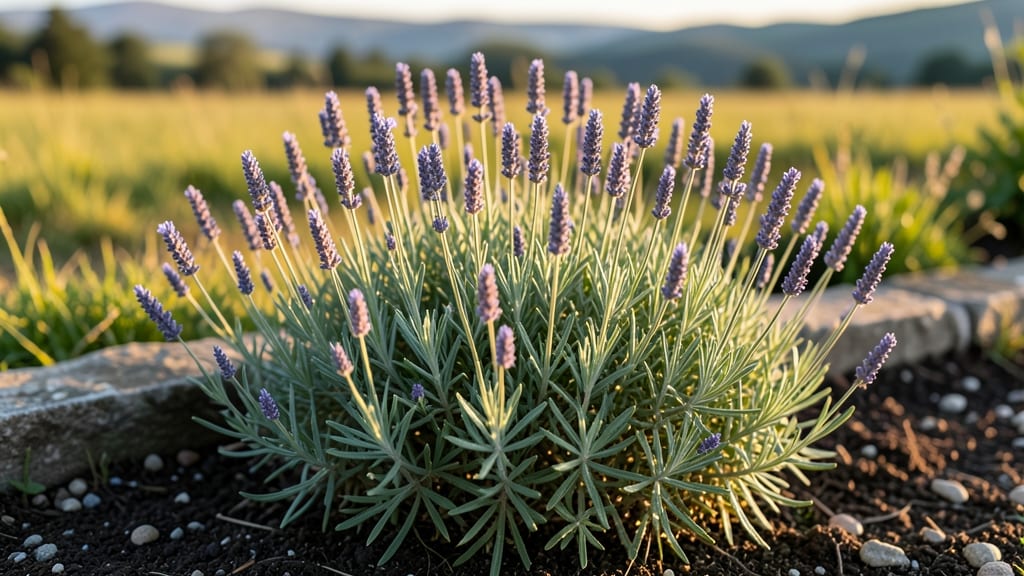
Fragrant flowers for gardens aren’t just pretty—they turn your yard into a living perfume factory. 🌸 I remember stumbling upon a neighbor’s garden where the air smelled like a mix of vanilla and citrus just by walking past, and it completely changed how I thought about planting.
The secret isn’t just choosing fragrant varieties—it’s arranging them so the scents linger when you sit on the patio or waft through open windows at dusk.
Start with pollinator magnets like lavender, roses, and gardenias—they attract bees and butterflies while filling the air with intoxicating aromas. Mix them with scent layers: plant jasmine near seating areas for evening fragrance, and place sweet alyssum at ground level to release its honey-like perfume when brushed.
Even a small space can become a sensory haven with the right combinations—containers, borders, or a dedicated "fragrance path" through the garden.
By mid-summer, you’ll notice the difference: evenings smell like a spa retreat, and your garden becomes the talk of the neighborhood. The key is strategic placement—position fragrant plants where breezes carry their scent to high-traffic areas, and prune regularly to encourage dense, aromatic foliage.
Even in cooler months, evergreen varieties like winter daphne keep the magic going.
This approach works for any yard size, from city balconies to sprawling backyards. The best part? You’ll be the gardener everyone envies—not just for the blooms, but for the experience of stepping into a garden that feels like a hug. Let’s make your outdoor space unforgettable.
📚 In This Guide
- What you need
- Instructions
- Tips and common mistakes
- Wrapping up and next steps
What you need
- ● Fragrant flower seeds or plants: Choose from pollinator-friendly varieties like Lavender, Jasmine, Rose, Honeysuckle, or Dianthus. Opt for 10–20 plants (or seeds) per variety for a lush, layered effect.
- ● Well-draining potting mix: 5–10 gallons (depending on garden size). A blend of 60% topsoil, 30% compost, and 10% perlite/sand works wonders.
- ● Organic fertilizer: A balanced 10-10-10 or slow-release granular (e.g., fish emulsion or compost tea). Use 1–2 cups per 10 sq. ft. at planting and mid-season.
- ● Mulch: 2–3 inches of cedar chips, pine straw, or compost to retain moisture and suppress weeds.
- ● Garden gloves (1 pair) – Protect your hands from thorns and soil.
- ● Trowel or hand shovel – For digging and transplanting.
- ● Pruners (sharp, bypass-style) – Essential for trimming dead blooms and shaping plants.
- ● Watering can or hose with a gentle spray nozzle – 1–2 gallons capacity for efficient watering.
- ● Measuring tape or ruler – To space plants 12–24 inches apart (check variety guidelines).
- ○ Stakes or cages (optional) – For tall varieties like Cleome or Honeysuckle.
- ● Sunlight: Most fragrant flowers thrive in 6+ hours of direct sun daily. Choose a south- or west-facing spot.
- ○ Water access: A drip irrigation system or soaker hose (optional but helpful for consistency).
- ● Pollinator-friendly location: Place flowers near bee baths or butterfly gardens to maximize their magnetism! 🐝✨
- ● Patience: Some fragrant varieties (like Lavender) take 2–3 months to fully bloom.
Step-by-Step guide for planting pollinator-friendly fragrance gardens
Here's how I design fragrance gardens that attract bees, butterflies, and hummingbirds while filling your yard with intoxicating scents.
🌱 Step 1: Select the Right Fragrant Varieties for Year-Round Bloom
Choose plants that offer both fragrance and nectar for pollinators. Start with lavender (for its silvery foliage and calming scent), dianthus (clove-like aroma that hummingbirds adore), and jasmine (night-blooming beauty for moths). Add roses for classic fragrance, but pick disease-resistant varieties like 'Knock Out' roses—they bloom continuously and attract bees.
For spring interest, include lilacs and wisteria—their intoxicating blooms signal pollinators that food is near. In summer, phlox and bee balm provide vibrant colors and heavy fragrance. Autumn brings sweet autumn clematis with grape-scented blooms, and winter can feature winter daphne for its spicy fragrance. This layered approach ensures your garden stays fragrant and active all year.
☀️ Step 2: Position Plants for Optimal Sunlight and Scent Release
Most fragrant flowers thrive in full sun (6+ hours daily), but some, like jasmine and winter daphne, tolerate partial shade. Place taller varieties like roses and clematis at the back of beds, while lavender and dianthus (which prefer well-drained soil) should go in the front or along pathways where you can brush past their foliage and release their scent.
Group plants with similar sunlight needs together—this creates a "fragrance zone" where scents blend naturally. For example, place roses near lavender to create a cohesive, romantic border. Avoid placing mint or lemongrass too close to other flowers, as their strong aromas can overwhelm delicate scents like jasmine or lilac.
💧 Step 3: Amend Soil and Water for Healthy, Scent-Rich Growth
Fragrant flowers often have shallow roots, so prioritize well-draining soil. Mix 2-3 inches of compost into the top 12 inches of soil before planting to improve fertility and drainage. For heavy clay soils, add sand or perlite to prevent root rot, which can weaken plants and dull their fragrance.
Water deeply once a week (or more in extreme heat) to encourage strong root development. Fragrant flowers like roses and jasmine need consistent moisture, but avoid soggy soil—this invites fungal diseases that can kill plants and ruin their scent. Mulch with 2-3 inches of organic mulch (like shredded bark) to retain moisture and suppress weeds, which compete for nutrients.
✂️ Step 4: Prune and Maintain for Continuous Fragrance
Deadhead spent blooms regularly to encourage new flowers and prolong fragrance. For roses, prune in early spring to remove dead wood and shape the plant, then trim lightly after each bloom cycle to keep them compact. Lavender and dianthus benefit from a light trim after flowering to maintain their bushy form and prevent legginess.
Fertilize lightly in spring with a balanced, organic fertilizer (like 10-10-10) to support blooming without overfeeding, which can lead to lush foliage at the expense of flowers. Avoid high-nitrogen fertilizers—they promote leafy growth but reduce fragrance. Instead, focus on phosphorus and potassium to boost blooms and scent production.
🌿 Step 5: Create Pollinator Pathways and Scent Layers
Design your garden with pollinator-friendly layers: plant low-growing flowers (like thyme or creeping phlox) at the front, mid-height blooms (such as bee balm or shasta daisies) in the middle, and tall varieties (like coneflowers or black-eyed Susans) at the back. This structure guides pollinators through your garden while maximizing scent exposure.
Add water sources like a shallow dish with pebbles or a small fountain to attract butterflies and bees. Place fragrant herbs like mint or rosemary near seating areas so their scents waft toward you while also benefiting pollinators. With this setup, your garden becomes a fragrant sanctuary that thrives year-round and buzzes with life.
Tips & tricks for perfect pollinator-magnet flower gardens
Creating a fragrant garden that thrives year-round takes more than just planting flowers—it's about understanding their unique needs and maximizing their potential.
Seasonal Layering Strategy: The key to year-round fragrance lies in strategic layering. In Step 1, when selecting varieties, pair spring bloomers like lilacs and wisteria with summer favorites such as phlox and bee balm, then bridge to autumn's sweet autumn clematis and winter's winter daphne. This creates a continuous fragrance timeline where one plant's blooming cycle naturally overlaps with the next. For example, plant jasmine near your evening seating area—its night-blooming fragrance will perfume the air when you're relaxing after dinner.
Soil Science for Scent: In Step 3, when amending soil, go beyond the basic 2-3 inches of compost. For lavender and dianthus, which prefer well-drained soil, mix in coarse sand or perlite to create pockets of air around their roots. These plants are particularly sensitive to soggy conditions, which can mute their fragrance. I've found that adding a handful of crushed granite to the planting hole creates ideal drainage while maintaining moisture retention. This small adjustment makes a noticeable difference in both growth and scent intensity.
Pollinator Pathway Design: When implementing Step 5's layered design, create "scent corridors" by planting fragrant varieties in linear patterns along pathways or borders. This not only guides pollinators through your garden but also ensures you experience the full aromatic experience as you walk through. For instance, plant roses along a trellis near your patio, with creeping thyme underneath—when you brush past, both scents will release simultaneously. This technique maximizes fragrance exposure while supporting pollinator navigation.
Maintenance Secret: The pruning routine in Step 4 is crucial but often misunderstood. For roses, make your first prune in early spring when you see the first signs of new growth, not when the plant is completely dormant. This encourages earlier blooming and more continuous fragrance throughout the season. For lavender, never cut into old wood—always trim back to fresh green growth. I've seen many gardens where over-pruning has killed lavender plants, which then need to be replaced, losing that signature calming scent for years.
Pro Tips for Fragrant Flowers For Garden
- Creating a fragrant garden that thrives year-round takes more than just planting flowers—it's about understanding their unique needs and maximizing their potential.
- Seasonal Layering Strategy: The key to year-round fragrance lies in strategic layering.
- Soil Science for Scent: In Step 3, when amending soil, go beyond the basic 2-3 inches of compost.
Frequently asked questions
about fragrant flowers can help you make the best choices for your garden. Here are some common queries answered!Which fragrant flowers attract the most pollinators?
Look for lavender, coneflowers, bee balm, and jasmine—these are top pollinator magnets! Their strong scents and nectar-rich blooms draw bees, butterflies, and hummingbirds. Plant in clusters for maximum impact.
When is the best time to plant fragrant flowers?
Most fragrant perennials thrive when planted in early spring or fall, after the last frost. Annuals can go in after soil warms (usually late spring). Check seed packets for specific timing—some, like roses, need bare-root planting in winter!
Can I grow fragrant flowers in containers?
Compact varieties like pansies, dwarf roses, or sweet alyssum thrive in pots. Use well-draining soil and place containers in sunny spots. Just water regularly—container plants dry out faster than ground-planted ones.
How do I keep pests away from my fragrant flowers?
Neem oil or insecticidal soap helps deter pests like aphids. Plant marigolds nearby—they repel bugs naturally! Ensure good airflow by spacing plants properly, and remove wilted blooms to prevent fungal issues.
What’s the easiest fragrant flower for beginners?
Start with sweet peas, petunias, or lilacs—they’re hardy and fragrant! Sweet peas even grow well in partial shade. Just keep soil moist and deadhead spent blooms to encourage more flowers.
Wrapping up and next steps
Transforming your garden into a scented paradise is easier than you think! By choosing pollinator-friendly flowers like lavender, roses, or jasmine, you’ll not only enjoy their heavenly aromas but also support local bees and butterflies.
These fragrant varieties thrive year-round with the right care, ensuring your outdoor space stays vibrant and alive.
Ready to take the next step? Start small—pick one or two favorites, gather your supplies, and dive in! Whether you’re a seasoned gardener or just beginning, every fragrant bloom you plant is a step toward a lush, lively, and inviting garden. Happy planting! 🌸