Lawn
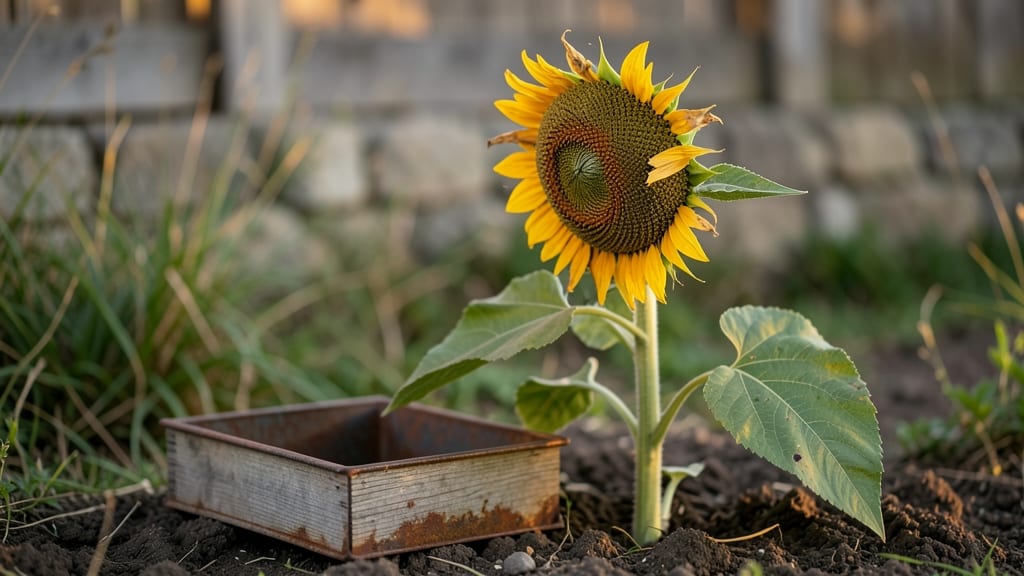
The moment you crack open a sunflower seed and see that tiny green life inside, you're holding a Pacific Northwest germination miracle waiting to happen. 🌱 I've learned that these seeds need just the right conditions to break through the shell and start growing—especially in our cooler, wetter climate where patience is key.
Sunflowers thrive when planted ½ inch deep in well-draining soil that's been warmed by spring sunshine. The trick is keeping the soil consistently moist but not soggy—think of it like a damp sponge rather than a swamp.
Most seeds sprout within 7-14 days when temperatures stay above 55°F, though our Northwest springs can be unpredictable.
Once that first green shoot appears, you'll want to thin seedlings to 12 inches apart for strong stems. The real payoff comes when those bright faces turn toward the sun, reaching their full height by summer's end. Just avoid the common mistake of overwatering—sunflowers hate wet feet.
This method works equally well for giant varieties or smaller ornamental types. The only real secret is timing: plant too early and they'll rot; too late and you'll miss the summer bloom. Let's get those seeds growing right!
📚 In This Guide
- What you need
- Instructions
- Tips and common mistakes
- Wrapping up and next steps
What you need
- ● Sunflower seeds: Choose heirloom or hybrid varieties suited for your region (e.g., Russian Mammoth or Autumn Beauty). Buy 10–20 seeds per plant for optimal spacing.
- ● Seed-starting mix: A lightweight, sterile potting soil (e.g., Miracle-Gro Seed Starting Potting Mix) to prevent damping-off disease.
- ● Containers: Small biodegradable pots (2–3 inches deep) or cell trays for seedlings.
- ● Larger garden pots (5+ gallons) or direct-sowing trays if planting outdoors early.
- ● Grow lights or sunny windowsill: Sunflowers need 12–16 hours of light daily for strong seedlings. A full-spectrum LED grow light works best.
- ● Watering can or spray bottle: A gentle misting setting prevents seed damage.
- ● Plant labels: Waterproof tags to track varieties and planting dates.
- ● Seedling heat mat: Speeds up germination in cooler PNW springs (70–85°F is ideal).
- ● Fertilizer: A balanced, water-soluble fertilizer (5-5-5 or 10-10-10) for transplanting.
- ● Epsom salt: A spoonful dissolved in water boosts magnesium for lush foliage.
- ● Row covers or cloches: Protects young seedlings from late frosts (common in PNW!).
- ● Stakes or cages: Tall varieties (6+ feet) need support—opt for bamboo stakes or tomato cages.
- ● Timing: Start seeds indoors 4–6 weeks before last frost (typically late April–early May in PNW).
- ● Soil prep: If direct-sowing, amend garden soil with compost for drainage (PNW soils can be dense!).
- ● Weather awareness: Monitor frost dates and rainfall patterns—sunflowers hate soggy roots!
Step-by-step guide to germinating sunflower seeds indoors in the Pacific Northwest
Here's how I get sunflower seeds sprouting reliably—even with our cool, damp climate.
🌱 Step 1: Soak Seeds for Faster Germination
Place your sunflower seeds in a small bowl and cover them with lukewarm water for 12-24 hours. The reason we soak them first is that sunflower seeds have a tough outer shell that slows down germination. You'll know they're ready when they look slightly plump and the water turns cloudy.
After soaking, drain the water and let the seeds sit for another 30 minutes so they don't stay too wet. I like to use a paper towel to gently pat them dry—this helps prevent mold before planting. Here's the thing—if you skip soaking, germination can take 2-3 times longer, especially in our cooler PNW homes.
💧 Step 2: Prepare Containers and Planting Mix
Fill your 4-inch deep containers with a sterile seed-starting mix—never use garden soil, as it's too dense and can harbor fungi. I like to press the mix down lightly so it's firm but still loose enough for roots to push through. The surface should be level, not mounded.
Make a small hole about ½ inch deep with your finger—just deep enough to hold the seed comfortably. I tap the seed packet gently to release one seed at a time; planting too many in one hole leads to weak, crowded seedlings. Drop one seed into each hole and cover it with a thin layer of soil, just enough to hide it completely.
☀️ Step 3: Provide Warmth and Consistent Moisture
Place your containers on a seedling heat mat set to 75-80°F—this mimics the warmth sunflowers need to germinate quickly. Without this, germination can take 2-3 weeks instead of the usual 7-10 days. Keep the soil moist by misting lightly every 1-2 days, but avoid soaking it—sunflowers hate soggy roots.
Cover the containers with a clear plastic dome or plastic wrap to trap humidity. Check daily for condensation on the inside of the cover—this is your signal the moisture level is perfect. Once you see green sprouts breaking through the soil, remove the cover immediately to prevent damping-off disease.
🌿 Step 4: Move to Bright Light Immediately
The moment your sunflower seedlings emerge, they need 14-16 hours of bright light daily. A south-facing window rarely provides enough intensity, so I use a grow light positioned 4-6 inches above the seedlings. Without sufficient light, seedlings stretch leggy and weak—you'll see them bending toward the light source like little green noodles.
Rotate the containers a quarter turn daily so the seedlings grow straight and sturdy. You'll notice strong seedlings have thick stems and deep green leaves within 10-14 days. If your home runs cooler than 65°F, germination may take a few extra days—just be patient.
⏰ Step 5: Harden Off Before Transplanting
Two weeks before your last frost date, start hardening off your sunflowers by placing them outside in a sheltered spot for 1-2 hours the first day. Gradually increase their outdoor time by 1 hour daily over 10-14 days, slowly introducing more sun and wind. This prepares them for the garden and prevents transplant shock.
Watch for wilting or yellowing leaves—this means they're not ready yet. Once they tolerate a full day outside without stress, they're ready for the garden. Transplant on an overcast afternoon to reduce shock, and water deeply at the base to encourage root growth.
Tips & tricks for perfect sunflower seed germination indoors
Even with our damp PNW climate, these tricks will help your sunflower seeds sprout reliably every time.
Soaking Secret: For the 12-24 hour soak, use a bowl large enough so seeds aren't crowded—they need room to plump up evenly. I like to swirl them gently every 6 hours to prevent mold spots. After draining, the 30-minute drying period is crucial; seeds should feel damp but not wet when you handle them. This prevents that dreaded mold smell that kills germination before it starts.
Container Selection Tip: Those 4-inch deep containers should have drainage holes—sunflowers despise soggy roots. I use plastic nursery pots with holes because they're lightweight and easy to move between heat mat and grow light. If you don't have drainage, make sure to empty any excess water after misting every 1-2 days.
Warmth Hack: The 75-80°F heat mat requirement is non-negotiable for PNW homes—our cool basements and drafty windowsills will stretch germination to 3 weeks if you skip this. Place your containers directly on the heat mat (no extra trays) for even warmth distribution. I keep a small thermometer nearby to monitor temps—anything below 70°F and you're fighting an uphill battle.
Lighting Strategy: That 14-16 hours of bright light isn't just about duration—it's about intensity. Position your grow light so the seedlings' tops just brush the bulb (4-6 inches). I rotate mine daily because fluorescent bulbs emit more light from the center. Watch for seedlings leaning? That's your cue to move them closer or add another light.
Pro Tips for Sunflower Seed Inside
- Even with our damp PNW climate, these tricks will help your sunflower seeds sprout reliably every time.
- Soaking Secret: For the 12-24 hour soak, use a bowl large enough so seeds aren't crowded—they need room to plump up evenly.
- Container Selection Tip: Those 4-inch deep containers should have drainage holes—sunflowers despise soggy roots.
Frequently asked questions
Got questions about growing sunflowers from seed in the Pacific Northwest?
You’re not alone! Here are answers to the most common queries about timing, troubleshooting, and everything in between.
When is the best time to plant sunflower seeds in the PNW?
The ideal window is after the last frost—typically late May to early June in most of the Pacific Northwest. For a longer growing season, you can try an early spring planting (mid-April) with row covers to protect seedlings. Just be prepared for slower germination in cooler soil!
How long does it take for sunflower seeds to sprout?
Under ideal conditions (warm soil, 70–80°F), sunflower seeds usually sprout in 7–14 days. In the cooler PNW climate, germination can take 2–3 weeks. Keep soil consistently moist (not soggy!) and patient—delayed sprouting is normal if nights are chilly.
Why aren’t my sunflower seeds germinating?
Common culprits include cold soil (below 50°F), overwatering (which causes rot), or old/seeds planted too deep (max 1–2 inches). Try pre-soaking seeds overnight, using a heat mat, or testing soil temperature with a thermometer. If seeds are >2 years old, fresh ones may be needed!
Can I grow sunflowers from store-bought seeds?
Store-bought sunflower seeds (unsalted, in-shell) work great—just rinse them well to remove any seasoning. For faster results, opt for certified organic or heirloom seeds labeled for direct sowing. Pro tip: Save seeds from your best-performing plants for next year!
Will squirrels or birds steal my sunflower seeds?
Yes—they’re a major snack for wildlife! Protect seeds by planting them deep enough (1–2 inches) or using chicken wire cages until sprouts emerge. Scatter seeds in multiple spots to avoid total loss. Once seedlings are 4–6 inches tall, they’re less tempting (and more resilient)!
Wrapping up and next steps
Discovering the sunflower seed inside your Pacific Northwest garden is just the beginning—your patience and care will soon reward you with vibrant blooms! Remember, these seeds thrive in the region’s cooler climate, with germination timelines ranging from 7 to 21 days, depending on soil conditions and moisture.
Stay consistent with your checks, and don’t hesitate to adjust your approach if Mother Nature throws a curveball.
You’ve got this! 🌱 Once those first sprouts peek through, keep nurturing them—and soon, your lawn or garden will be bursting with cheerful sunflowers. Ready to take the next step? Explore our guide on caring for young sunflower seedlings to ensure they grow strong and healthy!