
Flowers
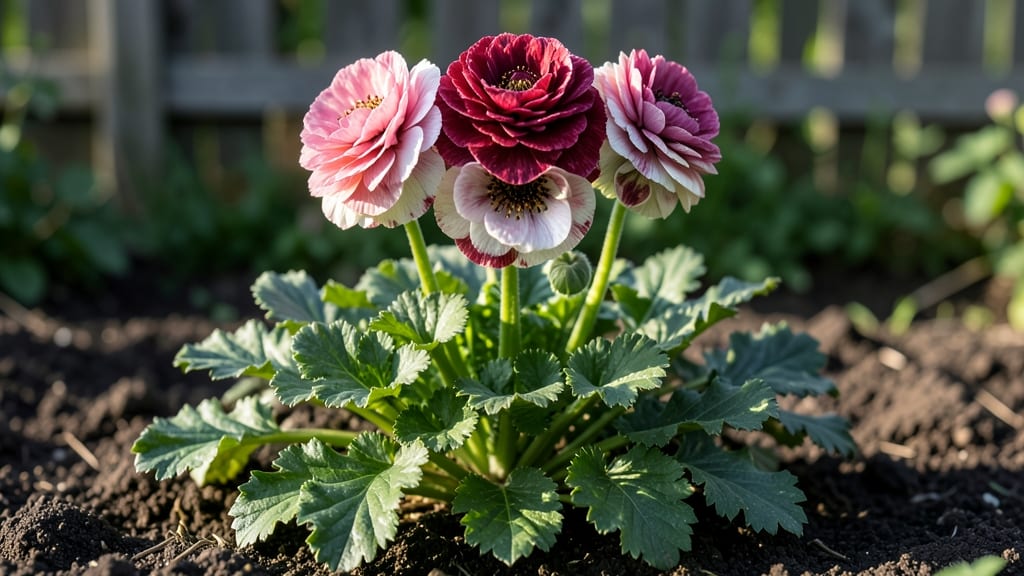
Super pretty flowers don’t have to mean sacrificing shade tolerance—especially in the Pacific Northwest’s damp, dappled light. 🌿 I’ve spent years hunting for blooms that burst with color while thriving where sunlight plays hide-and-seek, and these varieties never disappoint.
The key? Choosing plants bred for low-light resilience, like hydrangeas that blush pink in morning shade or heucheras that glow copper at dusk.
Most of these beauties demand less fuss than you’d think. Take Pacific Coast asters, which bloom from summer into frost with almost no care, or Japanese forest grass that adds movement without sunlight.
Even roses like ‘Kiftsgate’ stretch their petals happily under tree canopies—proof that shade gardens can rival sun-drenched borders in drama. The secret? Matching moisture-loving plants to the region’s natural dampness instead of fighting it.
Imagine a border where deep purple heucheras frame white foxglove spires, or where hydrangeas shift color with the soil pH like mood rings. These combos create the kind of lush, layered look that makes neighbors pause mid-walk.
The best part? Many of these plants spread gently over time, filling in gaps without requiring deadheading or staking—just let them do their thing.
Whether you’re refreshing a dark corner or starting a new shade garden, these bold blooms deliver year after year with minimal effort. The Pacific Northwest’s shade isn’t a limitation—it’s a canvas for flowers that shine even when the sun doesn’t.
📚 In This Guide
- What you need
- Instructions
- Tips and common mistakes
- Wrapping up and next steps
What you need
- ● Super pretty flowers: Choose from shade-loving PNW favorites like heuchera (coral bells), hostas, astilbes, bleeding hearts, or Japanese anemones. Aim for 3–5 plants per square foot for a lush look!
- ● High-quality potting soil or compost: 2–3 bags (look for organic, peat-free options like FoxFarm Ocean Forest or Espoma Black Gold).
- ● Mulch: 1–2 cubic yards of shredded bark or wood chips (helps retain moisture and suppress weeds).
- ● Garden gloves: A pair with waterproof palms (e.g., Fellowes or Gloves USA).
- ● Hand trowel: A stainless-steel or ergonomic one (like Fiskars) for precise planting.
- ● Watering can or hose with a gentle spray nozzle: 5-gallon capacity minimum.
- ● Pruners: Bypass pruners (e.g., Felco) for clean cuts.
- ● Slow-release fertilizer: Osmocote Smart-Release or Espoma Garden-Tone (follow package rates).
- ● Shade cloth: 30–50% coverage if your garden gets partial shade (e.g., Agribon).
- ● Decorative rocks or pebbles: For a polished look around plants (e.g., black lava rocks).
- ● Plant labels: Waterproof stakes or tags to track varieties.
- ● Knee pad or stool: For comfort during planting!
- ● 🌡️ Test your soil: PNW soil can be acidic—aim for a pH of 6.0–7.0 for most shade plants. Use a Luster Leaf test kit if unsure.
- ● ✨ Choose native or adapted plants: They’re low-maintenance and drought-tolerant once established!
- ● 💧 Water deeply but infrequently: Shade gardens stay moist longer—1–2 inches per week is ideal.
Step-by-Step guide for planting stunning shade-loving blooms
Here’s how to create a lush, vibrant garden with shade-tolerant varieties that thrive in Pacific Northwest conditions.
🌱 Step 1: Choose the Right Shade-Loving Varieties
Select bold, high-impact blooms that flourish in partial to full shade—think heucheras, astilbes, ferns, and impatiens—all of which handle the PNW’s damp, cool climate beautifully. I always opt for disease-resistant cultivars like ‘Black Beauty’ heuchera or ‘Bridal Veil’ astilbe, as they demand less fuss and deliver maximum drama. These plants also tolerate moist, well-draining soil, which is critical in the region’s rainy seasons.
Group plants by their light preferences—dappled shade for ferns and hostas, deep shade for astilbes and hellebores, and bright shade (morning sun, afternoon shade) for impatiens and begonias. This ensures each plant gets the exact conditions it craves. I sketch a rough layout first, marking where the shade shifts throughout the day—this prevents leggy growth or faded blooms later.
🪴 Step 2: Prepare the Soil for Moisture and Drainage
Amend the native soil with 3 inches of organic compost and 1 inch of perlite or coarse sand to improve drainage while retaining moisture—a must in the PNW’s wet climate. I mix these into the top 6 inches of soil using a garden fork, breaking up any compacted layers. This ensures roots won’t suffocate or rot during heavy rains.
For container plantings, use a well-draining potting mix blended with 20% perlite to mimic the airy texture of amended garden soil. Test drainage by filling a pot with water—it should empty completely within 10-15 minutes. If it pools, add more perlite or consider pots with larger drainage holes. This step is non-negotiable; soggy roots spell disaster for shade plants.
☀️ Step 3: Plant with Layered Depth and Spacing
Start with taller specimens like astilbes or ferns at the back, then add mid-height bloomers such as heucheras or impatiens, and finish with trailing or ground-cover plants like creeping phlox or ajuga. This creates visual depth and ensures no plant gets overshadowed. I space perennials 18-24 inches apart and annuals like impatiens 12 inches apart—crowding leads to poor airflow and fungal issues.
Dig holes twice as wide as the root ball but only as deep as the container’s base. Gently loosen roots if they’re circling, then backfill with native soil mixed with compost. Water deeply to settle the soil and eliminate air pockets. Press the soil lightly around the base—this prevents plants from toppling in wind or rain, which is common in the PNW.
💧 Step 4: Water Deeply and Mulch for Retention
Water once a week (or more during dry spells) until the soil is 6 inches deep and evenly moist. Use a soaker hose or drip irrigation to avoid wetting foliage, which reduces fungal risks. I water in the early morning to let leaves dry before evening humidity sets in—a simple habit that cuts down on mildew.
Spread 3 inches of shredded bark mulch over the soil surface, keeping it 2 inches away from plant stems to prevent rot. This mulch layer insulates roots, retains moisture, and suppresses weeds. Replenish it annually in spring—this keeps the soil cool and damp, just like the PNW’s natural forest floor.
✂️ Step 5: Prune and Maintain for Continuous Blooms
Deadhead spent blooms weekly on annuals like impatiens and begonias to encourage more flowers. For perennials, cut back wilting stalks to the first set of healthy leaves in late summer—this redirects energy to next year’s growth. I also trim any yellowing or diseased foliage immediately to prevent spread, especially in the damp PNW climate.
Fertilize lightly in early spring with a balanced, slow-release fertilizer (10-10-10) to support new growth. Avoid high-nitrogen feeds, which promote leafy growth at the expense of flowers. Instead, I top-dress with a compost tea every 4-6 weeks for a gentle nutrient boost without risking root burn.
Tips & tricks for planting stunning shade gardens
Here's what nobody tells you about creating a thriving shade garden that actually stays pretty year-round.
Light Mapping is Everything: Before you buy a single plant, walk through your garden at different times of day—morning, noon, and evening. Notice where dappled sunlight filters through trees and where deep shade lingers. I use a white sheet of paper to test light intensity: if you can barely see your handprint after 10 minutes, it's deep shade; if you can read comfortably, it's bright shade. This simple test prevents you from planting sun-lovers in dark corners where they'll struggle.
Root Zone Prep for PNW Conditions: The 3 inches of organic compost and 1 inch of perlite in Step 2 are non-negotiable, but here's the secret: mix in 1/4 cup of mycorrhizal fungi powder (optional but game-changing) when you amend the soil. These beneficial fungi form symbiotic relationships with plant roots, helping them absorb nutrients and water more efficiently—especially important in the damp but nutrient-poor soils common in the Pacific Northwest. Think of it as giving your plants a natural growth boost.
Container Drainage Test: When testing your container's drainage in Step 2, don't just fill it with water and wait. After the 10-15 minutes test, pour another 2 cups of water and let it drain again. This second test reveals if your container has hidden drainage issues that only show up with multiple waterings. I've found many supposedly "well-draining" containers fail this second test—don't make my mistake.
Mulch Maintenance Matters: That 3 inches of shredded bark mulch in Step 4 isn't a one-time application. Check it annually in spring and replenish as needed—especially after heavy winter rains when it compresses. I like to fluff it up with a rake before adding new mulch, creating air pockets that improve water penetration. This simple step prevents that dreaded "mulch mat" effect where water pools against plant stems, inviting rot.
Pro Tips for Super Pretty Flowers
- Here's what nobody tells you about creating a thriving shade garden that actually stays pretty year-round.
- Light Mapping is Everything: Before you buy a single plant, walk through your garden at different times of day—morning, noon, and evening.
- These beneficial fungi form symbiotic relationships with plant roots, helping them absorb nutrients and water more efficiently—especially important in the damp but nutrient-poor soils common in the Pacific Northwest.
Frequently asked questions
Got questions about growing super pretty flowers in Pacific Northwest shade?
You’re not alone! Here are answers to the most common queries to help you cultivate a stunning, low-light garden with ease.
What are the easiest super pretty flowers to grow in PNW shade?
Look for heuchera (coral bells), astilbe, ferns, and impatiens—they thrive in shade and offer vibrant colors. Hosta and lungwort are also low-maintenance picks with striking foliage and blooms. Start with these if you’re a beginner!
When is the best time to plant shade-loving flowers in the PNW?
Plant in early spring (March–April) or early fall (September–October) to avoid summer heat stress. Avoid winter planting unless using bare-root plants (like rhubarb or asparagus), which need cold dormancy. Spring gives roots time to establish before rainier months.
How do I protect my shade flowers from excessive PNW rain?
Ensure proper drainage by amending soil with compost or perlite. Elevate containers slightly, and use mulch (3–4 inches) to prevent soil erosion. For delicate blooms like impatiens, a lightweight shade cloth (30–50%) can reduce leaf rot during heavy downpours.
Can I grow super pretty flowers in containers instead of garden beds?
Use large, well-draining pots (12+ inches deep) with a mix of potting soil + perlite. Opt for trailing flowers like fuchsia or compact varieties like dwarf hosta. Place containers in bright, indirect light (e.g., under a tree canopy) and water daily in summer.
Why are my shade flowers wilting or turning yellow?
Check for overwatering (PNW shade can trap moisture) or underwatering (containers dry faster). Yellow leaves often signal nutrient deficiency—try a balanced fertilizer (10-10-10) in spring. Pests like slugs or aphids can also stress plants; use organic slug bait or neem oil if needed.
Pro Tip:
Rotate your shade flowers seasonally! Swap out spring bleeding hearts for fall Japanese anemones to keep color year-round. Evergreen foliage (like heuchera) adds winter interest too!
Wrapping up and next steps
Transforming your Pacific Northwest garden into a lush, shady paradise with super pretty flowers is easier than you think! From heucheras to hostas and ferns, these bold blooms not only thrive in low light but also add serene beauty to any space.
Whether you're a seasoned gardener or just starting, these shade-loving stars bring joy with minimal fuss.
Ready to bring your vision to life? Start small—pick one or two plants to test your space, then expand as you gain confidence. Happy planting! 🌿✨