Flowers
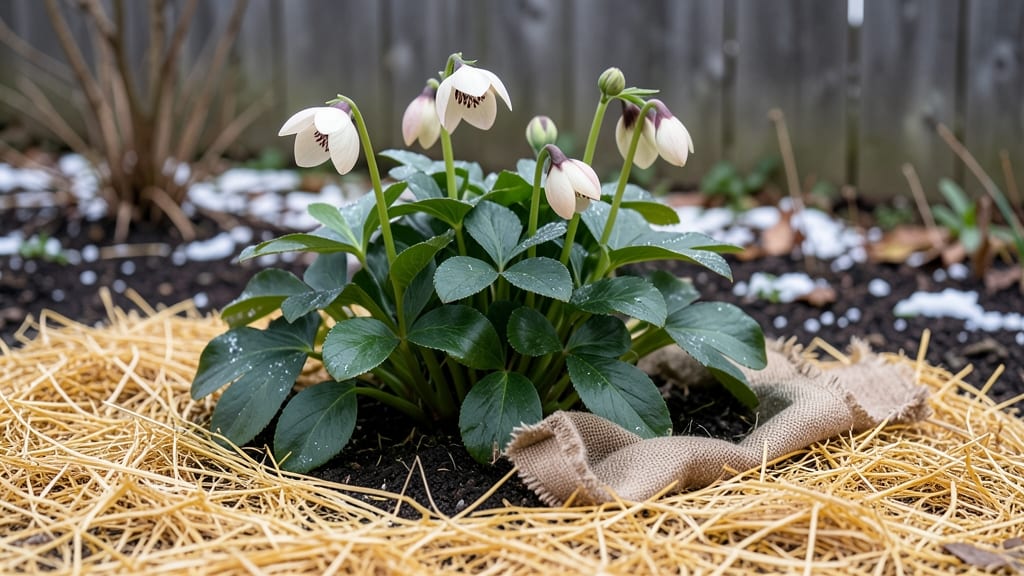
Winterizing perennial flowers in the Pacific Northwest isn’t just about survival—it’s about setting them up for a showier spring than ever. I’ve learned that the right prep turns frosty months into a quiet season of root strengthening, not a death sentence for your garden.
The key? Timing, mulch, and a little strategic pruning before the ground freezes.
Most perennials here need protection by late November, when temperatures dip into the 30s. You’ll need a 3-4 inch layer of mulch (straw or shredded leaves work best), sharp pruners for cleanup, and maybe a few burlap wraps for tender stems.
My peonies and hostas bounce back every year because I treat winter like a power nap—not a punishment.
What you’ll end up with is plants that push through the soil earlier, bloom more prolifically, and resist disease better. The secret’s in the roots: protected, insulated, and ready to feed new growth as soon as the rain returns.
Think of it as tucking your garden in for the night—except the night lasts six months.
Works for everything from hardy lavender to finicky coneflowers, whether you’re in Seattle’s mild winters or the colder valleys of Eastern Washington. Let’s get those plants prepped before the first hard freeze locks everything in place.
📚 In This Guide
- What you need
- Instructions
- Tips and common mistakes
- Wrapping up and next steps
What you need
- ● Pruning shears or loppers – Sharp, bypass-style (for clean cuts), 1-2 pairs (one for small stems, one for thicker branches).
- ● Garden gloves – Waterproof, reinforced (e.g., mechanics-grade or rose-pruning gloves), 1 pair.
- ● Mulch – 4–6 inches of organic mulch (straw, shredded bark, or cedar chips), enough to cover 12+ square feet per bed.
- ○ Compost or well-aged manure – 1–2 gallons per 10 sq. ft. (optional but boosts soil health).
- ● Frost cloth or burlap – Lightweight, breathable (e.g., 30–50% shade cloth), enough to drape over sensitive perennials.
- ● Garden twine or stakes – For securing frost cloth, 5–10 feet per plant.
- ● Watering can or hose with nozzle – For deep watering before frost.
- ● Anti-desiccant spray (e.g., Wilt-Pruf) – 1–2 sprays per plant to prevent moisture loss.
- ● Soil thermometer – To monitor ground temps (aim for 20–30°F before mulching).
- ● Plant tags or labels – Waterproof markers to note winter-sensitive varieties.
- ● Container growers’ supplies – If potting up tender perennials: 5-gallon pots, potting mix, and drainage trays.
How to prepare perennial flowers for Pacific Northwest winters
Here’s the straightforward method I’ve used for years to keep perennials thriving through our damp, chilly winters.
Cut Back Foliage at the Right Time
Wait until late fall, after the first hard frost but before snowfall, to trim back dead or damaged foliage. This timing lets the plant store enough energy for spring growth while avoiding early winter dieback. Use clean, sharp pruners to cut stems down to 2-3 inches above the ground—never lower, or you risk damaging next year’s buds.
I always remove all diseased or pest-infested stems first, bagging them for disposal. This prevents pathogens from overwintering in the soil. For perennials like coneflowers or black-eyed Susans, leave some seed heads if you want wildlife to enjoy them through winter.
Apply a Layer of Mulch for Insulation
Spread a 3-inch layer of organic mulch—like shredded bark or straw—around the base of your perennials. This acts like a blanket, protecting roots from freezing and thawing cycles that can damage them. Avoid piling mulch directly against stems, as this can trap moisture and cause rot.
I like to use pine needles or leaf mold for acid-loving plants like azaleas or rhododendrons. For most perennials, a mix of mulch and compost works well. This layer also suppresses weeds and retains soil moisture during winter rains.
Water Deeply Before the Ground Freezes
Give your perennials a deep watering in late fall, about 2-3 weeks before the ground freezes. This ensures roots stay hydrated through winter. Water slowly so it soaks into the soil rather than running off. You’ll know it’s enough when the top 6 inches of soil feel moist.
If your soil is heavy clay, like much of the Pacific Northwest, consider adding a 1-inch layer of compost before mulching. This improves drainage and gives roots a nutrient boost for spring. Avoid overwatering now—soggy soil invites rot.
Protect Tender Perennials with Burlap or Row Covers
For perennials sensitive to cold, like lavender or Russian sage, wrap the crown in burlap or frost cloth and secure it loosely. This shields them from wind and extreme cold without trapping too much moisture. Leave the top open to allow some airflow.
I’ve found that evergreen boughs or straw bales work well for ground cover perennials like heuchera or coral bells. Pile them around the base, but avoid smothering the plants. Check occasionally during thaws to ensure no mold or rot develops.
Monitor and Adjust Through Winter
Keep an eye on your perennials during winter storms. If snow piles up, gently brush it away from the crown to prevent suffocation. After heavy rains, check for soggy mulch and fluff it up if needed to maintain airflow.
In early spring, before new growth appears, remove old mulch and add fresh compost. This gives roots a nutrient kick as they wake up. If you see any dead or damaged stems in spring, prune them out cleanly to encourage healthy new growth.
Tips & tricks for perfectly winterizing perennial flowers
Here’s what I’ve learned over years of keeping perennials thriving through our rainy, cold winters—these little details make all the difference.
Timing is Everything: The window between the first hard frost and snowfall is narrow, so mark your calendar! Use a weather app to track forecasts and be ready to act within 24 hours of that first frost. I’ve seen perennials suffer when cut back too early—they need those late-season sugars for spring growth. For late bloomers like asters, wait until they’ve fully finished flowering before trimming.
Mulch Depth Matters: That 3-inch layer of mulch is non-negotiable for root protection, but placement is key. Create a donut shape around plants, keeping mulch 2-3 inches away from stems to prevent rot. For tender perennials, add an extra inch of mulch over the root zone. I’ve found that mulching too early (before soil temps drop) can actually encourage late-season growth that gets damaged by frost.
Watering Wisdom: The deep watering 2-3 weeks before freeze-up is critical, but don’t guess—use your finger to check soil moisture. The top 6 inches should feel damp but not soggy. For clay-heavy soils, I recommend adding that 1-inch compost layer first—it improves drainage while feeding roots. A simple soil moisture meter costs just a few dollars and takes the guesswork out of this step.
Protective Layering: When wrapping tender perennials, think of it like dressing for winter—breathable but protective. Burlap or frost cloth should fit loosely, not tightly, to allow airflow. For ground covers, evergreen boughs work beautifully but check them every few weeks during thaws to prevent mold buildup. I’ve saved several lavender bushes this way that would have otherwise died in our harsh winters.
Pro Tips for Winterizing Perennial Flowers
- Here’s what I’ve learned over years of keeping perennials thriving through our rainy, cold winters—these little details make all the difference.
- Timing is Everything: The window between the first hard frost and snowfall is narrow, so mark your calendar!
- Mulch Depth Matters: That 3-inch layer of mulch is non-negotiable for root protection, but placement is key.
Frequently asked questions
Got questions about keeping your perennials thriving through Pacific Northwest winters? Here are some of the most common concerns—and their answers!
When is the best time to winterize perennials in the PNW?
The ideal window is late fall to early winter (October–December), once nighttime temps dip into the 30s°F (or after the first hard frost). Wait too long, and frost damage may already occur. For coastal areas, aim for November; inland zones like eastern WA can start earlier.
Do I need to cover perennials if they’re hardy to zone 7?
Even zone-7 perennials benefit from light protection during extreme cold snaps (below 10°F). Use frost blankets or straw mulch for added insulation, especially for young plants or tender varieties. Think of it as a cozy blanket for your flowers!
What if I forget to winterize before a freeze?
Don’t panic! If a hard freeze hits unexpectedly, cover plants immediately with frost cloth or burlap. Remove covers during the day to prevent overheating. For severe damage, prune dead foliage in early spring and monitor for new growth.
Can I use leaves or grass clippings as mulch?
Yes, but with a caveat: Shredded leaves work great—they break down slowly and add nutrients. Avoid thick layers of whole leaves (they can smother plants) or grass clippings (they mat and trap moisture, risking rot). Stick to 2–3 inches of organic mulch for best results.
How do I know if my perennials survived the winter?
Wait until late spring (April–May) before declaring a plant dead. Look for green shoots or buds at the base. If nothing emerges by early summer, the plant likely didn’t make it—replace it next season!
Wrapping up and next steps
Winterizing your perennial flowers in the Pacific Northwest doesn’t have to be a chore—it’s your chance to protect and prepare your garden for a vibrant spring comeback! 🌱 By following these steps, you’ll ensure your hardy plants thrive even through chilly rains and frost.
Now that you’re armed with the right tools and knowledge, roll up your sleeves and give your garden the TLC it deserves.
Ready to take it further? Plan your spring planting now! Sketch out your garden layout, research companion plants, and mark your calendar for early-season tasks like soil prep. Your future blooms will thank you! 🌸