
Flowers
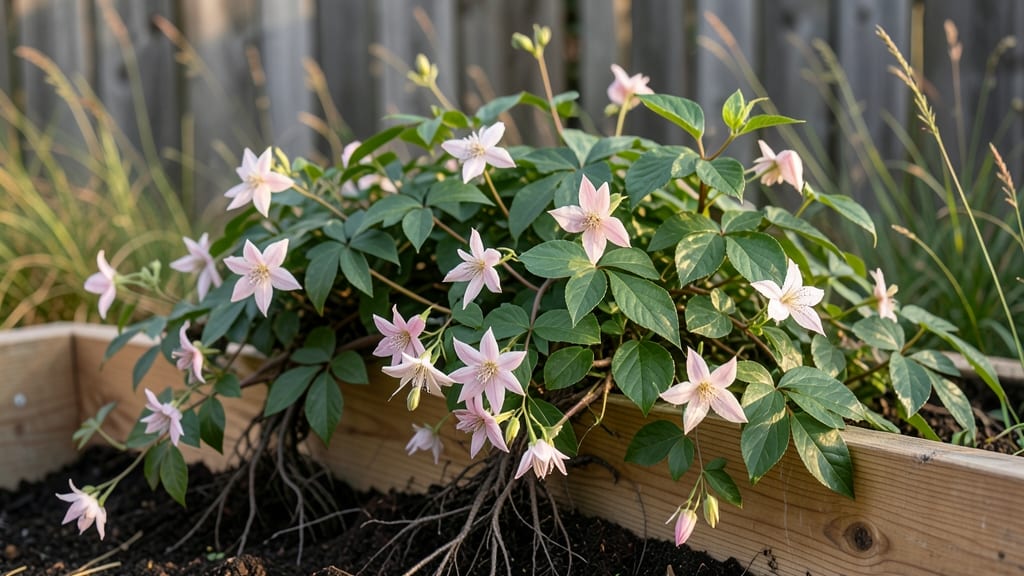
The sight of the sweet autumn clematis flower spilling like a fragrant waterfall from a container is pure magic—this vine turns bare walls or trellises into living art. 🌿 I planted mine last spring, and by midsummer, it had already claimed a 10-foot trellis with delicate white blooms that smell like honeyed jasmine.
The secret to its dramatic growth isn’t complicated: it thrives in full sun, tolerates poor soil, and spreads faster than you’d expect.
You’ll need a sturdy container with drainage holes (at least 12 inches deep) and a trellis or wire frame for support—this vine can reach 15-20 feet if given room. The soil mix should be well-draining but moist, and a balanced fertilizer in early spring jumpstarts that fast growth.
Water consistently but avoid soggy roots, and you’ll see new shoots within weeks.
By late summer, your container will be alive with hundreds of tiny, star-shaped flowers that perfume the air at dusk. The blooms last into autumn, and with minimal pruning (just cutting back dead stems in late winter), it returns even stronger.
It’s the kind of plant that makes neighbors stop and ask, “What is that?”—and the answer is pure, effortless elegance.
Perfect for small spaces, balconies, or even hanging baskets (with a dwarf variety), this clematis grows almost anywhere. The only downside? You might need to stake it early to prevent it from toppling over—trust me, I learned that the hard way. Let’s get yours thriving!
📚 In This Guide
- What you need
- Instructions
- Tips and common mistakes
- Wrapping up and next steps
What you need
- ● Sweet Autumn Clematis Vine: A healthy, potted plant (choose a variety like 'Sweet Autumn' or 'Niobe' for fragrance and vigor).
- ● Container: A large, deep pot (minimum 12–15 gallons) with drainage holes. Opt for fabric grow bags or terracotta pots (18–24" diameter) for best airflow.
- ● High-Quality Potting Mix: A well-draining blend like 50% garden soil, 30% compost, and 20% perlite or coarse sand (avoid heavy clay soil).
- ● Support Structure: A trellis (6–8 ft tall) or cage (metal or wooden).
- ● OR a strong bamboo stake (for smaller varieties).
- ● Slow-Release Fertilizer: A balanced 10-10-10 or orgainc granular fertilizer (follow package rates).
- ● Mulch: Organic mulch (e.g., shredded bark or straw) to retain moisture and regulate soil temp.
- ● Gloves (gardening or work gloves for handling thorns).
- ● Trowel or Spade (for planting and soil adjustments).
- ● Watering Can or Hose with a gentle spray nozzle.
- ● Pruning Shears (sterilized, for shaping and deadheading).
- ○ pH Test Kit (optional but helpful—aim for 6.0–7.0).
- ○ Epsom Salt (optional, for magnesium boost—1 tbsp per gallon of water monthly).
Step-by-step guide for cultivating sweet autumn clematis in containers
Here's how to coax those cascading blooms into thriving vertical displays.
🪴 Step 1: Select the Right Container and Soil Mix
Choose a 5-gallon container with drainage holes—sweet autumn clematis needs room for its extensive root system and won't tolerate soggy feet. I like fabric grow bags because they allow excess moisture to evaporate while still providing structural support. The container should be at least 12 inches deep to accommodate the plant's vigorous growth.
Fill the bottom third with gravel or perlite for drainage, then mix 50% premium potting soil with 30% compost and 20% coarse sand or perlite. This blend prevents compaction while retaining moisture without suffocating roots. Tap the container gently to settle the mix, but avoid compacting it—you want air pockets for healthy root development.
☀️ Step 2: Plant and Provide Initial Support
Dig a hole twice as wide as the clematis root ball but only half as deep—these plants hate being buried too deeply. Place the plant so the crown sits just below soil level (about 1 inch down). If you're using a bare-root plant, soak the roots in lukewarm water for 30 minutes before planting to encourage root expansion.
Install a trellis or sturdy vertical support immediately—sweet autumn clematis needs something to cling to from day one. I use powder-coated metal trellises because they last years and won't rust. Gently weave the main stems through the trellis as you plant, securing them with soft plant ties (never wire, which can damage tender vines). Water deeply after planting to settle the soil around the roots.
💧 Step 3: Water and Fertilize for Vigorous Growth
Keep the soil evenly moist but never waterlogged for the first 4-6 weeks—this establishes strong roots before the plant focuses on foliage. Water when the top 2 inches of soil feel dry to the touch, and always water at the base, not overhead. Sweet autumn clematis is drought-tolerant once established, but young plants need consistent moisture to prevent stress.
After 6 weeks, switch to a balanced liquid fertilizer (10-10-10) every 2 weeks during the growing season. I use half-strength solution to avoid burning roots—these plants grow fast, and over-fertilizing leads to weak, floppy vines. Stop fertilizing in late summer to encourage blooming rather than leafy growth. Mulch with 2 inches of shredded bark to retain moisture and regulate soil temperature.
✂️ Step 4: Prune for Maximum Blooms and Structure
Sweet autumn clematis is a Group 3 pruner, meaning it blooms on both old and new wood. In late winter or early spring, cut back last year's stems to 2-3 feet tall, removing any dead or weak growth. This encourages strong new shoots while preserving the plant's natural shape. I prune just above a bud or joint—never leave stubs, as this invites disease.
Throughout the season, pinch back any side shoots that exceed 12 inches to encourage bushier growth. Remove spent blooms only if they're unsightly—this clematis produces so many flowers that deadheading isn't necessary. In fall, cut back any remaining stems to 6 inches tall to protect the plant from winter winds. This also makes it easier to spot new growth in spring.
🌿 Step 5: Overwinter and Prepare for Next Season
Sweet autumn clematis is hardy to USDA Zone 4, but container-grown plants need extra protection. Once temperatures drop below 32°F, wrap the container and trellis in burlap or frost cloth, leaving the top open to prevent moisture buildup. I also add 4-6 inches of straw mulch around the base to insulate the roots—this prevents freeze-thaw cycles that can damage containers.
In early spring, remove the winter wrap as soon as new growth appears. Resume fertilizing in April and monitor for aphids or clematis wilt—common issues in containers. If you notice yellowing leaves, it's often a sign of overwatering or nutrient deficiency. Adjust your care routine accordingly, and you'll have a lush, blooming vine ready to cascade by summer.
Tips & tricks for perfect sweet autumn clematis growth in containers
Here's what I've learned after years of growing these dramatic vines—simple tweaks that make all the difference.
Container Selection: Fabric grow bags are my top recommendation because they allow excess moisture to escape while still providing sturdy support. If you're using traditional plastic containers, add extra drainage holes—these plants despise soggy roots. I've seen clematis roots rot in containers without proper drainage, so always verify those holes are clear before planting. For extra stability, place a saucer underneath to catch runoff while preventing wind from tipping the container.
Soil Mix Optimization: The 50-30-20 blend of premium potting soil, compost, and perlite/sand is perfect, but here's the secret: add 1 cup of worm castings to the mix for extra nutrients. This gives your clematis a gentle growth boost without the risk of over-fertilizing. When settling the soil, use your hands to create small air pockets around the roots—this mimics natural soil conditions and encourages faster establishment.
Root Prep for Bare-Root Plants: That 30-minute soak in lukewarm water before planting isn't just helpful—it's essential for bare-root clematis. I've planted without soaking and seen slower growth and weaker vines. Use a bucket of water with a splash of rooting hormone if you have it, and trim any mushy or damaged roots before planting. This simple step can mean the difference between a struggling plant and one that thrives from day one.
Support System Strategy: When installing your trellis, position it slightly off-center in the container. This creates more growing space for the vine to cascade naturally. I've found that powder-coated metal trellises last the longest, but if you're using wooden supports, treat them with a non-toxic sealant first to prevent rot. The key is securing the main stems immediately—clematis vines need something to cling to within the first week to develop properly.
Pro Tips for Sweet Autumn Clematis Flower
- Here's what I've learned after years of growing these dramatic vines—simple tweaks that make all the difference.
- Container Selection: Fabric grow bags are my top recommendation because they allow excess moisture to escape while still providing sturdy support.
- Soil Mix Optimization: The 50-30-20 blend of premium potting soil, compost, and perlite/sand is perfect, but here's the secret: add 1 cup of worm castings to the mix for extra nutrients.
Frequently asked questions
Got questions about growing sweet autumn clematis? You’re not alone—this stunning vine has its quirks! Here are answers to the most common queries to help you cultivate drama in your container garden with confidence.
How fast does sweet autumn clematis grow, and how big can it get?
This vine is a fast grower—expect 6 to 12 feet per season! With proper support (like a trellis or sturdy container), it can reach 15–20 feet tall and spread 8–10 feet wide. In containers, prune aggressively to keep it manageable while still enjoying its fragrant, cascading blooms.
When is the best time to plant sweet autumn clematis in containers?
Plant in early spring or fall (4–6 weeks before frost) for best root establishment. Avoid summer heat, which can stress young roots. If repotting, do it in spring—this vine thrives with well-draining soil and a moist (but not soggy) environment.
What pests or diseases should I watch for with sweet autumn clematis?
Common issues include clematis wilt (fungal), aphids, and spider mites. Prevent wilt with proper air circulation and avoid overhead watering. For pests, spray with neem oil or introduce ladybugs. Yellowing leaves? Check for overwatering or nutrient deficiencies.
Does sweet autumn clematis bloom only once a year, and how can I encourage more flowers?
It blooms late summer to fall, but not reliably in spring. To boost flowers, prune in early spring (remove dead wood) and feed with phosphorus-rich fertilizer (like 5-10-5) in early summer. Deadhead spent blooms to redirect energy to new growth.
Can I grow sweet autumn clematis in a small pot, or does it need a large container?
Yes! Start with a 5-gallon pot (minimum) and upgrade as it grows. Use fast-draining mix (e.g., 60% potting soil, 30% perlite, 10% compost) and repot every 2–3 years. Pro tip: Train vines upward with a small trellis to save space!
Wrapping up and next steps
Growing sweet autumn clematis in containers is a rewarding way to bring vertical drama and fragrant beauty to your space—even with limited room! 🌿 Whether you’re drawn to its lush vines, sweet scent, or low-maintenance charm, this versatile climber proves that big impact doesn’t require a big yard. Now’s the perfect time to roll up your sleeves, grab your gloves, and watch your container garden transform into a stunning vertical masterpiece!
Ready to dive in? Start small:
- Pick a sunny spot and the right pot.
- Plant your clematis and tend to it with confidence.
- Soon, you’ll be the envy of the neighborhood with your fragrant, flowering oasis!