Size
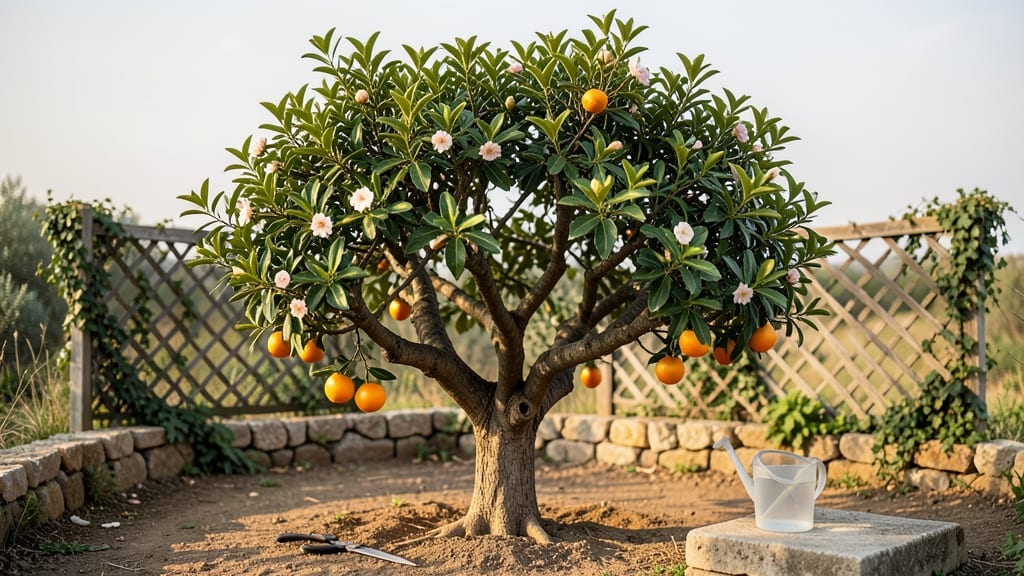
That tall orange flower plant standing like a beacon in your Pacific Northwest garden doesn’t just survive winter—it thrives. 🌟 I’ve seen it punch through frost with fiery blooms while neighbors’ perennials still huddle under blankets, and it’s become my go-to for dramatic seasonal color.
The key isn’t just picking any orange—it’s choosing varieties that embrace the region’s damp, cool summers and chilly winters without complaint.
Think 6 to 10 feet of vertical drama that pairs perfectly with evergreens or silvery foliage. Plants like Butterfly Weed (Asclepias tuberosa) or Orange Coneflower (Echinacea) deliver three-season interest—bright blooms in summer, seed heads in fall, and even winter structure when left standing.
They’re the kind of plants that make your garden look intentional from May through December, not just during peak bloom.
Your design options are endless: use them as backdrop plants for cottage-style borders, as focal points near patios where their height draws the eye, or even as seasonal accents in mixed containers.
Pair them with deep purples or blues to make the orange pop even harder, or let them stand alone as a bold statement against evergreen hedges. The best part? They’re low-maintenance once established, so you get drama without the fuss.
For the Pacific Northwest, frost resistance is non-negotiable—and these plants deliver. Whether you’re filling a shady corner or brightening a sunny border, they’ll reward you with vibrant color that lasts. Let’s talk specifics next—like which varieties handle your microclimate best and how to style them for maximum impact.
📚 In This Guide
- What you need
- Instructions
- Tips and common mistakes
- Wrapping up and next steps
What you need
- ● Tall orange flower plant: Choose a Calendula officinalis (Pot Marigold) or Helenium autumnale (Sneezeweed)—both are cold-hardy and bloom in striking oranges. Quantity: 1-3 plants (depending on garden size).
- ● Well-draining soil: Mix 2 parts native soil with 1 part compost or peat moss (for moisture retention). pH: 6.0–7.5 (slightly acidic to neutral).
- ● Organic fertilizer: A balanced 10-10-10 or fish emulsion (for nutrient boost). Quantity: 1 tbsp per plant.
- ● Mulch: 3–4 inches of wood chips or straw to protect roots from frost and retain moisture.
- ● Garden trowel or spade (for digging holes 12–18 inches deep).
- ● Watering can or hose with a gentle spray nozzle (avoid over-saturating roots).
- ● Pruning shears (for shaping and deadheading spent blooms).
- ● Garden gloves (to protect hands from thorns or rough stems).
- ● Slow-release fertilizer pellets (for seasonal nutrient release).
- ● Plant stakes or cages (if your plant grows over 4 feet tall and needs support).
- ● Frost cloth (for extreme cold snaps below 20°F).
- ● Companion plants: Pair with lavender or rosemary to repel pests naturally!
How to grow a stunning frost-resistant orange flower in the Pacific Northwest
Here's my battle-tested approach for growing vibrant, hardy orange blooms that thrive through PNW winters.
🌱 Step 1: Select the Right Orange Flower Variety for Cold Climates
For the Pacific Northwest's unique climate, I recommend Butterfly Bush (Buddleia davidii) or Orange Coneflower (Echinacea)—both handle frost down to 10°F once established. Butterfly Bush grows 6-10 feet tall with fragrant orange plumes, while Coneflower reaches 2-4 feet with bold daisy-like blooms. Check your microclimate: Coastal areas get milder winters, while inland spots may need extra winter protection.
If you want something taller and more dramatic, Orange Daylily (Hemerocallis) varieties like 'Stella de Oro' reach 2-3 feet with striking orange blooms and 30°F frost tolerance. For true towering height, Orange Tree Mallow (Lavatera) can grow 5-6 feet but prefers slightly warmer zones. Always verify the specific cultivar's hardiness zone match for your location.
☀️ Step 2: Plant in Late Spring After Final Frost
Wait until after your last 32°F frost date—typically late May in most of the PNW—to plant your orange flower. The soil should be at least 55°F and warming consistently. I dig a hole twice as wide as the root ball but only as deep, since planting too deep suffocates roots. This is especially critical for Coneflowers, which need excellent drainage.
Amend the native soil with 2-3 inches of compost mixed into the bottom of the hole. The PNW's acidic soils often need this boost for vibrant orange blooms. Water the hole thoroughly before planting, then place your plant in and backfill with native soil mixed with 10% perlite for better aeration. Press gently but firmly to eliminate air pockets around roots.
💧 Step 3: Water Deeply and Establish a Consistent Routine
Water immediately after planting, then once weekly for the first month to help roots establish. The key is deep watering—1-1.5 gallons per plant—that penetrates 6-8 inches deep. You'll know you're doing it right when water appears at the surface after 10-15 minutes. Mulch with 2-3 inches of shredded bark to retain moisture and protect roots from temperature swings.
After the first month, reduce to every 10-14 days unless you experience 3+ days of 90°F+ temperatures. Orange flowers are surprisingly drought-tolerant once established, but their blooms will be more vibrant with consistent moisture. Watch for wilting leaves—this is your signal to water before the soil becomes bone dry.
✂️ Step 4: Prune for Height and Winter Hardiness
In early spring, cut back one-third of the plant's height to encourage bushier growth and more abundant blooms. For Butterfly Bush, I remove all dead wood first, then make cuts just above a leaf node. This prevents disease from entering through open wounds. Coneflowers need minimal pruning—just remove spent blooms to encourage more flowers and prevent self-seeding.
In late fall, cut back half the plant's height again, but leave 6-12 inches of stems to protect the crown from winter winds. This is especially important for first-year plants. I always prune after the first hard frost but before 20°F temperatures to allow time for new growth to harden off. Never prune in fall if your plant shows any signs of disease—wait until spring.
🪴 Step 5: Protect from Winter Winds and Prepare for Spring
In the PNW's windy coastal areas, young orange flowers need winter protection. I wrap burlap around the base and secure it with landscape staples to prevent windburn. For especially tender varieties, add 4-6 inches of straw mulch around the base after the first frost. This insulation helps roots survive 15°F temperatures without damage.
In early spring, remove winter protection when daytime temperatures consistently reach 45°F. This usually happens in March for inland areas and April for coastal zones. Fertilize lightly with 5-10-10 fertilizer at ½ strength to encourage new growth. You'll see fresh shoots emerge within 2-3 weeks—this is your signal that winter dormancy is over and the plant is ready for another growing season.
Tips & tricks for growing Pacific Northwest frost-resistant orange blooms
Here's what nobody tells you about making these vibrant orange flowers thrive in the PNW's challenging climate.
Variety Selection Wisdom: When choosing between Butterfly Bush and Orange Coneflower, consider your space and sunlight. Butterfly Bush thrives in full sun with 6+ hours of direct light daily and grows tall enough to serve as a privacy screen. Coneflowers, while shorter, tolerate partial shade better and attract pollinators like bees and butterflies. For coastal areas, I recommend Coneflowers—they handle the milder winters better than the taller varieties.
Planting Depth Secret: The instructions mention planting only as deep as the root ball, but here's the critical detail: Butterfly Bush roots are particularly sensitive to depth. If you notice yellowing leaves after planting, your plant might be too deep. For these varieties, I always check the root flare (where roots meet the stem) should sit just above soil level. This is especially important in the PNW's dense, clay-heavy soils that can suffocate roots when planted too deep.
Watering Technique: That 10-15 minute watering check isn't just about volume—it's about soil type. In the PNW's varied soils, sandy areas will show surface water faster, while clay soils may need 20 minutes to show signs of saturation. I always test my soil's drainage first by pouring a gallon of water and timing how long it takes to drain completely. Adjust your watering schedule based on this test rather than just following the 10-15 minute rule.
Winter Protection Strategy: The 15°F temperature threshold mentioned for winter protection is actually conservative for most PNW locations. Inland areas like Spokane can drop to -10°F in winter, while coastal Portland rarely goes below 25°F. I recommend checking your local microclimate and adding an extra 2-3 inches of mulch if you're in colder inland zones. For first-year plants, consider using frost blankets instead of just burlap—they provide better insulation for those critical first winters.
Pro Tips for Tall Orange Flower Plant
- Here's what nobody tells you about making these vibrant orange flowers thrive in the PNW's challenging climate.
- Variety Selection Wisdom: When choosing between Butterfly Bush and Orange Coneflower, consider your space and sunlight.
- Planting Depth Secret: The instructions mention planting only as deep as the root ball, but here's the critical detail: Butterfly Bush roots are particularly sensitive to depth.
Frequently asked questions
Got questions about your tall orange flower plant? You’re not alone! Here are some of the most common queries—plus quick, practical answers to keep your PNW-friendly stunner thriving.
How tall can this plant really grow?
Most tall orange flowering plants (like Helenium or Rudbeckia) reach 4 to 6 feet at maturity. However, varieties like Rudbeckia fulgida ‘Goldsturm’ can top out at 2–3 feet. Check your plant’s tag—some dwarf types stay under 2 feet! For dramatic height, pair with tall grasses or sunflowers.
Will it survive PNW winters?
Most tall orange perennials (e.g., Helenium autumnale or Rudbeckia) are hardy to USDA Zones 3–9, making them frost-resistant. Just ensure they’re planted in well-draining soil—waterlogged roots can cause rot. A 3-inch mulch layer in late fall adds extra protection.
Why aren’t my flowers opening?
Blooms might stay closed due to shade, overcrowding, or poor pollinators. Try these fixes:
- Move to full sun (6+ hours/day).
- Thin out foliage to improve airflow.
- Invite bees with nearby pollinator-friendly plants (e.g., lavender or coneflowers).
Can I grow this in containers?
Yes! Smaller varieties (like Rudbeckia ‘Little Goldstar’) thrive in 12–15-inch pots with drainage holes. Use lightweight potting mix and repot every 2–3 years. For taller types, opt for large containers (18+ inches)—they’ll need staking in windy PNW spots.
What pests should I watch for?
Common culprits include:
- Aphids: Spray with soapy water or introduce ladybugs.
- Japanese beetles: Handpick or use neem oil.
- Powdery mildew: Improve airflow and avoid overhead watering.
What’s a great low-maintenance alternative?
If tall orange flowers feel high-maintenance, try:
- Black-eyed Susan (Rudbeckia hirta): Drought-tolerant, blooms all summer.
- Coneflower (Echinacea): Perennial, attracts butterflies.
- Daylily (Hemerocallis): Hardy, thrives in shade.
Wrapping up and next steps
Adding a tall orange flower plant to your Pacific Northwest garden is a brilliant way to embrace bold beauty while staying low-maintenance. These frost-resistant stunners bring vibrant color, attract pollinators, and thrive in your climate—no fuss required!
Whether you’re drawn to Berberis thunbergii or Physocarpus opulifolius, your garden will thank you for the effortless elegance.
Ready to transform your outdoor space? Start small! Pick one variety, gather your supplies, and plant it in a sunny spot this weekend. Before you know it, your yard will be bursting with cheerful orange blooms—and maybe even a few curious hummingbirds! 🌸🌿