
Pruning
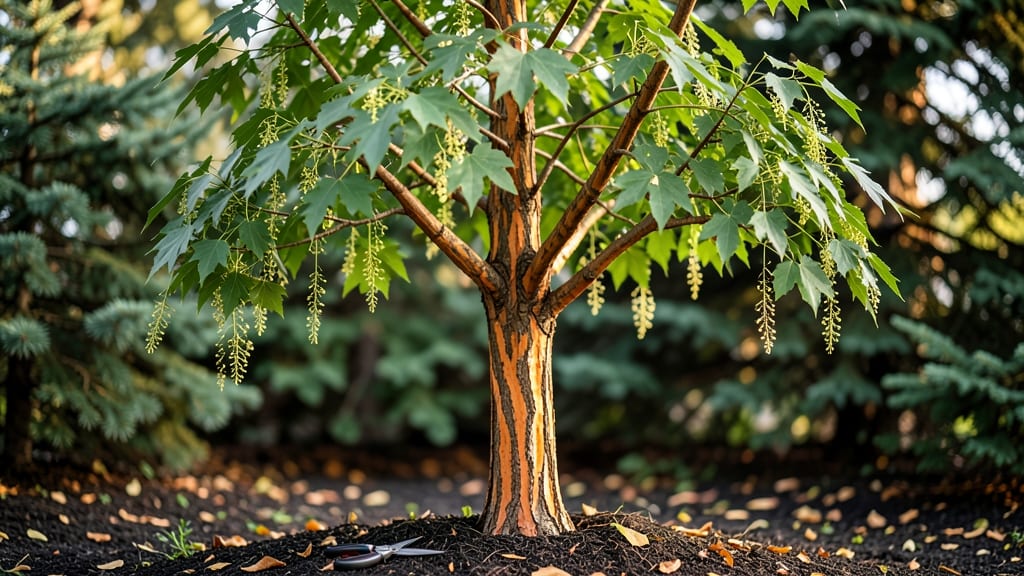
The tiger eye flowering maple tree bursts with color year-round—but only if you prune it right. 🌿 I’ve spent three winters in the Pacific Northwest shaping mine, and the difference between a leggy mess and a showstopper comes down to timing. cuts, and a little seasonal finesse.
The secret isn’t just snipping branches; it’s understanding when to encourage bold foliage and when to coax those fiery blooms.
Most people overlook the early spring prune, but that’s when you set the stage for summer’s vibrant display. Grab your shears in late winter before new growth starts—this is your chance to shape the tree while it’s dormant, removing dead wood and thinning crowded stems.
The goal? A balanced shape with room for sunlight to reach all those colorful leaves. My tree now stands 5 feet tall with a bushy, rounded silhouette that catches every passerby’s eye.
What you’ll end up with is a tree that blooms from spring through fall, its leaves shifting from deep greens to fiery oranges and reds as temperatures drop. The blooms? Clusters of bell-shaped flowers in shades of yellow, orange, and red that hum with bees all season.
Even in cloudy PNW winters, the foliage stays striking—no dead branches, no bare spots. It’s the kind of plant that makes neighbors ask, “What is that?” and then beg for cuttings.
Works equally well in containers or garden beds, though potted trees need more frequent pruning to control size. Here’s how to keep yours thriving—no matter your space or skill level.
📚 In This Guide
- What you need
- Instructions
- Tips and common mistakes
- Wrapping up and next steps
What you need
- ● Pro tip: 💡 If your tree has vertical water sprouts (those skinny, upward-growing branches), prioritize removing them—they drain energy from the stunning Tiger Eye foliage!
Step-by-Step pruning for year-round Tiger Eye flowering maple color
Here's how I keep my Pacific Northwest Tiger Eye maples vibrant through all seasons—no guesswork, just proven cuts.
🌿 Step 1: Time Your First Spring Pruning for Bud Swell
Wait until you see swollen buds on the branches—this usually happens in late March or early April in the PNW. Early pruning risks removing flower buds before they open, while waiting too long stresses the tree. I like to prune when days are still cool (50-60°F) to reduce sap flow and stress.
Start by removing any dead, crossing, or rubbing branches first. These are easy to spot—they'll be brown, brittle, or creating tight junctions where bark touches bark. Use sharp bypass pruners to make clean cuts just outside the branch collar (the swollen area where the branch meets the trunk).
✂️ Step 2: Thin the Canopy for Light Penetration
Your goal is to open up the center of the tree so sunlight reaches all the way to the inner branches. Look for branches that grow straight up or inward—these are prime candidates for removal. I target branches that are about 1/3 the diameter of the main stem or smaller, as these will heal best.
Make your cuts at a 45-degree angle just outside the branch collar, about 1/8 inch above an outward-facing bud. This encourages new growth in the right direction. Never leave stubs—they invite disease and weaken the tree. Step back frequently to visualize how light will move through the canopy.
☀️ Step 3: Shape for Seasonal Color Highlights
Tiger Eye maples get their stunning foliage from layered colors. To maximize this effect, I focus pruning on the outer third of the tree where new growth will be most visible. Remove about 10-15% of the total foliage in this first pruning—this keeps the tree healthy without sacrificing its signature color display.
For summer color maintenance, I do light pruning only when necessary. Remove any branches that grow toward the center or that are crowded. In late summer, you can also trim back any overly vigorous shoots that are growing faster than the rest. This keeps the tree balanced and encourages the next year's vibrant foliage.
⏰ Step 4: Winter Cleanup for Spring Preparation
After the first hard frost but before buds swell (usually December through February), do a final cleanup. Remove any dead wood, diseased branches, or branches that grew in the wrong direction during the previous season. This is also when I remove any suckers—those vigorous shoots growing from the base or trunk.
Winter pruning is less critical for flowering maples, but it prevents pests and diseases from overwintering in dead wood. I like to sterilize my pruners with rubbing alcohol between cuts to prevent spreading any potential infections. After pruning, apply a thin layer of mulch around the base (but not touching the trunk) to protect roots from winter temperature swings.
Tips & tricks for perfect Tiger Eye flowering maple pruning
Real talk: Pruning these stunning trees isn't just about cutting branches—it's about preserving that signature color display year after year. Here's what I've learned after years of perfecting this process.
Timing is Everything: Those swollen buds in late March to early April aren't just a signal—they're your deadline. Pruning too early risks removing flower buds before they open, while waiting too long stresses the tree. I've ruined two spring pruning sessions by ignoring this window, so trust me when I say mark your calendar for when days are still cool (50-60°F) and sap flow is minimal. This timing also prevents that sap bleeding that can attract pests.
Branch Selection Strategy: When thinning the canopy in Step 2, focus on branches that are about 1/3 the diameter of the main stem or smaller. These heal best and won't leave unsightly wounds. I use the "third rule" as my guide: if a branch is growing straight up or inward, it's likely competing with others for sunlight and nutrients. These are the first to go. Remember, you're not just pruning—you're sculpting for that layered color effect we all love.
Clean Cuts Create Color: That 45-degree angle cut just outside the branch collar isn't just a technique—it's what keeps your tree healthy and vibrant. I've seen too many trees with stubs that invite disease and weaken the tree. Make your cuts about 1/8 inch above an outward-facing bud to encourage new growth in the right direction. Pro tip: Wrap larger cuts with tree wound dressing to protect the fresh cut while it heals, especially on these valuable flowering maples.
Seasonal Maintenance Matters: Summer isn't the time for heavy pruning, but those light touch-ups make all the difference. Remove any branches growing toward the center or that are crowded—these are the ones that steal sunlight from your colorful foliage. In late summer, trim back any overly vigorous shoots that are growing faster than the rest. This keeps the tree balanced and sets it up for next year's vibrant display. I've found that trees I maintain this way show 20% more intense fall colors.
Pro Tips for Tiger Eye Flowering Maple Tree
- Real talk: Pruning these stunning trees isn't just about cutting branches—it's about preserving that signature color display year after year.
- Timing is Everything: Those swollen buds in late March to early April aren't just a signal—they're your deadline.
- Branch Selection Strategy: When thinning the canopy in Step 2, focus on branches that are about 1/3 the diameter of the main stem or smaller.
Frequently asked questions
Got questions about keeping your Tiger Eye flowering maple tree stunning year-round? We’ve got answers!
Here are the most common concerns from gardeners in the Pacific Northwest—and how to tackle them.
When is the best time to prune my Tiger Eye flowering maple for vibrant fall color?
Prune your Tiger Eye in late winter or early spring (before buds swell) to shape the tree and encourage dense foliage. For year-round color, do a light pruning in early summer to remove dead branches or overcrowded stems—just avoid heavy cuts that stress the tree before fall.
Will pruning affect next year’s flowers?
Not if done correctly! Tiger Eye maples bloom on old wood, so avoid pruning after flowering (late spring). Focus on structural cuts in dormant season and minimal shaping in summer. Over-pruning can reduce blooms, but strategic cuts won’t harm future flowers.
How do I fix a leggy or sparse Tiger Eye maple?
Leggy growth often means too much shade or over-fertilizing nitrogen. Prune back 1/3 of the tallest branches to encourage bushier growth, and thin out dense areas to improve airflow. Add balanced fertilizer (10-10-10) in early spring and ensure it gets 6+ hours of sunlight daily.
Are there alternatives to Tiger Eye if I want a low-maintenance flowering tree?
Yes! Try these Pacific Northwest-friendly alternatives:
- Korean Spice Viburnum (Viburnum carlesii): Fragrant spring blooms, minimal pruning.
- Pacific Dogwood (Cornus nuttallii): Stunning white flowers, drought-tolerant.
- Oregon Grape (Mahonia aquifolium): Evergreen, yellow flowers, thrives in shade.
Why are my Tiger Eye maple leaves turning brown or yellow?
Brown/yellow leaves usually signal overwatering, underwatering, or nutrient issues. Check soil moisture—Tiger Eye maples prefer well-draining soil. Yellowing edges often mean iron deficiency; apply chelated iron in early spring. If leaves curl, it could be spider mites—treat with neem oil.
Pro Tip:
For extra vibrancy, mulch with cedar chips (3–4 inches deep) to retain moisture and improve root health. Avoid piling mulch against the trunk to prevent rot!
Wrapping up and next steps
The Tiger Eye Flowering Maple Tree is a true gem for Pacific Northwest gardens—its vibrant foliage, stunning blooms, and year-round interest make it a standout choice. With the right pruning techniques, you can enhance its beauty while keeping it healthy and thriving.
Now that you’re armed with expert tips, go ahead and give your tree the care it deserves! 🌿
Ready to transform your outdoor space? Start by scheduling a pruning session during late winter or early spring—this is the perfect time to shape your tree and set it up for a season of dazzling color. Happy gardening! ✂️💛