Flowers
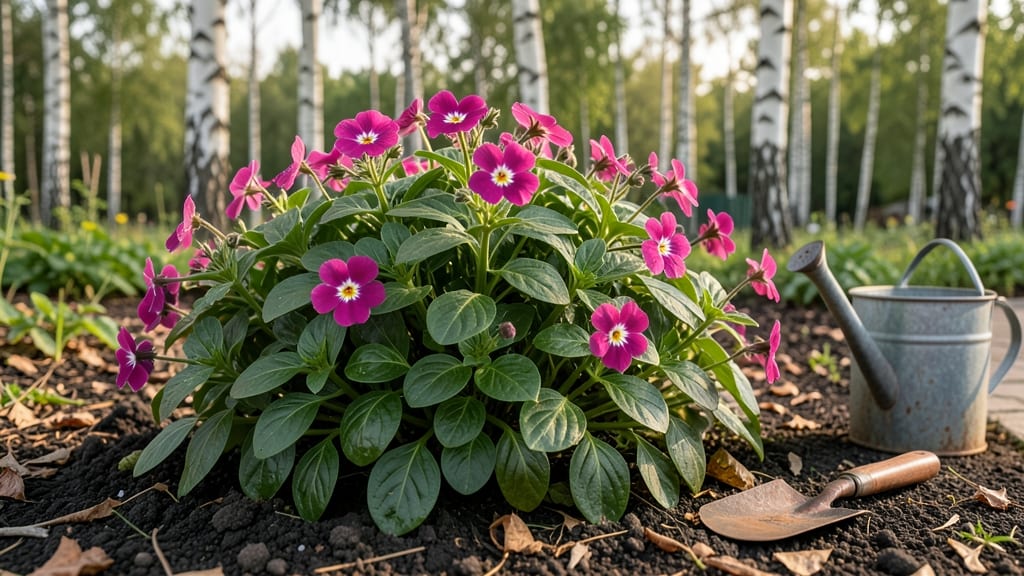
The touch-me-not flower thrives in the Pacific Northwest’s damp, mild climate—its delicate blooms and fast growth make it a perfect shade-loving star. 🌿 I’ve grown them for years, and they’ve never failed to deliver vibrant color even in partial shade, where many flowers struggle.
Their secret? A mix of rich, moist soil and consistent moisture that keeps those signature blooms popping from spring to frost.
These annuals are foolproof for beginners: they self-seed easily, tolerate cool weather better than most, and bloom within 6-8 weeks of planting. The key is keeping them consistently damp (not soggy) and in soil that drains well—think of them as the low-maintenance diva of shade gardens.
They’ll reward you with clusters of pink, white, or purple flowers that last all season.
You’ll love how they bounce back from pests and diseases, making them a disease-resistant choice for busy gardeners. Plus, their unique seed pods—those "touch-me-not" explosions—add playful drama to the garden. Whether you’re filling containers or lining shady borders, these flowers deliver effortless beauty with minimal fuss.
Perfect for cutting gardens, hanging baskets, or as a ground cover under trees. Once established, they’ll spread and multiply, giving you more blooms year after year with almost no work. Let’s get those seeds or plants planted—they’re ready to transform your shady spots!
📚 In This Guide
- What you need
- Instructions
- Tips and common mistakes
- Wrapping up and next steps
What you need
- ● Seeds: 1 packet of Touch-Me-Not seeds (look for organic or heirloom varieties for best results).
- ● Growing Containers: 2–3 small pots (4–6 inches deep) for seedlings, or
- ● 1 large container (12+ inches deep) for direct sowing.
- ● Potting Soil: 1 bag of high-quality, well-draining seed-starting mix (avoid garden soil—it’s too dense!).
- ● Watering Can or Spray Bottle: With a fine mist nozzle for gentle hydration.
- ● Fertilizer: 1 bottle of balanced, water-soluble fertilizer (5-10-5 ratio) or compost tea.
- ● Garden Gloves: 1 pair (to protect your hands from prickly stems!).
- ● Trowel or Small Shovel: For transplanting seedlings.
- ○ Grow Lights (Optional): If starting indoors before last frost (LED or fluorescent bulbs work great!).
- ● Mulch: Straw or shredded leaves to retain moisture and suppress weeds.
- ● Plant Labels: To keep track of your Touch-Me-Nots (they’re easy to mix up with other seedlings!).
- ● Pruning Shears: For trimming leggy stems later in the season.
Step-by-step instructions for cultivating touch-me-not flowers in the Pacific Northwest
Here's how to coax these delicate, frost-hardy blooms into thriving plants—even through our damp winters.
🌱 Step 1: Select and Prepare Your Planting Site
Touch-me-nots (Impatiens capensis) thrive in partial shade to full sun but prefer moist, well-drained soil with 60-70% organic matter. In the Pacific Northwest, I always choose sites near dappled sunlight—morning sun with afternoon shade works best. These plants hate soggy roots but also dry out quickly in hot afternoon sun.
Test your soil by squeezing a handful: if it crumbles but holds shape, it's ideal. If it sticks together like clay, amend with 3 inches of compost and 1 inch of perlite to improve drainage. I avoid disturbed ground—these wildflowers naturally colonize undisturbed, moist forest edges.
💧 Step 2: Plant Seeds or Transplants at the Right Time
Direct-sow seeds 2-3 weeks after your last frost date (typically mid-April to early May in the PNW). Seeds need consistent moisture to germinate, so I plant them ¼ inch deep in moistened soil and cover lightly with a thin layer of mulch to retain humidity. Expect germination in 10-21 days—slower in cooler spring soil.
If using transplants, choose established plants with healthy stems and no signs of powdery mildew (common in PNW nurseries). Plant them 12-18 inches apart in clusters of 3-4 to mimic natural groupings. Water deeply right after planting to settle the soil around roots—this prevents air pockets that stunt growth.
☀️ Step 3: Maintain Moisture and Light Balance
Touch-me-nots demand consistent moisture—their common name comes from their seed pods exploding when touched, but drought causes them to wilt dramatically. Water 1-2 inches per week, aiming for deep, infrequent soakings rather than daily shallow watering. I check soil moisture by pushing my finger 1 inch deep: if dry, it's time to water.
In the PNW's humid summers, these plants can develop powdery mildew on leaves. To prevent this, space plants properly for airflow and water at soil level (avoid overhead sprinkling). If you see white powder, prune affected leaves immediately and apply a 1% hydrogen peroxide spray (1 part 3% peroxide to 9 parts water) every 7 days until clear.
✂️ Step 4: Prune and Support for Maximum Blooms
Deadhead spent blooms weekly to encourage continuous flowering. I pinch off pods just as they begin to turn color—this redirects energy to new growth rather than seed production. Avoid cutting into woody stems; focus on soft, green growth only. Prune in the morning when humidity is lowest to reduce disease risk.
These plants self-seed aggressively, so I thin seedlings in spring to maintain 12-inch spacing. If they spread too much, I transplant extras to shady garden edges or containers. In late fall, I cut back stems by half to reduce winter dieback, but leave some foliage to protect roots from frost.
Tips & tricks for cultivating thriving touch-me-not flowers
These insights will help you turn your Pacific Northwest garden into a vibrant touch-me-not sanctuary—where delicate blooms flourish despite our damp climate.
Site Selection Secret: Look for microclimates that mimic their natural habitat: moist but well-drained spots near dappled sunlight. I've found the best success along stream banks or under deciduous trees where morning sun warms the soil while afternoon shade prevents drying. The key is that "ideal soil" test—when you squeeze it, it should crumble but hold shape like a damp sponge. If your soil feels more like clay, mix in those 3 inches of compost and 1 inch of perlite right at planting time. This mimics the rich forest edges where wild touch-me-nots thrive.
Timing Strategy: The 2-3 week window after last frost is critical for PNW gardeners. I've learned to set calendar reminders for mid-April to early May—this gives seeds time to germinate before our summer humidity peaks. For transplants, choose established plants with firm stems and vibrant green leaves (avoid those with yellowing or powdery residue). The 12-18 inch spacing isn't just about aesthetics—it creates airflow that prevents fungal diseases common in our damp summers. I always water deeply right after planting to eliminate air pockets that stunt root growth.
Moisture Mastery: Those 1-2 inches of weekly watering might seem straightforward, but timing matters more than volume. I've had plants wilt dramatically when watered at midday—our PNW sun intensifies evaporation. Instead, aim for early morning waterings when plants can absorb moisture before afternoon humidity sets in. The finger test is your best tool: push your finger 1 inch deep—if it comes out dry, that's your cue. For containers, I double the frequency since they dry out faster.
Disease Defense: Powdery mildew is the arch-nemesis of PNW touch-me-nots, but prevention is simple. The 1% hydrogen peroxide spray (1 part 3% peroxide to 9 parts water) works wonders—just apply it every 7 days until the white powder disappears. I've found that morning pruning sessions also help: remove any affected leaves immediately, then sterilize your pruners with rubbing alcohol between cuts. This two-pronged approach keeps plants healthy while minimizing chemical use.
Pro Tips for Touch Me Not Flower
- These insights will help you turn your Pacific Northwest garden into a vibrant touch-me-not sanctuary—where delicate blooms flourish despite our damp climate.
- Site Selection Secret: Look for microclimates that mimic their natural habitat: moist but well-drained spots near dappled sunlight.
- Timing Strategy: The 2-3 week window after last frost is critical for PNW gardeners.
Frequently asked questions
When is the best time to plant Touch Me Not flowers in the PNW?
Plant Touch Me Not seeds or transplants in early spring (March–April), once soil temperatures reach at least 60°F (15°C). They thrive in cool, moist climates but avoid late-fall planting—they’re annuals and won’t survive PNW winters outdoors. For a longer bloom season, start seeds indoors 6–8 weeks before the last frost (typically mid-March).
Are Touch Me Not flowers truly frost-resistant?
While they tolerate light frosts (down to 28°F/-2°C), prolonged freezing or hard frosts will kill them. In the PNW’s USDA Zones 7–9, treat them as annuals. For extended enjoyment, grow them in containers and move them indoors before winter or plant perennial varieties like Impatiens walleriana (though they’re less cold-hardy).
Why aren’t my Touch Me Not flowers blooming?
Lack of blooms usually stems from too much shade (they need partial sun to partial shade) or over-fertilizing with high-nitrogen feed (which encourages foliage over flowers). Try:
- Move to brighter light (morning sun is ideal).
- Use a balanced fertilizer (10-10-10) or one high in phosphorus (e.g., 5-10-5).
- Deadhead spent blooms to encourage new flowers.
What pests or diseases should I watch for with Touch Me Not flowers?
These flowers are generally pest-resistant, but keep an eye out for:
| Pest/Disease | Solution |
|---|---|
| Aphids | Spray with soapy water or introduce ladybugs. |
| Powdery mildew (in humid PNW summers) | Improve airflow, avoid overhead watering, and treat with neem oil. |
| Japanese beetles | Handpick or use milky spore for long-term control. |
Can I grow Touch Me Not flowers in containers?
They’re perfect for containers—just use a well-draining pot (at least 12 inches deep) with moist, rich soil. Choose a container with good drainage and place it where it gets morning sun and afternoon shade. For extended blooms, fertilize monthly with a water-soluble bloom booster.
Wrapping up and next steps
The Touch-Me-Not flower isn’t just a resilient beauty—it’s a symbol of adaptability and grace, thriving even in the Pacific Northwest’s cooler climates. 🌿 Whether you’re a seasoned gardener or a curious beginner, its easy-care nature makes it a fantastic addition to your garden or even containers.
Ready to bring its delicate charm to your outdoor space?
Start by planting your seeds or seedlings this season—just follow the steps you’ve learned, and soon you’ll be rewarded with vibrant blooms that hum with pollinators. Happy growing! 🌸