
Flowers
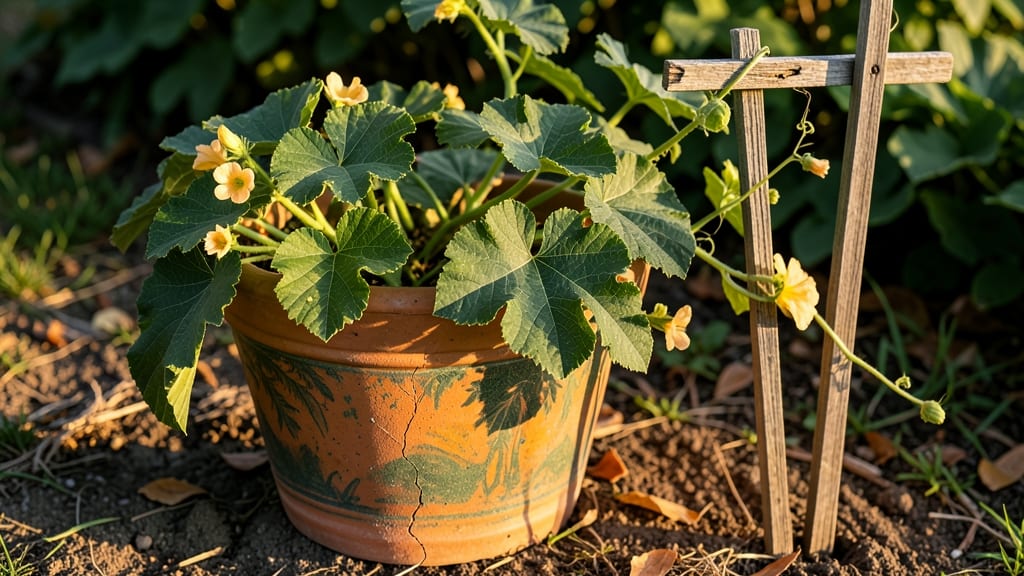
Growing watermelons in a flower pot turns summer into a showstopper with vines spilling over edges and sweet fruit within reach. 🌱 I learned the hard way that not all melons make the cut—only dwarf varieties like 'Sugar Baby' or 'Tiny Tim' thrive in containers, but the payoff is worth it.
The secret lies in the right pot size (at least 15 gallons), well-draining soil, and a sunny spot that mimics a full garden bed.
Your setup needs just three things: a sturdy container, lightweight potting mix, and a trellis or cage to guide those hungry vines upward. Most people overlook drainage, but soggy roots mean the end of your melon dreams.
I’ve seen plants double in size within 6 weeks when given proper care—think lush green leaves and that first glimpse of yellow blooms signaling fruit is on the way.
By midsummer, you’ll be harvesting mini watermelons that burst with flavor, their rinds still warm from the sun. The best part? No backbreaking bending or battling weeds—just a compact harvest you can enjoy straight from the pot.
With the right variety and a little patience, container-grown watermelons prove that big rewards don’t need big space.
Whether you’re on a balcony, patio, or small yard, this method adapts easily. Just watch for pests and keep the soil consistently moist—but not soggy. The key is balance, and once you crack it, you’ll wonder why you ever grew watermelons any other way.
📚 In This Guide
- What you need
- Instructions
- Tips and common mistakes
- Wrapping up and next steps
What you need
- ● Flower pot: 1 large container (12–18 inches deep, with drainage holes). Pro tip: 💡 Opt for terracotta or fabric pots for better airflow.
- ● Potting mix: 2–3 gallons of well-draining, nutrient-rich soil (mix garden soil with perlite or coconut coir for aeration).
- ● Watermelon seeds or seedlings: 1–2 seeds or 1 healthy seedling (choose a compact variety like ‘Sugar Baby’ or ‘Tiny Tim’).
- ● Drainage layer: Small pebbles, gravel, or broken pottery (1–2 inches at the pot’s bottom).
- ● Watering can or hose: With a gentle spray nozzle for even moisture.
- ● Fertilizer: Balanced liquid fertilizer (10-10-10 or organic options like compost tea).
- ○ Support structure (optional but helpful): A small trellis or cage (for vining varieties).
- ● Gloves: 1 pair (to protect hands while handling soil or seeds).
- ● Trowel or small shovel: For planting and soil adjustments.
- ● Spray bottle: For misting seedlings (if starting from seed).
- ● Sunlight access: At least 6–8 hours of direct sunlight daily (south-facing spot or grow lights).
- ● Patience & care: Watermelon flowers need consistent watering (1–2 inches per week) and occasional pruning for bushier growth.
Step-by-step guide for growing watermelon flowers in containers
Here's how to coax those vibrant blooms into your pots—no green thumb required.
🪴 Step 1: Choose the Right Container and Drainage
Pick a container that's at least 12 inches deep and 18 inches wide—watermelon vines need room to sprawl. I always opt for fabric grow bags or plastic pots with drainage holes because they prevent soggy roots. If your pot lacks holes, drill a few at the bottom to avoid root rot.
Here's the thing—watermelon flowers love warmth, so choose a pot that can sit in full sun for at least 6-8 hours daily. Terracotta pots help regulate soil temperature, but they dry out fast in hot climates. If you're in a cooler zone, add a black plastic liner inside the pot to absorb and retain heat.
🌱 Step 2: Prepare Soil and Plant Seeds
Fill your pot with a mix of 60% potting soil, 30% compost, and 10% perlite—this keeps roots aerated while holding moisture. I like to add a handful of slow-release fertilizer (like 10-10-10) to the bottom layer for a nutrient boost. Moisten the mix until it feels like a damp sponge.
Plant 2-3 seeds per pot, about 1 inch deep and 6 inches apart. Watermelon seeds germinate best in warm soil (70-85°F). If your spring is chilly, use a seedling heat mat to speed things up. Cover the pot with plastic wrap to trap warmth until sprouts appear—usually within 7-14 days.
☀️ Step 3: Provide Support and Sunlight
Once seedlings emerge, remove the plastic and place them in bright, indirect light for a week to harden off. After that, move them to full sun immediately—watermelon flowers need intense light to bloom. If your patio gets afternoon shade, supplement with a grow light for 12-14 hours daily.
Here’s where it gets fun: Install a trellis or tomato cage as soon as vines reach 6 inches tall. Watermelon vines can grow 10-15 feet long, but training them vertically saves space and keeps flowers accessible. Gently weave the main vine along the trellis and secure it with soft ties—never use wire, which can damage stems.
💧 Step 4: Water and Fertilize for Blooms
Water deeply once a week, soaking the soil until water runs out the drainage holes. Let the top 2 inches of soil dry between waterings—overwatering leads to weak stems and fewer blooms. I like to water in the early morning so leaves dry quickly, reducing fungal risks.
Feed your plants every 2-3 weeks with a balanced liquid fertilizer (like 20-20-20) once flowers appear. Stop fertilizing 4-6 weeks before the first frost to let blooms mature. Watch for yellowing leaves—this usually means too much fertilizer. If it happens, flush the soil with water and cut back on feedings.
✂️ Step 5: Prune and Encourage More Blooms
Pinch off the first few flowers that appear—this might sound counterintuitive, but it redirects the plant’s energy to producing stronger, more abundant blooms later. Once the main vine reaches the top of the trellis, trim any side shoots that grow below the first 5 leaves to focus growth upward.
Real talk: Watermelon flowers are self-pollinating, but a gentle shake of the trellis in the morning helps. If you notice dropping buds, it’s often due to uneven watering or temperature swings. Keep your container in a steady 70-85°F range, and you’ll see blooms lasting 4-6 weeks. Deadhead spent flowers regularly to encourage new ones.
Tips & tricks for growing stunning watermelon flowers in pots
These simple strategies will help you coax vibrant watermelon blooms from your container garden with confidence.
Container Selection: If you're using a decorative pot without drainage, add a 2-inch layer of gravel at the bottom before adding soil. This creates a false bottom that prevents waterlogging while still allowing excess moisture to drain away. For extra insulation in cooler climates, choose dark-colored containers—they absorb and retain heat better than light colors.
Soil Temperature Trick: To speed up germination in chilly conditions, place your pot on a seedling heat mat set to 75-80°F for the first 7-14 days. If you don't have a heat mat, nestle the pot inside a larger container filled with warm water (like a bucket) to create a mini greenhouse effect. The 70-85°F soil temperature range is critical for breaking seed dormancy.
Light Optimization: When supplementing with grow lights for 12-14 hours daily, position them 6-12 inches above the plants and adjust as they grow. Use a timer to maintain consistency—uneven light exposure causes leggy growth and weak stems. If your plants start stretching toward the light, they're not getting enough intensity. For best results, rotate the pot quarter-turn daily to ensure even growth.
Pro Tips for Watermelon Flower Pot
- These simple strategies will help you coax vibrant watermelon blooms from your container garden with confidence.
- Container Selection: If you're using a decorative pot without drainage, add a 2-inch layer of gravel at the bottom before adding soil.
- Soil Temperature Trick: To speed up germination in chilly conditions, place your pot on a seedling heat mat set to 75-80°F for the first 7-14 days.
Frequently asked questions
Got questions about growing watermelon flowers in pots? You’re not alone! Here are some of the most common queries—and their easy answers—to help you create a stunning container garden with confidence.
Can watermelon flowers (like Cucumis melo varieties) actually grow in pots?
Yes! While watermelons are typically vine-heavy, compact or dwarf varieties (like ‘Sugar Baby’ or ‘Moon and Stars’) thrive in pots. Choose a large container (at least 15–20 gallons) with drainage holes to support their roots and vines. Just be prepared for smaller fruits compared to in-ground plants!
When is the best time to plant watermelon flowers in pots?
Wait until after the last frost when soil temps reach at least 70°F (21°C). For cooler climates, start seeds indoors 4–6 weeks before transplanting. Watermelon flowers love warmth—so give them a sunny spot (6+ hours of light daily) and protect them from chilly nights with row covers if needed.
How often should I water a watermelon flower pot?
Consistency is key! Water deeply 2–3 times per week, ensuring the top 2 inches of soil stay moist. Pots dry out faster than ground soil, so check daily in extreme heat. Mulch the surface to retain moisture and avoid wetting leaves (to prevent fungal diseases). Overwatering is just as bad—let the soil dry slightly between waterings.
What’s the best soil mix for watermelon flower pots?
Use a lightweight, well-draining potting mix blended with compost (50/50 ratio). Add perlite or vermiculite to improve aeration. Watermelon flowers need nutrients, so include a balanced fertilizer (10-10-10) at planting and every 2–3 weeks. Avoid garden soil—it compacts and drains poorly in containers.
Why aren’t my watermelon flowers blooming in the pot?
Blooming issues often stem from stress. Check these fixes:
Not enough sun? Move to a sunnier spot (they need full sun).
Too much nitrogen? Switch to a low-nitrogen, high-phosphorus fertilizer to encourage flowers.
Overcrowded? Thin vines to improve airflow and reduce competition.
Temperature shock? Keep soil warm (use black pots or a heat mat if needed).
If problems persist, your variety may need more time—some take 60+ days to bloom!What are some great alternatives to watermelon flowers for pots?
If watermelons seem too tricky, try these vibrant, container-friendly bloomers:
- Nasturtiums – Edible, fast-growing, and pest-repelling.
- Marigolds – Drought-tolerant and great for pollinators.
- Sunflowers (dwarf varieties) – Cheerful and low-maintenance.
- Zinnias – Long-lasting blooms in bold colors.
Wrapping up and next steps
Transforming your space with a watermelon flower pot isn’t just about aesthetics—it’s a celebration of nature’s bold beauty in a compact, creative form! 🌸 Whether you’re a seasoned gardener or a beginner, these vibrant blooms prove that even small containers can yield stunning results.
With the right care and a dash of patience, your watermelon flowers will reward you with bursts of color and joy.
Ready to take the next step? Start small—pick a sunny spot, gather your supplies, and let your green thumb shine! Share your progress or ask questions in gardening communities for extra inspiration. Happy planting! 🌱