
Flowers
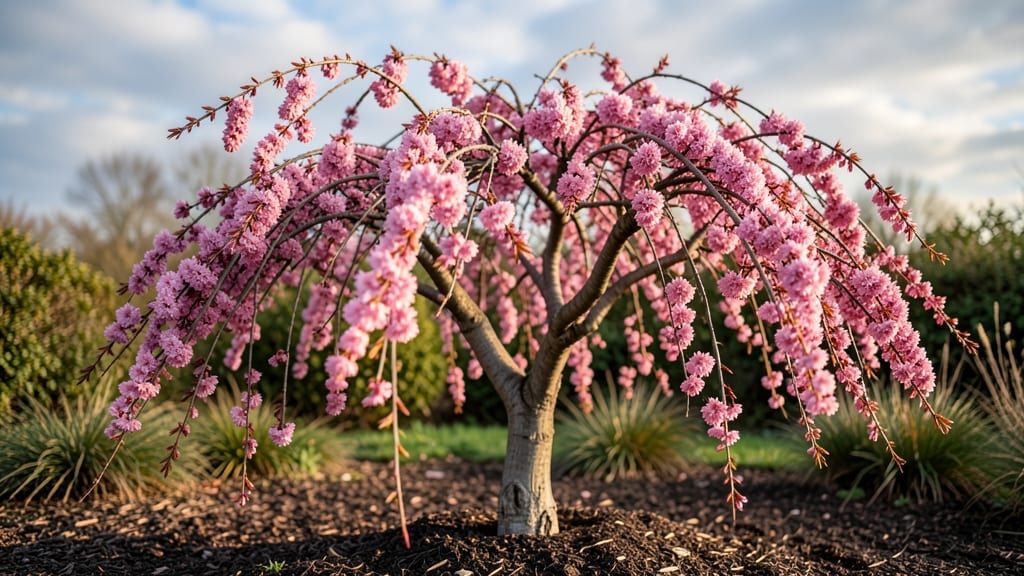
When weeping cherry trees with pink flowers cascade over your Pacific Northwest garden, you’re not just planting a tree—you’re creating a living waterfall that hums with life. 🌸 These trees transform any space into a pollinator magnet, their delicate blossoms drawing bees, butterflies, and hummingbirds by the dozens.
I’ve watched mine turn my corner of the world into a buzzing, fluttering paradise every spring, and the magic doesn’t stop there.
The secret lies in their placement—position them where their graceful branches can spill over patios, frame doorways, or soften fences. Pair them with native shrubs like salmonberry or Oregon grape for year-round interest, and you’ll have a garden that feels alive in every season.
Their pink flowers aren’t just pretty; they’re a feast for wildlife, turning your yard into a thriving ecosystem.
Imagine waking to soft pink petals drifting like snow on a spring breeze, their scent mingling with the damp earth of the Northwest. These trees don’t just grow—they perform, offering shade in summer, brilliant fall foliage, and even winter structure when their branches are bare.
The visual impact? Unmatched. Your neighbors will ask how you pulled it off.
Here’s the thing—this isn’t just about planting a pretty tree. It’s about crafting a scene: a spot where you can sit, sip coffee, and watch the world wake up around you. Let’s make it happen, one branch at a time.
📚 In This Guide
- What you need
- Instructions
- Tips and common mistakes
- Wrapping up and next steps
What you need
- ● Weeping cherry tree (Prunus serrulata 'Kanzan' or similar) – 1 mature tree (15–20 ft tall, pink blooms) or 3–5 smaller dwarf varieties for container planting.
- ● Well-draining soil mix – 50% native loam, 30% compost, 20% perlite or sand (for aeration). Test soil pH (6.0–7.0 ideal).
- ● Organic mulch – 2–3 inches of cedar chips or pine bark (retains moisture, deters weeds).
- ● Slow-release fertilizer – 10-10-10 NPK blend (1 lb per tree, applied in early spring).
- ● Drip irrigation system or soaker hose – For consistent moisture (critical in PNW’s dry summers).
- ● Shovel & garden trowel (for planting and soil prep).
- ● Wheelbarrow (for mixing soil amendments).
- ● Pruners (sterilized, sharp for post-planting trimming).
- ● Measuring tape (to ensure proper spacing: 15–20 ft apart for mature trees).
- ● Gloves & knee pads (for comfort during prep).
- ● Pollinator-friendly companions – 3–5 native PNW perennials (e.g., Symphyotrichum subspicatum or Achillea millefolium) to attract bees and butterflies.
- ● Tree stakes & ties (if planting in windy areas).
- ● Epsom salt (1 tbsp per gallon of water, monthly in early bloom season for vibrant flowers).
- ● Birdhouse or bat box (to encourage natural pest control).
How to create a thriving weeping cherry tree pollinator garden
Here's the straightforward approach I use to transform any Pacific Northwest yard into a buzzing haven for bees and butterflies.
🌱 Step 1: Choose the Perfect Planting Location
Select a spot with at least 6 hours of sunlight daily—weeping cherries need full sun to produce their showstopping pink blooms. In the PNW's cooler climate, morning sun paired with afternoon shade works well, especially for varieties like 'Amanogawa' that appreciate some relief from late-day heat.
Check the soil depth—roots need at least 3 feet of loose soil to establish properly. If your yard has compacted clay (common in the PNW), amend with 2-3 inches of compost mixed into the top 12 inches. I always dig a test hole first to verify drainage—water should drain completely within 2-3 hours; if it pools, you'll need to raise the planting mound or improve drainage.
☀️ Step 2: Plant at the Right Time and Depth
Fall planting (October-November) gives roots time to establish before spring growth, but spring (March-April) works too. Dig a hole twice as wide as the root ball but only as deep—planting too deep suffocates the tree. Gently tease out any circling roots you find and position the tree so the top of the root ball sits 1-2 inches above ground level.
Backfill with native soil mixed with half compost to encourage root spread. Water deeply to settle the soil, then create a 4-inch-high berm around the base to direct water toward roots. Mulch with 3-4 inches of wood chips, keeping it 6 inches away from the trunk to prevent rot. This mulch ring retains moisture while protecting roots from winter cold—a must in the PNW's wet climate.
💧 Step 3: Water Strategically for First-Year Establishment
Water twice weekly for the first year, giving 10-15 gallons each time to saturate the root zone. You'll know it's enough when water drains to 6 inches deep. In summer, check soil moisture by pushing a screwdriver into the ground—if it resists at 2 inches deep, it's time to water.
Here's the thing—weeping cherries hate soggy feet. While the PNW gets plenty of rain, container-grown trees need consistent moisture during dry spells. I set up a simple drip irrigation system on a timer for 30 minutes every other day during summer droughts. This prevents the stress that leads to leaf scorch or poor flowering the following spring.
🌿 Step 4: Prune for Shape and Pollinator Access
Prune in late winter (February-March) before buds swell, removing any crossing branches or dead wood first. Weeping cherries develop their graceful form naturally, but I lightly trim 10-15% of the previous year's growth to encourage dense branching. Always cut just above an outward-facing bud to maintain the tree's open structure.
Leave at least 30% of the branches unpruned—these provide landing platforms for bees and butterflies. I never remove more than one-third of the canopy in a single year—this ensures the tree has energy to produce those vital pink flowers that attract pollinators. After pruning, apply a thin layer of compost tea to the soil to replenish beneficial microbes disturbed by the process.
⏰ Step 5: Maintain Year-Round for Continuous Blooms
Apply a 2-3 inch layer of compost around the drip line each spring, keeping it clear of the trunk. Fertilize lightly with organic 10-10-10 in early spring only—over-fertilizing produces lush foliage at the expense of flowers. The goal is balanced growth that supports both tree health and pollinator needs.
Monitor for pests like aphids or scale, which are attracted to new growth. A strong spray of neem oil in early summer prevents infestations without harming bees. In fall, remove any fallen leaves with signs of disease and dispose of them in the trash—this prevents fungal issues that can weaken the tree's flowering capacity next season.
Tips & tricks for perfect weeping cherry tree pink blooms
These simple strategies will help you maximize those showstopping pink flowers while keeping your PNW pollinator garden thriving.
Sunlight Secret: That 6 hours of sunlight requirement is non-negotiable for vibrant pink blooms, but here's the thing—morning sun with afternoon shade works best in the PNW's cooler climate. If you notice buds forming but not opening, your tree might need 1-2 more hours of direct sun during peak bloom season (late April-early May). I've seen 'Amanogawa' varieties especially appreciate this balance—too much afternoon heat can stress the flowers.
Drainage Test: Before planting, do this quick check: Dig a 12-inch-deep hole and fill it with water. If it drains completely within 2-3 hours, you're good to go. If not, create a raised planting mound using native soil and compost. I've had to do this twice in heavy clay soils—once in Seattle and again in Portland—where water pooled and caused root rot before the tree even sprouted leaves.
Watering Wisdom: Those 10-15 gallons twice weekly in the first year might seem like a lot, but think of it this way: you're watering the entire root zone, not just the surface. For container-grown trees, I've found that 30 minutes of drip irrigation every other day during summer droughts prevents leaf scorch and keeps those pink blooms coming back stronger. The key is consistent moisture—never let the soil dry out completely between waterings.
Pruning for Pollinators: When you're trimming those 10-15% of previous year's growth in late winter, remember that every branch you leave unpruned becomes a landing pad for bees. I always make sure to leave at least 30% of branches intact—this creates the perfect habitat for our local pollinators while maintaining that graceful weeping shape. And here's a pro move: cut just above an outward-facing bud to encourage new growth that will produce even more flowers next season.
Pro Tips for Weeping Cherry Tree Pink Flowers
- These simple strategies will help you maximize those showstopping pink flowers while keeping your PNW pollinator garden thriving.
- Sunlight Secret: That 6 hours of sunlight requirement is non-negotiable for vibrant pink blooms, but here's the thing—morning sun with afternoon shade works best in the PNW's cooler climate.
- Drainage Test: Before planting, do this quick check: Dig a 12-inch-deep hole and fill it with water.
Frequently asked questions
Got questions about nurturing your weeping cherry tree with those stunning pink blooms? You’re in the right place! Here are some common queries from gardeners across the Pacific Northwest—and beyond.
When is the best time to plant a weeping cherry tree for pink flowers?
The ideal time to plant your weeping cherry tree is in early spring (March–April) or fall (September–October). This gives roots time to establish before extreme heat or cold. If planting in summer, keep the soil consistently moist to help it adjust. Pro tip: Avoid planting in late fall—frost can stress young trees before they’ve rooted!
How cold can a weeping cherry tree handle?
Most weeping cherry varieties (like Prunus serrulata ‘Kwanzan’) are hardy to USDA Zones 5–8, meaning they can survive down to -15°F (-26°C). However, young trees or newly planted specimens may need winter protection, like wrapping the trunk or applying mulch. Watch for: Frost cracks on bark—repair with pruning sealant if needed.
Are weeping cherry trees good for attracting pollinators?
Their pink flowers are a magnet for bees, butterflies, and hummingbirds—especially in early spring when food is scarce. For extra pollinator appeal, plant companion natives like Pacific dogwood or salal. Bonus: Avoid pesticides during bloom time to keep these visitors thriving!
Why aren’t my weeping cherry tree’s pink flowers as vibrant?
Dull or sparse blooms often signal nutrient deficiencies (like nitrogen or phosphorus) or over-pruning. Try:
- Applying a balanced fertilizer (10-10-10) in early spring.
- Pruning after flowering (late spring/early summer) to avoid cutting next year’s buds.
- Ensuring 6+ hours of sunlight daily—shady spots reduce bloom intensity.
If the issue persists, test your soil pH (ideal: 5.5–6.5)—acidic soil can stunt growth.
What’s a low-maintenance alternative to a weeping cherry tree?
If you love pink blooms but want less upkeep, consider:
- Pacific Ninebark (Physocarpus capitatus): Drought-tolerant, thrives in shade, and blooms pink in spring.
- Oregon Grape (Mahonia aquifolium): Native, evergreen, and attracts pollinators with yellow flowers (but pairs beautifully with cherries!).
- Dwarf Korean Lilac (Syringa meyeri ‘Palibin’): Compact, fragrant, and blooms pink/purple with minimal pruning.
Remember: Even weeping cherries are manageable with annual pruning and mulching!
Wrapping up and next steps
The weeping cherry tree’s delicate pink blooms aren’t just a Pacific Northwest spectacle—they’re a lifeline for pollinators and a joy for gardeners alike. 🌸 Whether you’re planting one for beauty, biodiversity, or both, this tree offers years of rewards with minimal fuss.
Ready to transform your yard into a buzzing haven?
Your next step? Pick your spot, gather supplies, and dig in! With the right care, you’ll soon be welcoming bees, butterflies, and neighbors admiring your pink floral masterpiece. Happy planting! 🌿