Shrubs
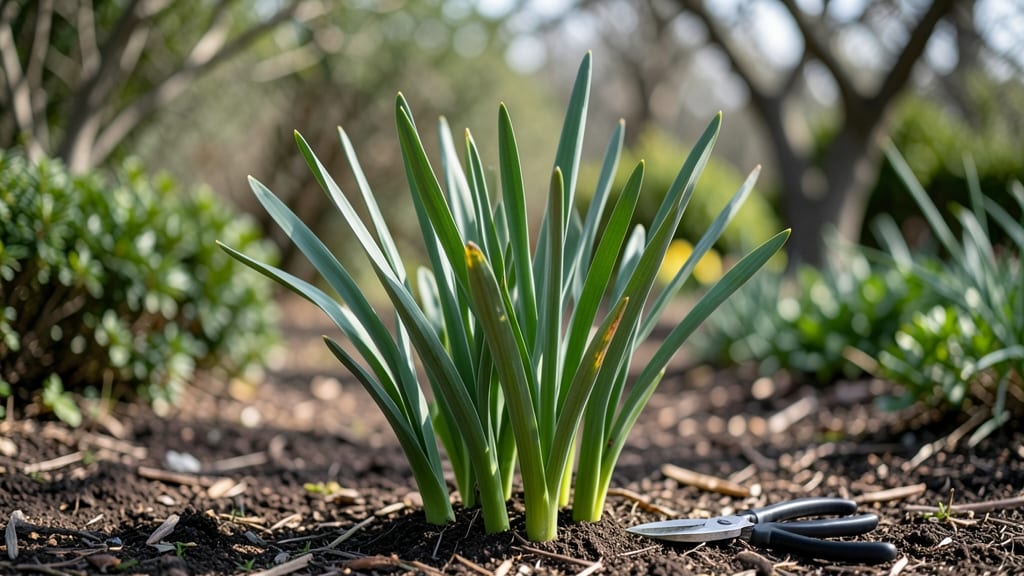
When daffodils finish flowering, the real work begins—not just for this year, but for the vibrant displays to come. 🌱 I’ve learned that cutting back the stems too soon or fertilizing at the wrong time can actually weaken those bulbs, leaving you with fewer blooms next spring.
The secret is patience and knowing exactly when to act.
Start by removing the flower stems once they brown, but leave the yellowing foliage until it dies back naturally—this is how the bulbs store energy for next year. A light feeding with a balanced fertilizer (like 10-10-10) right after flowering gives them a boost, while reducing watering helps prevent rot.
Most gardeners skip this step, but it’s the difference between a handful of blooms and a full garden bed.
You’ll notice stronger foliage and more robust growth the following season, with bulbs that multiply faster and produce even more cheerful flowers. The key is timing: too early with pruning or fertilizer, and you risk stunting the bulbs.
Too late, and you might miss the window for next year’s blooms entirely.
This method works for all daffodil varieties, whether you’re growing them in garden beds, containers, or even under trees. A little attention now means a showstopping display in spring—without the guesswork. Let’s get those bulbs ready for their next performance.
📚 In This Guide
- What you need
- Instructions
- Tips and common mistakes
- Wrapping up and next steps
What you need
- ● Pruning shears or secateurs: Sharp, clean pair (bypass-style recommended) to make precise cuts. Quantity: 1
- ● Garden gloves: Heavy-duty, cut-resistant gloves to protect your hands from thorns or rough foliage. Quantity: 1 pair
- ● Garden fork or trowel: For dividing bulbs or loosening soil. Quantity: 1
- ● Compost or well-rotted manure: Organic matter to enrich the soil. Quantity: 2-3 gallons (or as needed)
- ● Balanced fertilizer (10-10-10 or similar): To replenish nutrients post-bloom. Quantity: 1 lb per 100 sq ft
- ● Mulch (straw, shredded bark, or leaves): To retain moisture and suppress weeds. Quantity: 2-3 inches layer
- ● Watering can or hose with adjustable nozzle: For gentle watering after planting or fertilizing. Quantity: 1
- ○ Newspaper or cardboard: Optional, for smothering weeds before mulching. Quantity: As needed
- ● Bulb divider or knife: For carefully separating daffodil offsets. Quantity: 1
- ● Slow-release fertilizer granules: For a low-maintenance nutrient boost. Quantity: As directed on packaging
- ● Plant tags or labels: To track varieties if you’re multiplying bulbs. Quantity: As needed
- ● Knee pad or cushion: For comfort during extended garden work. Quantity: 1
Step-by-Step care for daffodils after they bloom
Here’s exactly what to do after your daffodils fade—no guesswork, just proven results.
🌿 Step 1: Wait Until Foliage Turns Yellow Before Cutting
Don’t rush to trim those leaves! Let the foliage stay until it turns completely yellow or brown. This process, called "leaf drawdown," lets the bulb store energy for next year’s blooms. I always mark the spot with a small stake so I remember not to cut too soon.
If you cut leaves too early, you starve the bulb. Wait until about 6-8 weeks after flowering, or until the leaves are fully yellow and crispy. This ensures your daffodils will have the strength to bloom again next spring.
✂️ Step 2: Remove Dead Flowers and Trim Foliage
Once the foliage is fully yellow, it’s time to clean up. Snip off the spent flower stems at the base with clean pruners. I use sharp scissors to avoid damaging the leaves. For the leaves themselves, cut them back to about 2 inches above the ground—this keeps the area tidy but leaves enough foliage to decompose naturally.
Don’t remove all the leaves at once. Leaving a little bit helps return nutrients to the soil. If you’re dealing with a large patch, I like to use hedge shears for a quick, even trim. Just avoid pulling or tearing the leaves—this can harm the bulb.
💧 Step 3: Feed the Soil for Next Year’s Blooms
After trimming, give your daffodils a nutrient boost. Spread a ½-inch layer of compost over the soil around the bulbs. I prefer well-aged compost because it adds organic matter without burning the bulbs. Water lightly to help the compost settle into the soil.
If your soil is sandy or poor, mix in a balanced, slow-release fertilizer (like a 10-10-10) at half the recommended rate. This gives the bulbs a gentle nutrient kick without overfeeding. Avoid high-nitrogen fertilizers—they encourage leaf growth at the expense of flower production.
🌱 Step 4: Divide and Multiply Bulbs if Needed
Daffodils multiply over time, and if your clumps are getting crowded, it’s time to divide them. After the foliage dies back, carefully dig up the bulbs with a fork or trowel. You’ll see clusters of smaller bulbs forming around the original one—these are your future plants!
Separate the bulbs gently, discarding any that are soft or shriveled. Replant the healthy ones 6 inches deep and 6 inches apart in well-draining soil. Water them in lightly, and they’ll establish themselves for next year’s blooms. I always replant divisions in the fall for the best results.
☀️ Step 5: Mulch and Protect for Winter
Once the soil is cool in late fall, add a 2-inch layer of mulch (like shredded bark or straw) to insulate the bulbs. This protects them from freezing temperatures and keeps the soil moist. I avoid heavy mulch in spring, as it can trap too much moisture and cause rot.
Daffodils are hardy, but a little extra care goes a long way. In areas with harsh winters, a thick layer of mulch can make all the difference. Just remember to remove the mulch in early spring once the ground warms up—this prevents soggy soil and encourages new growth.
Tips & tricks for perfect post-bloom daffodil care
Real talk: Proper post-bloom care is what separates daffodils that come back year after year from ones that fade into oblivion. These are the details that make all the difference.
Leaf Drawdown is Non-Negotiable: That 6-8 week wait after flowering isn't arbitrary—it's when the bulb is actively storing energy for next spring. I've seen gardeners cut leaves too soon and their daffodils never rebloomed. Mark your calendar or set a reminder when you first see those blooms to track the timeline. The leaves should be completely yellow and crispy before you even think about cutting them.
The Right Trim Makes All the Difference: When you're ready to trim in Step 2, use clean tools and cut those leaves back to about 2 inches above ground level. I've made the mistake of leaving too much foliage and had soggy, disease-prone patches. For large patches, hedge shears are a game-changer—they give you that clean, even cut without the effort. And never pull leaves—always cut to avoid damaging the bulb's neck.
Compost Timing Matters More Than You Think: That ½-inch layer of compost in Step 3 should go on right after trimming, not weeks later. Fresh compost applied too early can actually encourage fungal growth. I like to work it into the top inch of soil rather than just spreading it on surface—this lets the nutrients reach the bulbs more effectively. For sandy soils, mix in a handful of worm castings with your compost for extra benefits.
Dividing Bulbs: The Right Time and Technique: Only divide daffodils after the foliage has completely died back in late summer. I've tried dividing in spring and the new bulbs never established properly. When you replant, those 6 inches deep and 6 inches apart measurements are critical—any shallower and you'll get weak blooms, any closer and you'll have crowded, underperforming clumps. Water them in well after planting to help settle the soil around the bulbs.
Pro Tips for What To Do When Daffodils Finished Flowering
- Real talk: Proper post-bloom care is what separates daffodils that come back year after year from ones that fade into oblivion.
- Leaf Drawdown is Non-Negotiable: That 6-8 week wait after flowering isn't arbitrary—it's when the bulb is actively storing energy for next spring.
- The Right Trim Makes All the Difference: When you're ready to trim in Step 2, use clean tools and cut those leaves back to about 2 inches above ground level.
Frequently asked questions
Got questions about what to do after your daffodils say their final farewell? You’re not alone! Here are some of the most common questions—and straightforward answers—to help you keep your garden thriving.
Should I cut back daffodil leaves after flowering?
Yes, but not right away! Let the leaves die back naturally for 6–8 weeks after blooming. This allows the plant to store energy in its bulbs for next year’s flowers. Once the leaves turn yellow and crispy, you can trim them to the ground.
How long does it take for daffodils to regrow after flowering?
Daffodils typically enter a dormant phase after blooming. New foliage may appear in 4–6 weeks if conditions (sunlight, water, and soil) are right. If leaves don’t regrow, check for overcrowding or pests—but don’t worry, bulbs often just need time!
Can I replant or divide daffodils after they finish blooming?
The best time to divide and replant daffodils is 4–6 weeks after flowering, once leaves have yellowed. Dig up bulbs, separate offsets, and replant them in well-draining soil. This ensures minimal stress and healthy regrowth for next spring.
What can I plant in place of daffodils after they’re done?
Daffodils are early bloomers, so consider spring bulbs like tulips or hyacinths for continuity. For later color, try perennials like hostas, ferns, or ornamental grasses. Just ensure the new plants thrive in similar light and soil conditions.
Why did my daffodils stop blooming this year?
Common culprits include overcrowded bulbs, poor sunlight, or lack of nutrients. If your daffodils aren’t flowering, try digging up and dividing bulbs, ensuring they get full sun (6+ hours/day), and fertilizing with bulb-specific food in early fall. Patience helps—some bulbs need 2–3 years to rebound!
Wrapping up and next steps
Don’t let your daffodils’ post-bloom phase feel like an afterthought—it’s your chance to set them up for a stunning comeback next spring! 🌱 By pruning spent blooms, feeding the bulbs, and dividing overcrowded clumps, you’re not just tidying up—you’re investing in next year’s showstopper display.
Start small: pick one task this weekend, like deadheading or testing your soil, and build from there.
Your garden’s future is brighter than a daffodil’s yellow—roll up your sleeves and give these bulbs the love they deserve! 💛