
Flowers
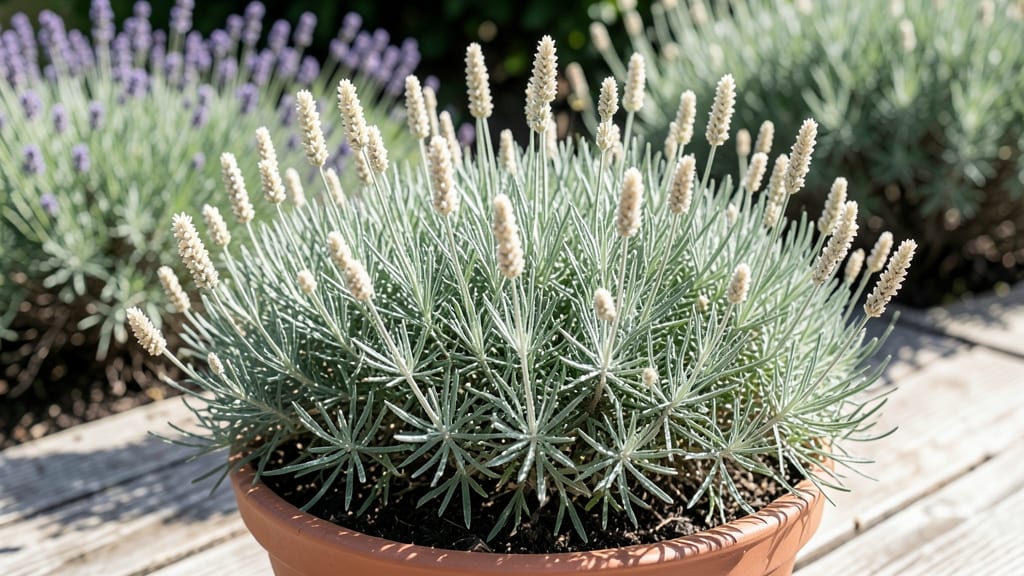
White lavender flowers bring a dreamy elegance to gardens that no purple-hued variety can match—think soft clouds of bloom against silver-green foliage that glows in the afternoon sun. 🌿 I’ve designed entire borders around them, and the effect is pure magic: romantic, modern, and effortlessly chic all at once.
These aren’t your grandmother’s lavenders; they’re the sophisticated star of cottage-core gardens, urban rooftops, and minimalist landscapes alike.
The secret to their visual appeal lies in how they pair with other plants. Try tucking them alongside dusty miller for a monochromatic silver-and-white drift, or let them contrast with deep burgundy salvias for a moody, velvety effect.
In containers, they shine when combined with trailing thymes or airy grasses—suddenly, your patio feels like a French countryside retreat without the jet lag. And yes, they’re just as pollinator-friendly as their purple cousins, buzzing with bees all summer long.
What you’ll love most is how they transform spaces with minimal effort. A single row of white lavender along a pathway creates an instant focal point, while scattered clusters in a mixed border soften edges and add texture.
Their fragrance—clean, herbal, and subtly sweet—lingers in the air long after the blooms fade, making every stroll through your garden feel like a quiet, aromatic escape. The best part? They thrive in full sun and well-drained soil, so even beginners can nail the look.
Whether you’re going for a serene Zen garden or a bold, modern statement, white lavender adapts beautifully. Try them in weddings, summer wreaths, or even dried arrangements—they’re the ultimate plant for those who want beauty without the fuss. Here’s how to make them the star of your outdoor spaces.
📚 In This Guide
- What you need
- Instructions
- Tips and common mistakes
- Wrapping up and next steps
What you need
- ● White lavender plants (Lavandula spp.) – Choose disease-resistant varieties like Lavandula angustifolia 'Hidcote' (white-blooming cultivars) or start from seeds (if available). Pro tip: Nursery-grown plants (3–5 inches tall) ensure faster blooms! 💡
- ● Well-draining soil – Mix 1 part potting soil with 2 parts perlite or coarse sand to prevent root rot. Aim for a pH of 6.5–7.5.
- ● Containers or garden beds – Containers: 12–16-inch pots with drainage holes (1 plant per container).
- ● Garden beds: Full sun (6+ hours/day) and slopes for water runoff.
- ● Organic fertilizer – Low-nitrogen, phosphorus-rich option (e.g., 5-10-10 NPK ratio) applied every 4–6 weeks during growing season.
- ● Pruning shears – Sharp, bypass-style (for clean cuts).
- ● Gloves – Gardening gloves to protect hands from prickly stems.
- ● Watering can or hose with nozzle – Drip irrigation recommended to avoid wetting foliage.
- ○ pH testing kit – Optional but helpful for monitoring soil health.
- ● Mulch – Gravel or straw to retain moisture and deter weeds.
- ● Pollinator-friendly companions – Plant thyme, rosemary, or marigolds nearby to attract bees and butterflies.
- ● Drying rack or mesh bags – For preserving flowers for tea or crafts.
- ● Tea infusion supplies – Loose-leaf tea strainer, glass jars, and honey for flavoring.
How to grow and care for white lavender flowers
Here’s the straightforward approach I’ve used to grow fragrant, pollinator-friendly white lavender—no fuss, just beauty.
🌱 Step 1: Choose the Right Location for Full Sun and Well-Drained Soil
White lavender thrives in full sun, so pick a spot that gets at least 6-8 hours of direct sunlight daily. A south-facing window or a sunny patio works well for containers. If you’re planting in the ground, test the soil first—lavender despises soggy roots. Amend heavy clay soil with sand or gravel to improve drainage. I dig in a handful of coarse sand per square foot to mimic its natural rocky habitat.
You’ll know you’ve got the right conditions when the soil feels gritty and drains within 15-30 minutes after watering. If water pools on the surface, add more sand or plant in raised beds. Lavender’s roots need air as much as water, so never plant in low spots where water collects.
🌿 Step 2: Plant at the Correct Depth and Spacing
For 4 plants, dig holes twice as wide as the root ball but only as deep as the container the lavender came in. Press the soil firmly around the roots to eliminate air pockets. I like to water the plant deeply before transplanting—this helps settle the soil and reduces shock. Space plants 18-24 inches apart to allow airflow and prevent fungal issues.
If you’re growing in containers, use pots with drainage holes and fill them with a mix of potting soil and perlite (half and half). Lavender in containers needs slightly more frequent watering, but never let it sit in saucers of standing water. You’ll see new growth within 3-4 weeks if the conditions are right—look for fresh, silvery-green foliage emerging from the base.
💧 Step 3: Water Sparingly and Only When Soil is Completely Dry
Overwatering is the fastest way to kill lavender. Water only when the top 2 inches of soil feel dry to the touch, and then soak deeply until water runs out the drainage holes. I use a drip irrigation system for in-ground plants to deliver water slowly at the base—this prevents wetting the leaves, which can lead to mildew. For container plants, water until 20% of the water drains out the bottom.
Once established, lavender is drought-tolerant. You’ll know it’s thirsty when the leaves start to wilt slightly or turn grayish. A quick deep watering should revive it, but don’t let it go limp for more than a day. Real talk: I’ve killed lavender by watering it too often—stick to the "dry before watering" rule, and it’ll thrive.
✂️ Step 4: Prune After Blooming to Encourage Bushier Growth
Prune lavender right after flowering to shape the plant and promote new growth. Use clean, sharp shears to trim back one-third of the current year’s growth. Avoid cutting into old wood—the woody stems won’t regrow. I like to shape it into a rounded mound, but you can also leave it more natural if you prefer a wild look.
Deadhead spent blooms regularly to encourage more flowers. If you’re growing lavender for tea or dried bundles, harvest stems just before they fully open. Bundle them upside down in a dry, dark place for 2-3 weeks to dry. You’ll notice new buds forming at the base within 4-6 weeks of pruning—this is your cue that the plant is happy and ready for another round of blooms.
☀️ Step 5: Protect from Harsh Winters and Pests
Lavender is hardy but benefits from winter protection in colder climates. Once temperatures drop below 20°F, mound 2-3 inches of mulch (like gravel or straw) around the base to insulate the roots. I also wrap container plants in burlap to shield them from freezing winds. In spring, remove the mulch once new growth appears.
Watch for aphids or spider mites, which love lavender’s tender new growth. Spray plants with a soapy water solution (1 tablespoon mild dish soap per gallon of water) if you spot sticky residue or tiny webs. Healthy lavender rarely gets pests, so strong growth is your best defense. If leaves turn yellow or drop, it’s usually a sign of overwatering or poor drainage—adjust your care routine accordingly.
Tips & tricks for perfect white lavender flowers
These little details make all the difference when growing fragrant white lavender that thrives year after year.
Sunlight Strategy: If you're growing in containers, rotate them every few days to ensure even sun exposure on all sides. Lavender grows toward the light, so this prevents lopsided growth. I've noticed my container plants develop fuller shapes when rotated—it's like giving them a mini vacation from one-sided sunbathing. The 6-8 hours of sunlight requirement is non-negotiable, but distribution matters just as much.
Soil Test Hack: Before planting, mix a small amount of your garden soil with water in a jar. If it separates with clear water on top after 15-30 minutes, your drainage is good. If it stays murky, add more sand or consider raised beds. I keep a jar of my lavender soil mix on hand—it's saved me from multiple soggy-root disasters over the years.
Transplanting Timing: The best time to transplant lavender is in early spring or early fall when temperatures are mild. Avoid transplanting during heatwaves or freezing weather. I've learned this the hard way—transplanting in summer heat shocked my plants so badly they took months to recover. Water deeply before transplanting to help the roots settle into their new home more easily.
Winter Protection Plus: For extra cold protection, add a layer of Christmas lights wrapped around container plants before winter. The gentle warmth helps prevent freezing. I've used this trick in zones where temperatures dip below 20°F, and it's kept my lavender thriving through harsh winters. Just make sure the lights are weatherproof and rated for outdoor use.
Pro Tips for White Lavender Flowers
- These little details make all the difference when growing fragrant white lavender that thrives year after year.
- Sunlight Strategy: If you're growing in containers, rotate them every few days to ensure even sun exposure on all sides.
- Soil Test Hack: Before planting, mix a small amount of your garden soil with water in a jar.
Frequently asked questions
Got questions about white lavender flowers? You’re not alone! Here are some of the most common queries—plus quick, practical answers to help you grow, enjoy, and care for these stunning blooms with confidence.
Are white lavender flowers really lavender?
Yes! While they may look like white roses or hydrangeas, Lavandula stoechas (Spanish lavender) and Lavandula angustifolia (English lavender) can produce delicate white or pale lavender blooms. These varieties are just as fragrant and pollinator-friendly as their purple cousins—just with a softer, ethereal twist!
When is the best time to plant white lavender flowers?
Plant them in early spring or fall for optimal growth. Lavender thrives in well-draining soil and hates soggy roots, so avoid planting after heavy rains. If you’re in a warm climate (zones 7-10), late fall is ideal to let roots establish before summer heat. Pro tip: Never plant in summer!
Can I grow white lavender in pots, or does it need a garden bed?
White lavender adapts beautifully to containers—just use pots with drainage holes and a mix of cactus/succulent soil blended with perlite. A 12-inch pot works for small varieties, while larger bushes (like Lavandula x intermedia) need 18+ inches. Place them in full sun (6+ hours/day) and water only when the soil is completely dry.
How do I use white lavender flowers for tea?
Harvest blooms in the morning after dew dries (they’re most potent!). Use 1 tbsp dried flowers per cup of hot water, steep for 5–10 minutes, then strain. For extra flavor, add a slice of lemon or a dash of honey. Note: White lavender has a milder scent than purple—perfect for delicate teas or infused oils!
Why aren’t my white lavender flowers blooming?
Common culprits include:
- Overwatering (lavender loves drought!)
- Poor drainage (roots rot in soggy soil)
- Too much shade (they need full sun)
- Over-fertilizing (lavender prefers lean soil)
What’s a good alternative if I can’t find white lavender?
If white lavender is hard to find, try these pollinator-friendly and fragrant alternatives:
- Lavandula ‘Alba’ (true white English lavender)
- Santolina ‘Lemon Queen’ (silvery foliage, citrusy scent)
- Echinacea ‘White Swan’ (pale pink/white daisy-like blooms)
- Agastache ‘White Mermaid’ (minty, hummingbird magnet)
Wrapping up and next steps
White lavender flowers bring a touch of serene beauty and practical charm to gardens, tea blends, and pollinator-friendly spaces. Whether you're cultivating them for their calming fragrance, supporting local bees, or crafting soothing herbal infusions, these delicate blooms offer endless possibilities. 🌸
Ready to invite their elegance into your world? Start by planting a few seeds or sprigs—your garden (and pollinators!) will thank you. And if you’re curious about more floral magic, explore other soothing botanicals to elevate your space and wellness routine.