
Flowers
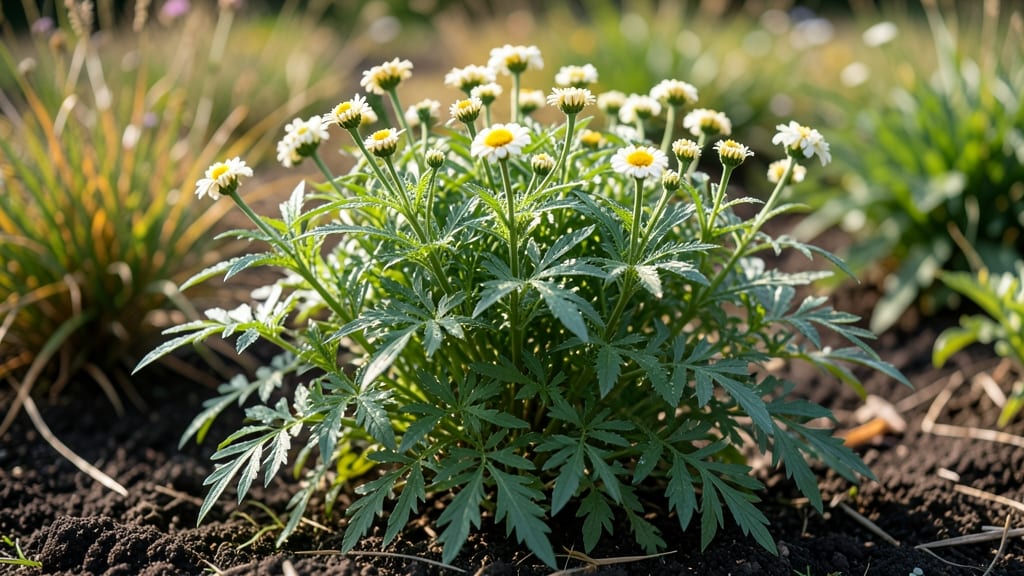
The white marigold flower brings year-round edible blooms that taste like mild oregano—plus, they repel pests like no other plant in my garden. 🌼 The secret to their success lies in their love for warmth and well-drained soil, but even beginners can nail it with just a few simple steps.
These aren’t your grandma’s orange marigolds; their pure white petals add a sophisticated touch to any border or container while keeping bugs at bay.
Start with a sunny spot—at least 6 hours of direct sunlight—and soil that drains well, whether in garden beds or containers. White marigolds thrive in USDA zones 2-11, making them one of the most versatile annuals for nearly any climate.
The key is consistency: water when the top inch of soil feels dry, but never let them sit in soggy conditions. Overwatering is the fastest way to kill these hardy plants, so a little neglect is better than drowning them.
By mid-summer, you’ll be harvesting blooms for salads or garnishes, and the plants will keep producing until frost. Their delicate, lemony aroma deters nematodes and aphids while attracting pollinators—making them a foolproof addition to vegetable gardens or pollinator-friendly borders.
Pair them with tomatoes or herbs for a dual-purpose display that works as hard as it looks.
Once you master the basics, experiment with succession planting for continuous blooms all season. Cut back spent flowers to encourage more production, and save seeds for next year—they store easily and sprout reliably.
These aren’t just pretty faces; they’re the workhorses of the garden that reward minimal effort with maximum impact.
📚 In This Guide
- What you need
- Instructions
- Tips and common mistakes
- Wrapping up and next steps
What you need
- ● White marigold seeds: 10–20 seeds (or 3–5 seedlings if transplanting). Look for Tagetes erecta varieties like 'Snowball' or 'Pavement' for pure white blooms.
- ● Well-draining potting mix: 5–10 lbs (for containers) or enrich your garden soil with compost (1–2 lbs per sq. ft.).
- ○ Containers (optional): 5–7" deep pots (1–2 plants per container) or garden beds with full sun (6+ hours/day).
- ● Slow-release fertilizer: 1 tbsp per plant (balances like 10-10-10) to kickstart growth.
- ● Gloves & trowel (for planting and soil prep).
- ● Spray bottle (for gentle watering post-planting).
- ○ Mulch (optional): Straw or shredded leaves to retain moisture and deter weeds.
- ○ Stakes or cages (optional): For taller varieties (e.g., 'Snowball') to support stems.
- ○ Pruning shears (optional): To trim spent blooms and encourage bushier growth.
- ● Hardiness: Thrives in USDA zones 2–11. Start seeds indoors 6–8 weeks before last frost or direct-sow after soil warms to 60°F+.
- ● Watering: Keep soil evenly moist (not soggy) until established, then water deeply 1–2 times/week.
Step-by-step guide to cultivating white marigolds for continuous blooms
Here's how to grow these elegant, pest-repelling beauties with effortless year-round color.
🌱 Step 1: Select the Perfect Planting Location and Soil
White marigolds thrive in full sun—at least 6-8 hours daily. Choose a spot with afternoon shade if you live in a hot climate, as this prevents scorching. I always test the soil first—marigolds prefer well-draining, slightly acidic soil with a pH between 6.0-7.0.
If your soil is heavy clay, mix in 2-3 inches of compost and a handful of perlite to improve drainage. Amend the planting area with 1 cup of bone meal per plant for phosphorus, which encourages strong root development and abundant blooms. Work the amendments into the top 12 inches of soil.
Here's the thing—white marigolds are more sensitive to soggy roots than their orange cousins. If your area gets heavy rain, raise beds slightly or plant on a mound to prevent waterlogging. You'll know you've got the right conditions when the soil feels like a damp sponge when squeezed—it should hold shape but not drip water.
🌱 Step 2: Start Seeds Indoors or Plant Transplants at the Right Time
For a head start, sow seeds indoors 6-8 weeks before your last frost date. Use seed-starting trays with sterile seed-starting mix and plant seeds ¼ inch deep. Keep the soil consistently moist at 70-75°F until germination, which typically occurs in 7-14 days.
If you're planting directly outdoors, wait until soil temperatures reach 60°F—cold soil delays germination. Space seeds 1 inch apart in rows 12 inches apart. Thin seedlings to 12-18 inches apart when they develop 2-3 true leaves, which usually takes 4-6 weeks.
Real talk: I've learned that rushing seedlings outdoors too early leads to leggy, weak plants. Wait until nighttime temperatures stay above 55°F—that's when roots establish properly and plants bounce back from transplant shock.
☀️ Step 3: Provide Consistent Water and Fertilizer for Nonstop Blooms
Water deeply 1-2 times per week, aiming for 1 inch of water per week. The key is consistency—marigolds hate drying out completely but also dislike soggy feet. Water at the base in the morning so foliage has time to dry, reducing fungal risks.
Feed plants with a balanced 10-10-10 fertilizer every 4-6 weeks during the growing season. Switch to a low-nitrogen 5-10-10 when buds form to encourage more blooms and fewer leaves. I always fertilize after a deep watering to prevent root burn.
You'll notice the difference immediately—plants fertilized properly develop thicker stems and larger, more abundant flowers. Watch for yellowing leaves, which signal over-fertilization, and flush the soil with water if it happens.
✂️ Step 4: Deadhead and Prune for Extended Flowering Seasons
Deadheading spent blooms is the secret to year-round flowers. Pinch off faded blooms with clean pruners or your fingers every 2-3 days during peak bloom. This redirects energy to new flower production instead of seed development.
For a bushier plant, trim back leggy stems to ½ their height in early summer. You'll see new growth sprout from the sides within 2-3 weeks. Avoid cutting into old wood—always prune just above a leaf node where new growth can emerge.
Here's where it gets fun—if you live in a warm climate, marigolds often self-seed. Let a few spent blooms remain on the plant if you want next year's crop for free. Just scatter the seeds in autumn for spring blooms.
🌿 Step 5: Overwinter and Protect for Year-Round Growth
In colder climates, cut back plants to 3-4 inches tall after the first frost. Mulch heavily with 3-4 inches of straw or shredded leaves to insulate roots. I've had marigolds survive winters with 10°F temperatures when properly mulched.
In warmer zones, marigolds often bloom year-round with minimal care. Just keep watering during dry spells and fertilize lightly every 8-10 weeks. The secret to winter success is protecting the crown—cover plants with frost cloth during hard freezes.
You'll know your overwintering strategy worked when you see fresh green growth in early spring, often before other perennials. That's your reward for a little extra winter care!
Tips & tricks for perfect white marigold cultivation
These subtle adjustments will help you coax even more abundant blooms from your white marigolds while avoiding common pitfalls.
Sunlight Strategy: While the instructions call for 6-8 hours of direct sun, I've found that white marigolds actually perform best with morning sun and afternoon shade in hotter climates. The delicate petals can scorch when exposed to intense afternoon rays—watch for yellowing edges as an early warning sign. If your garden gets brutal afternoon heat, consider using shade cloth (30-50%) during peak hours to protect those pristine white blooms while maintaining the full sun requirement.
Soil pH Precision: Testing your soil's pH is non-negotiable for white marigolds, but here's the secret: aim for the lower end of the 6.0-7.0 range (closer to 6.2-6.5) for optimal phosphorus uptake. I use a simple soil test kit and adjust with sulfur if needed—this subtle acidity boost makes all the difference in root vigor. The bone meal you're adding provides phosphorus, but slightly acidic soil helps unlock its full potential for those thick, sturdy stems that support heavy blooms.
Watering Wisdom: The 1-2 times per week guideline works, but timing matters more than frequency. I've learned the hard way that watering in the evening can lead to fungal issues—always water at the base in the morning so foliage dries completely before nightfall. For container-grown marigolds, check soil moisture daily during hot weather; they dry out faster in pots and need more frequent watering to maintain that consistent 1-inch weekly target.
Deadheading Discipline: Those 2-3 days between deadheading sessions are crucial, but don't stop there. I've noticed that cutting stems back to just above a leaf node (not just pinching off blooms) encourages even bushier growth. This simple tweak to the pruning method creates more flowering sites and extends your bloom time by 3-4 weeks. Just be sure to use clean, sharp pruners to avoid tearing stems—rough cuts invite disease.
Pro Tips for White Marigold Flower
- These subtle adjustments will help you coax even more abundant blooms from your white marigolds while avoiding common pitfalls.
- Sunlight Strategy: While the instructions call for 6-8 hours of direct sun, I've found that white marigolds actually perform best with morning sun and afternoon shade in hotter climates.
- Soil pH Precision: Testing your soil's pH is non-negotiable for white marigolds, but here's the secret: aim for the lower end of the 6.0-7.0 range (closer to 6.2-6.5) for optimal phosphorus uptake.
Frequently asked questions
Got questions about growing white marigolds? You’re not alone!
Here are answers to the most common queries—from planting tips to troubleshooting—so you can enjoy these cheerful blooms with confidence.
When is the best time to plant white marigolds?
White marigolds thrive in warm soil, so plant them after the last frost when temperatures stay above 50°F (10°C). For year-round blooms, start seeds indoors 6–8 weeks before your last frost date or transplant seedlings in spring. If you live in a mild climate (zones 8–11), you can plant them in fall or winter for continuous color!
How often should I water white marigolds?
Water them deeply 1–2 times per week, ensuring the soil stays consistently moist but not soggy. Young plants need more frequent watering, while established ones tolerate slight drought. Mulch around the base to retain moisture and prevent weeds. Overwatering can lead to root rot, so always check the top inch of soil before watering.
Are white marigolds pest-resistant? What should I do if pests appear?
Yes! They naturally repel aphids, nematodes, and whiteflies due to their strong scent. However, if you spot pests like spider mites or slugs, spray with neem oil or introduce beneficial insects (like ladybugs). For slugs, set up beer traps or handpick them at night. Healthy plants are your best defense—ensure they get 6+ hours of sunlight and well-draining soil.
Can I grow white marigolds in containers? What’s the ideal pot size?
They adapt well to containers as long as the pot is at least 12 inches wide and deep (bigger for multiple plants). Use a lightweight potting mix with good drainage, and place the container in a sunny spot. For compact varieties, a 6-inch pot works, but larger pots encourage bigger blooms. Just ensure the container has drainage holes to prevent root rot.
Do white marigolds survive winter? How do I overwinter them?
In cold climates (zones 3–7), white marigolds are annuals and won’t survive winter outdoors. However, you can extend their life by:
- Bringing potted plants indoors to a sunny windowsill (10+ hours of light).
- Cutting back dead foliage and storing seeds indoors for next year.
- Mulching heavily before frost if you’re hoping for a spring return (though this is risky).
What can I do if my white marigolds aren’t blooming?
Lack of blooms usually stems from too much nitrogen (focus on phosphorus-rich fertilizer instead) or overcrowding. Try these fixes:
- Deadhead spent blooms regularly to encourage new flowers.
- Prune leggy stems to promote bushier growth.
- Ensure they get full sun (6+ hours daily)—shady spots reduce flowering.
- Space plants 12–18 inches apart for better air circulation.
Wrapping up and next steps
Growing white marigold flowers is a rewarding experience—whether for their beauty, pest-repelling magic, or edible blooms! With just a little sunlight, well-draining soil, and minimal effort, you can enjoy vibrant blooms year-round. These cheerful flowers aren’t just low-maintenance; they’re also a boon for gardens and kitchens alike.
Ready to dive in? Start small—plant a few seeds or seedlings this season and watch your garden transform! Need more tips? Explore companion planting or creative ways to use marigolds in cooking for even greater rewards. 🌱✨