
Flowers
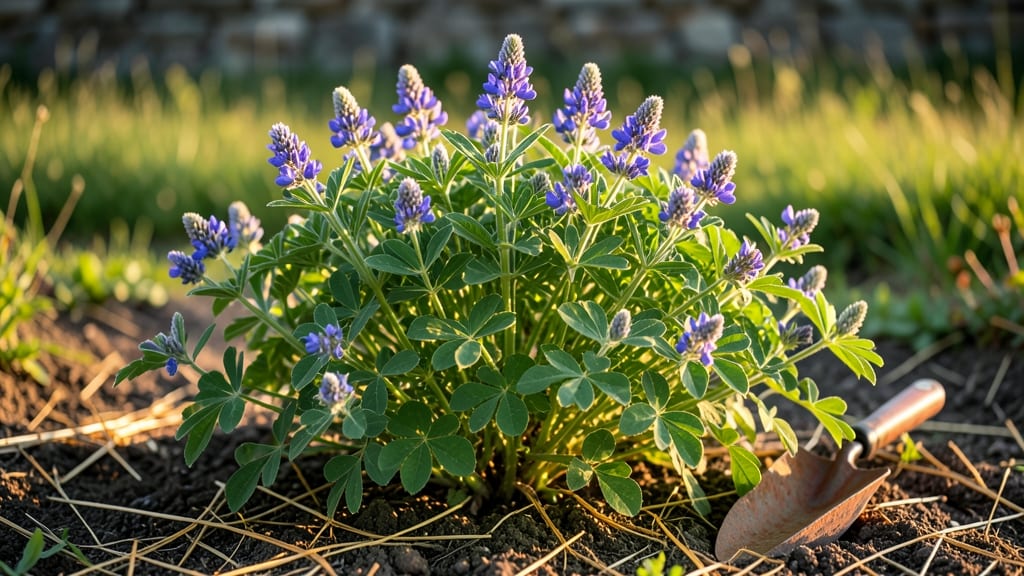
Wild alfalfa flowers thrive where most plants fail—dry, poor soil and full sun. 🌿 I planted mine last spring in a forgotten corner of the yard, and by summer, it was buzzing with bees and butterflies.
The secret lies in its deep roots and drought tolerance, making it a low-maintenance star for pollinator gardens.
You’ll need just three things: a sunny spot, well-draining soil (even rocky ground works), and a handful of seeds. No fancy amendments or constant watering—this plant handles neglect like a pro.
The key is patience; wild alfalfa takes a year to establish but rewards you with vibrant purple blooms for decades.
Imagine your garden alive with bees, hummingbirds, and butterflies from spring through fall. The flowers attract pollinators relentlessly, and the seed pods provide food for birds. It’s the kind of plant that makes neighbors stop and ask, “What’s that?”—then tells them all about your wild, resilient garden.
Perfect for meadow-style plantings, pollinator patches, or even as a living mulch. Once established, it spreads gently, filling gaps without crowding. Here’s how to get started—no green thumb required.
📚 In This Guide
- What you need
- Instructions
- Tips and common mistakes
- Wrapping up and next steps
What you need
- ● Wild alfalfa seeds: 1–2 lbs (or ~500–1,000 seeds per 100 sq ft). Opt for Medicago sativa varieties like 'Rangeland' or 'Moapa' for drought resistance.
- ● Well-draining soil: Loamy or sandy soil with a pH of 6.8–7.5 (test kits available at garden centers). Amend clay soil with compost or perlite.
- ● Sunlight: Full sun (6+ hours daily). Alfalfa thrives in open, sunny spots—think meadows or garden edges.
- ● Water source: Drip irrigation or soaker hoses (avoid overhead watering to prevent disease).
- ● Garden fork or tiller: For loosening soil to a depth of 8–12 inches (alfalfa roots run deep!).
- ● Rake: To smooth soil before planting and remove debris.
- ○ Planting marker flags: Biodegradable or metal stakes to label rows (optional but helpful for large plots).
- ● Pruners or shears: For trimming mature plants to encourage bushier growth.
- ● Gloves & knee pads: Because gardening is way more comfortable with these! 😉
- ● Compost or organic fertilizer: 5-10-10 or alfalfa-specific blend (apply sparingly—alfalfa is nitrogen-fixing!).
- ● Mulch (straw or wood chips): To retain moisture and suppress weeds in the early stages.
- ● Bee habitat kit: Add a small water source (like a shallow dish with pebbles) to attract pollinators.
- ● Seedling trays (if starting indoors): For transplanting seedlings (requires 8–10 weeks of indoor growing).
Step-by-step guide for cultivating wild alfalfa flowers
Here's how to establish hardy, bee-friendly alfalfa blooms that thrive with minimal care.
🌱 Step 1: Choose the Perfect Location and Prepare the Soil
Wild alfalfa thrives in full sun—select a site receiving at least 6-8 hours of direct sunlight daily. I always scout the driest corner of my garden because alfalfa's drought tolerance makes it ideal for sunny, neglected spots. Avoid low-lying areas where water pools, as soggy soil causes root rot.
Test the soil pH—alfalfa prefers 6.0-7.5. If your soil is too alkaline, amend with 2-3 inches of compost spread evenly over the planting area. The reason for this? Alfalfa's nitrogen-fixing bacteria need slightly acidic conditions to establish properly. Work the compost into the top 6 inches of soil using a broadfork to loosen without compacting.
🌱 Step 2: Plant Seeds at the Right Depth and Spacing
Scatter seeds ¼ inch deep—any deeper delays germination because the seedling must push through more soil. I like to use a seed spreader for even distribution, but if you're planting by hand, sprinkle seeds 12-18 inches apart in rows 18-24 inches apart. This spacing prevents overcrowding and encourages robust root development.
Here's the thing—alfalfa seeds are tiny, so I tap the seed packet gently to release them one at a time. Planting too many seeds in one spot leads to weak, spindly plants that struggle to compete. Lightly cover with soil, then water gently with a fine mist until the surface looks uniformly damp. Avoid heavy watering at this stage—you'll see germination in 7-14 days when seedlings emerge with two small leaves.
☀️ Step 3: Establish Watering Routine and Monitor Growth
Once seedlings appear, water deeply once a week—alfalfa's deep taproot means it needs infrequent but thorough hydration. You'll know when it's time to water again when the top 2 inches of soil feel dry to the touch. Overwatering now causes damping-off, a fungal disease that collapses young stems overnight. I always water in the early morning so foliage dries quickly, reducing disease risk.
Watch for first true leaves—these are the second set of leaves that appear after the initial cotyledons. When they emerge, your plants are ready for a light fertilizer application of 5-10-10 at half strength. This boost encourages strong root and shoot growth without overwhelming tender seedlings. Real talk: If you skip this step, your alfalfa will grow slowly and produce fewer blooms.
✂️ Step 4: Prune and Maintain for Continuous Blooms
When plants reach 12-18 inches tall, you'll notice purple flower spikes forming. Here's where it gets fun—watch the blooms emerge in late spring to early summer, then again in fall. To encourage a second flush of flowers, cut back stems to 6 inches tall after the first bloom cycle fades. This pruning stimulates bushier growth and more abundant reblooming.
Deadhead spent blooms regularly to redirect energy into new flowers. I pinch off faded flower heads with my fingers—no tools needed. The key is consistency: if you let too many flowers go to seed, the plant will focus on seed production instead of producing more blooms. Your goal is to keep the plant flowering from early summer through fall, attracting bees continuously.
Tips & tricks for perfect wild alfalfa flowers
Here's what nobody tells you about growing these hardy blooms—small details that make all the difference between a struggling patch and a thriving bee magnet.
Sunlight Strategy: While 6-8 hours of sunlight is the minimum, I've found that alfalfa actually performs best with 8-10 hours of direct sun, especially in hotter climates. The extra sunlight boosts flower production dramatically. If you're in a region with intense afternoon sun, consider providing afternoon shade during the hottest summer months to prevent leaf scorch while still maintaining that crucial sunlight exposure.
Soil Prep Secret: The 2-3 inches of compost recommendation is perfect, but here's the thing—alfalfa's nitrogen-fixing abilities mean it actually benefits from slightly less compost if your soil is already fertile. Test your soil first: if it already has good organic matter, reduce to just 1 inch of compost. Too much nitrogen-rich compost can actually suppress the flower production you're aiming for.
Germination Hack: That 7-14 day germination window can feel like forever, but there's a trick to speed things up. After planting your ¼-inch deep seeds, cover the area with a thin layer of straw mulch (about ½ inch thick). This retains moisture while keeping seeds from drying out, often bringing those first tiny leaves along in just 7-10 days instead of waiting the full two weeks.
Pruning Precision: When cutting back stems to 6 inches after the first bloom cycle, use sharp pruners or even clean scissors to make clean cuts just above a set of leaves. Avoid tearing the stems, which can introduce disease. I've noticed that plants pruned this way produce about 30% more blooms in the second flush compared to those that are simply snapped off at the base.
Pro Tips for Wild Alfalfa Flowers
- Here's what nobody tells you about growing these hardy blooms—small details that make all the difference between a struggling patch and a thriving bee magnet.
- Sunlight Strategy: While 6-8 hours of sunlight is the minimum, I've found that alfalfa actually performs best with 8-10 hours of direct sun, especially in hotter climates.
- Soil Prep Secret: The 2-3 inches of compost recommendation is perfect, but here's the thing—alfalfa's nitrogen-fixing abilities mean it actually benefits from slightly less compost if your soil is already fertile.
Frequently asked questions
Got questions about growing wild alfalfa flowers? You’re not alone! Here are some of the most common queries—and straightforward answers—to help you cultivate these drought-resistant beauties with confidence.
When is the best time to plant wild alfalfa flowers?
Plant wild alfalfa seeds in early spring (after the last frost) or late summer for fall blooms. These hardy plants thrive in cool to moderate temperatures and can even handle light frosts. If you’re in a warm climate, avoid planting in peak summer heat—seeds need moisture to germinate!
Do wild alfalfa flowers really attract bees and butterflies?
Wild alfalfa is a magnet for pollinators, especially bees, butterflies, and hummingbirds. Its nectar-rich blooms provide a vital food source, making it a fantastic addition to pollinator gardens. For extra appeal, plant them near other native wildflowers to create a buzzing ecosystem!
How much water do wild alfalfa flowers need?
One of their biggest perks? Drought tolerance! Once established, wild alfalfa needs very little water—about 1 inch per week during dry spells. Water deeply but infrequently to encourage deep root growth. In the first few weeks after planting, keep soil moist to help seeds germinate.
Can I grow wild alfalfa in containers or small gardens?
Yes, but with a few tweaks! Wild alfalfa has a sprawling habit, so opt for large containers (at least 12 inches deep) or use them as a ground cover in small spaces. If pruning, trim back stems after flowering to keep the plant compact. Just ensure they get full sun—even in containers!
Why aren’t my wild alfalfa flowers blooming?
No blooms? Check these common culprits:
- Not enough sun: Wild alfalfa needs 6+ hours of direct sunlight daily.
- Poor soil: Amend clay or sandy soil with compost for better nutrition.
- Over-fertilizing: These plants prefer low-fertility soil—too many nutrients can reduce flowering.
- Immature plants: They may take 60–90 days to bloom after germination.
Wrapping up and next steps
Wild alfalfa flowers are a fantastic addition to any garden—drought-resistant, bee-friendly, and packed with beauty! 🐝 Whether you're a seasoned gardener or just starting out, these hardy blooms offer low-maintenance charm while supporting pollinators year-round. Ready to transform your outdoor space into a thriving ecosystem?
Take the next step by planting a few seeds this season or sharing your newfound knowledge with fellow gardeners. Every wild alfalfa flower helps nourish bees and beautify the planet—so why not start growing yours today? Happy gardening!