
Flowers
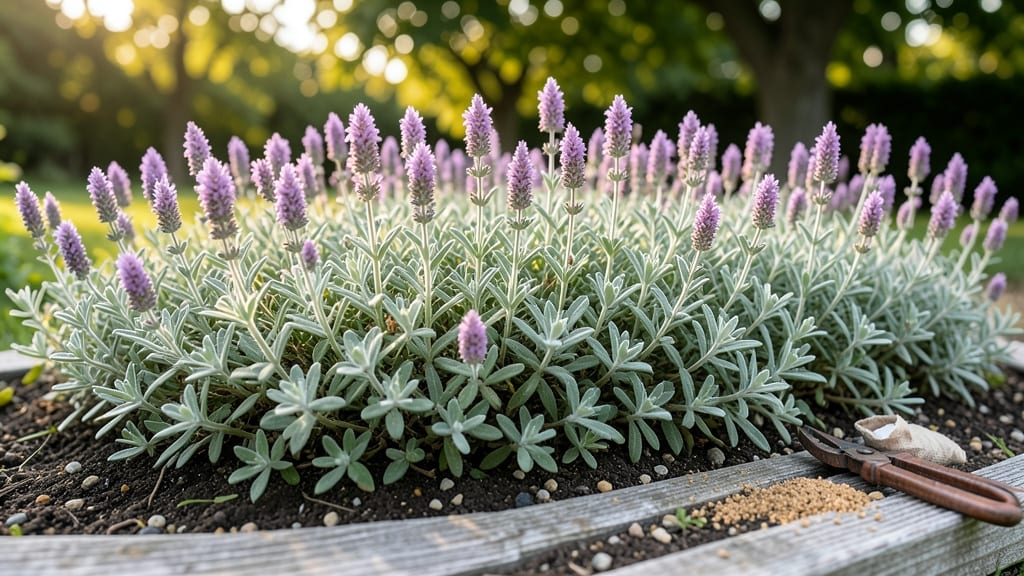
Wildflower ground cover transforms bare soil into a vibrant, buzzing carpet that thrives on neglect. 🌸 I used to spend hours weeding my front yard—until I swapped the mulch for native wildflowers, and suddenly, the space became a pollinator paradise with almost no effort.
The right mix chokes out weeds, blooms for months, and creates a lush, ever-changing tapestry that looks better every year.
Start with sun-loving perennials like black-eyed Susans, creeping phlox, or clover for shade. These tough plants spread naturally, filling gaps without mowing or fertilizing. My 10x12-foot bed now costs nothing to maintain after the first year, and the color shifts from spring violets to fall asters without a single purchase.
The secret? Choosing plants adapted to your climate and soil.
You’ll end up with a garden that blooms when you least expect it—wildflowers pop up between stepping stones, spill over edges, and even grow through cracks in pavement.
Bees, butterflies, and hummingbirds will visit daily, and your lawnmower stays in the shed. Best of all, it’s weed-proof once established, saving you hours of backbreaking work.
Works in cottage gardens, modern borders, or wild landscapes—just adjust the height and color palette. Let’s pick the perfect mix for your space and turn that patch of dirt into a self-sustaining masterpiece that keeps giving year after year.
📚 In This Guide
- What you need
- Instructions
- Tips and common mistakes
- Wrapping up and next steps
What you need
- ● Wildflower seed mix: 1–5 lbs (depending on area size; 1 lb covers ~100 sq ft)
- ● Native species recommended (e.g., clover, black-eyed Susans, or poppies)
- ● Soil preparation tools: Garden rake (for loosening soil)
- ○ Hoe or cultivator (optional, for removing weeds)
- ● Watering supplies: Garden hose with adjustable nozzle
- ● Watering can (for small patches)
- ○ Optional (but helpful!): Mulch or straw (to retain moisture)
- ● Seed starter fertilizer (for faster germination)
- ● Birdseed (to attract pollinators early)
Step-by-Step guide to establishing wildflower ground cover
Here's how I transform bare patches into vibrant, self-sustaining meadows.
🌱 Step 1: Prepare the Soil for Optimal Germination
Clear existing vegetation with a sharp shovel or string trimmer, removing all roots and debris. I like to work when soil is slightly moist—after a light rain or early morning—to prevent compaction. Loosen the top 6 inches of soil with a broadfork or tiller, breaking up any hardpan while leaving deeper layers intact. This aeration encourages root penetration and reduces competition from weeds.
For heavy clay soils, mix in 2-3 inches of compost to improve drainage and structure. Spread it evenly and rake lightly to blend. Avoid tilling too deeply—wildflowers thrive in undisturbed subsoil. The goal is to create a loose, crumbly texture that holds moisture without becoming waterlogged. Test your work by pressing your thumb into the soil: it should give slightly but not feel mushy.
☀️ Step 2: Choose and Plant the Right Wildflower Mix
Select a pre-mixed wildflower seed blend suited to your climate and light conditions—full sun, part shade, or full shade mixes all perform differently. I recommend native species blends for lowest maintenance, as they've evolved to thrive locally without supplemental watering. Scatter seeds evenly by hand or with a broadcast spreader, aiming for 1/4 to 1/2 pound per 100 square feet depending on the mix's coverage rate.
Lightly rake seeds into the soil surface, covering them with no more than 1/8 inch of fine soil or compost. Press gently to ensure good seed-to-soil contact. Here's the thing—don't bury seeds too deeply. Most wildflower seeds need light to germinate, and excessive coverage will delay or prevent sprouts. Water gently with a fine mist to settle seeds without displacing them.
💧 Step 3: Water Strategically for Strong Establishment
Keep the soil consistently moist for the first 4-6 weeks, watering daily if rainfall is less than 1/2 inch per week. I use a gentle rain wand to avoid disturbing seeds. The key is maintaining even moisture without creating puddles. You'll see the first sprouts emerge in 7-21 days, depending on species and weather. Once seedlings reach 2-3 inches tall, reduce watering frequency to 2-3 times per week, allowing the soil to dry slightly between sessions.
After 8-10 weeks, when plants are 4-6 inches tall, transition to deep, infrequent watering to encourage deep root growth. This helps wildflowers establish resilience against drought. Mulch with 2-3 inches of straw or shredded leaves to retain moisture and suppress weeds, but keep mulch 2 inches away from plant stems to prevent rot. The right mulch will break down slowly, adding organic matter without smothering new growth.
✂️ Step 4: Maintain and Encourage Natural Spread
Let the wildflowers grow undisturbed for their first full season. The magic happens when they self-seed and spread naturally. In late fall, cut back dead foliage to 2-3 inches above ground level to remove seed heads that might resprout in spring. This also prevents thatch buildup while allowing sunlight to reach next year's seedlings. I use sharp bypass pruners for clean cuts that won't tear stems.
Fertilize lightly in early spring with 1/2 pound of 10-10-10 fertilizer per 100 square feet, but only if your soil tests low in nutrients. Wildflowers generally prefer lean conditions. After the first year, maintenance becomes minimal—just occasional mowing or trimming to control height and encourage new blooms. The more you interfere, the less "magic" you'll see in the spreading process.
Tips & tricks for perfect wildflower ground cover
These practical insights will help you avoid common pitfalls and create a thriving meadow that spreads effortlessly.
Soil Prep Secret: In Step 1, when loosening the top 6 inches of soil, focus on breaking up hardpan while leaving deeper layers intact. I've seen beginners over-till and create a compacted layer below—this defeats the purpose. Use a broadfork to gently aerate rather than aggressively turn the soil. For clay-heavy areas, mix in compost before tilling to improve structure without creating clumps. The thumb test is your best friend here: soil should feel like a well-worn leather glove—not too tight, not too loose.
Seed Placement Technique: During Step 2, resist the urge to bury seeds deeper than 1/8 inch. I learned this the hard way after planting a patch where seeds were covered with 1/2 inch of soil—many never germinated. Instead, use a lightweight broadcast spreader or simply scatter seeds by hand, then press them into the surface with a board. For larger areas, consider a slotted seed spreader to maintain even coverage without over-throwing seeds. The goal is to mimic how seeds naturally disperse in wild meadows.
Watering Strategy: In Step 3, the first 4-6 weeks are critical for seedling establishment. I recommend setting a timer for daily watering if rainfall is insufficient, but always use a gentle rain wand to prevent seed displacement. Watch for the first sprouts between 7-21 days—this is your cue to reduce frequency. A good rule of thumb: water when the top 1 inch of soil feels dry to the touch. Overwatering at this stage causes seed rot, while underwatering leads to weak seedlings that can't compete with weeds.
Mulching Wisdom: When applying the 2-3 inches of mulch in Step 3, keep it 2 inches away from stems to prevent rot. I've seen gardeners smother new growth by piling mulch directly against seedlings. For weed suppression, use straw or shredded leaves—they break down slowly while allowing moisture penetration. In drier climates, consider a thin layer of pea gravel around plants to reduce evaporation while maintaining good drainage.
Pro Tips for Wild Flower Ground Cover
- These practical insights will help you avoid common pitfalls and create a thriving meadow that spreads effortlessly.
- Soil Prep Secret: In Step 1, when loosening the top 6 inches of soil, focus on breaking up hardpan while leaving deeper layers intact.
- Seed Placement Technique: During Step 2, resist the urge to bury seeds deeper than 1/8 inch.
Frequently asked questions
Got questions about wildflower ground cover?
You’re not alone! Here are answers to the most common queries to help you get started with confidence.
What’s the best time of year to plant wildflower ground cover?
Plant wildflower ground cover in early spring (after the last frost) or fall (6-8 weeks before the first frost). These seasons give seeds time to establish roots before extreme heat or cold. Avoid planting in summer—high temps can stress young seedlings.
How often do I need to water wildflower ground cover?
Water lightly but frequently for the first 2-3 weeks to keep soil moist (about 1 inch per week). Once established, wildflowers are drought-tolerant! After germination, reduce watering to once a week or let nature take its course—rainfall often does the trick.
Will wildflower ground cover attract bees or other pests?
Yes! Wildflowers are bee magnets—they support pollinators and boost local ecosystems. While bees are beneficial, avoid planting near patios or seating areas if you’re sensitive to them. For pest control, choose native wildflowers, which are less prone to invasive insects.
Can I mow wildflower ground cover, or will it kill the plants?
Mowing isn’t recommended, but if you must, wait until after flowering (late summer/fall) and set your mower to 4+ inches high. Over-mowing can weaken plants. For a low-maintenance look, let seed heads stand—they add winter interest and feed wildlife!
What’s a good alternative if wildflowers don’t spread in my climate?
Try creeping thyme, clover, or sedum for drought-resistant, low-growing alternatives. These spread easily and thrive in similar conditions. For shade, consider ajuga or wild strawberries. Always check your USDA hardiness zone to match plants to your climate!
Wrapping up and next steps
Transforming your garden into a vibrant, low-maintenance paradise with wildflower ground cover is easier—and more rewarding—than you think! 🌸 These resilient plants not only save time but also bring life, color, and ecological benefits to your outdoor space.
Whether you're a seasoned gardener or just starting out, the magic of wildflowers is within reach.
Ready to take the next step? Start small—plant a patch, observe its growth, and soon, you’ll be watching your garden thrive with minimal effort. Happy planting! 🌱