
Flowers
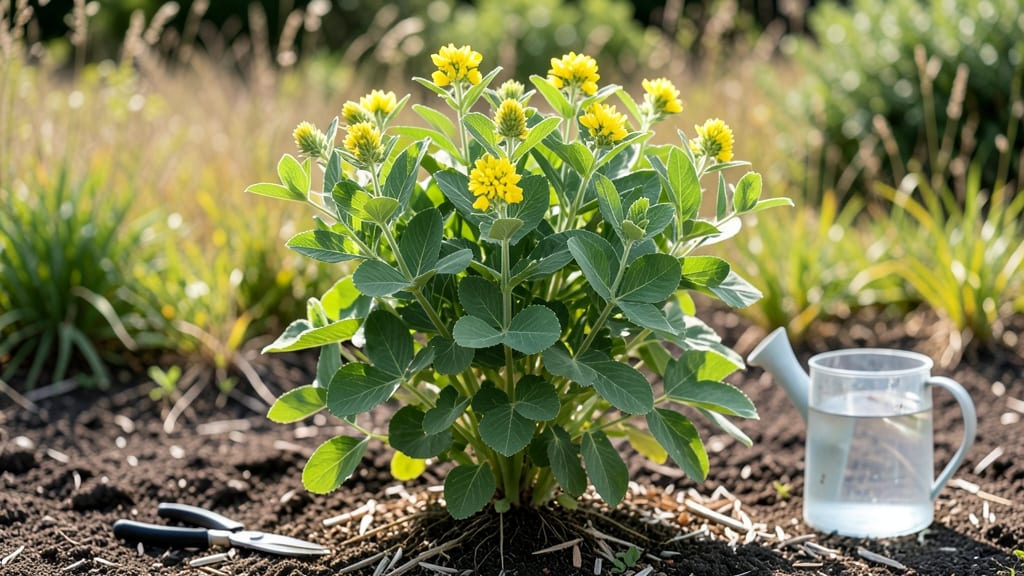
Bright yellow alfalfa flowers transform any garden into a buzzing, golden paradise 🌻—their cheerful blooms attract bees, butterflies, and hummingbirds all season long. I planted mine last spring along a sunlit fence, and now it’s the first thing neighbors notice when they walk by.
The flowers appear in clusters from early summer through frost, creating a year-round pollinator buffet that never looks tired.
These hardy perennials thrive in poor soil and full sun, making them perfect for borders, wildflower meadows, or even container gardens. Pair them with purple coneflowers for a stunning color contrast, or let them mingle with native grasses for a natural, low-maintenance look.
Their delicate, fern-like foliage adds texture even when they’re not in bloom.
Imagine your garden alive with movement—bees darting between golden spikes, butterflies sipping nectar, and the occasional hummingbird darting in for a quick snack. Yellow alfalfa flowers bring that energy to your space while requiring almost no effort.
They’re drought-tolerant once established, so you’ll spend less time fussing and more time enjoying the show.
Whether you’re designing a pollinator haven, a cottage garden, or a simple border, these flowers deliver bold color with minimal care. Their versatility makes them a secret weapon for gardeners who want beauty without the upkeep. Ready to invite more life into your landscape?
📚 In This Guide
- What you need
- Instructions
- Tips and common mistakes
- Wrapping up and next steps
What you need
- ● Alfalfa seeds – 1–2 lbs (organic, non-GMO preferred for pollinators). Look for varieties like ‘Ranger’ or ‘Moapa’ for vibrant blooms.
- ● Well-draining soil – pH 6.5–7.5. Mix in compost (1–2 gallons per 10 sq ft) for nutrient-rich growth.
- ● Sunlight access – Full sun (6+ hours/day). Alfalfa thrives in USDA Zones 3–10.
- ● Water source – Drip irrigation or hose (deep watering 2–3 times/week during dry spells).
- ● Garden trowel or hoe – For planting seeds ½ inch deep.
- ● Rake – To loosen soil and create even seedbeds.
- ○ Pruners or shears – For trimming dead blooms (optional but encourages regrowth).
- ● Mulch (straw or wood chips) – 2–3 inches thick to retain moisture and suppress weeds.
- ● Pollinator-friendly companion plants – Marigolds or lavender to attract bees and butterflies.
- ● Fertilizer (low-nitrogen) – Balanced 10-10-10 or compost tea every 4–6 weeks.
- ● Trellis or stakes – If growing alfalfa as a tall border (though it’s typically low-growing).
- ● Seedling trays – For starting seeds indoors 4–6 weeks before last frost (if desired).
Step-by-step guide to cultivating vibrant yellow alfalfa flowers
Here's how to coax these hardy blooms into thriving pollinator magnets.
🌱 Step 1: Select and Prepare the Perfect Planting Site
Alfalfa thrives in well-draining soil with a pH between 6.5 and 7.5. Choose a location with full sun exposure—at least 6-8 hours of direct sunlight daily. The reason? These flowers need intense light to develop their signature bright yellow blooms and support their deep root systems.
Before planting, loosen the soil to a depth of 12 inches using a garden fork. This prevents compaction and allows roots to penetrate easily. Here's the thing—alfalfa is drought-tolerant once established, but young plants need consistent moisture to take root. Amend the soil with 2-3 inches of compost to boost fertility without overfeeding, which can lead to excessive foliage at the expense of flowers.
☀️ Step 2: Plant Seeds at the Right Depth and Spacing
Sow seeds ¼ inch deep in early spring after the last frost date when soil temperatures reach 50°F. I tap the seed packet gently to release seeds in small batches—planting too many in one spot creates competition and weak stems. Space seeds 6-8 inches apart in rows 18-24 inches apart to allow for air circulation and future growth.
Water gently after planting to settle the soil without displacing seeds. You'll see the first true leaves appear in 10-14 days under ideal conditions. This is the moment that matters: if germination is slow, check soil moisture—alfalfa seeds need consistent dampness but won't tolerate soggy conditions. If a seedling emerges with only one leaf, don't thin it immediately. Wait until the plant has 3-4 leaves before removing weaker seedlings to avoid disturbing the roots of established plants.
💧 Step 3: Water and Fertilize for Continuous Blooms
Young alfalfa plants need 1 inch of water per week, delivered deeply to encourage root growth. Once established, they require water only during prolonged dry spells—their deep taproots make them remarkably resilient. I water in the early morning to reduce evaporation and fungal risks. You'll know moisture is right when the top 2 inches of soil feel dry to the touch but the lower soil remains damp.
Fertilize lightly in early spring with a balanced 10-10-10 fertilizer at half strength. Alfalfa is a nitrogen-fixer, so over-fertilizing leads to lush foliage with fewer blooms. Here's what I do: scatter fertilizer granules around the base, then water deeply to dissolve them. Stop fertilizing after mid-summer to allow the plant to focus energy on flower production rather than new growth.
✂️ Step 4: Prune and Maintain for Year-Round Color
Deadhead spent blooms regularly to encourage continuous flowering. I snip off faded flowers with clean pruners, cutting back to the first set of healthy leaves. This prevents the plant from redirecting energy into seed production and keeps the blooms coming. Real talk: if you skip this step, you'll still get flowers, but they'll appear in fewer, less frequent waves.
In late fall, cut back the foliage to 4-6 inches above the ground to promote new growth in spring. Avoid heavy pruning in winter unless necessary—alfalfa's hardy nature means it can survive light frosts with minimal intervention. Mulch around the base with 2-3 inches of straw to insulate roots and retain moisture through winter.
Tips & tricks for cultivating vibrant yellow alfalfa flowers
These hard-won insights will help you transform your garden into a buzzing paradise for pollinators.
Soil Preparation Secret: Before amending with compost, test your soil's pH using a simple kit—alfalfa's vibrant yellow blooms depend on that 6.5-7.5 range. If your soil is too acidic, mix in 1-2 pounds of lime per 100 square feet two months before planting. I learned this the hard way after watching my first batch of seeds struggle in slightly acidic soil. The difference in bloom intensity is night and day once you get the pH right.
Germination Timing: Those 10-14 days for first leaves to appear can feel like an eternity, but resist the urge to disturb the soil. Instead, create a mini greenhouse effect by covering newly planted seeds with a thin layer of clear plastic until germination begins. This maintains consistent moisture and warmth—critical factors when soil temperatures hover around 50°F. Just remember to remove the plastic immediately after the first sprouts appear to prevent fungal growth.
Watering Wisdom: The 1 inch per week guideline for young plants is a minimum, not a maximum. During establishment, I water twice weekly if the top 2 inches of soil feel dry by mid-morning. The key is deep, infrequent watering that encourages those deep taproots to develop. Shallow watering creates weak, shallow roots that can't support the plant's flowering potential. Think of it as building a skyscraper foundation—deep and strong from the start.
Fertilizer Strategy: That 10-10-10 fertilizer at half strength is your golden ticket to continuous blooms, but timing matters. Apply it when you see the first true leaves appear, not at planting. The nitrogen helps build foliage that will support those vibrant yellow flowers, but too much too soon can delay flowering. I've found that splitting the application into two doses—once in early spring and again in late spring—gives the best results without overfeeding.
Pro Tips for Yellow Alfalfa Flowers
- These hard-won insights will help you transform your garden into a buzzing paradise for pollinators.
- Soil Preparation Secret: Before amending with compost, test your soil's pH using a simple kit—alfalfa's vibrant yellow blooms depend on that 6.5-7.5 range.
- Germination Timing: Those 10-14 days for first leaves to appear can feel like an eternity, but resist the urge to disturb the soil.
Frequently asked questions
When is the best time to plant yellow alfalfa flowers?
For optimal growth, plant yellow alfalfa flowers in early spring (as soon as soil is workable) or late summer (6-8 weeks before the first frost). They thrive in warm climates and can even reseed themselves if left undisturbed. If you’re in a hotter zone, consider fall planting to avoid summer heat stress.
Are yellow alfalfa flowers really good for pollinators?
These flowers are a pollinator powerhouse, attracting bees, butterflies, and hummingbirds year-round. Their nectar-rich blooms provide essential nutrition, especially in early spring when other flowers are scarce. Plant them near your garden’s edges or in wildflower meadows for maximum impact.
How often should I water yellow alfalfa flowers?
During the first 4-6 weeks after planting, water deeply 2-3 times per week to encourage root growth. Once established, they’re drought-tolerant but benefit from occasional watering during prolonged dry spells. Overwatering can lead to root rot, so well-draining soil is key!
Can I grow yellow alfalfa flowers in containers?
While they prefer open ground, you can grow them in large containers (at least 12 inches deep) with proper drainage. Use a light, well-draining potting mix and ensure the pot gets full sun (6+ hours daily). Just be prepared for slower growth compared to in-ground planting.
What should I do if my yellow alfalfa flowers aren’t blooming?
Check these common culprits:
- Not enough sun: They need full sun (6+ hours daily). Move to a sunnier spot.
- Poor soil: Amend with compost or a balanced fertilizer (10-10-10) to boost nutrients.
- Overcrowding: Thin seedlings to 12-18 inches apart for better airflow.
- Pests: Watch for aphids or spider mites—spray with neem oil if needed.
Wrapping up and next steps
Yellow alfalfa flowers aren’t just a pollinator’s dream—they’re a year-round gift for gardeners who love low-maintenance beauty and eco-friendly blooms! 🌼 Whether you’re drawn to their vibrant color, resilience, or ability to support bees and butterflies, these hardy flowers prove that stunning gardens can thrive with minimal effort.
Ready to transform your space? Start small—plant a few seeds or cuttings this season and watch your garden buzz with life!
Next step: Grab your supplies, follow the tips from earlier, and let nature do the rest. Happy gardening! 🌱