
Flowers
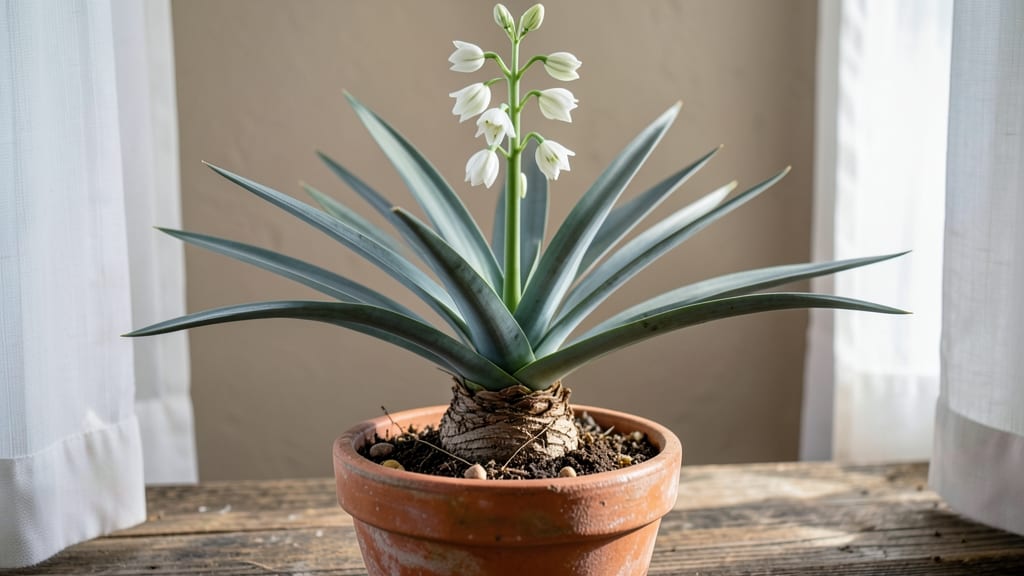
That yucca flower stalk rising from your Pacific Northwest garden is the kind of vertical drama that turns heads—and it’s easier to encourage than you think. 🌿 I’ve watched mine go from a single sprout to a towering spike of creamy blooms, and the secret isn’t complicated: it’s about patience, light, and knowing when to step back.
Yuccas thrive here because they crave the dry heat and well-drained soil we get in the PNW, but they need a little extra coaxing to produce those showstopping stalks.
The real magic happens in late winter when you notice new growth—this is your cue to dial back the water. Too much moisture at the wrong time, and you’ll stall that stalk before it even starts.
Instead, let the soil dry out between waterings, and give it full sun (or at least six hours of direct light daily). Most gardeners overwater by accident, thinking desert plants need less—when really, they just need consistent dryness.
A mature yucca will reward you with a 6-foot-tall bloom stalk by mid-summer if you’ve got the conditions right.
Once that stalk appears, resist the urge to prune it—even if it looks leggy or flops over. The flowers may take 2-3 weeks to unfurl, but they’re worth the wait: clusters of fragrant, bell-shaped blooms that hummingbirds adore.
If your stalk never emerges, check for these red flags: overcrowded roots, too much shade, or winter damage. A quick trim of old leaves can sometimes jumpstart new growth, but sometimes you just need to wait another year.
Here’s the kicker: these stalks are one-and-done—they bloom, then die back. But the plant itself lives on, often producing multiple stalks over time. In the PNW’s mild climate, you might even get a second flush in fall.
The key is to treat your yucca like the low-maintenance diva it is: feed it once a year in early spring, protect it from slugs (they love those tender new shoots), and step back. The drama will take care of itself.
📚 In This Guide
- What you need
- Instructions
- Tips and common mistakes
- Wrapping up and next steps
What you need
- ● Yucca plant: Choose a mature Yucca species (like Yucca filamentosa or Yucca gloriosa) with a sturdy stalk or select a potted plant already blooming.
- ● Well-draining soil: 3–5 gallons of a mix of 60% native PNW soil, 30% coarse sand or perlite, and 10% compost (yuccas hate soggy roots!).
- ○ Pot (optional): A 12–18-inch diameter container with drainage holes if growing in pots (terracotta or fiberglass works best).
- ● Mulch: 2–3 inches of gravel or decomposed granite to protect roots and retain moisture.
- ● Garden trowel or shovel for planting.
- ● Pruning shears (sterilized with rubbing alcohol) to trim dead foliage or shape stalks.
- ○ Gloves (optional, but yucca leaves can be spiky!).
- ● Sunlight access: A full-sun spot (6+ hours/day)—yuccas thrive in PNW’s bright, dry summers!
- ● Watering can or hose with a gentle spray nozzle (yuccas need minimal water—overwatering is their #1 enemy!).
- ● Decorative stones or pebbles to enhance the desert-inspired look.
- ● Drought-tolerant companions: Succulents (like sedum), ornamental grasses, or lavender for a low-maintenance PNW border.
- ● Stake or trellis (if your yucca leans—though most stalks are self-supporting!).
How to encourage yucca flower stalks in Pacific Northwest gardens
Here’s how to coax those striking vertical blooms from your yucca—even in cooler climates.
🌱 Step 1: Select a Mature, Healthy Yucca Plant
Yucca flower stalks only emerge from plants that are at least 3 years old and 3 feet tall. Look for a specimen with thick, sword-like leaves radiating from a central stem—this is your indicator of maturity. In the Pacific Northwest, where winters are cooler, choose a variety like Yucca filamentosa or Yucca gloriosa, which handle our climate better than tropical species.
Check the roots too. Gently lift the plant (or dig around the edges) to confirm a well-established root system. If roots are sparse or the plant is still small, give it another year or two. Flowering won’t happen until the plant has stored enough energy in its roots and leaves.
☀️ Step 2: Provide Full Sun and Consistent Watering
Yucca flower stalks need 6+ hours of direct sun daily—no exceptions. In the Pacific Northwest, this means positioning your plant in the southeast or south-facing spot where it gets morning sun and afternoon light. If your garden is shaded, supplement with a grow light for 4-6 hours a day during winter months.
Water deeply but infrequently. Once established, yucca plants are drought-tolerant, but they do need moisture to build energy for flowering. Water once every 2-3 weeks in summer, letting the soil dry completely between waterings. In winter, cut back to once a month—overwatering in cool, damp climates causes root rot, which kills flowering potential.
💧 Step 3: Fertilize Strategically for Bloom Energy
Start fertilizing in early spring with a balanced, slow-release fertilizer (10-10-10 or 20-20-20). Apply half the recommended dose to avoid burning the roots. Yucca plants don’t need much, but they do respond to a light feeding in late spring as well—this gives them the nutrients to produce flower stalks.
Here’s the thing—yucca plants store energy in their leaves and roots. If you fertilize too heavily in fall or winter, the plant will focus on foliage growth instead of flower development. Stop fertilizing by mid-summer to let the plant shift its energy toward blooming.
⏰ Step 4: Wait for the Right Conditions to Trigger Flowering
Yucca flower stalks typically emerge in late spring or early summer, but timing depends on your plant’s maturity and climate. In the Pacific Northwest, cooler springs can delay flowering until June or July. Watch for a thick, sturdy stem rising from the center of the plant—this is the flower stalk, and it can grow 3-6 feet tall in just a few weeks.
If your yucca hasn’t flowered after 3-4 years, it might need a dormancy period. In fall, reduce watering and stop fertilizing entirely. This mimics the plant’s natural cycle and signals it to store energy for next year’s bloom. Real talk: Some yucca plants take 5+ years to flower—patience is key.
Tips & tricks for perfect yucca flower stalks
Yucca plants are patient teachers—they reward careful attention with dramatic vertical blooms. Here’s how to give your Pacific Northwest garden the best shot at those striking flower stalks.
Selection Matters: That 3-year age requirement isn’t arbitrary—yucca plants need time to develop strong roots and store energy. Look for plants with thick, upright leaves and a sturdy base. In cooler climates, the variety makes all the difference: Yucca filamentosa and Yucca gloriosa handle our weather better than tropical species. Confession: I skipped this step for years and wondered why my yucca never bloomed—turns out, it was just too young!
Sunlight Strategy: Those 6+ hours of direct sun are non-negotiable, especially in cloudy Pacific Northwest summers. If your garden gets less than that, supplement with a grow light for 4-6 hours during winter months. I learned this the hard way after my yucca spent years sending out weak, spindly growth—until I moved it to a sunnier spot. Position it where it gets morning sun and afternoon light to avoid scorching the leaves.
Watering Wisdom: The key is letting the soil dry completely between waterings. In summer, that means once every 2-3 weeks, and just once a month in winter. Overwatering in our damp climate is the #1 reason yucca plants fail to bloom—it causes root rot, which kills flowering potential. Here’s what nobody tells you: Yucca plants actually thrive on neglect once established. They’re built for drought conditions, so don’t baby them!
Fertilizer Timing: The early spring feeding is critical—it kickstarts growth after winter dormancy. But here’s the trick: stop fertilizing by mid-summer. This signals the plant to shift its energy from foliage to flower development. I used to fertilize all summer and wondered why my yucca never bloomed. Turns out, I was feeding it at the wrong time! Use a balanced fertilizer at half strength to avoid burning those sensitive roots.
Pro Tips for Yucca Flower Stalk
- Yucca plants are patient teachers—they reward careful attention with dramatic vertical blooms.
- Selection Matters: That 3-year age requirement isn’t arbitrary—yucca plants need time to develop strong roots and store energy.
- Sunlight Strategy: Those 6+ hours of direct sun are non-negotiable, especially in cloudy Pacific Northwest summers.
Frequently asked questions
Got questions about yucca flower stalks? You’re not alone! Here are some of the most common queries from gardeners eager to add bold vertical drama to their Pacific Northwest landscapes.
When is the best time to plant a yucca for flower stalks?
Plant yucca in early spring (March–April) or late summer (August–September) for the best root establishment. This timing ensures the plant has time to settle before winter or summer stresses. Avoid planting in fall—yuccas dislike wet, cold soil.
How long does it take for a yucca to produce its first flower stalk?
Mature yuccas (3–5 years old) typically produce flower stalks in late spring or early summer. Younger plants may take longer, especially in cooler PNW climates. Patience pays off—once established, they reward you with striking vertical blooms for years!
Can yucca flower stalks survive heavy rain in the Pacific Northwest?
Yucca flower stalks are tough but not waterlogged-friendly. While they tolerate PNW’s damp climate, avoid soggy soil—plant in well-draining areas and mulch to prevent root rot. If stalks droop after rain, they may just be heavy; trim if needed, but they’ll bounce back!
What if my yucca isn’t flowering? How can I encourage blooms?
Yuccas need full sun (6+ hours/day), well-draining soil, and minimal fertilizer (too much = fewer flowers!). Prune dead leaves in early spring and avoid overwatering. If it’s young, give it time—mature plants (5+ years) flower more reliably.
Are there alternatives to yucca for vertical garden drama?
Yes! Try Agave (drought-tolerant, spiky), Dracaena (arching stalks), or Ornamental Grasses like Miscanthus for movement. For PNW-friendly options, Yucca filamentosa or Yucca gloriosa are hardy choices with similar drama.
Wrapping up and next steps
Transforming your Pacific Northwest garden with yucca flower stalks isn’t just about adding height—it’s about crafting a bold, architectural statement that thrives in your climate. 🌿 Whether you’re drawn to their striking spikes or the low-maintenance elegance they bring, these plants are a game-changer for texture and drama.
Now that you’re equipped with the how-to’s and answers to common questions, it’s time to roll up your sleeves and make it happen!
Start small if you’re new to gardening—plant one or two stalks as a focal point, then expand as your confidence (and garden!) grows. Pro tip: Snap a photo of your progress and share it with fellow PNW gardeners for inspiration and tips. Happy planting!