
Flowers
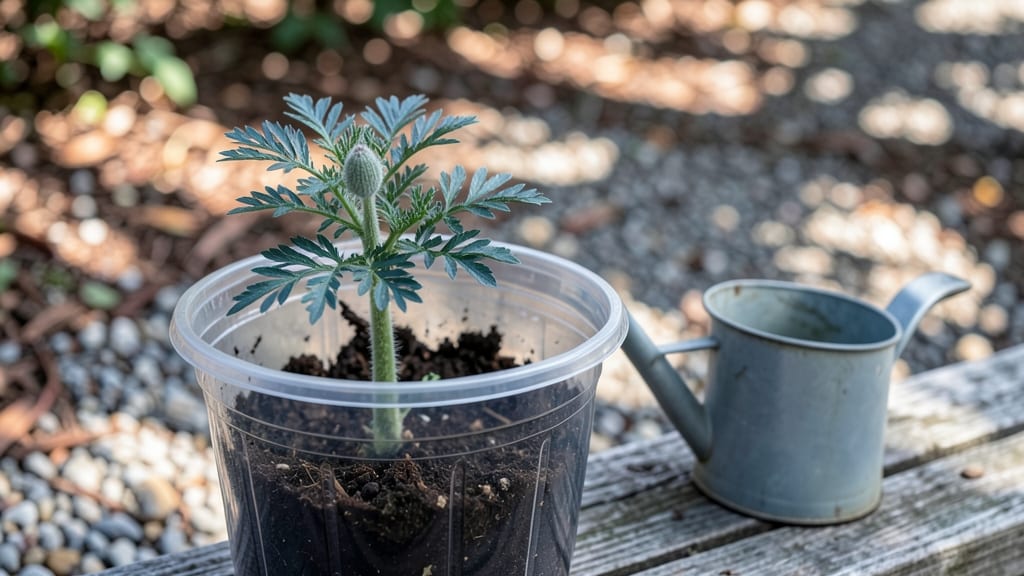
Fast-germinating wildflower seedlings bring the Pacific Northwest’s meadows to your garden in just 10-14 days—no more waiting months for blooms. 🌱 The secret lies in choosing the right varieties like larkspur, sweet alyssum, or blue flax, which thrive in our cool, damp climate while outpacing weeds.
I’ve learned the hard way that patience pays off: skipping soil prep or rushing the sowing leads to sparse, leggy seedlings that struggle to compete with grass.
You’ll need well-draining soil, a sunny patch (even partial shade works for shade-tolerant types), and a gentle watering can—no fancy tools required. The key is keeping seeds moist but not soggy; a light misting twice daily mimics spring showers.
For best results, sow in early spring or late summer when temperatures hover between 50-70°F, avoiding our infamous summer heatwaves that can dry out tender sprouts.
What you’ll end up with is a vibrant, low-maintenance meadow that hums with pollinators and blooms reliably year after year. The first flush of color appears in 6-8 weeks, and once established, these tough plants need almost no care—just occasional deadheading to encourage more flowers.
Even my black thumb can’t kill these once they’re up.
Here’s where it gets interesting—wildflowers thrive in containers, raised beds, or directly in the ground, making them perfect for urban gardens, slopes, or wild corners of your yard.
The real magic happens when you let them self-seed; soon, you’ll have a self-sustaining ecosystem that requires less work and more beauty each season.
📚 In This Guide
- What you need
- Instructions
- Tips and common mistakes
- Wrapping up and next steps
What you need
- ● Wildflower seeds: Choose fast-germinating varieties like Lupine, Yarrow, or California Poppy (1–2 lbs per 1,000 sq ft). Opt for native PNW blends for best results.
- ● Seed-starting mix: A lightweight, well-draining blend (10–15 lbs). Avoid garden soil—it’s too dense for seedlings!
- ● Containers or trays: Cell packs or biodegradable pots (72–200 cells) for indoor starts.
- ● Seedling flats (10"x20" or larger) for direct sowing.
- ● Watering can or spray bottle: A gentle misting tool to keep seeds moist without disturbing them.
- ● Grow lights or sunny windowsill: If starting indoors, provide 12–16 hours of light daily (LED grow lights work great).
- ○ Plastic wrap or humidity dome: To retain moisture while seeds germinate (optional but helpful).
- ● Garden gloves: Protect your hands from prickly seeds and soil.
- ● Small hand trowel or spoon: For gently pressing seeds into soil (avoid burying too deep—most wildflower seeds need light to germinate!).
- ● Label markers & tags: To track seed varieties (especially useful for mixes!).
- ● Outdoor space: A prepared garden bed or container with well-draining soil (amend with compost if needed).
- ● Patience & a sunny spot: Wildflowers thrive in full sun (6+ hours/day)—choose a location wisely!
- ● Seedling heat mat: Speeds up germination in cooler PNW springs (set to 70–75°F).
- ● Organic fertilizer (low-nitrogen): Like fish emulsion or compost tea (dilute to half-strength for seedlings).
- ● Mulch (straw or shredded leaves): After transplanting, to retain moisture and suppress weeds.
- ● Bird netting: Protects newly sprouted seedlings from hungry birds!
Step-by-Step guide for growing fast-germinating wildflower seedlings
Here’s how to jumpstart your Pacific Northwest meadow with speedy, reliable blooms.
🌱 Step 1: Prepare the Seedbed for Optimal Germination
Choose a site with partial shade to full sun, depending on your wildflower mix. The Pacific Northwest’s mild climate lets you sow directly outdoors in early spring or fall—just avoid frost. Clear debris and loosen the top 2 inches of soil with a rake to create a fine, crumbly texture. This ensures seeds make contact with moisture without smothering.
Wildflower seeds vary in size, but most need only ¼ to ½ inch of soil coverage. For tiny seeds like larkspur or bluebells, barely press them into the surface. Larger seeds, like poppies, can go slightly deeper. I like to sprinkle a thin layer of compost over the area—it adds nutrients without compacting the soil.
💧 Step 2: Water Gently and Maintain Even Moisture
Water the seedbed thoroughly right after sowing, then keep the soil consistently moist until germination. A light misting with a spray bottle works best—overhead watering can wash seeds away. The key is damp, not soggy soil. You’ll know it’s right when the surface looks dark and slightly shiny, not glistening.
In the Pacific Northwest’s damp climate, you might not need to water daily. Check the soil daily for the first week—if the top ½ inch feels dry, give it a gentle drink. Once seedlings emerge, reduce watering slightly to prevent fungal issues. Real talk: Overwatering is the fastest way to lose a batch of wildflower seedlings.
☀️ Step 3: Monitor Light and Protect Young Sprouts
Wildflowers like bright, indirect light during germination, especially in hot afternoons. If your site gets intense afternoon sun, provide temporary shade with a lightweight fabric or mesh until seedlings are 1-2 inches tall. This protects them from drying out while still letting light through.
Watch for leggy seedlings—a sign they’re stretching for light. If this happens, thin them to 6-12 inches apart (depending on the variety) and move the container to a brighter spot. Some fast-germinating wildflowers, like sweet alyssum, will pop up in just 5-7 days. Others, like columbine, may take 2-3 weeks—patience is key.
✂️ Step 4: Thin and Transplant for Stronger Growth
Once seedlings have 2-3 true leaves, thin them to the recommended spacing for your varieties. Use scissors to snip unwanted seedlings at soil level—this prevents disturbing roots of the ones you keep. For most wildflowers, 6-12 inches apart gives them room to thrive without competing.
If you’ve sown in a container or small area, transplant seedlings to their final spot once they’re 3-4 inches tall. Dig a hole slightly larger than the root ball, place the seedling in, and firm the soil gently around it. Water deeply to settle everything in. This step ensures your wildflowers establish strong roots before summer heat arrives.
Tips & tricks for perfect wildflower seedling growth
Here's what nobody tells you about getting those speedy Pacific Northwest blooms to thrive from day one.
Soil Texture is Everything: After loosening the top 2 inches of soil as directed in Step 1, run your fingers through it—it should feel like crumbly cake batter, not sandy or compacted. Add a thin layer of compost if your soil feels too dense, but avoid heavy amendments that could smother tiny seeds. I've found that pre-moistening the soil before sowing helps seeds make immediate contact with water, which is especially helpful during our region's unpredictable spring showers.
Timing Secret: The 5-7 day germination window for fast varieties like sweet alyssum is your best friend—mark your calendar when you sow so you can track progress accurately. If you don't see sprouts within 10 days, gently water again and check for mold or pest activity. I keep a small notebook by my seedbeds to record when I sowed each variety, which helps me remember which ones need extra patience (like columbine's 2-3 week wait).
Light Management: When providing temporary shade in Step 3, use materials that allow at least 60% light transmission—heavy fabrics can create a greenhouse effect that actually harms seedlings. I've had success with lightweight garden fabric or even a sheer cotton sheet draped loosely over a frame. The goal is to diffuse that intense afternoon sun while still letting light through for photosynthesis. Remove shade completely once seedlings reach 1-2 inches tall, as they'll need full sun to develop strong stems.
Pro Tips for Wild Flower Seedling
- Here's what nobody tells you about getting those speedy Pacific Northwest blooms to thrive from day one.
- Soil Texture is Everything: After loosening the top 2 inches of soil as directed in Step 1, run your fingers through it—it should feel like crumbly cake batter, not sandy or compacted.
- Timing Secret: The 5-7 day germination window for fast varieties like sweet alyssum is your best friend—mark your calendar when you sow so you can track progress accurately.
Frequently asked questions
Got questions about growing wildflower seedlings?
You’re not alone! Here are answers to the most common queries to help you get started with confidence—especially for our Pacific Northwest climate.
What are the fastest germinating wildflower varieties for the PNW?
Look for annuals like lupine, California poppy, and sweet pea—they sprout in 7–14 days with consistent moisture. Perennials like yarrow or blanket flower may take 2–4 weeks but thrive long-term. Always check seed packets for regional notes!
When is the best time to plant wildflower seedlings in the PNW?
For spring blooms, sow seeds in early spring (March–April) after the last frost. For fall/winter interest, plant in late summer (August–September) to let seeds stratify naturally. Avoid planting in peak summer heat—seeds dry out fast!
How often should I water wildflower seedlings?
Keep soil consistently moist (not soggy!) for the first 2–3 weeks—water daily if rain is scarce. Once sprouted, reduce to 2–3 times per week (deep watering). Mulch lightly with straw to retain moisture and deter weeds.
Can I grow wildflowers from seedlings instead of seeds?
Yes! Buy nurse-grown seedlings from local nurseries (e.g., PNW natives like columbine or penstemon) for a head start. Just ensure they’re hardened off (acclimated to outdoor temps) before transplanting. Seedlings may cost more but skip the germination wait!
Why aren’t my wildflower seedlings sprouting? Troubleshooting tips.
Too dry?
Seeds need moisture to activate—try a spray bottle for gentle hydration.
Too cold?
PNW springs can be chilly; use a seedling heat mat if temps dip below 50°F (10°C).
Old seeds?
Wildflower seeds lose viability after 1–2 years—check the packet date.
Light issues?
Some seeds (like lupine) need light to germinate—don’t bury them!
Still stuck? Try scarifying seeds (lightly nicking the shell) or stratifying them in the fridge for 4–6 weeks to mimic winter.
Wrapping up and next steps
Growing wildflower seedlings in the Pacific Northwest is a rewarding way to bring vibrant color and life to your garden while supporting local ecosystems. Fast-germinating varieties like Lupinus and Eschscholzia make the process easier and more enjoyable, ensuring quick results and lasting beauty. 🌸
Ready to take the next step? Start small—pick a sunny spot, gather your seeds, and let nature do the rest. Before you know it, your garden will be buzzing with pollinators and bursting with wild charm! Happy planting!