Flowers
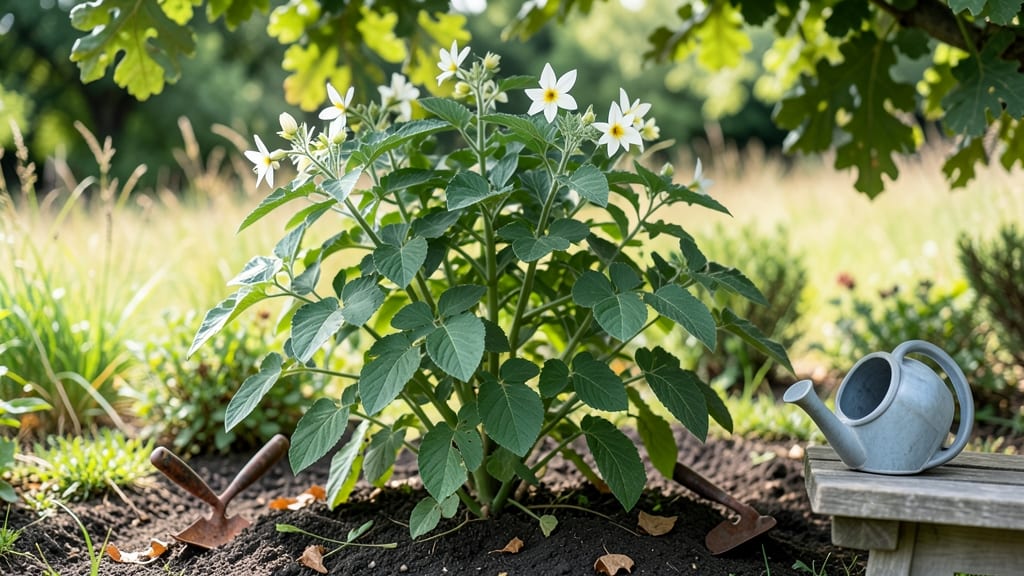
Yukon Gold potato flowers are the unexpected bonus of growing this beloved variety—delicate, edible blooms that transform your garden into both a kitchen and a bouquet. 🌸 I’ve grown Yukon Golds for years, and while I love the buttery tubers, those star-shaped flowers add a surprising twist: they’re not just pretty, they’re perfectly safe to eat, with a mild, slightly sweet flavor that pairs beautifully with salads or garnishes.
The key to getting those blooms starts with planting: choose seed potatoes in early spring, about 2-3 weeks before your last frost, when soil temperatures hit 40-50°F. Plant them 4-5 inches deep and 12 inches apart, and watch for those first shoots—then comes the real work.
Yukon Golds thrive in full sun (6+ hours daily) and well-draining soil rich in organic matter, but here’s the secret to more flowers: stop fertilizing with high-nitrogen feeds once vines start flowering. Too much nitrogen sends energy to tubers, not blooms.
By midsummer, you’ll see clusters of white or pale purple flowers emerging from the leafy mounds—each one a potential edible treat. Harvest the blooms in the morning when they’re freshest, and use them within 24 hours for the best flavor.
The trade-off? Flowers don’t hurt tuber production, but heavy blooming can slightly reduce yield, so balance is key. For best results, pinch off early blooms to encourage more robust growth later in the season.
This method works best in cool-season climates (Zones 3-8), where Yukon Golds naturally produce flowers without stress. If you’re in a hotter zone, focus on shade cloth and consistent moisture to keep plants happy and flowering.
Whether you’re growing for tubers, blooms, or both, the payoff is a garden that’s as useful as it is beautiful.
📚 In This Guide
- What you need
- Instructions
- Tips and common mistakes
- Wrapping up and next steps
What you need
- ● Yukon Gold potato tubers: 3–5 medium-sized, organic tubers (ensure they’re disease-free and untreated).
- ● Potting soil: 10–12 quarts of well-draining, nutrient-rich soil (mix in perlite or sand for aeration).
- ● Containers or garden bed: For containers: 5-gallon pots (1 per tuber) with drainage holes, or
- ● For garden beds: A sunny spot with loose, fertile soil (6+ hours of sunlight daily).
- ● Watering can or hose: With a gentle spray nozzle for even moisture.
- ○ Fertilizer (optional but recommended): Balanced organic fertilizer (10-10-10 ratio) or compost tea.
- ● Pruning shears: For trimming foliage or harvesting flowers.
- ○ Gloves (optional): To protect hands from soil or prickly stems.
- ● Sunlight access: A south-facing window, greenhouse, or outdoor space.
- ● Patience: Flowers typically bloom 8–12 weeks after planting!
- ● Eggshells or crushed chalk: To deter pests naturally.
- ● Copper tape: For hanging flower arrangements (if harvesting blooms).
- ● Food-safe spray (like diluted apple cider vinegar): To keep bugs away.
How to grow Yukon Gold potato flowers for edible blooms
Here’s how to coax those stunning, edible purple blooms from your Yukon Gold potatoes—it’s easier than you think.
🌱 Step 1: Plant Yukon Gold Potato Seed Pieces Early
Start with certified disease-free Yukon Gold seed potatoes—never use grocery store spuds, which are treated to prevent sprouting. Cut a potato into 2-inch chunks, ensuring each piece has at least one or two eyes (the little dimples where sprouts emerge). Let the cut pieces sit in a cool, dark place for 3-5 days to callus over, which prevents rot.
Plant the pieces 4 inches deep in loose, well-draining soil enriched with compost. Space them 12 inches apart in rows 3 feet apart to allow for air circulation—crowding invites blight. Water gently after planting to settle the soil, but avoid soaking it. You’ll know the timing is right when the soil feels moist but not soggy to the touch.
☀️ Step 2: Provide Full Sun and Consistent Moisture
Yukon Gold potatoes thrive in full sun (6-8 hours daily) and rich, slightly acidic soil (pH 5.0-6.5). If your garden gets afternoon shade, choose a sunnier spot—they’ll bolt (flower prematurely) if stressed. Mulch with straw or shredded leaves after sprouts reach 6 inches tall to retain moisture and suppress weeds.
Water deeply once a week, aiming for 1-1.5 inches of water total. Let the soil dry slightly between waterings—dry top inch is your cue. Overwatering causes rot, while underwatering leads to small, misshapen tubers. If blooms appear too early, reduce water slightly to encourage tuber development.
✂️ Step 3: Encourage Flowering and Prevent Overgrowth
When plants reach 18-24 inches tall, you’ll see purple or white blossoms emerge. These are your edible flowers! To maximize blooms, pinch back the first flowers that appear—this redirects energy to later, more abundant blooms. Use clean, sharp scissors to snip off the first few buds, leaving the rest to develop.
Support vines with cages or stakes if they sprawl—Yukon Golds can get 3-4 feet long. Prune any yellow or diseased leaves immediately to prevent spread. Harvest flowers in the morning after dew dries for peak flavor and color. Use them fresh in salads, garnishes, or infusions within 24 hours for best results.
🪴 Step 4: Harvest Tubers and Save Seed Potatoes
When foliage yellows and dies back (about 90-120 days after planting), it’s time to dig. Use a fork to loosen soil gently around the base of the plant, then lift tubers carefully—handle them like eggs to avoid bruising. Cure them in a dark, 50-60°F space for 1-2 weeks to toughen skins and improve storage life.
Save the largest, healthiest tubers as seed potatoes for next year. Store them in a cool, humid place (40-50°F) with good airflow. Avoid refrigeration—they’ll turn sweet and mealy. Label them clearly so you don’t accidentally eat them!
Tips & tricks for perfect Yukon Gold potato flowers
Here's what nobody tells you about growing these stunning edible blooms—tricks that'll make all the difference between a few sad flowers and a bountiful harvest.
Seed Potato Selection: Certified disease-free Yukon Gold seed potatoes are non-negotiable for healthy blooms. I've learned the hard way—using grocery store potatoes (even organic ones) often leads to blight because they're treated to prevent sprouting. Look for tubers with firm skin and minimal blemishes, as these will produce the most vigorous plants. The 3-5 day callusing period before planting is crucial—it prevents rot when you cut them, so don't skip it!
Soil Preparation Strategy: The rich, slightly acidic soil (pH 5.0-6.5) mentioned in Step 2 isn't just about pH—it's about texture too. Amend your soil with compost until it's loose and crumbly like cake batter. I mix in about 3 inches of compost into the top 6 inches of soil before planting. This creates ideal drainage while holding moisture perfectly. For containers, use a mix of potting soil and compost (50/50 ratio) for best results.
Watering Wisdom: That 1-1.5 inches of water weekly guideline is perfect, but timing matters just as much. Water in the morning so foliage has all day to dry—this prevents fungal issues. I use a rain gauge to track exactly 1.5 inches, but if you don't have one, a simple tuna can works: place it in your garden and fill it with water to the 1.5-inch mark each week. The "dry top inch" test is your best friend—stick your finger in and feel for that dryness before watering again.
Flower Harvesting Technique: Harvesting those delicate purple blooms in the morning after dew dries is non-negotiable for flavor and presentation. I've found that using clean, sharp floral scissors (not kitchen scissors) gives the cleanest cuts without damaging stems. For culinary use, harvest when buds are just about to open—they'll stay fresh in the fridge for up to 24 hours if you store them in a paper towel-lined container with a plastic bag loosely draped over the top. This keeps them crisp while allowing airflow.
Pro Tips for Yukon Gold Potato Flowers
- Here's what nobody tells you about growing these stunning edible blooms—tricks that'll make all the difference between a few sad flowers and a bountiful harvest.
- Seed Potato Selection: Certified disease-free Yukon Gold seed potatoes are non-negotiable for healthy blooms.
- Soil Preparation Strategy: The rich, slightly acidic soil (pH 5.0-6.5) mentioned in Step 2 isn't just about pH—it's about texture too.
Frequently asked questions
Got questions about growing and using Yukon Gold potato flowers?
Here are some of the most common ones—plus straightforward answers to help you make the most of these edible blooms!
Can you eat Yukon Gold potato flowers?
Yes! Yukon Gold potato flowers are edible and add a mild, earthy flavor with a hint of sweetness. They’re perfect for garnishing dishes, salads, or even infusing oils and vinegars. Just ensure they’re pesticide-free and thoroughly washed before eating.
When do Yukon Gold potato flowers bloom?
Yukon Gold potato flowers typically bloom mid-to-late summer, about 60–90 days after planting. Warm, sunny days encourage faster blooming. If your potatoes are struggling, ensure they’re in well-draining soil with consistent moisture.
What can I do if my Yukon Gold potatoes aren’t flowering?
No flowers? Check these fixes:
- Sunlight: Potatoes need 6–8 hours of sun daily.
- Water: Keep soil moist but not soggy.
- Fertilizer: Use a balanced, low-nitrogen fertilizer to encourage blooming.
- Pests: Inspect for bugs or diseases.
Are Yukon Gold potato flowers safe for pets?
Nope! While safe for humans, Yukon Gold potato flowers (and the plant itself) can be toxic to pets, especially dogs and cats. Keep them out of reach if you have furry friends at home.
What’s a good substitute if I can’t grow Yukon Gold potato flowers?
If you’re craving edible blooms but lack Yukon Golds, try these alternatives:
- Nasturtiums (peppery, vibrant)
- Calendula (mild, citrusy)
- Violas (delicate, sweet)
- Borage (cucumber-like flavor)
Wrapping up and next steps
From whimsical garnishes to bold flavor enhancers, Yukon Gold potato flowers bring a touch of magic to your dishes—and your garden! 🌸 Whether you’re a seasoned chef or a curious home gardener, these edible blooms prove that beauty and taste can grow right on your plate.
Ready to elevate your cooking?
Your next step? Plant a few potato starts this season and watch (and taste!) the difference. Happy growing—and even happier eating! 🌱🍽️