
Flowers
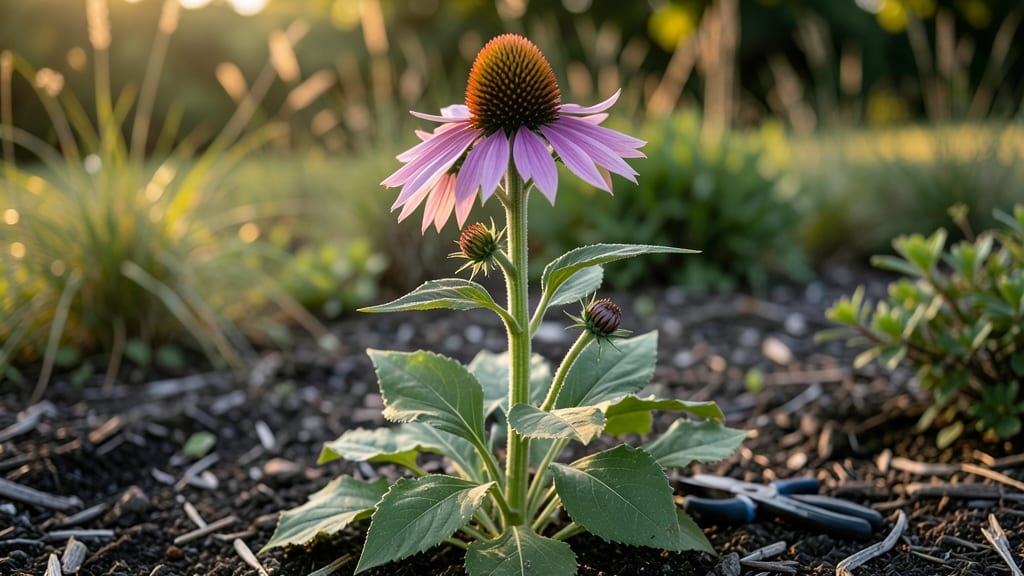
The first frost in Zone 5B doesn’t have to mean the end of your garden’s glory days—some flowers not only survive but thrive through our chilly winters.
I’ve learned which varieties push through snow and still burst into color, like coneflowers that stand tall after winter’s bite or pansies that laugh at frost. These aren’t just survivors; they’re showstoppers that turn your yard into a four-season spectacle.
My go-to picks include daylilies (they bounce back from frost like nothing happened), Russian sage (drought-tolerant and cold-resistant), and bleeding heart (which actually prefers cooler weather). Planting them at the right time—early spring or late summer—gives roots time to establish before winter sets in.
Most of these beauties bloom for months, with some even putting on a second show in fall.
What you’ll love most is how little fuss they demand. Once established, these flowers handle our Zone 5B swings with ease—no coddling required. Mulch in late fall to protect roots, and you’ll wake up to gardens that look like they’ve been professionally staged, not just left to fend for themselves.
The payoff? A yard that stays vibrant when neighbors’ gardens go dormant.
Whether you’re designing a full sun border or filling gaps in shady spots, these varieties adapt effortlessly. The key is matching plants to microclimates in your yard—south-facing beds stay warmer, while north sides stay cooler. Start with just a few toughies, and you’ll wonder why you ever planted anything else.
📚 In This Guide
- What you need
- Instructions
- Tips and common mistakes
- Wrapping up and next steps
What you need
- ● Zone 5B-hardy flower seeds or plants: Choose from perennials like coneflowers, black-eyed Susans, or daylilies (10–20 plants, depending on desired coverage). For annuals, try sweet peas or marigolds (20–50 seeds or seedlings).
- ● Well-draining potting mix or garden soil: 5–10 bags (2–3 cubic feet each) for containers or in-ground planting. Amend with compost (1–2 bags) for nutrient-rich soil.
- ● Organic fertilizer: A balanced 10-10-10 or slow-release formula (e.g., fish emulsion or bone meal) to kickstart growth.
- ● Mulch: 2–3 bags of shredded bark or straw to retain moisture and regulate temperature.
- ● Garden trowel or hand shovel (for transplanting seedlings).
- ● Pruning shears (sharp, for deadheading and shaping).
- ○ Watering can or hose with a gentle spray nozzle (drip irrigation is optional but ideal for consistency).
- ● Gloves (to protect your hands from thorns or soil).
- ● Measuring tape or ruler (to space plants 12–24 inches apart, depending on variety).
- ● Soil pH test kit (to ensure your garden soil is in the ideal range of 6.0–7.0 for most flowers).
- ● Plant supports (stakes or cages for tall varieties like hollyhocks).
- ● Decorative stones or edging (to define garden beds and deter weeds).
- ● Rain gauge (to monitor watering needs—Zone 5B can be dry in summer!).
Instructions for establishing a low-maintenance Zone 5B flower garden
Here's how to create a resilient perennial flower bed that survives harsh winters and blooms reliably.
Select and Prepare the Planting Site
Choose a location with at least 6 hours of sunlight daily—most Zone 5B perennials need full sun for best flowering. Avoid low spots where cold air settles, as these areas stay colder longer. I always test soil drainage by digging a 12-inch deep hole and filling it with water; if it drains in under 4 hours, the site is safe for most flowers.
Clear existing vegetation and loosen the soil to a depth of 12 inches using a garden fork. This prevents root competition and improves water penetration. Amend heavy clay soil with 3 inches of compost—this single step makes all the difference in winter hardiness. Work the compost into the top 6 inches of soil only; deeper incorporation can bury beneficial microbes.
Choose Hardy Perennial Varieties
For Zone 5B, focus on proven performers like coneflower (Echinacea purpurea), black-eyed Susan (Rudbeckia fulgida), and Russian sage (Perovskia atriplicifolia)—all tolerate -20°F winters with ease. I always plant in odd-numbered groupings (3, 5, or 7 plants) for natural-looking drifts that fill in beautifully over time.
Space plants according to their mature size: 18-24 inches apart for most perennials, but allow 3 feet between larger varieties like peony (Paeonia lactiflora). Dig holes twice as wide as the root ball but only as deep—planting too deep suffocates roots. Gently tease apart crowded roots before placing in the hole to encourage outward growth.
Mulch and Water for Winter Survival
After planting, water deeply to settle the soil around roots—this eliminates air pockets that can dry out plants. Apply 3-4 inches of organic mulch (like shredded bark) over the root zone, keeping it 2 inches away from stems to prevent rot. Mulch insulates roots during winter and retains moisture during summer droughts.
Water newly planted perennials once weekly for the first month, then taper to every 10-14 days as roots establish. You'll know watering is adequate when the soil 1-2 inches deep stays consistently moist but not soggy. Avoid overhead watering after planting—it spreads soil-borne diseases. Instead, use a soaker hose at the base of plants.
Prune and Fertilize for Long-Term Health
In early spring, cut back dead foliage to 2-3 inches above ground level—this removes overwintering pests and encourages fresh growth. I never prune before the first signs of new shoots, as late frosts can still occur in Zone 5B. Apply a balanced 10-10-10 fertilizer at ½ the recommended rate in early spring to avoid burning tender new growth.
Deadhead spent blooms regularly throughout the season to prolong flowering and prevent seed formation. For perennials like coneflower, I leave some seed heads for winter interest and bird habitat. Divide crowded clumps every 3-4 years in early spring or fall—this rejuvenates plants and prevents disease buildup in the center.
Tips & tricks for perfect Zone 5B flower gardens
Real talk: The difference between a garden that thrives through Zone 5B winters and one that struggles often comes down to these small but critical details.
Sunlight Secret: That 6-hour minimum isn't just a suggestion—it's non-negotiable for most perennials. I've seen gardens fail in spots that get only 5 hours of sun, especially with varieties like Russian sage. If your space gets partial shade, choose shade-tolerant alternatives like heuchera or coral bells, but be prepared for reduced flowering. Use a sun calculator app to map your garden's light patterns throughout the day.
Soil Prep Game-Changer: When loosening that 12-inch depth, don't just poke around—actually turn the soil with your garden fork. This breaks up compaction that prevents root growth. For clay-heavy soils, work that 3 inches of compost into the top 6 inches only. I learned this the hard way after burying compost too deep and watching beneficial microbes suffocate.
Winter Survival Hack: That 3-4 inches of mulch is your best friend for winter protection, but placement matters. Keep it 2 inches away from stems to prevent rot while still insulating roots. For extra protection in harsh winters, top with a layer of evergreen boughs—this creates a microclimate that can raise soil temperatures by 5-10 degrees.
Watering Wisdom: The once-weekly schedule works best when your soil drains properly. I test moisture by sticking my finger 1-2 inches deep—if it feels dry, water. For clay soils, you might need to water more frequently. The key is consistency: Let the top inch dry out between waterings to prevent fungal diseases while keeping roots hydrated.
Pro Tips for Zone 5b Flowers
- Real talk: The difference between a garden that thrives through Zone 5B winters and one that struggles often comes down to these small but critical details.
- Sunlight Secret: That 6-hour minimum isn't just a suggestion—it's non-negotiable for most perennials.
- Soil Prep Game-Changer: When loosening that 12-inch depth, don't just poke around—actually turn the soil with your garden fork.
Frequently asked questions
Got questions about growing Zone 5B flowers? You’re not alone! Here are some of the most common concerns—and their answers—to help you cultivate a stunning, low-maintenance garden that survives even the coldest winters.
What are the best low-maintenance Zone 5B flowers?
If you’re short on time but want year-round color, opt for hardy perennials like coneflowers (Echinacea), black-eyed Susans (Rudbeckia), and daylilies (Hemerocallis). These thrive in Zone 5B with minimal fuss—just water occasionally and deadhead spent blooms! Pro tip: Native varieties (e.g., bee balm) attract pollinators while requiring zero extra care.
When is the ideal planting time for Zone 5B flowers?
Plant perennials in early spring (after the last frost, ~April–May) or fall (6–8 weeks before the first hard freeze, ~September–October). Bulbs like tulips or daffodils should go in fall for spring blooms. Annuals? Wait until late spring (after soil warms, ~May–June) to avoid frost damage.
How do I protect Zone 5B flowers from winter damage?
Most Zone 5B perennials are cold-hardy, but a 3–4 inch mulch layer (straw or shredded leaves) insulates roots. For tender perennials (like lavender), mound soil or use burlap wraps. Evergreens? Water deeply before freezing temps hit to prevent desiccation. Pro tip: Avoid heavy mulch on spring-bloomers (e.g., crocuses)—remove it in early winter.
Can I grow Zone 6 or 7 flowers in Zone 5B?
Some Zone 6/7 flowers (like peonies or hostas) can thrive in Zone 5B, but they may need winter protection (mulch, microclimates, or containers moved indoors). Research the specific variety’s hardiness—for example, ‘Sarah Bernhardt’ peonies are Zone 3–8! Watch for: bud damage in harsh winters; prune back dead growth in spring.
Why aren’t my Zone 5B flowers blooming?
Common culprits: over-fertilizing (promotes foliage, not flowers), poor sunlight (most perennials need 6+ hours/day), or stress (drought, pests, or transplant shock). Fix it: Cut back on fertilizer, ensure full sun, and water deeply 1–2x/week. Deadheading spent blooms (except seed-head lovers like coneflowers) encourages reblooming!
Still stumped? Drop your Zone 5B flower questions in the comments—we’re happy to help troubleshoot!
Wrapping up and next steps
Choosing Zone 5B flowers means embracing beauty that’s built to last—resilient, vibrant, and perfect for your climate! From hardy perennials to stunning shrubs, these varieties bring color and life to your garden year after year with minimal fuss.
Whether you’re a seasoned gardener or just starting, these plants are your ticket to a low-maintenance, high-reward landscape.
Ready to transform your outdoor space? Start small—pick one or two favorites, test them out, and watch your garden thrive! 🌸 For even more inspiration, explore seasonal planting guides or connect with local gardening groups to swap tips and trade cuttings. Happy planting!