
Flowers
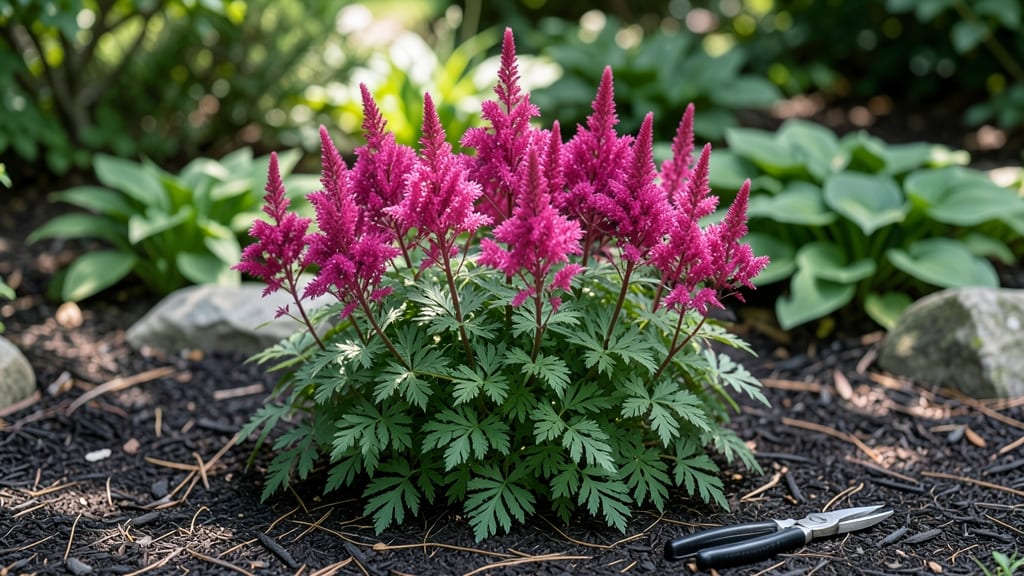
Astilbe perennial flowers turn your Pacific Northwest garden into a plumage-filled dream—feathery plumes in pink, white, and red that dance in the breeze. 🌿 I’ve grown them for years, and they’ve never failed me, even through our damp winters.
The secret? They’re low-maintenance powerhouses that reward you with weeks of blooms without fuss.
These plants love moist, well-draining soil and partial shade, making them perfect for shady spots where other flowers struggle. Once established, they thrive with minimal pruning—just a quick cleanup in early spring—and they multiply over time, giving you more blooms for free.
Varieties like ‘Fanal’ or ‘Regina’ add height and texture to borders or containers.
By mid-summer, you’ll have lush, cloud-like blooms that attract butterflies and hummingbirds, while their deep green foliage stays vibrant all season. The best part? They’re disease-resistant and deer-resistant, so you won’t waste time fighting pests or wilting leaves. With the right care, they’ll come back bigger and better every year.
Whether you’re filling a shady corner or adding height to a mixed border, astilbes are the foolproof perennial for Pacific Northwest gardens. Let’s get yours thriving with these simple steps—no green thumb required!
📚 In This Guide
- What you need
- Instructions
- Tips and common mistakes
- Wrapping up and next steps
What you need
- ● Astilbe plants: Choose from nursery-bought Astilbe varieties (e.g., ‘Fanal,’ ‘Deutschland,’ or ‘Vision in Pink’). Buy 3–5 plants for a full, lush look.
- ● High-quality potting soil or garden soil: 5–10 gallons, amended with 2–3 inches of compost for moisture retention.
- ● Organic mulch: 2–3 inches of shredded bark, wood chips, or straw to retain moisture and suppress weeds.
- ● Slow-release fertilizer: 10–20-10 NPK ratio, 1–2 pounds per 100 sq ft of planting area.
- ● Watering can or hose with a gentle spray nozzle: Astilbes love 1–2 inches of water weekly (more in summer!).
- ● Garden trowel or hand shovel: For digging holes 12–18 inches apart (spacing depends on variety).
- ○ Pruning shears: For light trimming after flowering (optional but recommended).
- ● Gloves: To protect your hands from thorns (some varieties have them!).
- ● Measuring tape or ruler: To ensure proper spacing for airflow.
- ● Garden kneeler or pad: For comfort while planting (highly recommended!).
- ● Epsom salt: 1 tablespoon per plant monthly for magnesium boosts (great for feathery foliage!).
- ● Peat moss or coconut coir: Mix 1 part into soil for extra moisture retention in PNW’s damp climate.
- ● Stakes or supports: If your astilbes grow tall (e.g., ‘Deutschland’), lightweight stakes can prevent flopping.
- ● Drip irrigation system: For automated watering in hot, dry spells.
How to establish astilbe perennials for long-lasting Pacific Northwest beauty
Here's the straightforward approach I've used for years to grow lush astilbe that thrives with minimal fuss.
🌱 Step 1: Choose the Right Location and Soil Conditions
Astilbe loves the Pacific Northwest's cool, moist climate but needs proper placement. Select a site with partial to full shade—morning sun with afternoon shade works best in hotter microclimates. Avoid deep shade where stems grow weak and floppy.
Amend your native soil with 2-3 inches of compost to improve drainage and fertility. Astilbe roots prefer moist but not soggy conditions. If your soil drains poorly, mix in sand or perlite to create air pockets. The ideal soil pH is 6.0-6.5, which most Pacific Northwest soils naturally provide.
🪴 Step 2: Plant at the Correct Depth and Spacing
Dig holes twice as wide as the root ball but only as deep as the container's base. This prevents crown rot from buried stems. Space plants 18-24 inches apart—closer spacing leads to crowded foliage and poor air circulation, inviting fungal diseases.
Remove the plant from its container and gently loosen the roots if they're circling. Place it in the hole so the top of the root ball sits just below soil level. Backfill with native soil mixed with compost, pressing lightly to eliminate air pockets. Water deeply to settle the soil around roots.
☀️ Step 3: Provide Consistent Moisture Without Overwatering
Astilbe thrives on consistent moisture but hates soggy roots. Water 1-2 inches per week during establishment, keeping the soil evenly damp but not waterlogged. The top inch of soil should feel moist to the touch between waterings—let it dry slightly at the surface to prevent fungal issues.
Mulch with 2-3 inches of shredded bark or wood chips to retain moisture and regulate soil temperature. Refresh the mulch annually as it breaks down. In the Pacific Northwest's rainy seasons, reduce watering slightly—astilbe can handle more moisture than most perennials, but standing water will kill it.
✂️ Step 4: Minimal Pruning for Healthy Regrowth
The beauty of astilbe is its self-cleaning habit—dead stems naturally break away in winter. In early spring, simply snip off any remaining dead foliage at the base with clean pruners. Avoid heavy pruning—this perennial thrives with minimal intervention.
If you notice overly leggy stems by midsummer, you can cut back by one-third to encourage bushier growth. This is purely cosmetic—astilbe flowers reliably even without pruning. The key is to never prune into old wood—always cut just above a healthy bud or leaf node.
⏰ Step 5: Fertilize Strategically for Vibrant Blooms
Feed astilbe in early spring with a balanced 10-10-10 fertilizer applied at ½ the recommended rate. This light feeding encourages strong foliage without excessive leaf growth at the expense of flowers. Pacific Northwest soils often provide enough nutrients, so avoid heavy fertilization.
In late summer after blooming, apply a low-nitrogen, high-phosphorus fertilizer (like 5-10-10) to support next year's flower buds. Water thoroughly after applying to prevent root burn. Avoid fertilizing in fall—this stimulates tender new growth that won't survive winter.
Tips & tricks for perfect astilbe perennial establishment
Here's what nobody tells you—these little details make all the difference between average and show-stopping astilbe.
Location Insight: In Step 1, when choosing your shade spot, pay attention to the seasonal sun path. What looks like afternoon shade in summer might become morning sun in winter. I've seen astilbe struggle in spots that seem perfect on paper but fail when seasons shift. Use a sun tracker app for a week to map your garden's light patterns before planting.
Root Ball Technique: Step 2's root loosening is often overlooked, but it's critical. I learned this the hard way after planting several astilbe with circling roots—those plants took twice as long to establish. Gently tease apart any root-bound clusters with your fingers. If roots are extremely tight, make a few shallow cuts along the root ball's edge with a clean knife to encourage outward growth.
Watering Wisdom: The 1-2 inches per week in Step 3 is a guideline, but timing matters just as much. Water in the early morning so foliage has all day to dry, reducing fungal risks. I've noticed astilbe planted in containers dry out faster—these need daily checks during hot spells. A moisture meter is worth its weight in gold for container-grown astilbe.
Pruning Precision: When you see leggy stems in Step 4, don't cut back more than one-third unless you're aiming for a specific shape. I once over-pruned a beloved astilbe collection and was shocked when they produced only sparse blooms the following season. Always leave some foliage—it's the plant's energy factory for next year's flowers. Use sharp pruners and disinfect them with rubbing alcohol between cuts to prevent disease spread.
Pro Tips for Astilbe Perennial Flower
- Here's what nobody tells you—these little details make all the difference between average and show-stopping astilbe.
- Location Insight: In Step 1, when choosing your shade spot, pay attention to the seasonal sun path.
- Root Ball Technique: Step 2's root loosening is often overlooked, but it's critical.
Frequently asked questions
Got questions about growing and caring for astilbe perennial flowers?
You’re not alone! Here are some of the most common queries from gardeners—especially those in the Pacific Northwest—along with quick, practical answers to help you grow lush, thriving astilbes with ease.
How often should I prune my astilbe?
Astilbes are low-maintenance, but a light pruning in early spring (before new growth appears) keeps them tidy and encourages fuller blooms. Simply trim back the faded foliage to about 2–3 inches above the ground. Pro tip: Avoid cutting into the crown (the base of the plant), as this can harm the roots.
When is the best time to plant astilbe in the Pacific Northwest?
The ideal time to plant astilbe is in early spring (March–April) or fall (September–October). This gives the roots time to establish before extreme summer heat or winter frosts. In the PNW’s mild, wet climate, fall planting is especially great—just ensure the soil isn’t waterlogged.
Do astilbes need a lot of water?
Yes! Astilbes love consistently moist soil but hate soggy roots. Water deeply 1–2 times per week, especially during dry spells, and mulch around the base to retain moisture. In the PNW’s rainy climate, they’ll thrive with natural rainfall, but container-grown astilbes may need extra attention.
Can I grow astilbes in containers or only in the ground?
Astilbes adapt well to containers, making them perfect for patios, balconies, or small gardens. Use a well-draining potting mix with added organic matter (like compost) and a container with drainage holes. Just keep them in partial shade and water regularly—containers dry out faster than garden beds.
Why are my astilbe leaves turning yellow or brown?
Yellowing leaves often signal overwatering or poor drainage, while brown edges can mean underwatering or too much sun. Check the soil moisture and ensure your astilbe is in partial shade (they tolerate morning sun but avoid harsh afternoon rays). If the problem persists, test your soil’s pH—astilbes prefer slightly acidic to neutral (6.0–7.0).
What are some great alternatives to astilbe for shade gardens?
If you’re looking for shade-loving perennials with similar texture and color, try:
- Hosta – Lush foliage and low-maintenance.
- Hydrangea – Bold blooms that thrive in shade.
- Ferns (e.g., Japanese painted fern) – Feathery and drought-tolerant.
- Heuchera (Coral Bells) – Stunning foliage in various colors.
Wrapping up and next steps
Ready to transform your Pacific Northwest garden with astilbe perennial flowers? 🌿 These low-maintenance beauties bring vibrant color and texture with just a little care—no pruning stress required!
Whether you’re a seasoned gardener or just starting, astilbes are a fantastic choice for adding life and charm to your outdoor space.
Now that you’re armed with tips and answers, grab your shears and plant with confidence! Start small—try a single variety in a shady spot—and watch your garden bloom into a lush, effortless paradise. Happy gardening! 🌸