
Flowers
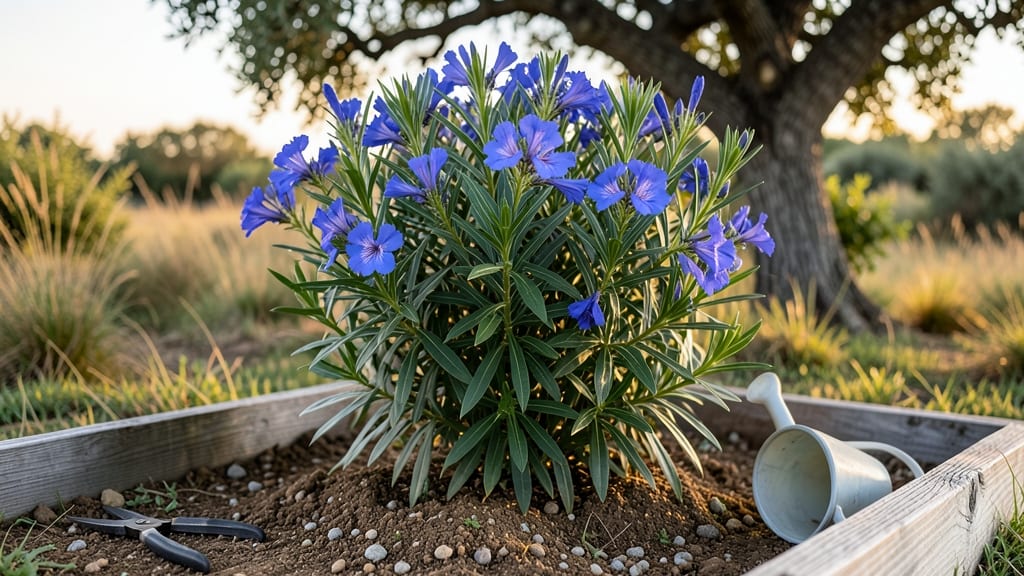
Growing blue poison flower (Nerium oleander) in the Pacific Northwest means adding a bold, drought-tolerant stunner that thrives with almost no fuss. 🌿 This evergreen shrub sports deep green leaves and clusters of fragrant white or pale pink blooms—nothing like the toxic myth suggests—though its sap is still dangerous.
The real magic? It handles our rainy summers and mild winters better than most Mediterranean natives.
You’ll need well-draining soil (sandy or loamy) mixed with a handful of compost, plus a spot that gets at least 6 hours of sun daily. Containers work too—just ensure drainage holes and a pot 12 inches wide or larger.
Water deeply once a week (more in summer heat), but let the top inch of soil dry between waterings. Overwatering is the #1 killer of these tough plants.
Pruning is minimal—just snip back leggy growth in early spring to encourage bushier shape. The blooms appear on new wood, so don’t overdo it. For propagation, take 4-inch cuttings in summer, dip in rooting hormone, and pot them up. Keep them moist until roots form (about 6-8 weeks).
Safety first: Wear gloves when handling, and keep pets/kids away—every part of the plant is toxic if ingested. But with proper care, this low-maintenance beauty will reward you with years of lush foliage and occasional fragrant blooms. Ready to add drama to your garden?
📚 In This Guide
- What you need
- Instructions
- Tips and common mistakes
- Wrapping up and next steps
What you need
- ● Blue poison flower bulbs: 3–5 mature bulbs (size: 2–3 inches in diameter) for a vibrant display. Pro tip: 💡 Choose bulbs with firm, papery skins—avoid any that feel soft or moldy!
- ● Well-draining potting mix: 1–2 bags of cactus/succulent mix (or amend garden soil with perlite/coarse sand for drainage). Aim for 50% organic matter + 50% inorganic grit.
- ● Containers or garden bed: Option 1 (Containers): 5–7-inch pots with drainage holes (terracotta or ceramic). ✨ Use 1 pot per bulb for optimal growth!
- ● Option 2 (Garden Bed): Full sun to partial shade spot with 6+ hours of sunlight daily and sloped/raised beds to prevent waterlogging.
- ● Slow-release fertilizer: 1–2 tbsp of 10-10-10 or 5-10-10 granular fertilizer (or liquid bloom booster like fish emulsion). 🌡️ Apply sparingly—these bulbs hate overfeeding!
- ● Garden trowel or bulb planter (for digging holes 2–3x wider than the bulb).
- ● Watering can or hose with gentle spray nozzle (avoid soaking the bulbs!).
- ○ Mulch (optional): 1–2 inches of gravel or bark chips to retain moisture and deter weeds.
- ○ Pruning shears (optional): For trimming dead foliage post-bloom to redirect energy to bulb storage.
- ● Garden gloves (to protect hands from sharp bulb edges and soil).
Instructions for cultivating blue poison flower in the Pacific Northwest
This hardy shrub thrives with minimal fuss—just follow these steps for lush, low-maintenance growth.
🪴 Step 1: Choose the Right Location and Soil
Blue poison flower (Nandina domestica) loves partial shade to full sun but tolerates dappled light under tall trees. In the Pacific Northwest’s mild climate, a spot with morning sun and afternoon shade works best—this prevents leaf scorch while promoting vibrant foliage. The soil should drain well but retain moisture; amend heavy clay with 2-3 inches of organic compost to improve aeration.
Here’s the thing—this plant handles poor soil better than most, but it rewards you for effort. If your yard has rocky or sandy soil, mix in 1 part peat moss to 3 parts native soil before planting. The roots spread aggressively, so space plants 6-8 feet apart to allow for mature size without overcrowding.
☀️ Step 2: Plant at the Correct Depth and Time
Spring is ideal for transplanting, but you can plant in early fall too—just 4-6 weeks before the first frost. Dig a hole twice as wide as the root ball but no deeper; the top of the root ball should sit even with the ground level. This prevents stem rot from sitting too low in wet soil.
Gently loosen the roots if they’re circling tightly in the container. Backfill with native soil mixed with 1 cup of slow-release fertilizer (10-10-10 works) to encourage strong root establishment. Water deeply right after planting—1 gallon per plant—to settle the soil and eliminate air pockets. You’ll know it’s right when water drains freely from the bottom of the hole.
💧 Step 3: Water Strategically and Monitor Growth
Blue poison flower is drought-tolerant once established, but young plants need consistent moisture. Water once a week during the first growing season, aiming for 1-2 inches of water per week. Let the top 2 inches of soil dry out between waterings—this prevents root rot while keeping the plant hydrated.
Watch for new growth in 4-6 weeks. Healthy leaves should be deep green with blue-gray undertones, and you’ll see red berries forming in late summer if the plant is happy. If leaves yellow or wilt, it’s a sign of either overwatering or poor drainage. Adjust your watering schedule or amend the soil with more compost.
✂️ Step 4: Prune Lightly for Shape and Health
This plant thrives with minimal pruning, but a little maintenance keeps it tidy. The best time to prune is late winter or early spring, before new growth begins. Remove dead, diseased, or crossing branches first—cut back to the nearest healthy bud or branch collar. Use clean, sharp pruners to avoid tearing the bark.
For shaping, trim no more than 1/3 of the plant’s height in a single season. Focus on opening the center to improve airflow, which reduces fungal issues. Avoid heavy pruning in fall—it stimulates tender new growth that won’t survive winter in colder PNW zones. You’ll see fresh, vibrant foliage emerge within 2-3 weeks of pruning.
🌿 Step 5: Mulch and Fertilize for Long-Term Success
Spread 2-3 inches of mulch around the base of the plant, keeping it 3 inches away from the trunk to prevent rot. Use wood chips or shredded bark—they break down slowly, improving soil structure over time. Replenish mulch annually in early spring to maintain moisture and suppress weeds.
Fertilize lightly once a year in early spring with a balanced, slow-release fertilizer (like 10-10-10). Scatter ½ cup per plant around the drip line, then water deeply to activate the granules. Over-fertilizing leads to weak, leggy growth, so skip this step if the plant looks vigorous. Healthy blue poison flower requires almost no upkeep—just occasional pruning and mulching.
Tips & tricks for cultivating blue poison flower
Here's what I've learned after years of growing this resilient Pacific Northwest favorite—details that make all the difference between a thriving shrub and one that just survives.
Soil Preparation Secret: When amending heavy clay with 2-3 inches of organic compost in Step 1, don't just mix it in superficially. Dig down 6-8 inches and create a "compost pocket" beneath the root ball. This ensures proper drainage while retaining moisture—critical for preventing the root rot that plagues many PNW gardeners. The peat moss ratio (1:3) works best when thoroughly blended, not just sprinkled on top.
Planting Depth Cue: In Step 2, the "even with ground level" guideline is non-negotiable, but here's the visual trick: After backfilling, press the soil gently around the base. If it caves in more than ½ inch when you step back, add a little more soil. The goal is to create a slight mound that naturally settles to the correct level over time. This prevents the dreaded "stem rot sink" that kills so many newly planted shrubs.
Watering Technique: The once-weekly watering in Step 3 requires precision. Use a rain gauge or tuna can to measure exactly 1-2 inches of water per week. For the first growing season, split this into two ½-inch waterings—morning and evening—to mimic natural rainfall patterns. This prevents both drought stress and the fungal issues that come from soggy soil. And always water at the base, not overhead, to protect those stunning blue-gray leaves.
Pruning Timing Insight: That 2-3 week window for regrowth after pruning in Step 4 is your quality control period. If you don't see fresh, vibrant foliage emerging within 3 weeks, you've either pruned too late (after buds formed) or too aggressively. For shaping cuts, make them just above a leaf node—you'll notice new growth sprout from exactly that spot within days, giving you visual confirmation you've done it right.
Pro Tips for Blue Poison Flower
- Here's what I've learned after years of growing this resilient Pacific Northwest favorite—details that make all the difference between a thriving shrub and one that just survives.
- Soil Preparation Secret: When amending heavy clay with 2-3 inches of organic compost in Step 1, don't just mix it in superficially.
- Planting Depth Cue: In Step 2, the "even with ground level" guideline is non-negotiable, but here's the visual trick: After backfilling, press the soil gently around the base.
Frequently asked questions
Is the blue poison flower really toxic? How dangerous is it?
The blue poison flower (often confused with oleander) contains cardiac glycosides, which are highly toxic if ingested by humans or pets. All parts of the plant—leaves, flowers, seeds—are poisonous. Keep it away from children, pets, and livestock. If exposure occurs, seek emergency medical help immediately.
How long does it take for blue poison flower seeds to germinate?
Germination can be slow and unpredictable, often taking 2–6 weeks under ideal conditions. Pre-soak seeds in warm water for 24 hours, use a seedling heat mat (70–80°F), and keep soil consistently moist. Patience is key! Some gardeners opt for cuttings instead for faster results.
Can blue poison flowers survive winter in the Pacific Northwest?
While they’re drought-tolerant, young plants may need winter protection in colder PNW zones (e.g., USDA Zones 8–10). Mulch heavily with straw or burlap, and consider container growing for easy winter relocation. Mature plants often handle frost better than expected!
Are there non-toxic alternatives with similar blue flowers?
If toxicity is a concern, try these safer blue bloomers:
- Lavender (Lavandula) – Fragrant, drought-resistant, and pet-friendly.
- Salvia (Salvia nemorosa) – Vibrant blue spikes, attracts pollinators.
- Agapanthus – Hardy, clump-forming, and deer-resistant.
- Delphinium – Classic blue spikes (toxic to pets if ingested in large amounts).
For zero toxicity, lavender or salvia are top picks!
Why are my blue poison flower leaves turning yellow or brown?
Yellowing leaves often signal overwatering or poor drainage. Brown edges? Likely underwatering or salt buildup (common in PNW tap water). Troubleshoot with these fixes:
- Check soil moisture—water deeply but infrequently (1–2x/week in summer).
- Amend soil with perlite or sand to improve drainage.
- Flush soil with rainwater to reduce salt buildup.
- Prune affected leaves to encourage new growth.
If issues persist, fungal issues (like root rot) may be the culprit—adjust care immediately.
Wrapping up and next steps
The blue poison flower isn’t just a stunning addition to your Pacific Northwest garden—it’s a resilient, low-maintenance star that thrives with minimal effort. 🌿 Whether you’re drawn to its striking blooms or its hardy nature, this plant proves that beauty and ease go hand in hand.
Now that you’re armed with the right knowledge, why not take the next step? Grab those gardening gloves, mark your spot, and let this vibrant beauty transform your outdoor space—one petal at a time!
🌱 Ready to Grow?
Start small—plant a single blue poison flower today and watch your garden come alive! Share your progress with fellow gardeners or dive deeper into companion plants to create an even more thriving ecosystem. Happy planting! 🌸