
Shrubs
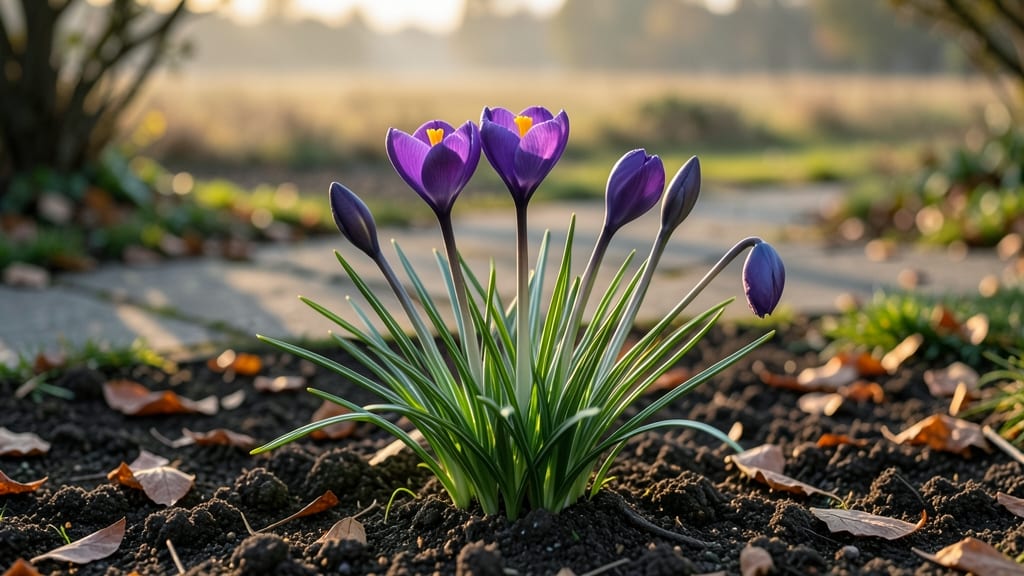
Autumn flowering crocus burst into bold purple blooms when most gardens have gone quiet. 💜 These hardy perennials defy the usual spring-only crocus narrative, offering late-season color that brightens fall landscapes and persists through winter’s early chill.
Unlike their spring counterparts, they thrive in cooler temperatures, making them perfect for gardeners who crave year-round interest without the fuss.
The secret to their success lies in timing and placement. Plant them in well-draining soil with full to partial sun, and they’ll reward you with vibrant blooms from late summer through October.
Unlike spring crocuses, these varieties don’t need summer dormancy—they stay active longer, creating a striking contrast against autumn foliage. Pair them with ornamental grasses or late-blooming sedums for a cohesive seasonal display.
You’ll love how effortlessly they naturalize, returning year after year with minimal care. Their deep roots tolerate drought once established, and their compact size makes them ideal for borders, rock gardens, or even container plantings.
The key is planting corms in early fall, about 3-4 inches deep, to let them establish before winter sets in.
For gardeners in colder climates, these crocuses are a game-changer—their winter hardiness means they’ll surprise you with early spring foliage too. Just avoid overwatering, and you’ll enjoy their striking blooms for months. Perfect for adding drama to autumn gardens while keeping maintenance simple.
📚 In This Guide
- What you need
- Instructions
- Tips and common mistakes
- Wrapping up and next steps
What you need
- ● Autumn flowering crocus corms – 10–20 corms per square foot (choose varieties like Crocus speciosus or Crocus tommasinianus for bold purple hues).
- ● Well-draining potting soil or garden soil – Mix in sand or perlite (20–30% by volume) if your soil is heavy.
- ● Compost or organic fertilizer – 1 cup per 5 sq ft (low-nitrogen, 5-10-10 blend works well).
- ○ Mulch (optional but recommended) – 2–3 inches of straw or shredded leaves to protect corms in winter.
- ● Garden trowel or small shovel – For planting corms 3–4 inches deep.
- ● Watering can or hose with a gentle spray nozzle – Crocus hate soggy soil!
- ● Garden gloves – Protect your hands from sharp corm edges.
- ● String or stakes – Mark planting spots if you’re new to gardening.
- ● Slow-release fertilizer granules – Sprinkle lightly over soil for a nutrient boost.
- ● Plant labels – Track varieties if you’re experimenting with colors.
Step-by-step guide to planting and caring for autumn flowering crocus
Here's how to coax those striking purple blooms through winter's chill—no greenhouse needed.
🌱 Step 1: Choose the Right Location and Prepare the Soil
Autumn crocus thrives in full sun to partial shade, with at least 6 hours of direct sunlight daily. I always pick a spot that gets morning sun and afternoon shade if your climate runs hot. The soil should drain well—these bulbs rot quickly in soggy conditions. Amend heavy clay with 2-3 inches of coarse sand or perlite per square foot to improve drainage.
Loosen the soil to a depth of 8-10 inches with a garden fork. This ensures roots can establish without compacted resistance. If your soil tests acidic (below pH 6.5), sprinkle 1 tablespoon of garden lime per square foot and work it in. Crocus prefers a neutral to slightly alkaline environment.
🪴 Step 2: Plant Bulbs at the Correct Depth and Spacing
Plant autumn flowering crocus corms (not true bulbs) 3-4 inches deep, with the pointed end facing upward. I tap the corm gently into the soil—it should feel snug but not forced. Space them 3-4 inches apart in rows 6 inches apart for a natural, meadow-like effect. If planting in containers, use a well-draining mix with 20% perlite and plant 2-3 corms per 6-inch pot.
Water deeply right after planting to settle the soil around the corms. You’ll see the first shoots emerge in 3-4 weeks, but don’t water again until they appear. Overwatering at this stage can cause rot before roots establish. Mulch lightly with 1 inch of straw to retain moisture without smothering the corms.
☀️ Step 3: Provide Seasonal Care for Winter Blooms
Once planted, autumn crocus needs minimal care—just the right balance of water and light. After the first frost, the foliage may yellow and die back, but the corms stay dormant until spring. I avoid fertilizing in the first year, as it encourages leaf growth at the expense of blooms. Instead, top-dress with 1 tablespoon of 5-10-10 fertilizer per square foot in early spring when new growth appears.
In zones 5-7, where winters are cold but not extreme, crocus often blooms through snow. If your winters are milder (zones 8-9), the flowers may appear in late fall. Watch for purple or white blooms in October-November—they’re hardy enough to withstand light frosts. Deadhead spent flowers to encourage next year’s blooms, but leave the foliage until it yellows naturally.
⏰ Step 4: Maintain for Long-Term Beauty
After the first bloom cycle, crocus spreads naturally. Divide clumps in early spring when foliage is still green but before new shoots appear. Lift corms carefully with a fork, separate any offsets, and replant immediately. This prevents overcrowding and ensures vibrant blooms for years. I replant divided corms at the same depth—deeper planting delays flowering.
In containers, refresh the potting mix every 2-3 years with fresh well-draining mix. Crocus in pots may need winter protection in harsh climates—wrap containers in burlap or move them to an unheated garage until spring. The key is keeping them dormant but not frozen solid. You’ll know they’re happy when they bloom reliably year after year.
Tips & tricks for perfect autumn flowering crocus
Took me a while to figure these out, so here goes—your secret weapon for those stunning winter blooms.
Soil Preparation Insight: The 8-10 inch soil depth isn't just about loosening—it's about creating a "sponge layer" that holds moisture without suffocating roots. I use a garden fork to break up compacted soil in horizontal layers rather than just vertical stabbing. This mimics natural soil structure and prevents waterlogging, which is crocus' worst enemy. For heavy clay, mix in 2-3 inches of coarse sand per square foot—this improves drainage without altering the soil's natural composition too drastically.
Planting Depth Visual: When planting corms 3-4 inches deep, think of a golf ball—about the same size as most crocus corms. The pointed end should face up (like an arrow pointing skyward), and you should be able to cover it with just your fingertips after pressing gently. Too shallow, and they'll bake in summer heat; too deep, and they'll struggle to push through soil in spring. I mark planting spots with small flags to avoid accidentally burying them deeper during subsequent soil amendments.
Watering Strategy: That first deep watering after planting is crucial, but the real trick is knowing when to stop. After the initial soak, let the soil dry completely before watering again—crocus corms need this dry period to establish roots. I test soil moisture by pushing a finger 2 inches down; if it's dry, it's time to water lightly. Overwatering at this stage is the #1 reason corms rot before they even bloom.
Container Care: For those planting in containers, the 20% perlite mix is non-negotiable—it's what prevents the dreaded "soggy bottom" syndrome. I also recommend using pots with drainage holes AND a cache pot underneath to catch excess water. In winter, if your containers are outside in zones 5-7, wrap them in burlap and place them against a south-facing wall where they'll get reflected sunlight without direct wind exposure. This simple trick can mean the difference between frozen corms and cheerful winter blooms.
Pro Tips for Autumn Flowering Crocus
- Took me a while to figure these out, so here goes—your secret weapon for those stunning winter blooms.
- Soil Preparation Insight: The 8-10 inch soil depth isn't just about loosening—it's about creating a "sponge layer" that holds moisture without suffocating roots.
- Planting Depth Visual: When planting corms 3-4 inches deep, think of a golf ball—about the same size as most crocus corms.
Frequently asked questions
Got questions about growing autumn flowering crocus? You’re not alone! Here are some of the most common queries—and their answers—to help you cultivate vibrant purple blooms even in winter’s chill.
When is the best time to plant autumn flowering crocus?
Plant them in early fall (6–8 weeks before the first frost) for ideal results. Aim for soil temps between 50–60°F (10–15°C). This timing ensures roots establish before winter, so they burst into bloom come late fall or early winter. Pro tip: If your zone has harsh winters, plant deeper (4–6 inches) for extra protection!
Will autumn crocus survive winter?
These hardy perennials thrive in USDA Zones 3–9 and tolerate light frost. Their bulbs are naturally cold-resistant, but mulch lightly (2–3 inches) after planting to shield them from extreme cold. No need for fuss—they’ll pop up year after year with minimal care!
How do I prevent squirrels or deer from digging up my crocus bulbs?
Use physical barriers like chicken wire (buried 6 inches deep) or natural deterrents like garlic or marigold plants nearby. For squirrels, try mesh cages over newly planted bulbs until roots establish. Spraying hot pepper spray (mildly) can also work—just avoid harming pollinators!
Can I grow autumn crocus in containers?
Yes! Choose well-draining pots (at least 6 inches deep) with holes for excess water. Use a mix of potting soil and sand/perlite (50/50 ratio). Place containers in partial shade and move them to a sheltered spot in winter. Bonus: They’ll add early-season color to patios or balconies!
Why aren’t my autumn crocus blooming?
Common culprits include too much shade, overcrowded bulbs, or poor drainage. Ensure they get 4–6 hours of sunlight and divide bulbs every 3–4 years. If soil stays soggy, amend with compost or raise beds. Patience pays off—some varieties need 2–3 years to fully establish!
Wrapping up and next steps
Autumn flowering crocus isn’t just a burst of purple magic—it’s a low-maintenance, winter-friendly way to brighten your garden with minimal fuss. Whether you’re a seasoned gardener or a curious beginner, these bold blooms prove that beauty thrives in resilience.
Ready to take the next step? Grab your gloves, pick a sunny spot, and let these hardy charmers transform your winter landscape—one bulb at a time! 🌱✨