
Planting
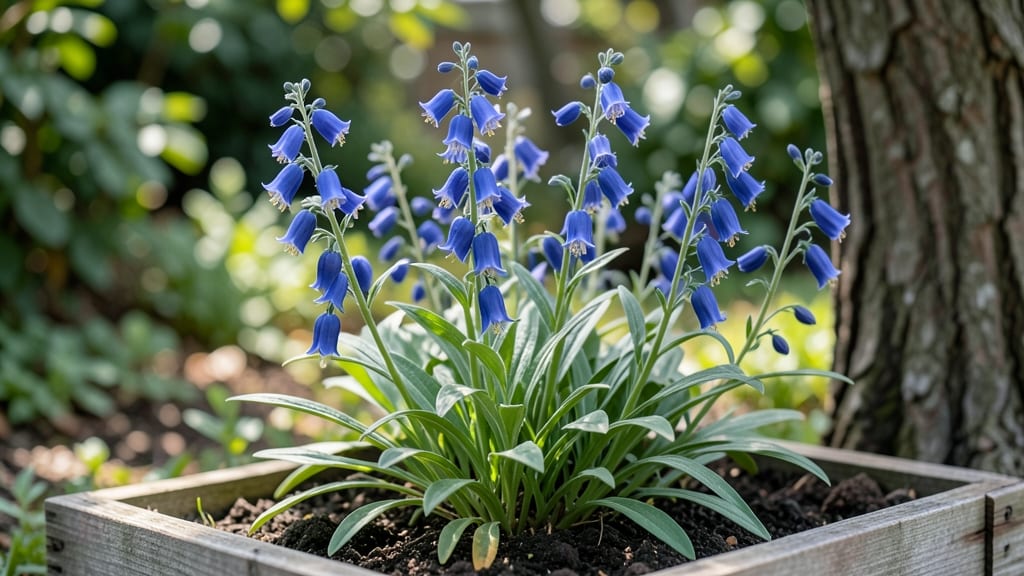
Mastering bell flower plant care is easier than you think—these delicate blue Campanula thrive in sun or shade with minimal fuss. 🌿 I’ve grown them for years, and the secret isn’t complicated: these plants are forgiving, so long as you match their needs to their spot.
The first year I planted them in heavy clay soil, and they nearly gave up—until I swapped in well-draining mix and watched them bounce back with lush foliage.
You’ll need three simple things to keep them happy: moist but not soggy soil, light pruning after blooming, and occasional deadheading to encourage more flowers. They’re tougher than they look—drought-tolerant once established, and they spread quietly over time without becoming invasive.
The key is giving them space to breathe; crowd them, and you’ll get fewer blooms.
By summer’s end, you’ll have a cascade of bell-shaped flowers in shades of blue, purple, or white, swaying in the breeze. The foliage stays vibrant all season, and with minimal deadheading, they’ll rebloom into fall.
Even my blackest thumb can’t kill these—just don’t let them dry out completely, and they’ll reward you with years of low-maintenance beauty.
Works in containers, borders, or woodland gardens, and they pair perfectly with hostas, ferns, or early spring bulbs. Once you’ve mastered their care, you’ll wonder why you didn’t start sooner—they’re the ultimate no-fuss, high-impact plant.
📚 In This Guide
- What you need
- Instructions
- Tips and common mistakes
- Wrapping up and next steps
What you need
- ● Bell flower plants: 1–3 Campanula plants (choose varieties like Campanula persicifolia for sun or Campanula isophylla for shade).
- ● OR seeds (if starting from scratch—germination takes 10–21 days).
- ● Well-draining potting mix: 1–2 bags (5–10 lbs each) of peat-free soil blend (e.g., Miracle-Gro Potting Mix or FoxFarm Ocean Forest).
- ● Containers or garden bed: For pots: 6–12-inch diameter containers (1 per plant) with drainage holes.
- ● For in-ground: Loose, fertile soil with pH 6.0–7.0 (test with a Luster Leaf Rapitest kit).
- ● Fertilizer: Balanced 10-10-10 or 5-10-5 granular fertilizer (1 tbsp per plant at planting time).
- ● Mulch: 1–2 inches of organic mulch (e.g., pine bark or cocoa hulls) to retain moisture.
- ● Trowel or hand shovel (for transplanting).
- ● Pruning shears (for deadheading or shaping).
- ● Watering can with a rose nozzle (for gentle watering).
- ● Garden gloves (to protect hands from soil/prickers).
- ● pH test kit (if amending soil).
- ● Stakes or pebbles (to weigh down floppy stems in windy areas).
Step-by-Step instructions for cultivating healthy bell flowers
Here's how to coax vibrant blooms from bell flowers with minimal fuss—whether they bask in sun or thrive in shade.
🌱 Step 1: Choose the Perfect Planting Spot
Bell flowers adapt beautifully to both full sun and partial shade, but their growth habits differ. For sun exposure, select a location with at least 6 hours of direct sunlight daily—this encourages robust stems and abundant blooms. In shadier spots, they'll grow more foliage-heavy but still produce flowers, though slightly fewer.
I always check the soil first by digging down 2-3 inches—bell flowers prefer well-draining soil with a slightly acidic to neutral pH (6.0-7.0). If your soil feels heavy or compacted, mix in 2-3 inches of compost before planting. This improves drainage and provides nutrients for steady growth.
💧 Step 2: Water Consistently Without Overdoing It
Water bell flowers deeply once a week during the first growing season, allowing the top 2 inches of soil to dry out between waterings. Overwatering leads to root rot, while underwatering causes buds to drop before opening. I test moisture by sticking my finger into the soil—if it feels dry at that depth, it's time to water.
Once established, bell flowers develop moderate drought tolerance, but they still need 1 inch of water per week during dry spells. Mulch around the base with 2-3 inches of organic mulch (like shredded bark) to retain moisture and suppress weeds. This also keeps roots cool in hot climates, preventing stress.
☀️ Step 3: Prune for Bushier Growth and Longer Blooming
Deadhead spent blooms regularly by pinching off the faded flowers with your fingers or clean pruners. This encourages the plant to produce more buds and extends the blooming season. I do this every 2-3 days during peak bloom—it takes just a minute but makes a huge difference.
In early spring or after the first flush of flowers, trim back any leggy or overgrown stems by one-third to promote bushier growth. Avoid cutting into old wood, as bell flowers are perennial in many climates and benefit from established structure. Prune in the morning to allow wounds to heal before evening dew sets in.
✂️ Step 4: Fertilize Lightly for Vibrant Blooms
Feed bell flowers with a balanced, water-soluble fertilizer (10-10-10) every 4-6 weeks during the growing season. I dilute it to half-strength to avoid burning the roots. Over-fertilizing leads to lush foliage but fewer flowers, so moderation is key. Stop fertilizing in late summer to allow the plant to harden off for winter.
For organic options, use a compost tea or fish emulsion every 6-8 weeks. These provide slow-release nutrients without the risk of salt buildup in the soil. Always water the soil thoroughly before and after applying fertilizer to help distribute nutrients evenly.
Tips & tricks for perfect bell flower plant care
Bell flowers are surprisingly adaptable, but these small details make all the difference between average growth and show-stopping blooms.
Sunlight Strategy: If your bell flowers are in partial shade, rotate the pot every 2-3 weeks to ensure even exposure. This prevents lopsided growth and encourages more uniform blooming. In full sun, watch for signs of stress like wilting—if leaves curl, provide afternoon shade during peak summer heat. The 6 hours of sunlight mentioned in Step 1 is ideal, but quality matters more than quantity in hot climates.
Soil Test Hack: Before amending your soil with compost, do a simple pH test using vinegar and baking soda. Mix equal parts of each in separate containers—add soil to each. If it fizzes in vinegar, your soil is alkaline (raise pH with sulfur); if it fizzes in baking soda, it's acidic (lower pH with lime). Aim for that 6.0-7.0 range mentioned in Step 1 for optimal nutrient uptake.
Watering Wisdom: The top 2 inches of soil drying out between waterings is your golden rule, but check deeper in containers. Stick your finger 3 inches down—if it's dry here, water thoroughly. Containers dry out faster than garden beds, so established plants may need 1 inch of water every 5-6 days instead of weekly. Always water at the base to avoid wetting leaves, which can lead to fungal issues.
Pruning Precision: When deadheading those spent blooms every 2-3 days, use clean pruners and make cuts just above a leaf node. This encourages new growth from that point. For the one-third trim in early spring, focus on stems that are woody or crossing—this improves airflow and reduces disease risk. Cut at a slight angle to prevent water pooling on the stem.
Pro Tips for Bell Flower Plant Care
- Bell flowers are surprisingly adaptable, but these small details make all the difference between average growth and show-stopping blooms.
- Sunlight Strategy: If your bell flowers are in partial shade, rotate the pot every 2-3 weeks to ensure even exposure.
- Soil Test Hack: Before amending your soil with compost, do a simple pH test using vinegar and baking soda.
Frequently asked questions
How often should I water bell flowers?
Bell flowers are drought-tolerant once established, but they thrive with moderate moisture. Water deeply 1-2 times per week during dry spells, ensuring the soil stays evenly damp (but not soggy). Pro tip: Mulch around the base to retain moisture and protect roots from heat.
When is the best time to prune bell flowers?
Prune after flowering (late summer/early fall) to remove spent blooms and encourage a second flush of flowers. You can also trim back leggy stems in early spring before new growth begins. Avoid heavy pruning in winter—bell flowers are semi-evergreen and can handle light trims year-round.
What pests commonly attack bell flowers, and how do I treat them?
Watch for aphids, spider mites, or slugs. For aphids, blast them off with water or use insecticidal soap. Spider mites? Wipe leaves with neem oil. Slugs? Set out beer traps or handpick them at night. Prevention tip: Keep your garden clean and encourage beneficial insects like ladybugs!
Can bell flowers grow in full shade?
While they tolerate partial shade (3-6 hours of sun), bell flowers bloom best in morning sun + afternoon shade. In deep shade, they may produce fewer flowers but still grow as foliage plants. If your spot is shady, choose variegated varieties like Campanula persicifolia ‘Alba’ for extra visual interest.
Are bell flowers toxic to pets or humans?
Great news! Bell flowers (Campanula spp.) are non-toxic to both pets and humans. You can safely grow them around cats, dogs, or curious kids without worry. Just keep an eye out for moldy soil if overwatered—fungal issues are the real concern here!
How do I propagate bell flowers?
Divide mature clumps in early spring or fall for easy propagation. Simply dig up the plant, separate the roots, and replant sections. You can also sow seeds in fall or early spring—just keep them moist until germination (usually 2-4 weeks). Bonus: Deadhead spent blooms to redirect energy into root growth!
Wrapping up and next steps
Caring for a bell flower is simpler than you think—with just a little sunlight, well-draining soil, and occasional attention, you’ll be rewarded with stunning blooms year after year.
Whether you’re a seasoned gardener or a beginner, these hardy plants thrive with minimal fuss, making them the perfect addition to any garden or container. 🌸
Now that you’re armed with the essentials, why not take the next step? Grab a pair of gloves, pick your favorite bell flower variety, and give it a try! Watching your garden come alive with vibrant colors will be so satisfying—happy planting! 🌱