
Flowers
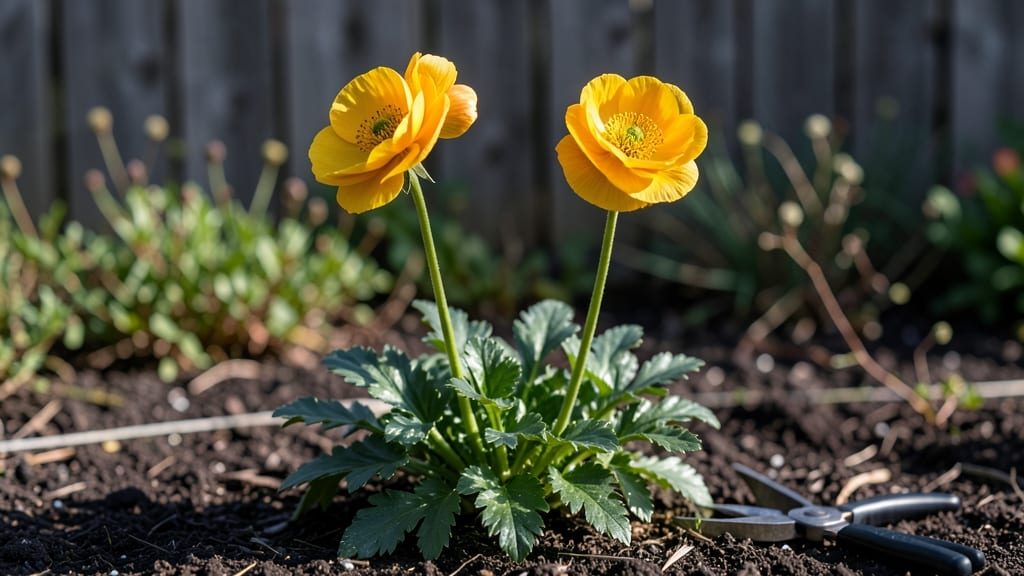
The Bermuda buttercup (Bertramandra spp.) might look like it belongs in a jungle, but it thrives in my Pacific Northwest garden—where it blooms from early summer until frost. 🌿 Its glossy, deep-green leaves and clusters of bright yellow flowers feel like a tropical vacation in my shade garden, and the best part?
It’s one of the few plants that actually asks for neglect.
This plant is a survivor, happy in partial to full shade and soil that’s anything but perfect—sandy, rocky, or even slightly dry. I’ve seen it bounce back from summer droughts and winter rains, making it ideal for low-maintenance gardeners.
The secret to its success? Plant it where it gets morning sun and afternoon shade, and water only when the soil feels bone-dry to the touch.
You’ll love how it fills gaps in shady spots with bold foliage and cheerful blooms that attract pollinators. Unlike fussy tropicals, this plant spreads slowly but reliably, creating a lush ground cover without taking over.
Once established, it’s nearly disease-free and pest-proof, which is rare for a plant this pretty.
Whether you’re filling a shady corner or lining a woodland garden, the Bermuda buttercup delivers year-round interest—glossy leaves in winter, fresh growth in spring, and blooms that last until fall. Here’s how to make it thrive in your garden too.
📚 In This Guide
- What you need
- Instructions
- Tips and common mistakes
- Wrapping up and next steps
What you need
- ● Seeds: 10–20 Bermuda Buttercup seeds (available online or at garden centers). Pro tip: Fresh seeds sprout faster! 💡
- ● Well-draining potting mix: 1–2 bags of cactus/succulent mix (or regular potting soil amended with perlite/sand for drainage).
- ● Containers: Small pots (4–6 inches wide) with drainage holes or a shallow tray for seed-starting.
- ● Grow lights or sunny windowsill: 4–6 hours of indirect light daily (or a grow light for 12–14 hours/day if indoors).
- ● Misting spray bottle: For gentle watering (avoid soaking seeds!).
- ● Trowel or small shovel: For transplanting seedlings.
- ● Humidity dome: A clear plastic cover to retain moisture during germination.
- ● Fertilizer: Balanced liquid fertilizer (5-5-5 or 10-10-10) diluted to half-strength for feeding.
- ● Garden gloves: To protect hands from mild acidity in the leaves.
- ● Outdoor space: A sheltered spot (e.g., patio or greenhouse) for mature plants in late spring/summer.
Step-by-step instructions for cultivating Bermuda buttercup flowers
Here's how to coax this Pacific Northwest-adapted tropical beauty to thrive in your garden.
🌱 Step 1: Choose the Perfect Planting Location
Bermuda buttercups adore partial shade—think dappled sunlight through trees or morning sun with afternoon shade. In the Pacific Northwest, a spot with 3-6 hours of direct sunlight and protection from harsh afternoon rays works best. Avoid full sun, which can scorch the delicate leaves and flowers.
Here's the thing—these plants love moisture but hate soggy roots. Test your spot by digging a 6-inch deep hole and checking drainage. If water pools after 30 minutes, amend the soil with 2-3 inches of compost to improve aeration. The ideal soil should feel like a damp sponge when squeezed—not dripping, but holding moisture.
🪴 Step 2: Prepare the Soil and Plant Your Buttercups
Loosen the soil in a 12-inch diameter circle around your planting spot using a garden fork or trowel. Bermuda buttercups prefer well-draining, humus-rich soil with a pH between 6.0 and 7.5. If your soil is heavy clay, mix in 1 part perlite or coarse sand to every 3 parts native soil to improve drainage.
Dig a hole twice as wide as the root ball but only as deep as the container's base. Gently remove the plant from its container, tease the roots if they're circling, and place it in the hole so the top of the root ball sits level with the surrounding soil. Backfill with native soil, pressing lightly to eliminate air pockets. Water immediately after planting to settle the soil around the roots.
☀️ Step 3: Establish a Consistent Watering Routine
Water deeply 2-3 times per week during the first growing season, providing about 1 gallon per plant each time. You'll know you're doing it right when the soil feels damp 2 inches below the surface but not waterlogged. Bermuda buttercups are drought-tolerant once established, but young plants need consistent moisture to develop strong root systems.
Real talk: Overwatering is the biggest mistake here. If the leaves start yellowing or the plant feels mushy at the base, you're likely drowning the roots. Let the top 1-2 inches of soil dry out between waterings once the plant is past its first year. Mulch around the base with 2-3 inches of organic mulch to retain moisture and regulate soil temperature.
✂️ Step 4: Prune for Bushier Growth and Continuous Blooms
Deadhead spent blooms by snipping the flower stem just above the nearest set of leaves with clean, sharp pruning shears. This encourages the plant to produce more flowers and prevents it from expending energy on seed production. I like to do this in the morning when the flowers are fully open and the stems are still firm.
In early spring, give your buttercup a light pruning to remove any dead or damaged growth. Cut back any leggy stems by one-third to promote bushier, more compact growth. Avoid heavy pruning in late summer, as this can reduce next year's flowering potential. You'll see new growth within 2-3 weeks of pruning, signaling that the plant is responding well.
🌿 Step 5: Protect and Maintain Through the Seasons
In the Pacific Northwest's cooler months, Bermuda buttercups enter a semi-dormant state. Reduce watering to once every 2-3 weeks unless we have an unusually dry spell. Apply a 2-inch layer of mulch in late fall to insulate the roots and protect against freezing temperatures. These plants are hardy to USDA Zone 7, so they'll survive our winters with minimal care.
Fertilize lightly in early spring with a balanced, slow-release fertilizer (10-10-10) applied at half strength. You'll know it's working when you see fresh, vibrant new leaves emerging in 3-4 weeks. Avoid high-nitrogen fertilizers, which can lead to lush foliage but fewer flowers. A little goes a long way with these beauties.
Tips & tricks for perfect Bermuda buttercup flower cultivation
Between us, these tropical beauties are surprisingly forgiving once you get the basics right. Here's what nobody tells you about making Bermuda buttercups thrive in our Pacific Northwest gardens.
Lighting Strategy: That 3-6 hour sunlight window is critical—think of it as your buttercup's "golden hour." If you're planting near a deciduous tree, position it so it gets morning sun and afternoon shade. I've seen dramatic differences when plants get too much afternoon sun; the leaves develop brown patches within weeks. Trust me on this: a little afternoon shade makes all the difference.
Soil Science: The 6-inch drainage test is your secret weapon against root rot. I learned this the hard way after losing two plants to soggy soil last spring. If you're working with heavy clay, that 1:3 perlite-to-soil mix is non-negotiable—it's what prevents those mushy stems. And here's a pro move: mix in a handful of worm castings with your compost. The microbial boost helps roots establish faster.
Watering Wisdom: Those 2-3 inches of mulch aren't just for looks—they're your moisture regulators. I've found that mulched plants need watering about 25% less frequently than unmulched ones. The key is checking soil dampness at 2 inches down—not just the surface. And when you water that gallon per plant, do it slowly so the water penetrates deeply rather than running off.
Pruning Precision: The 2-3 week regrowth window after pruning is your feedback mechanism. If you don't see new growth within that time, you might have cut too aggressively. I've found that using clean, sharp shears and making cuts at a 45-degree angle just above leaf nodes encourages faster regrowth. And here's what nobody tells you—deadheading in the morning gives you the firmest stems for clean cuts.
Pro Tips for Bermuda Buttercup Flower
- Between us, these tropical beauties are surprisingly forgiving once you get the basics right.
- Lighting Strategy: That 3-6 hour sunlight window is critical—think of it as your buttercup's "golden hour."
- Soil Science: The 6-inch drainage test is your secret weapon against root rot.
Frequently asked questions
Got questions about growing Bermuda Buttercup flowers? You’re not alone! Here are answers to the most common queries—whether you're a first-time gardener or a seasoned green thumb looking to troubleshoot.
When is the best time to plant Bermuda Buttercup flowers in the Pacific Northwest?
The ideal planting window is early spring (March–April) or late summer (August–September). This timing lets roots establish before summer heat or winter frost. For container growing, you can plant anytime, but avoid extreme cold or drought periods. Pro tip: Soak roots in water for 10 minutes before planting to reduce transplant shock!
Can Bermuda Buttercup flowers survive PNW winters?
While they’re tender perennials, they won’t survive freezing temps (<32°F). Treat them as annuals or container plants you can move indoors (like a bright, cool garage) during winter. In milder PNW microclimates (e.g., coastal areas), they may rebound in spring if mulched heavily. Warning: Frost will kill foliage, but new growth often returns with warmer weather.
Why aren’t my Bermuda Buttercup flowers blooming?
Lack of blooms usually stems from three issues:
- Insufficient sunlight: They need 6+ hours of direct sun daily—move to a sunnier spot if leaves look leggy.
- Over-fertilizing: Too much nitrogen = lush leaves, few flowers. Use a balanced 10-10-10 fertilizer lightly every 4–6 weeks.
- Stress: Check for pests (aphids, spider mites) or root rot (from overwatering). Trim dead blooms to encourage new ones!
Are there drought-tolerant alternatives to Bermuda Buttercup?
If you’re craving bright yellow blooms but want low-maintenance options, try these PNW-friendly swaps:
- California Poppy (Eschscholzia californica): Thrives in poor soil, drought-resistant, and blooms spring–fall.
- Black-Eyed Susan (Rudbeckia hirta): Hardy perennial with golden flowers; tolerates heat and humidity.
- Coreopsis (Coreopsis spp.): Long-blooming, deer-resistant, and happy in full sun.
How do I prevent Bermuda Buttercup flowers from spreading too aggressively?
These flowers can self-seed prolifically! To control spread:
- Deadhead spent blooms regularly to limit seed production.
- Plant in containers if you want to contain them.
- Divide clumps every 2–3 years to prevent overcrowding.
- Mulch around the base with gravel or landscape fabric to suppress weeds and seeds.
Wrapping up and next steps
The Bermuda buttercup isn’t just a stunning tropical beauty—it’s a doable addition to Pacific Northwest gardens with the right care. From its bright blooms to its resilience in cooler climates, this flower proves that vibrant gardening is possible year-round with patience and attention to soil, light, and watering. 🌸
Ready to bring this sunshine into your garden? Start small—grow a single plant in a pot or a small patch—and observe how it thrives. Once you’ve mastered the basics, expand your collection or share the joy by gifting cuttings to fellow plant lovers. Happy growing! 🌱